English| EUR
Suggested for you
More currencies
Choose a language
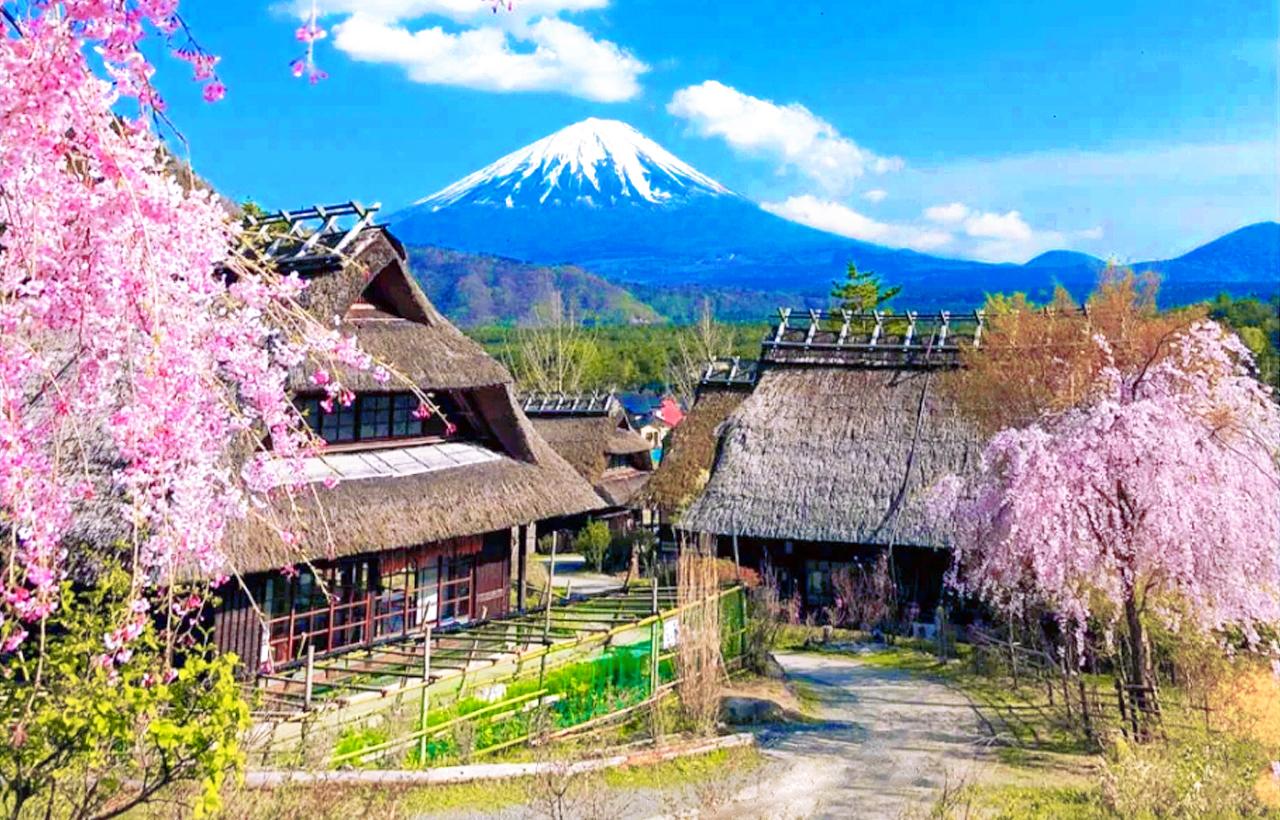
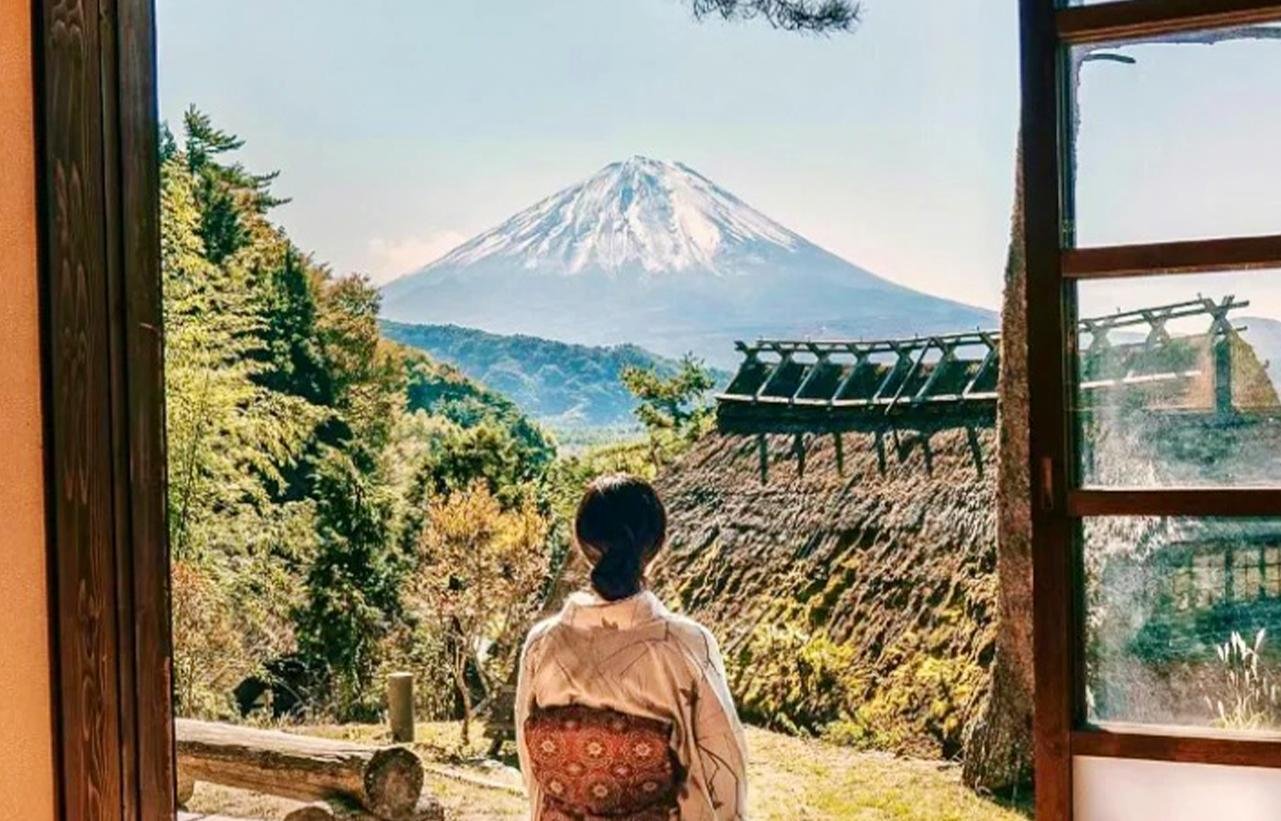
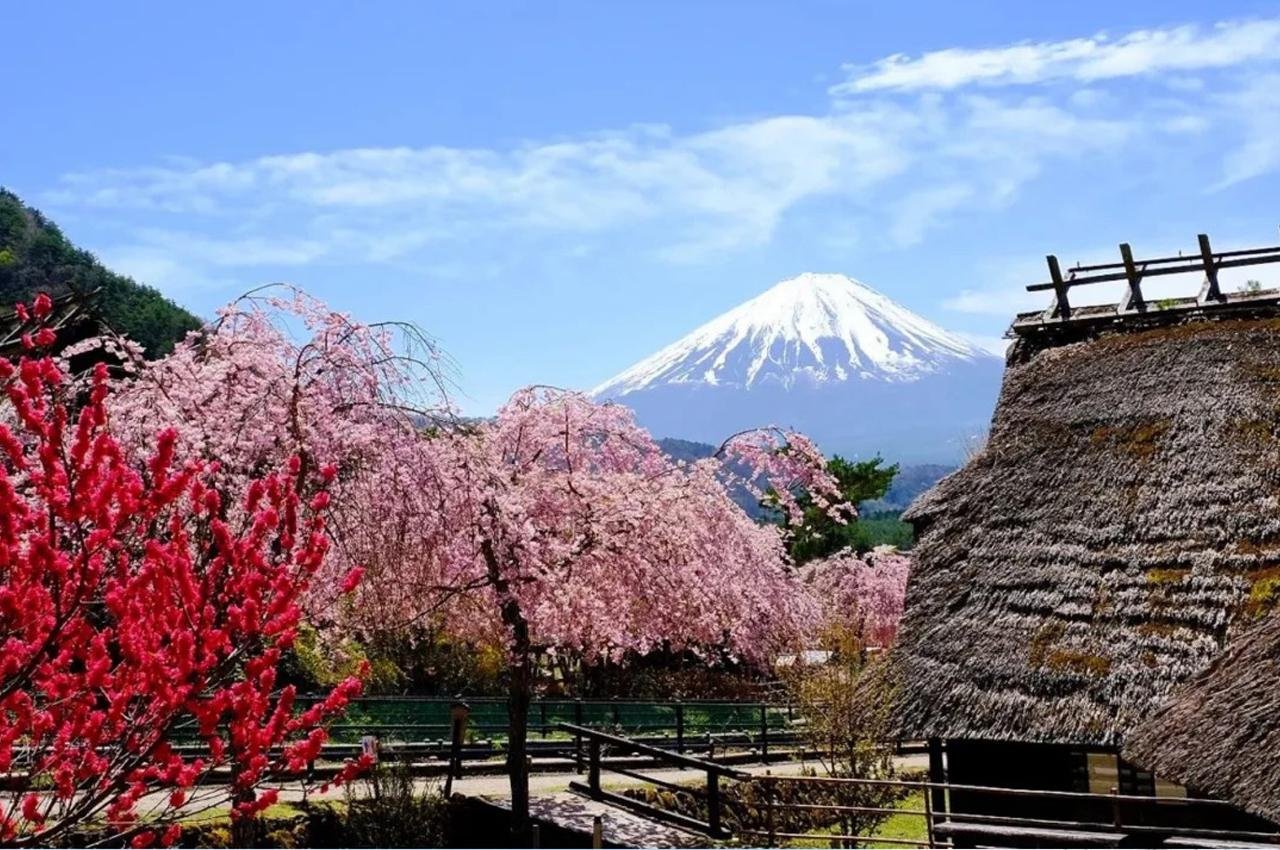
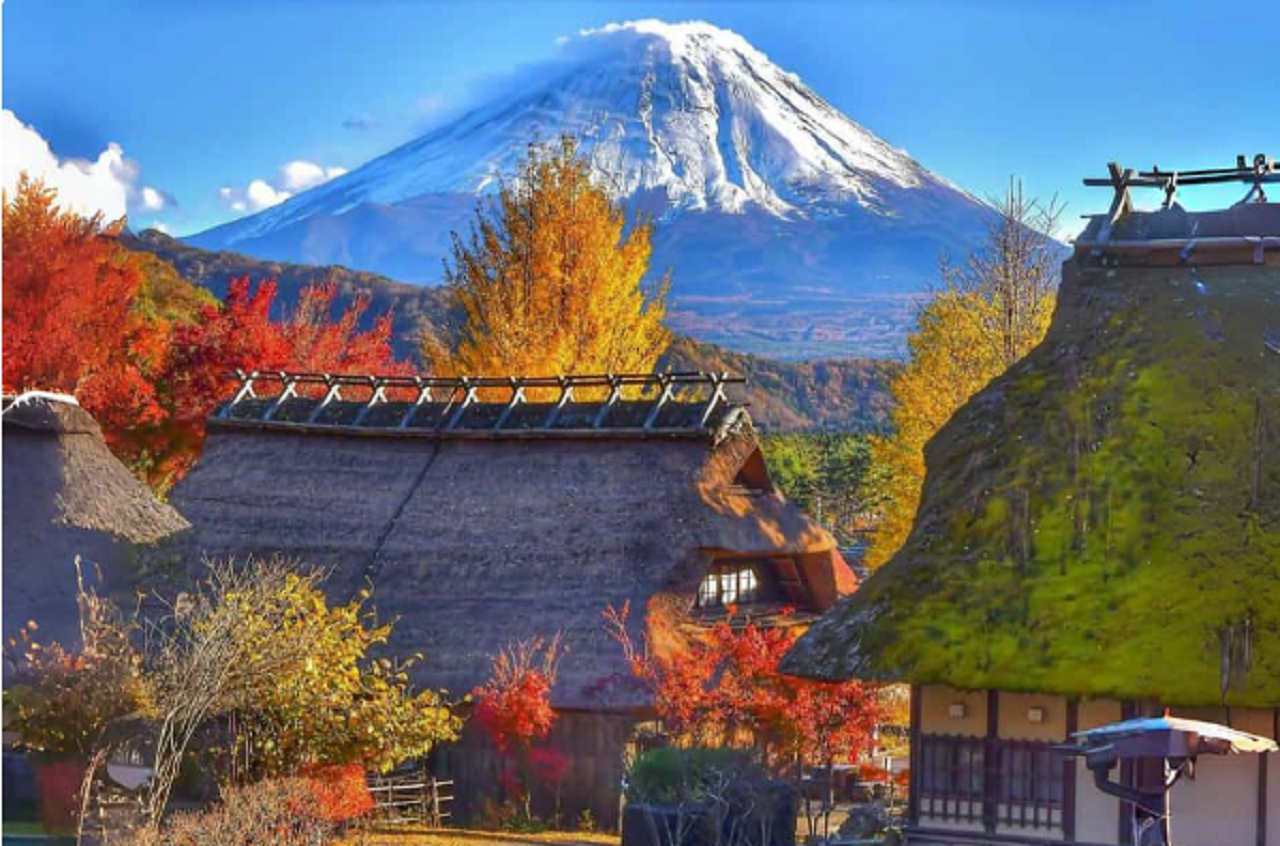
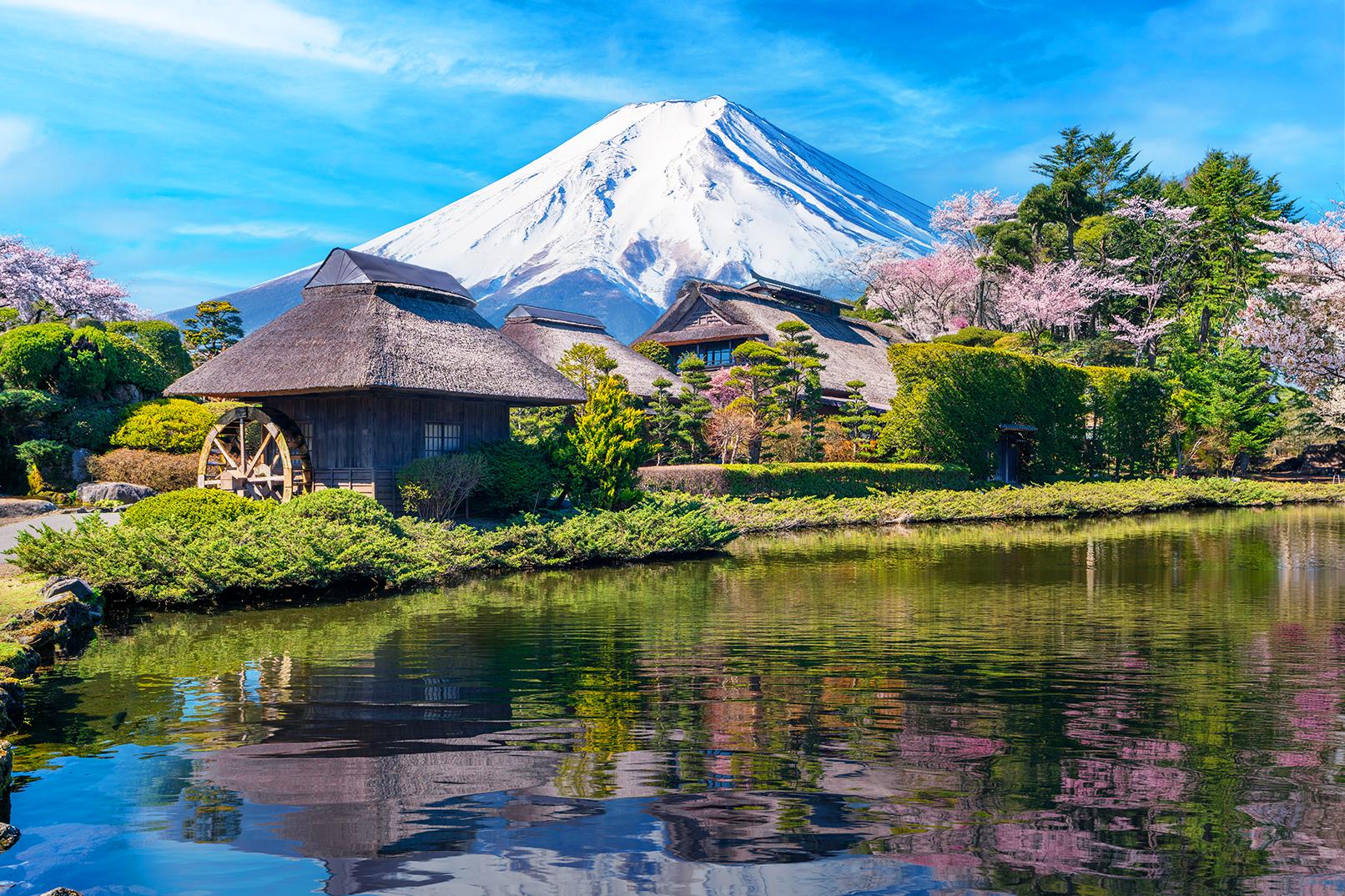
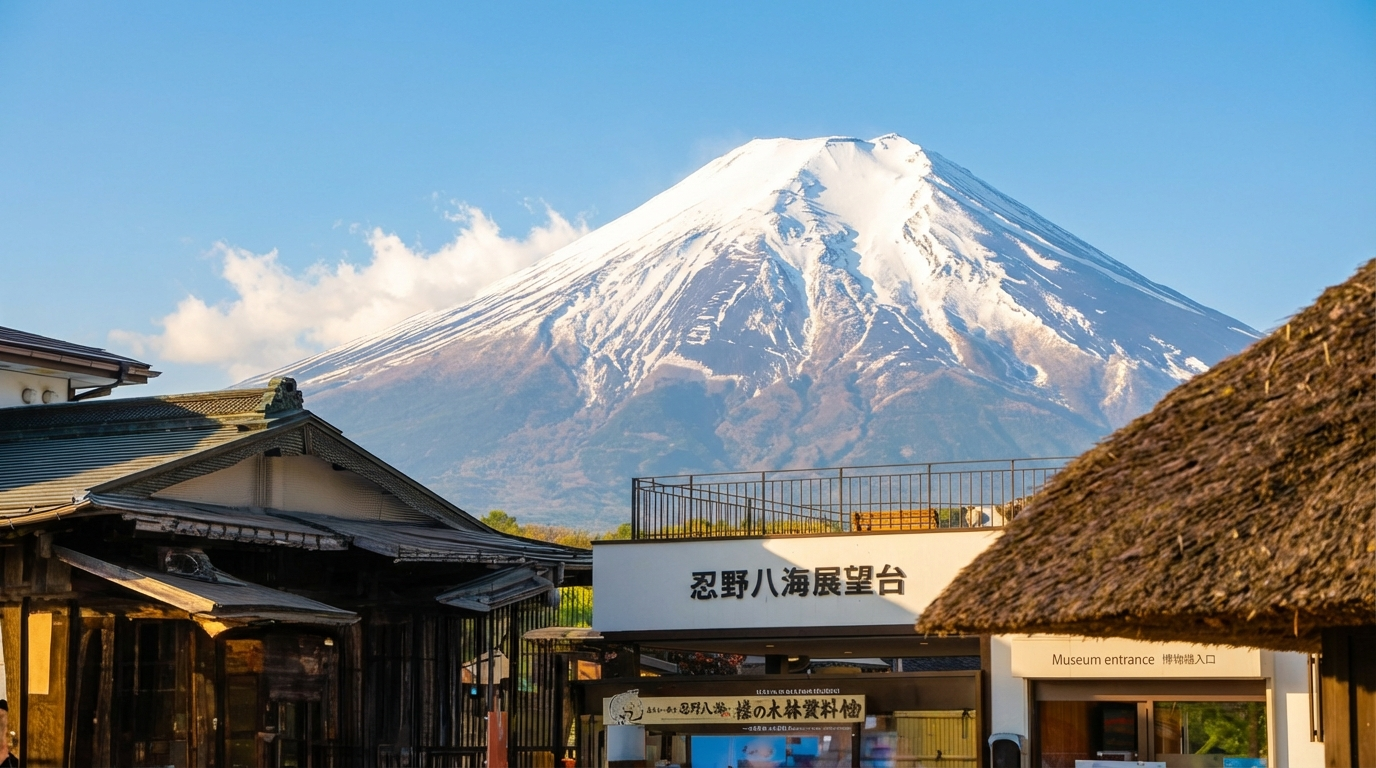
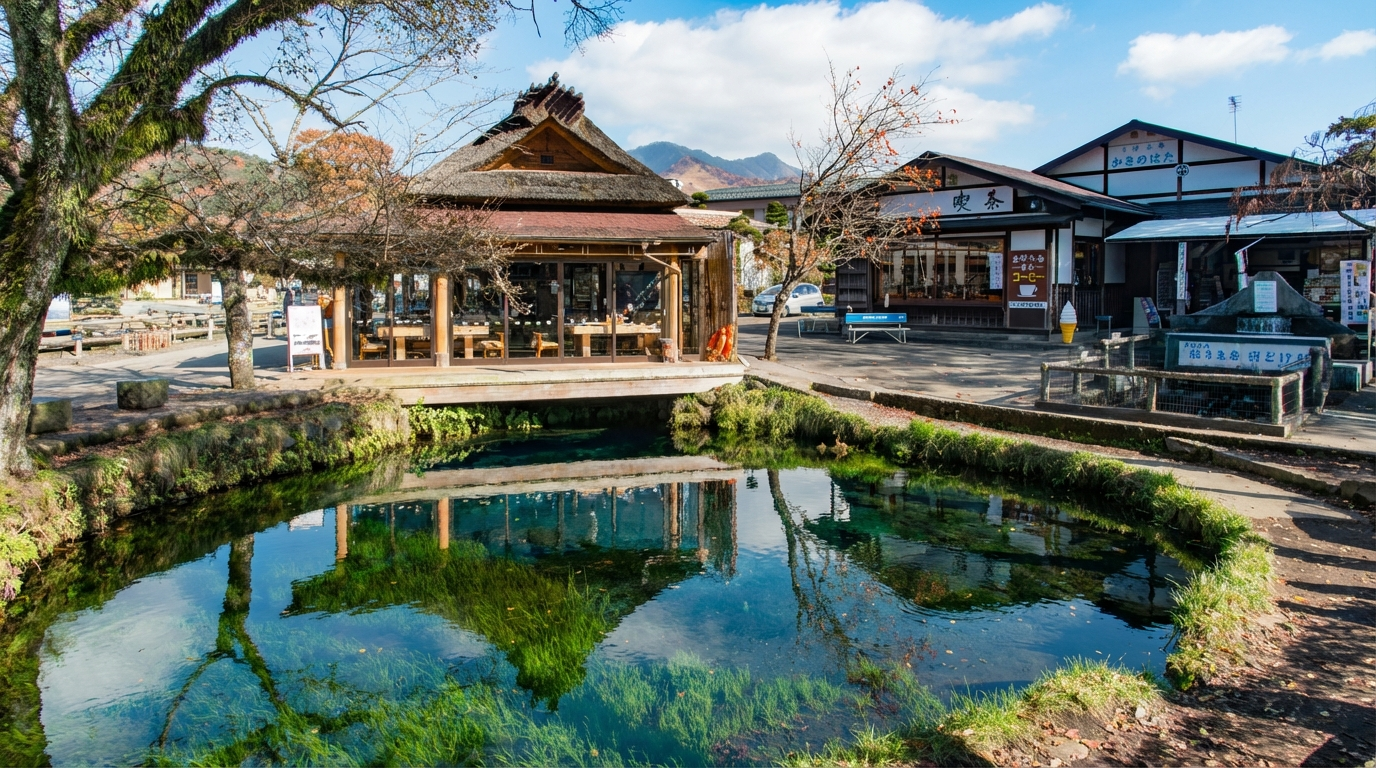
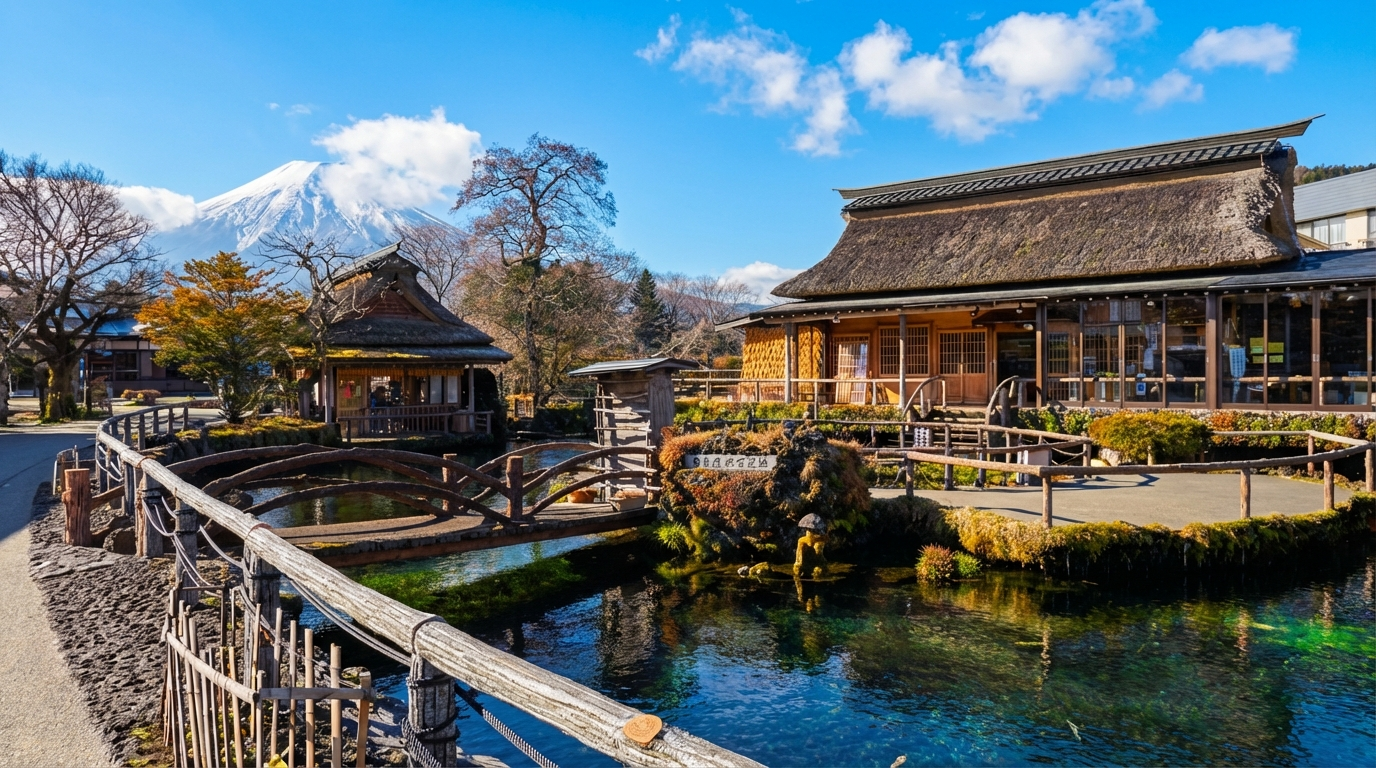
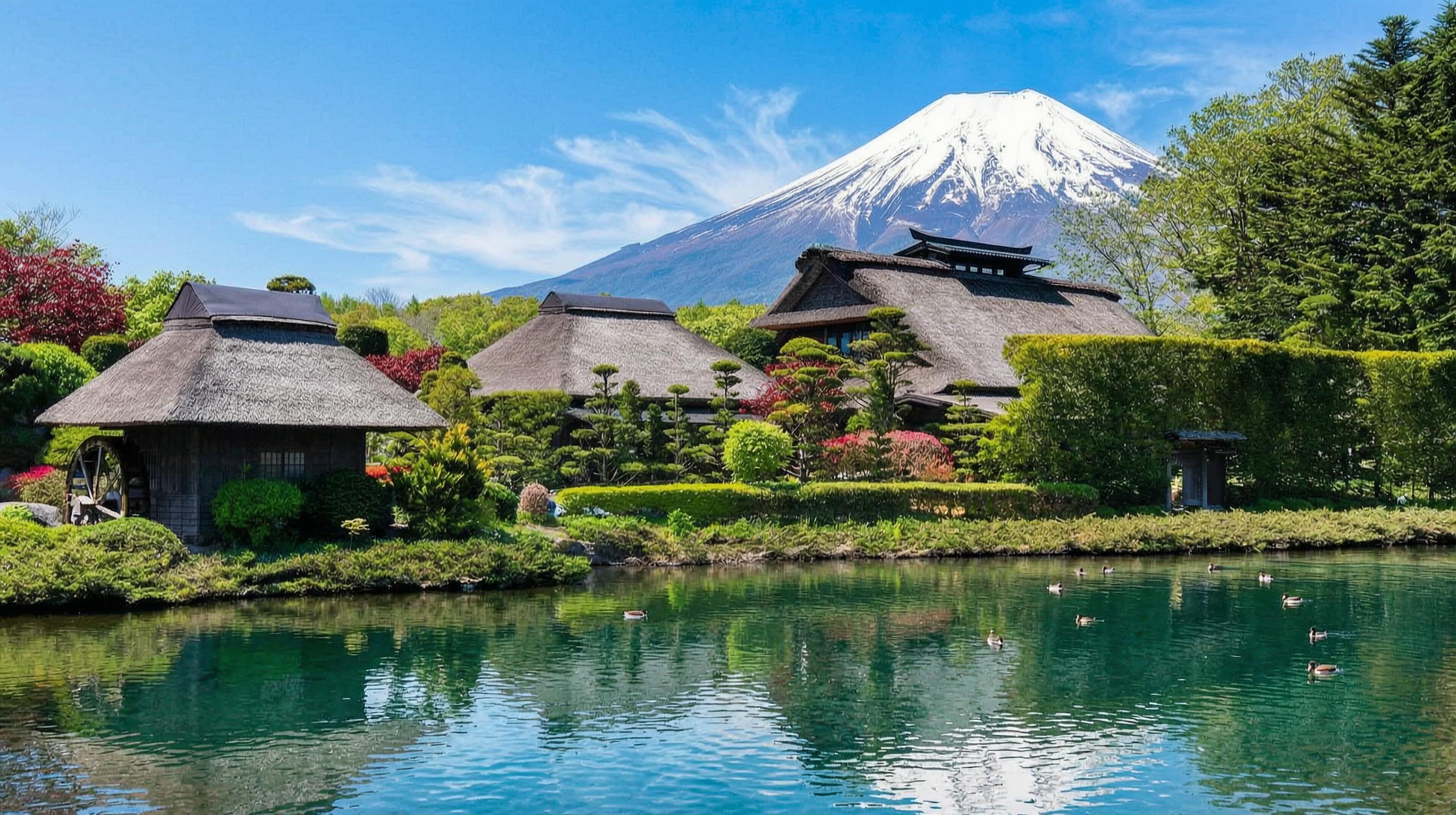
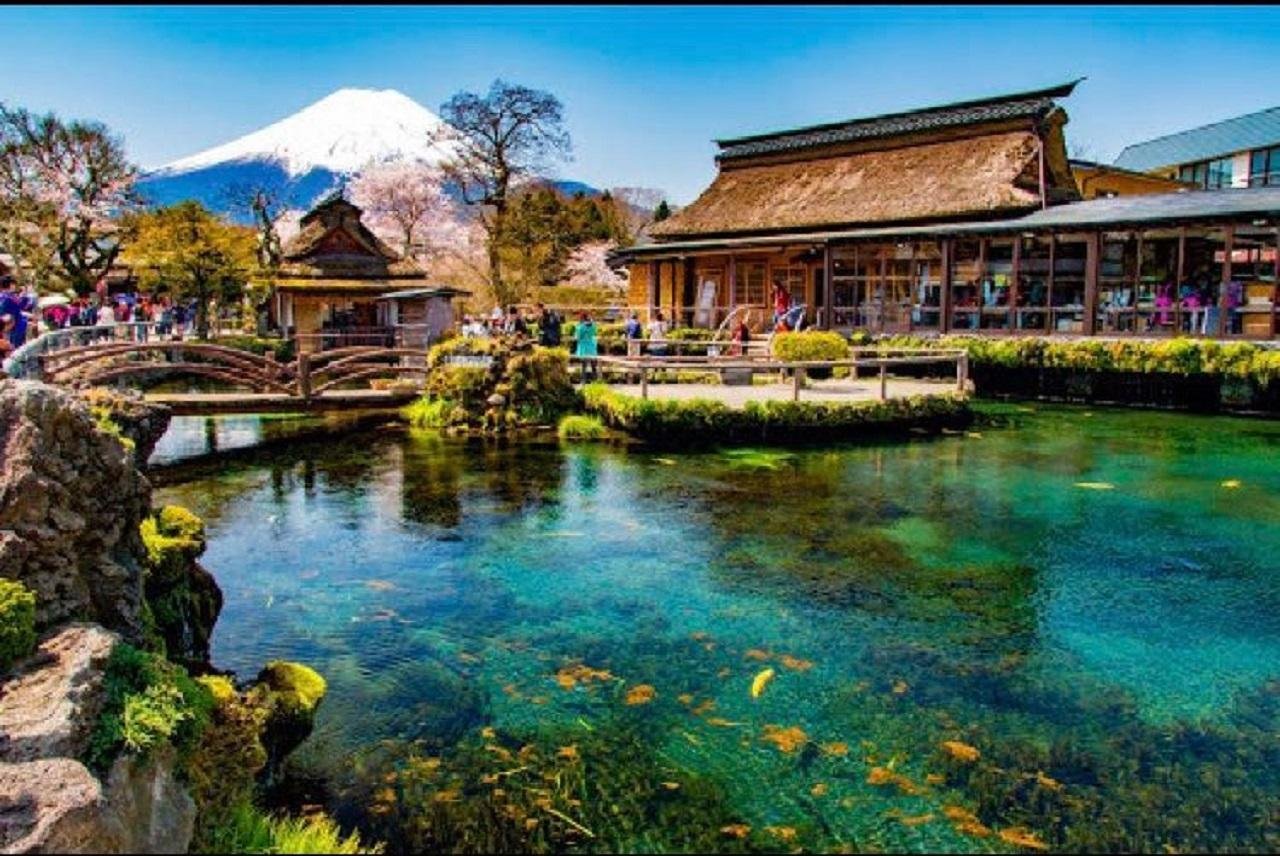
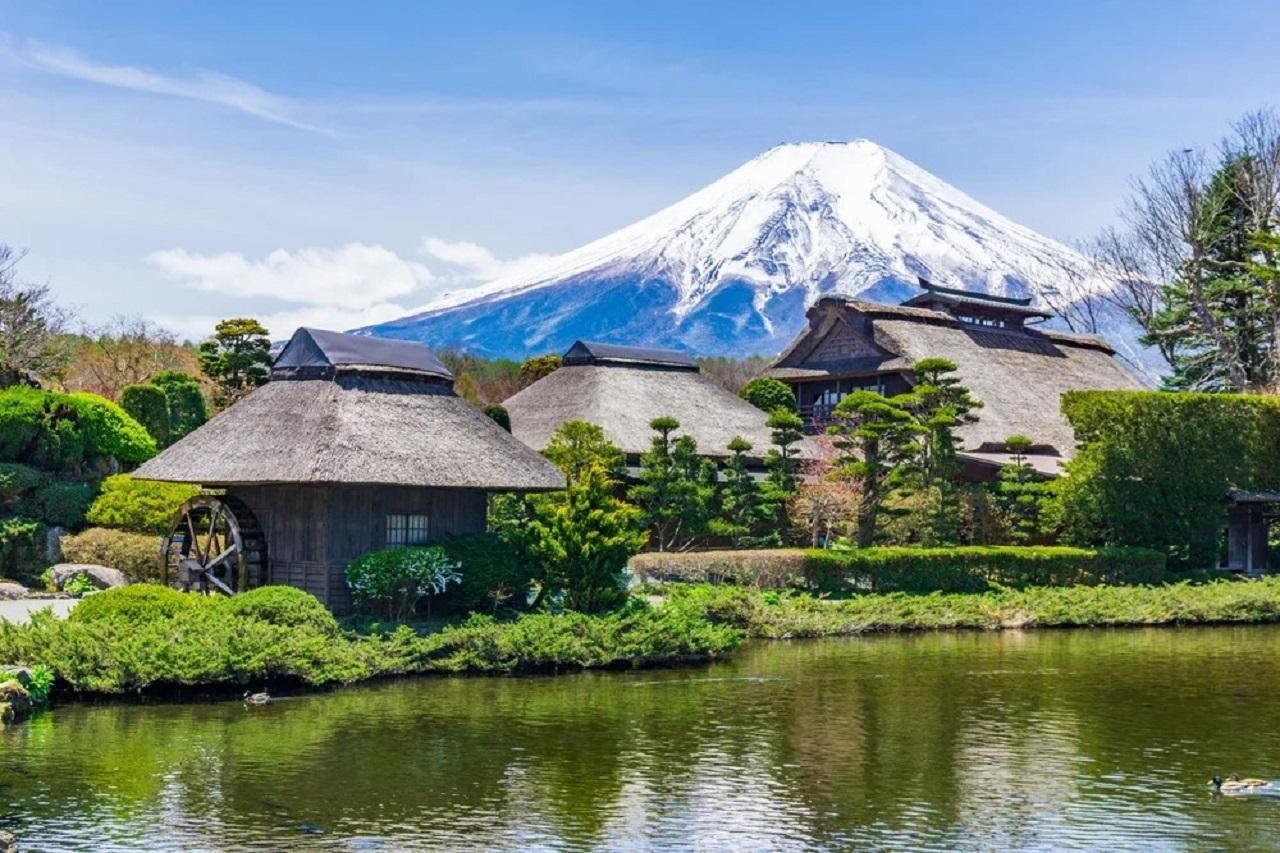
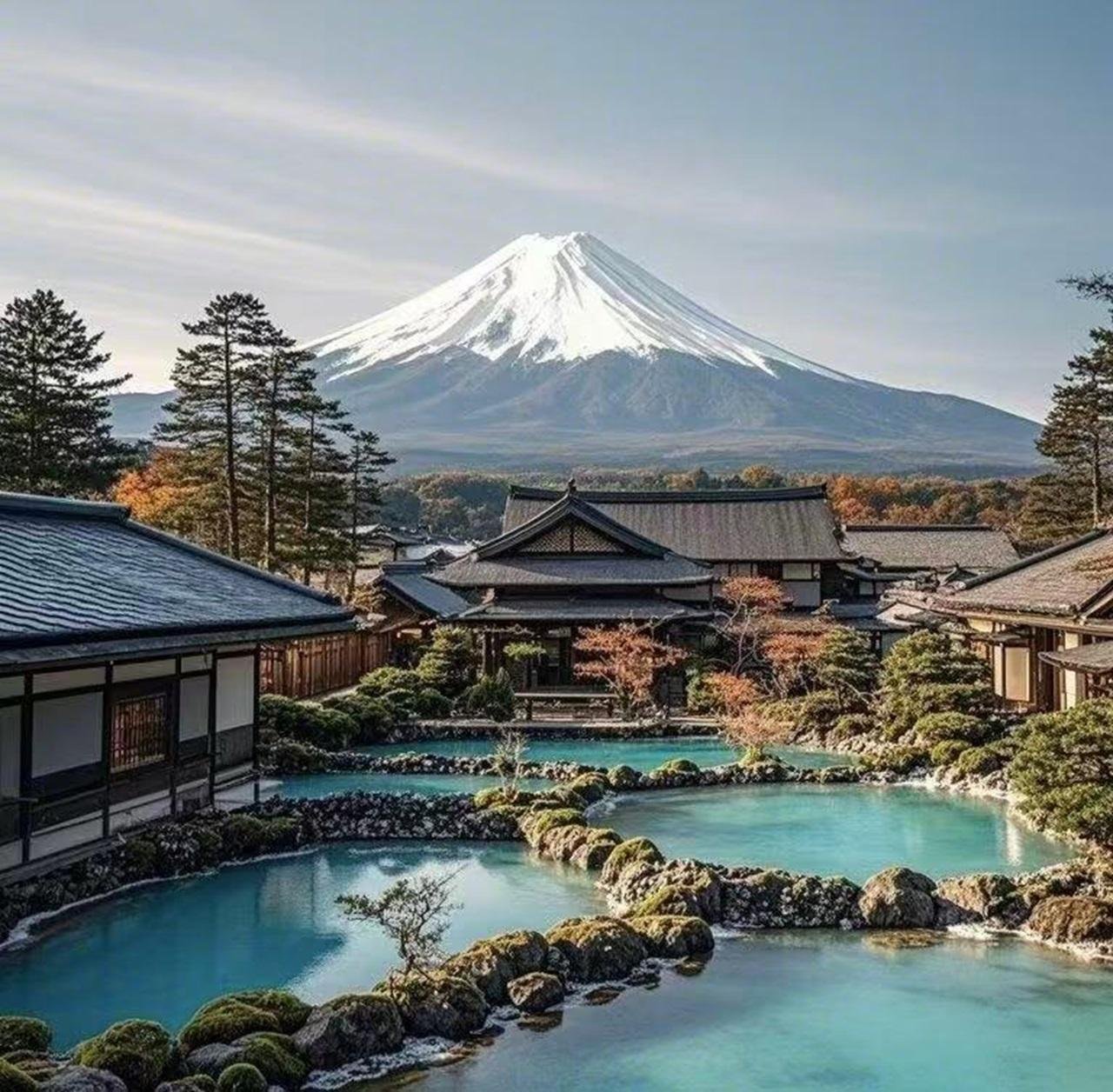
Step back in time at the 'Healing Village'—a reconstructed hamlet of thatched-roof houses framed by the majestic Mount Fuji.
Disclaimer: This is not an official website. All content is for informational purposes only. We may earn commission from bookings.
Hand-picked experiences loved by thousands of travelers
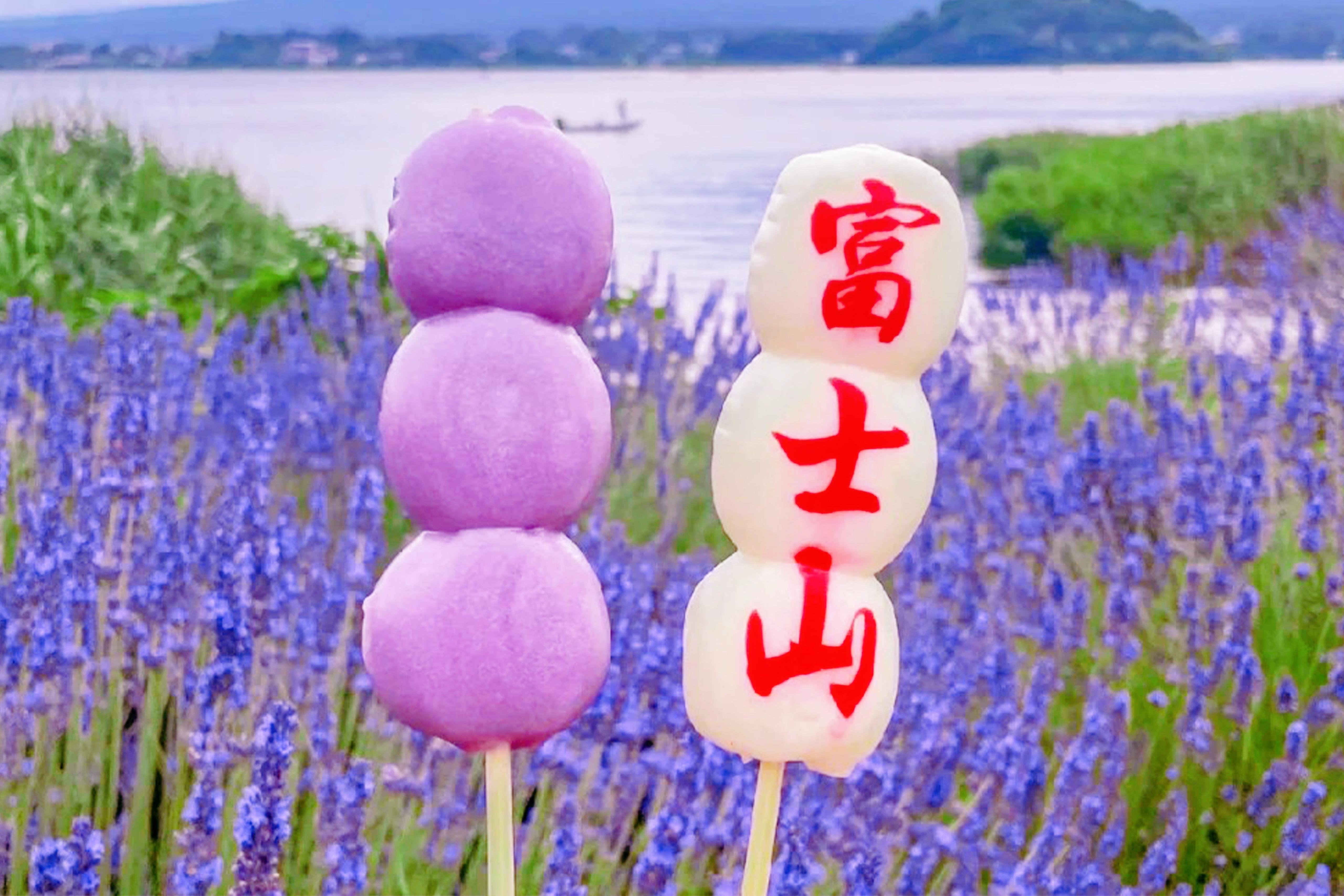
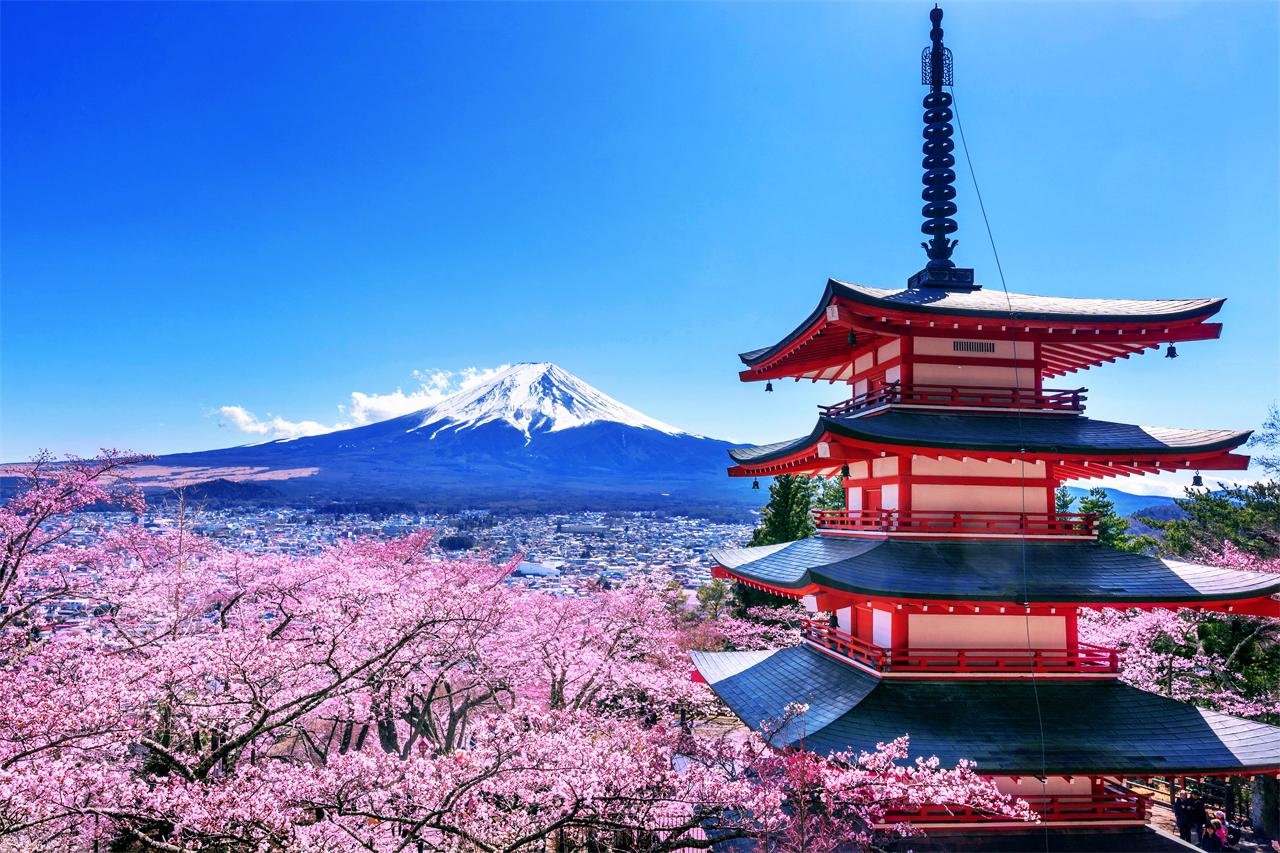
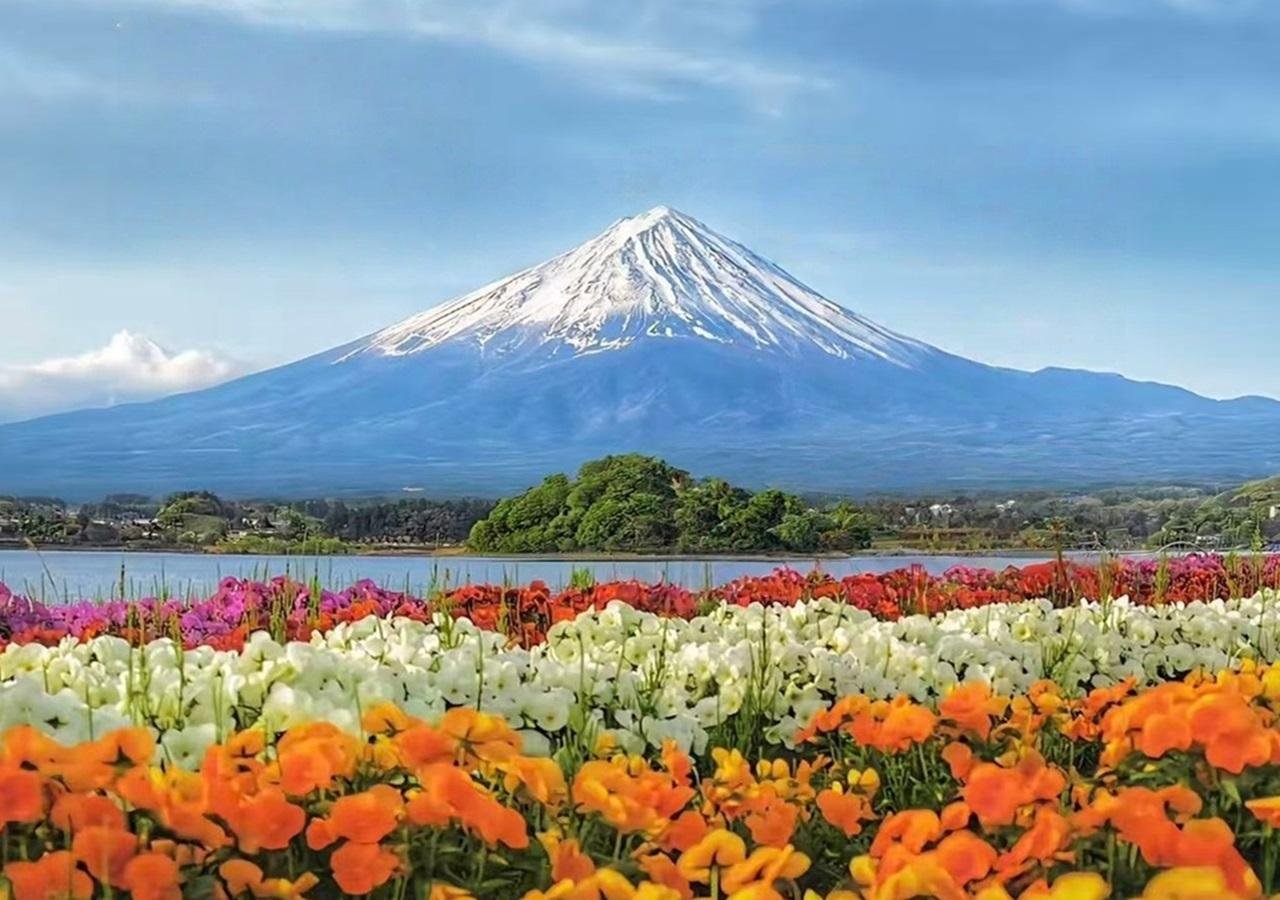
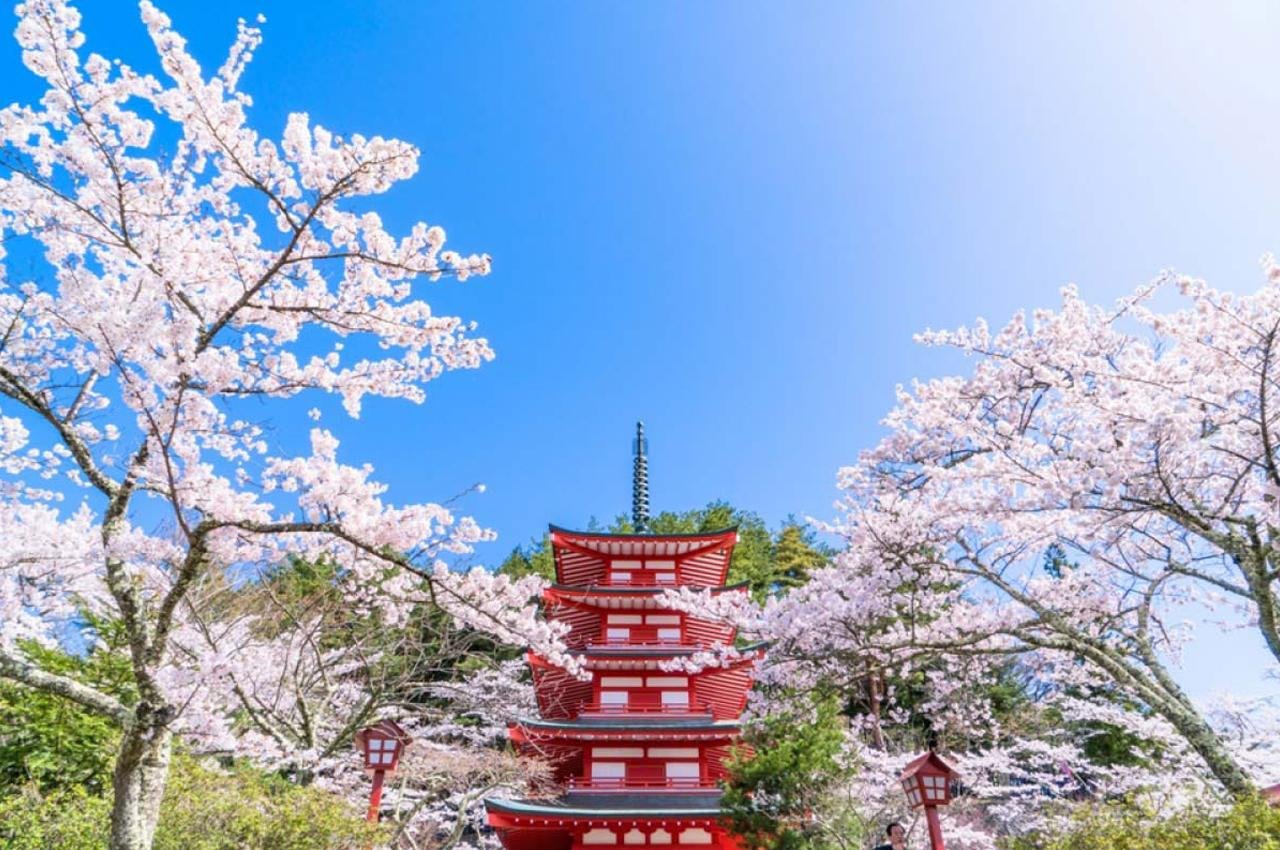
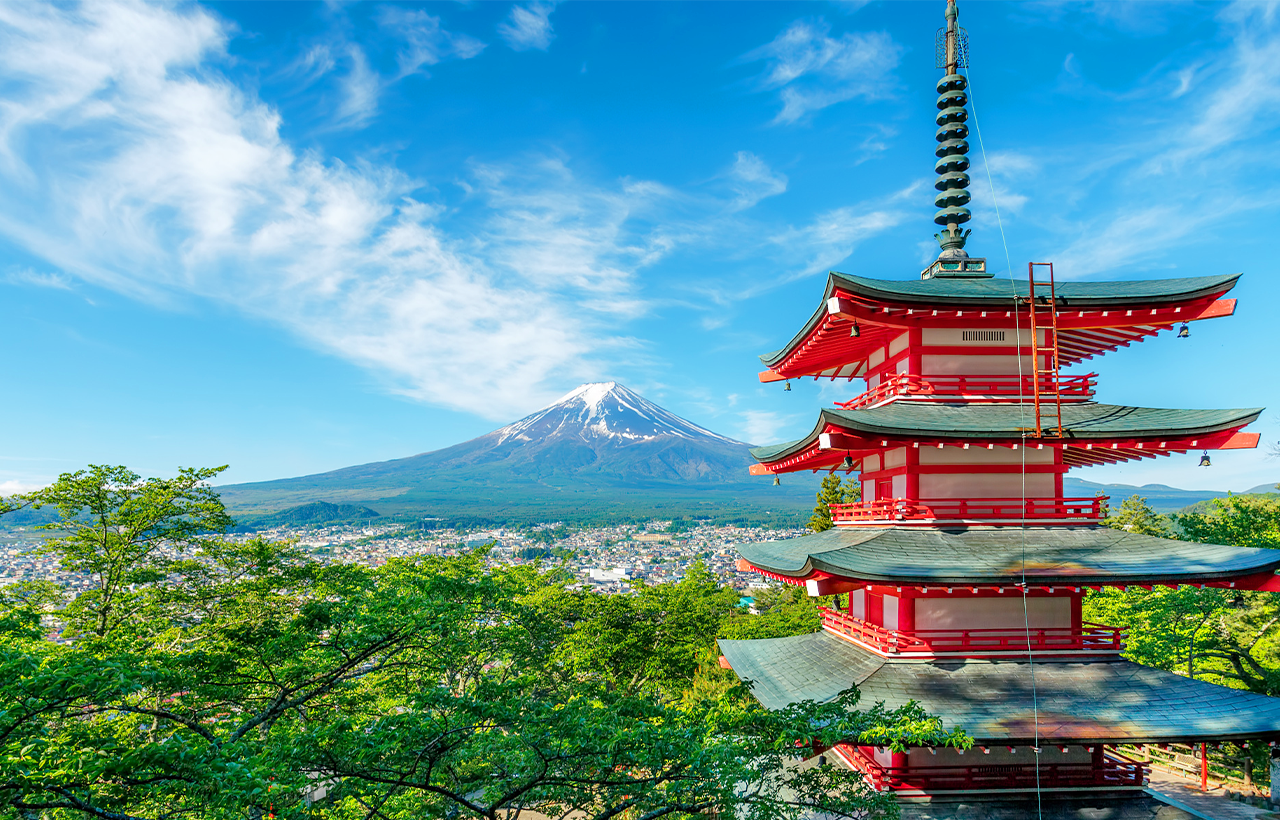
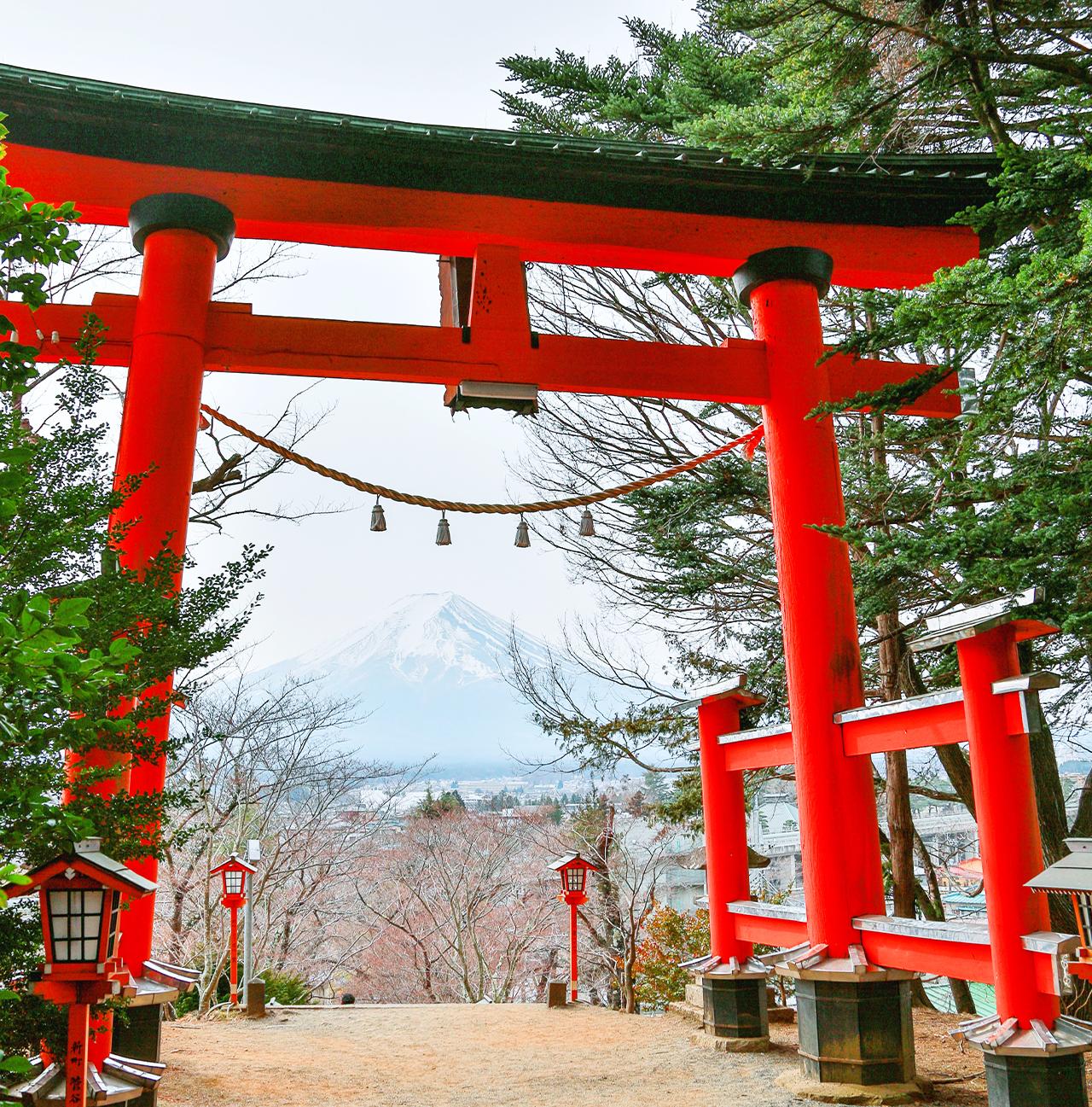
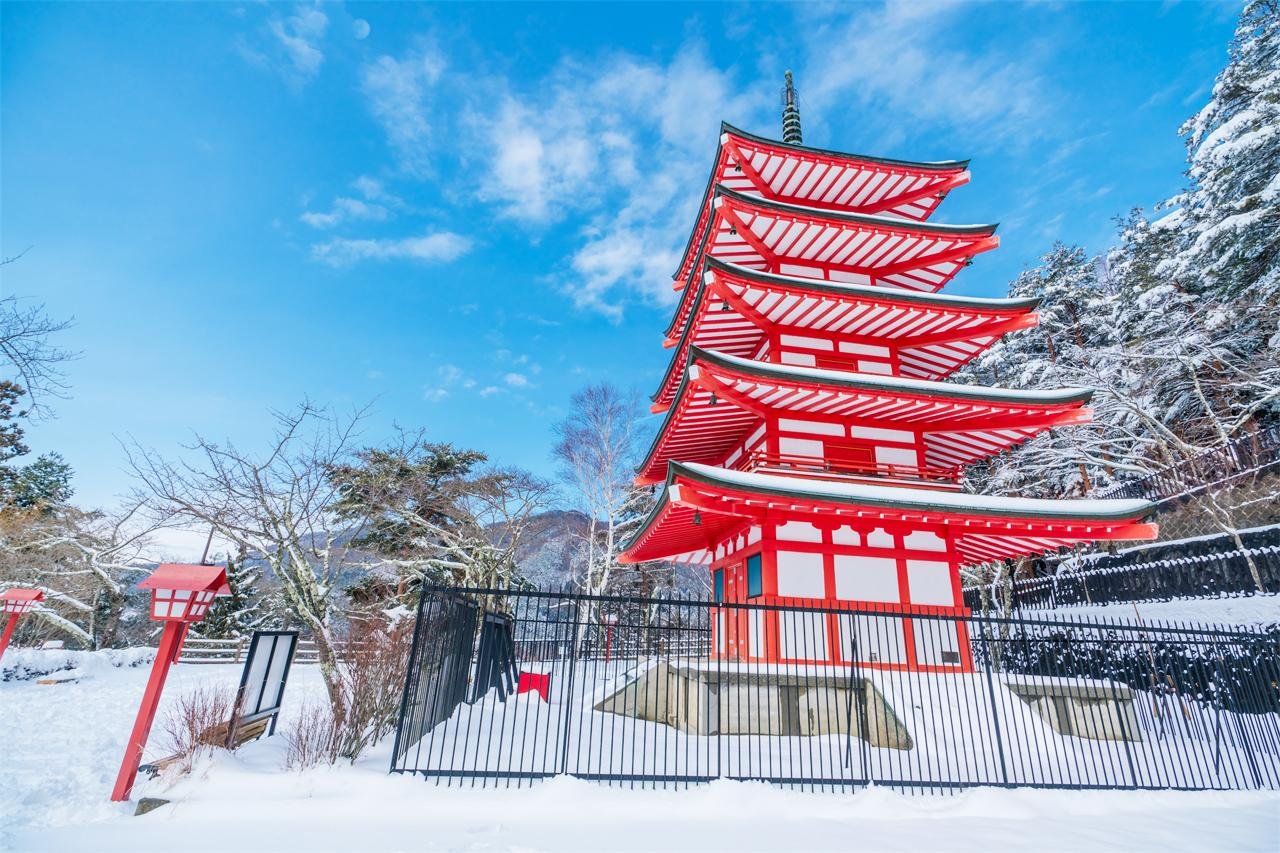
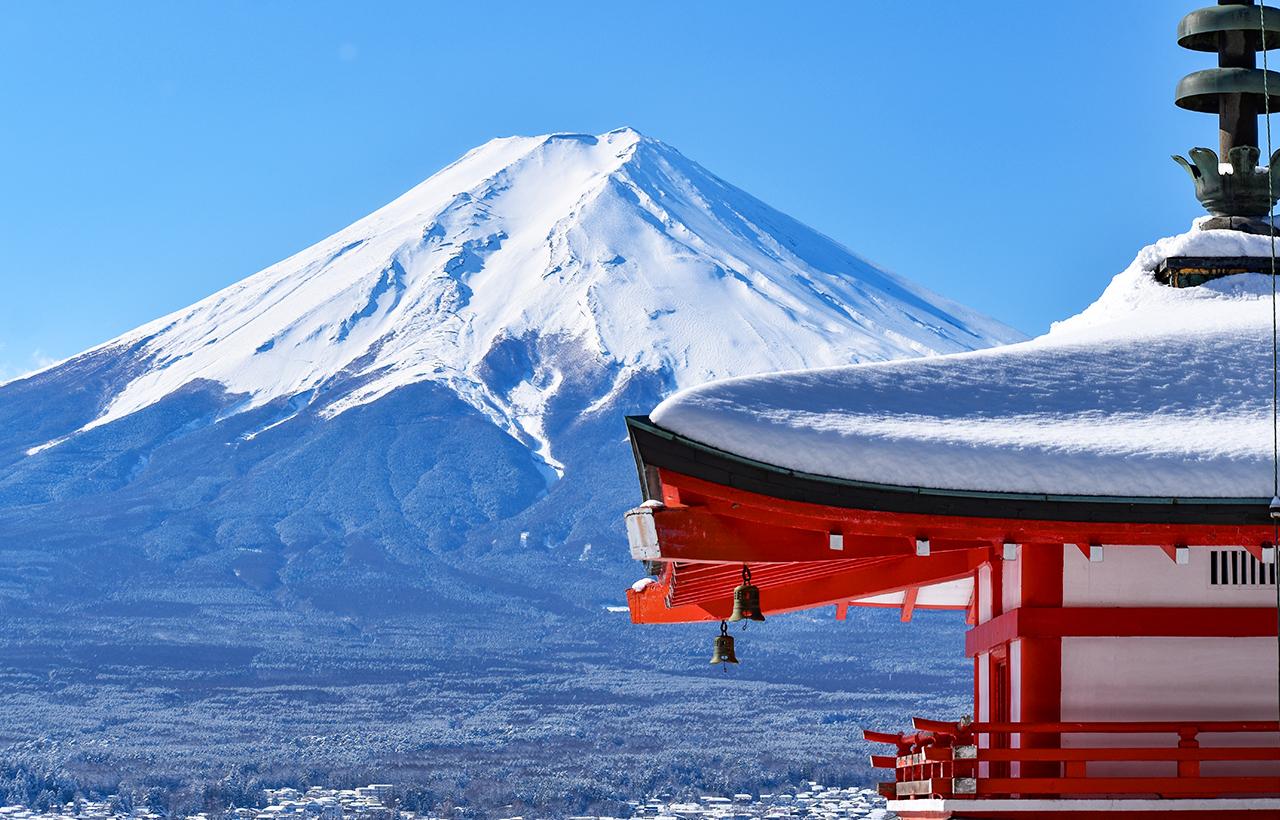
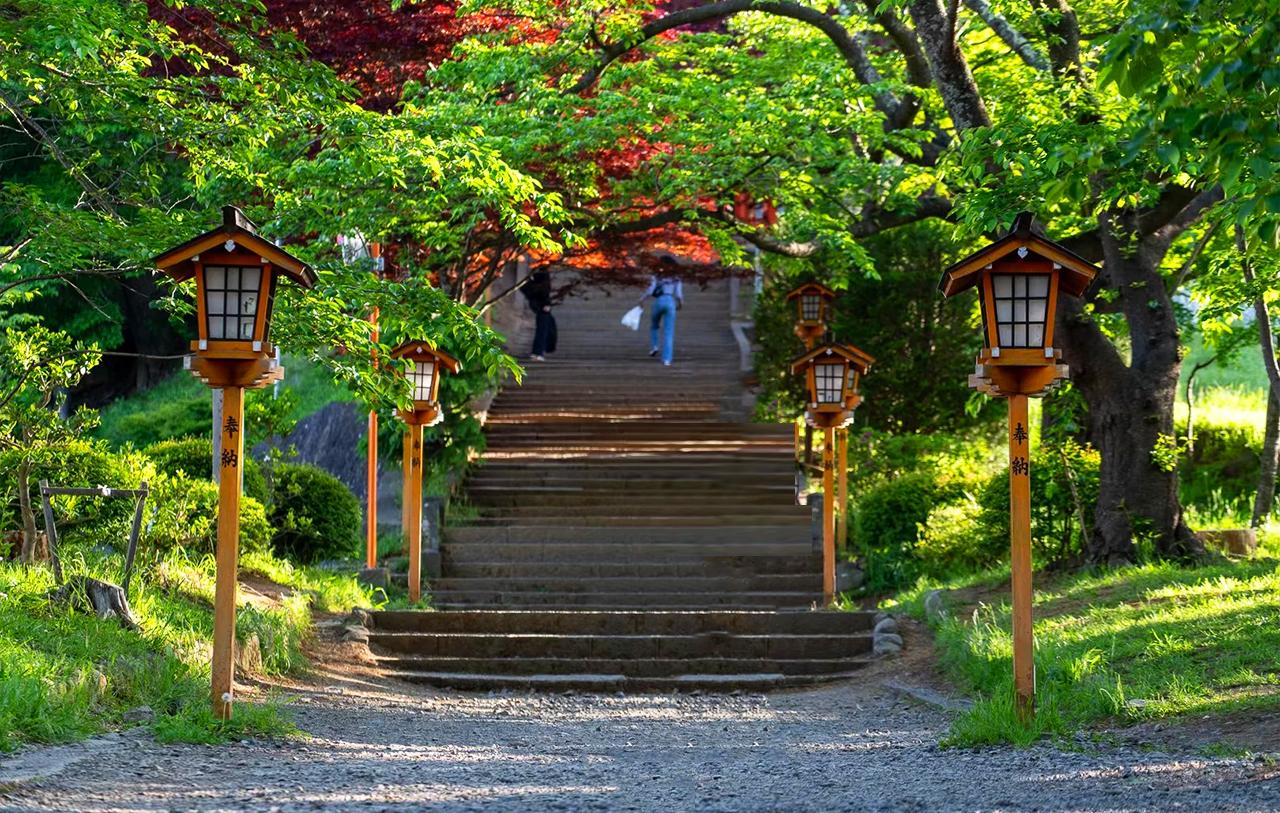
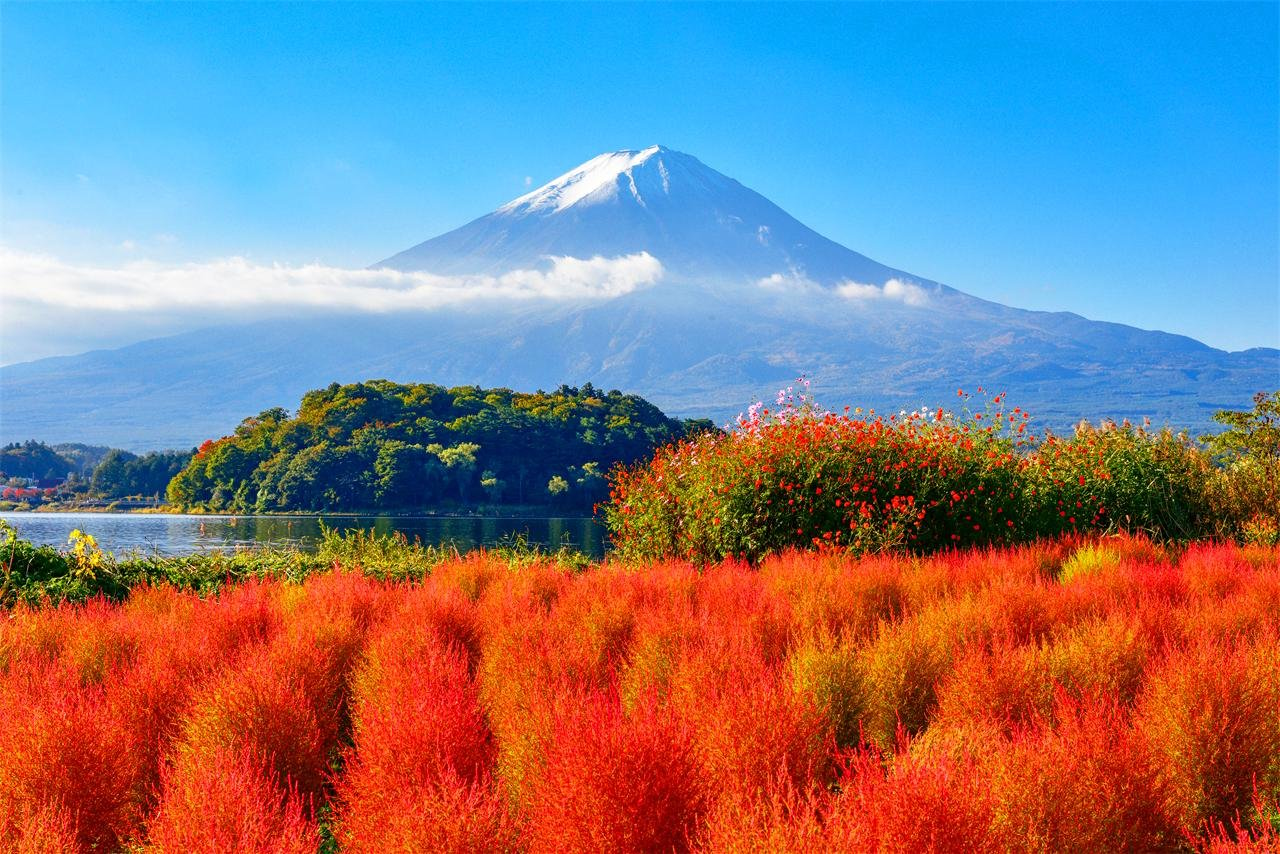
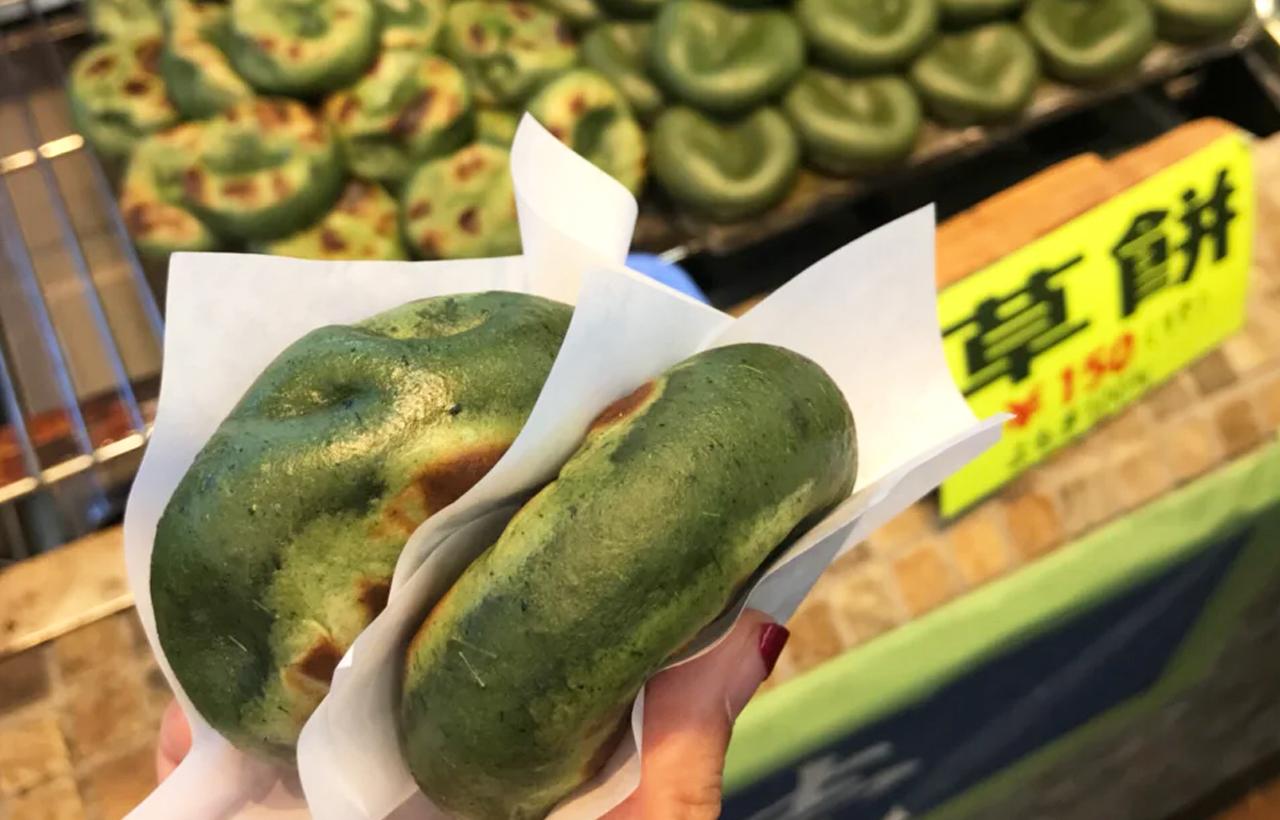
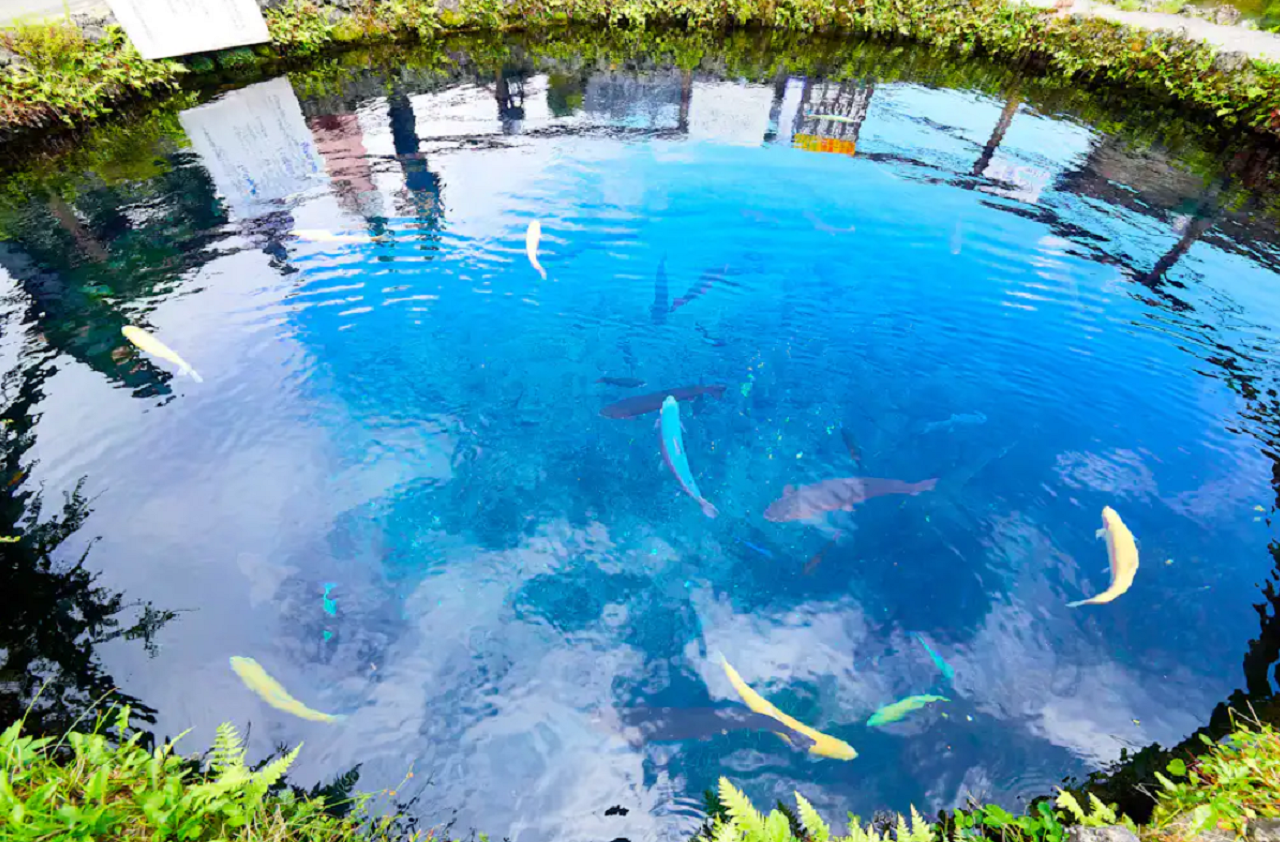
Experience the beauty of Mt. Fuji with visits to historic villages, serene lakes, and iconic pagodas on this full-day adventure.
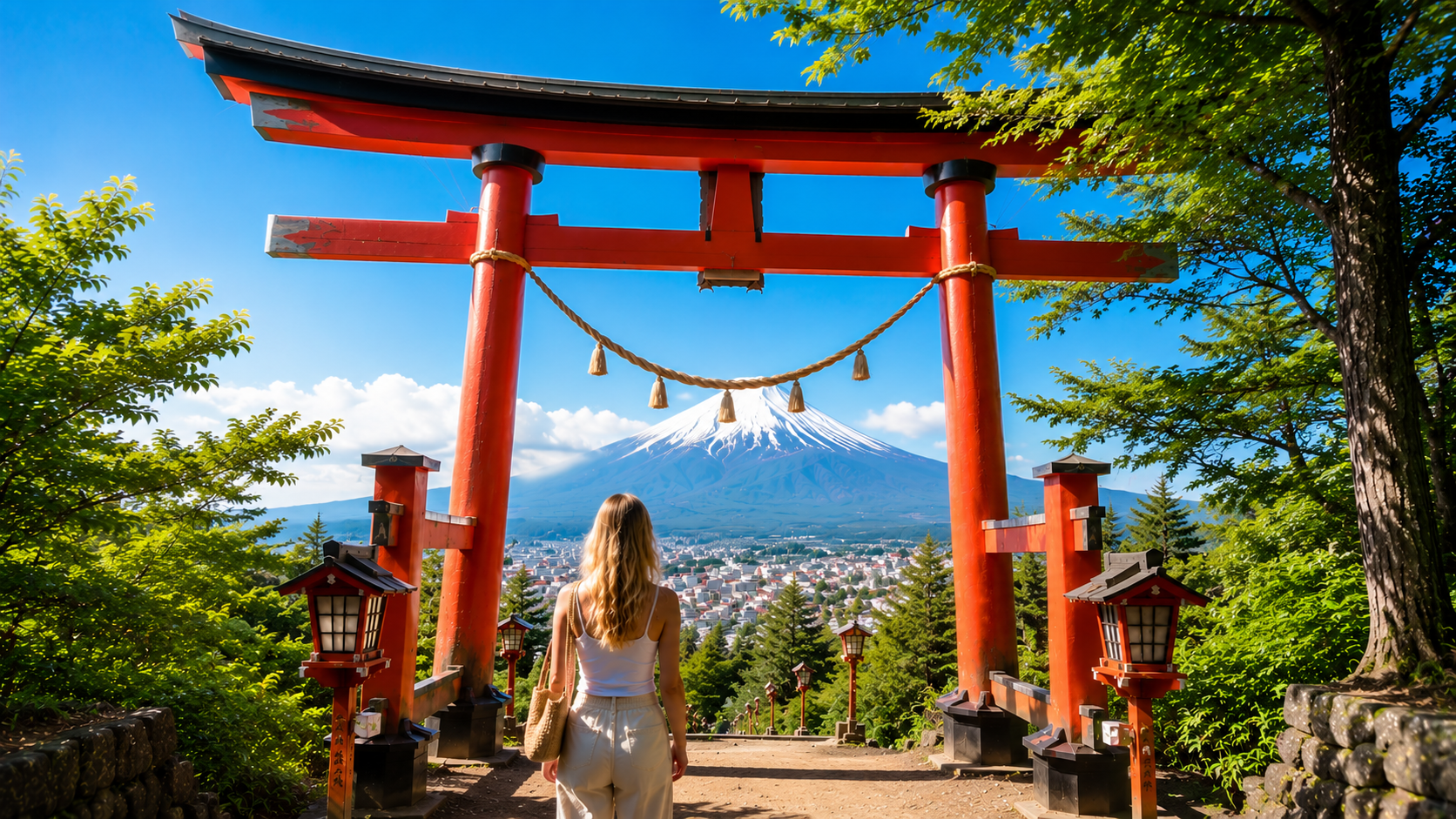
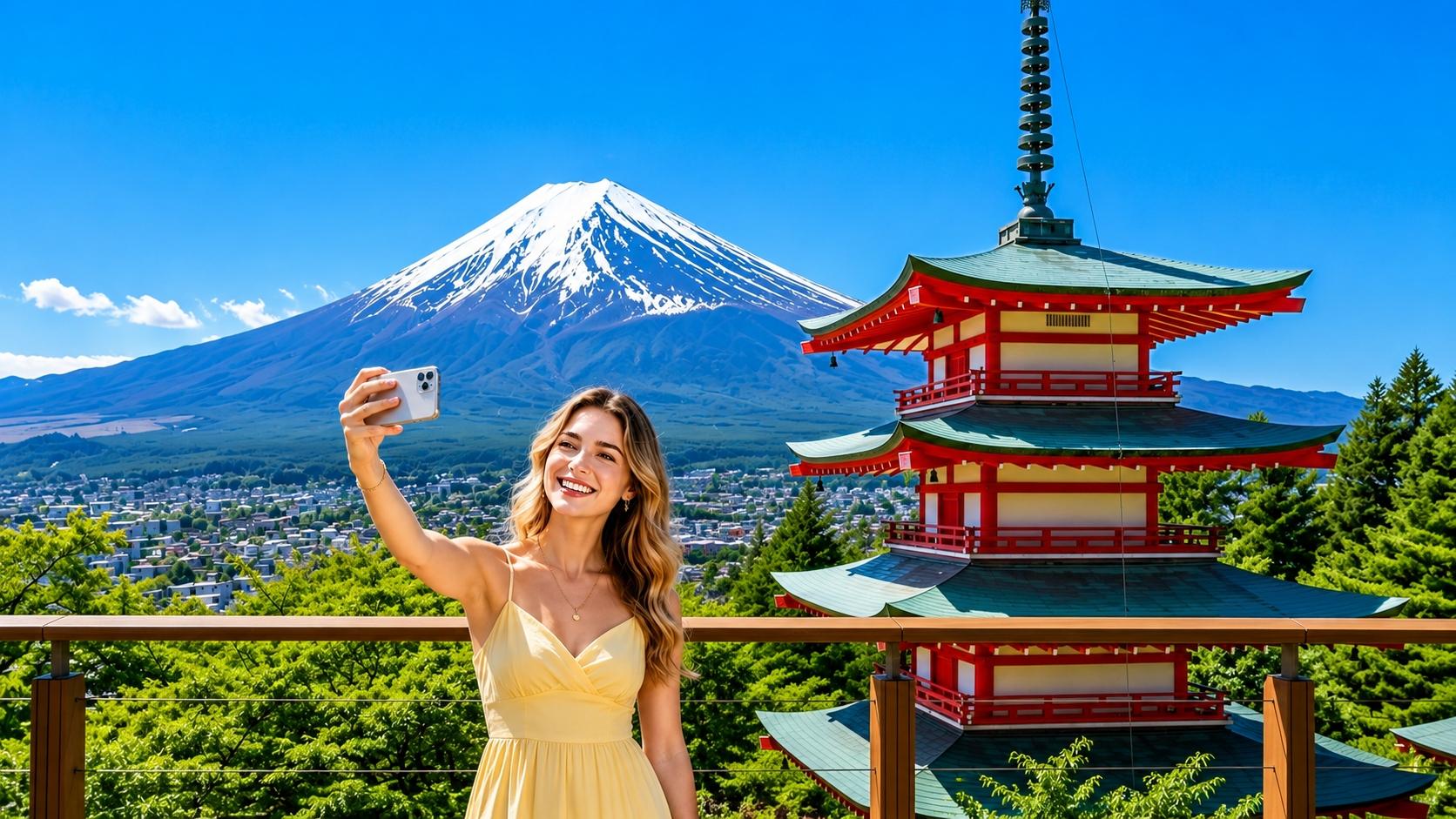
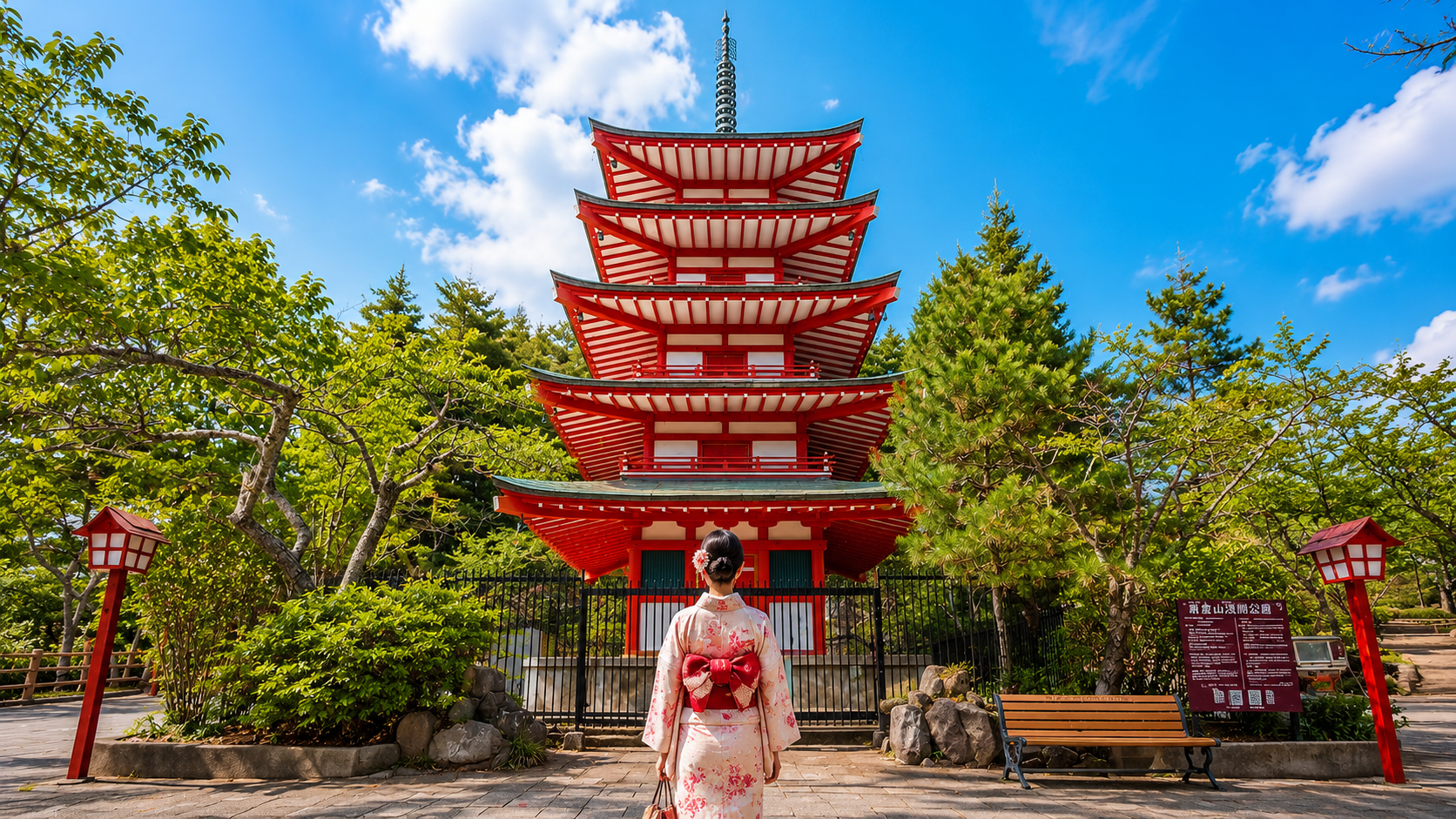
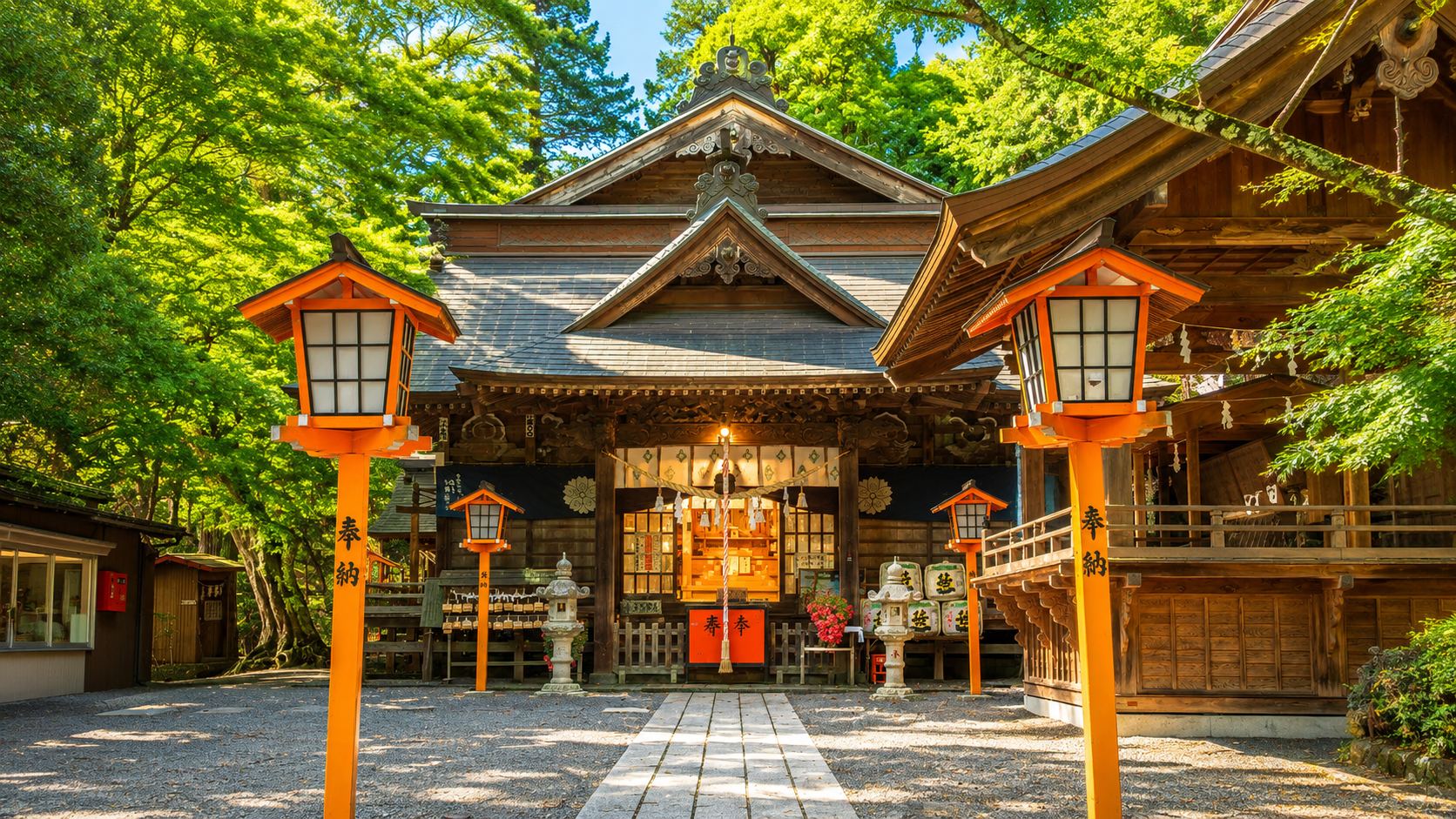
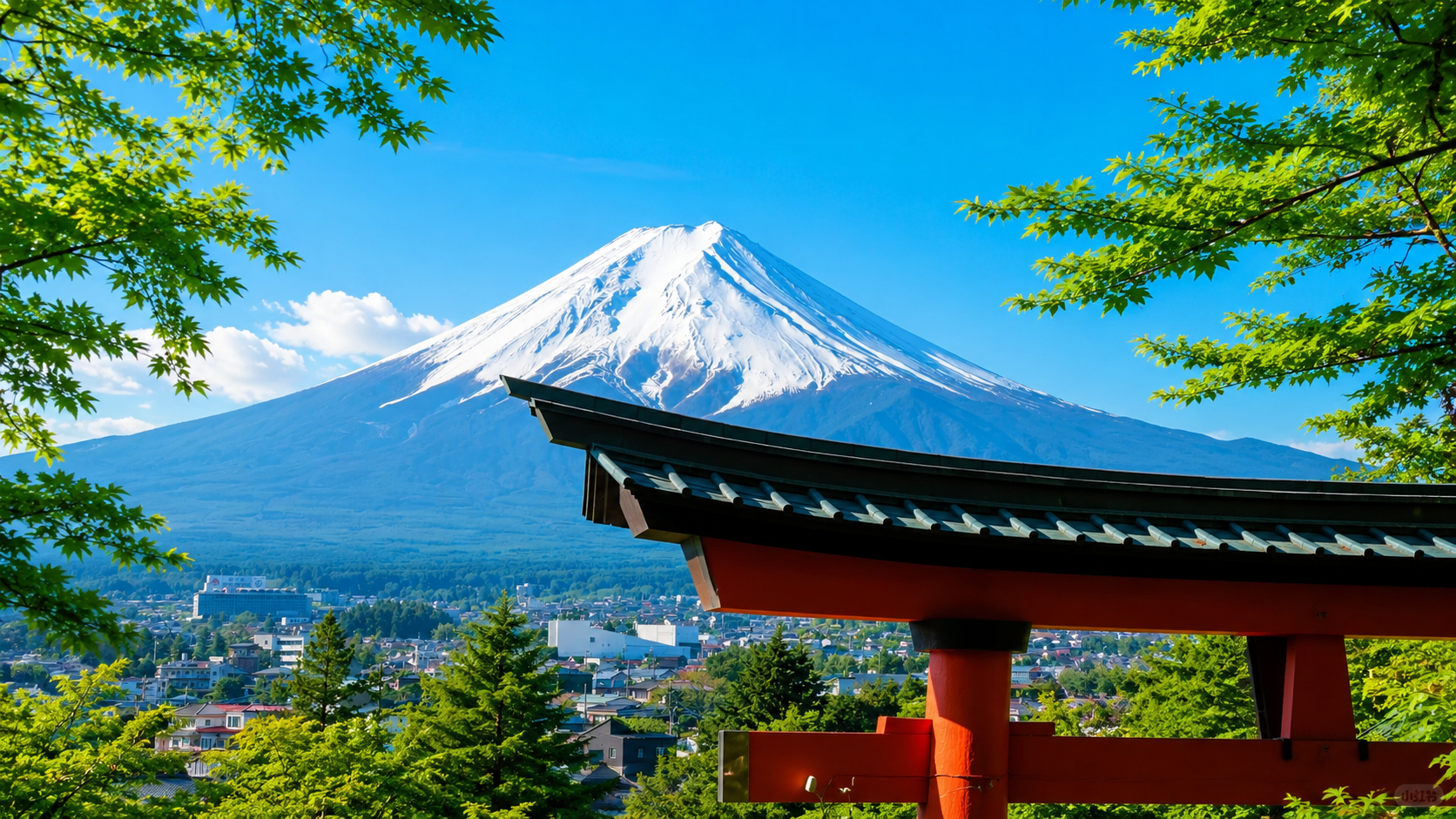
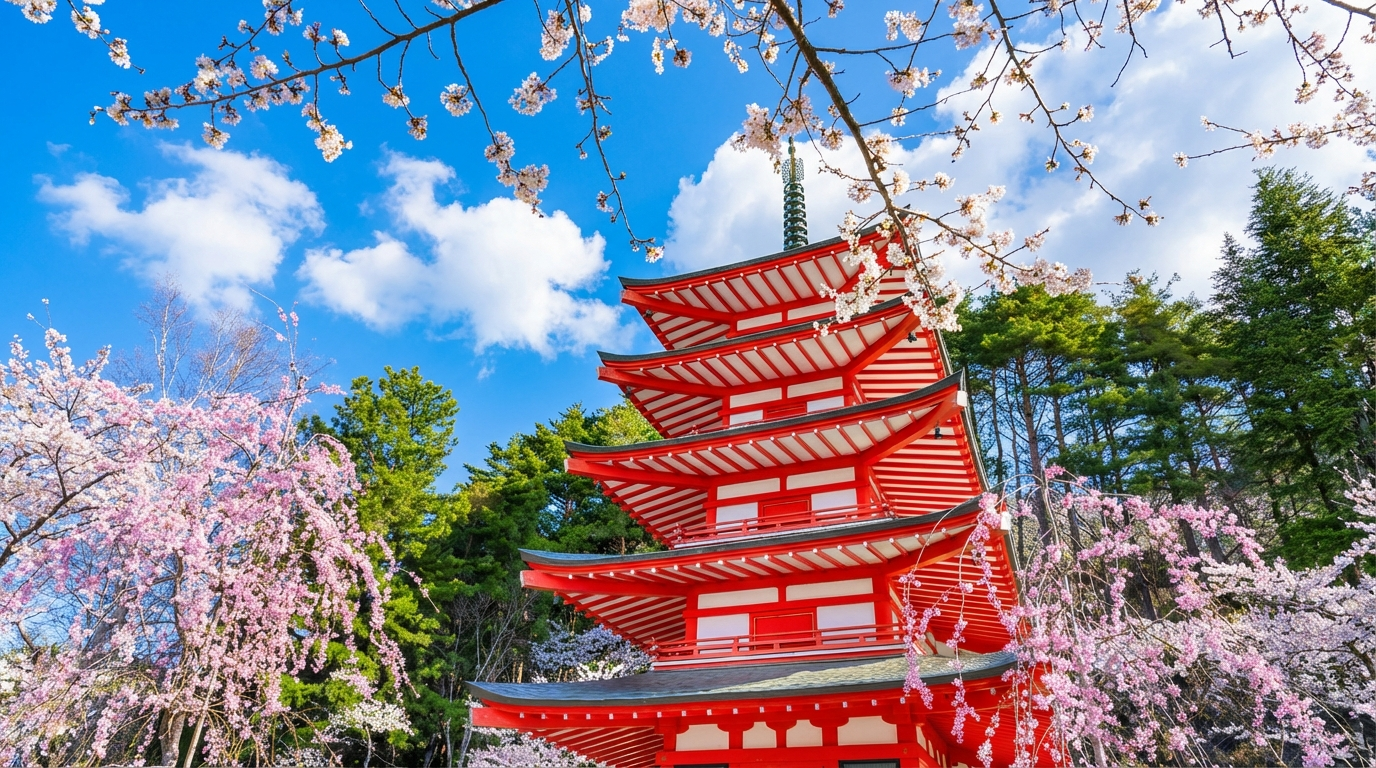
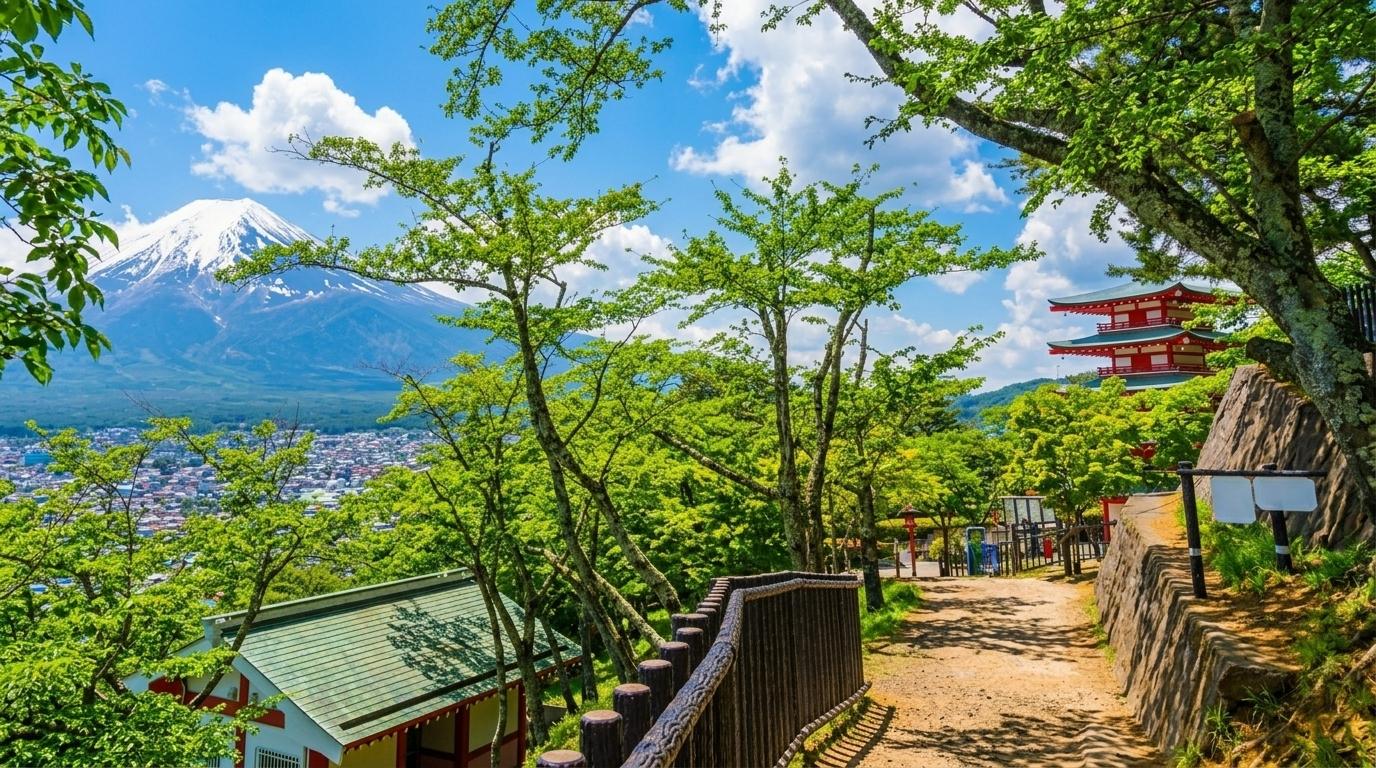
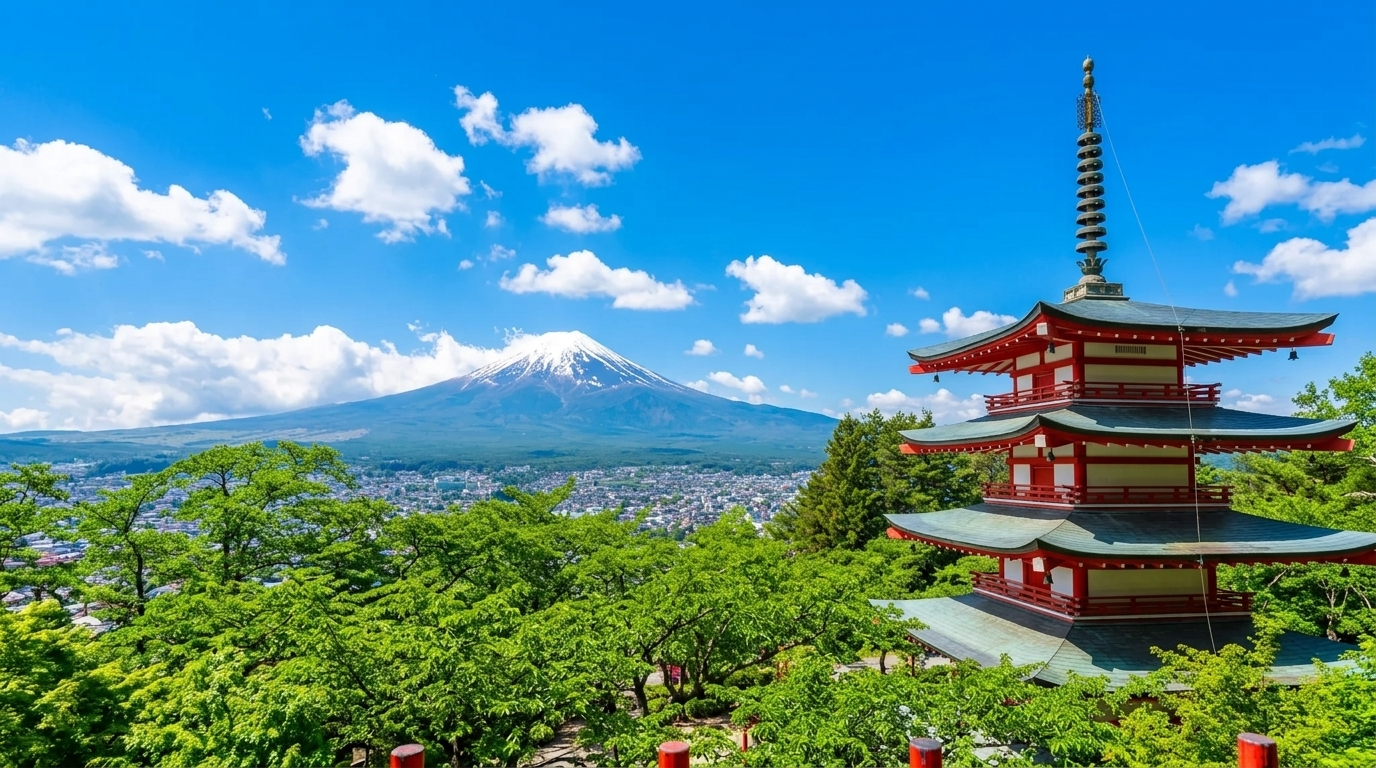
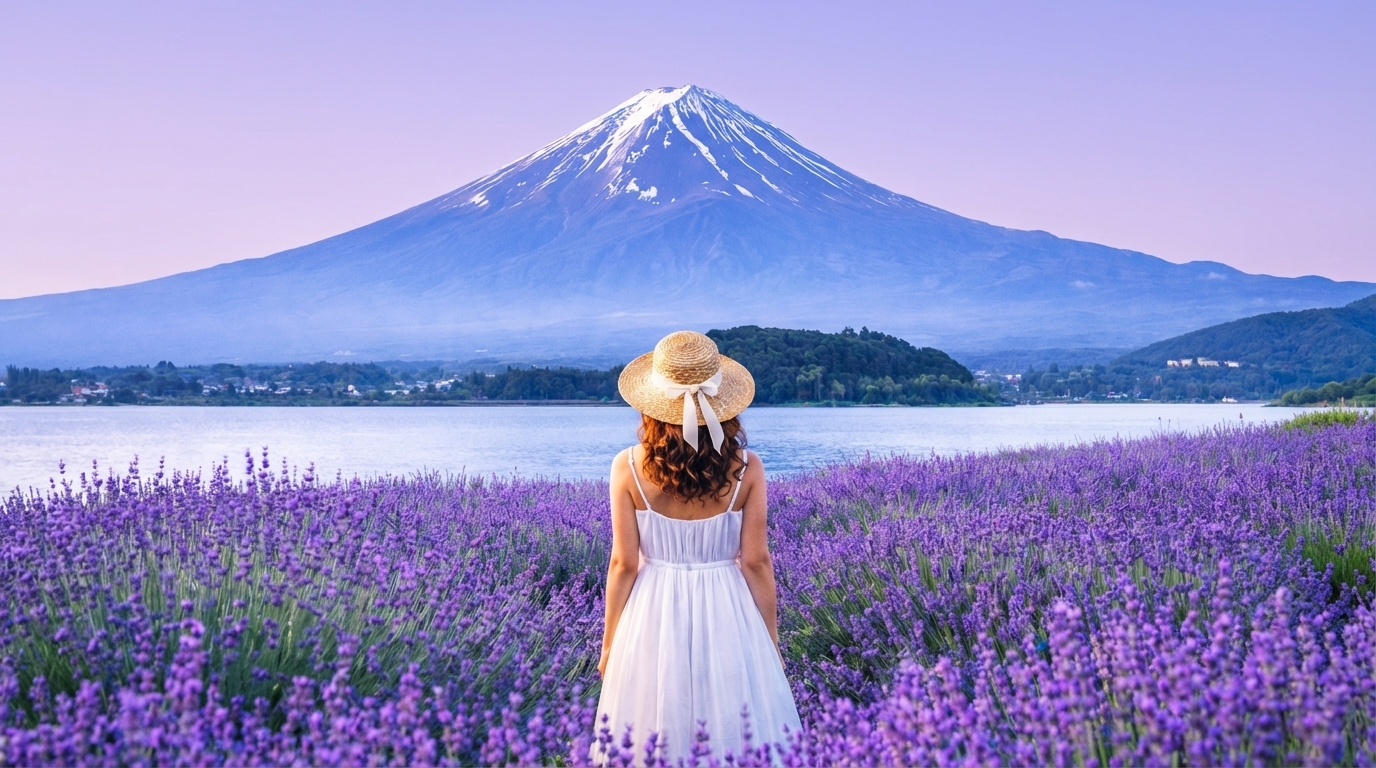
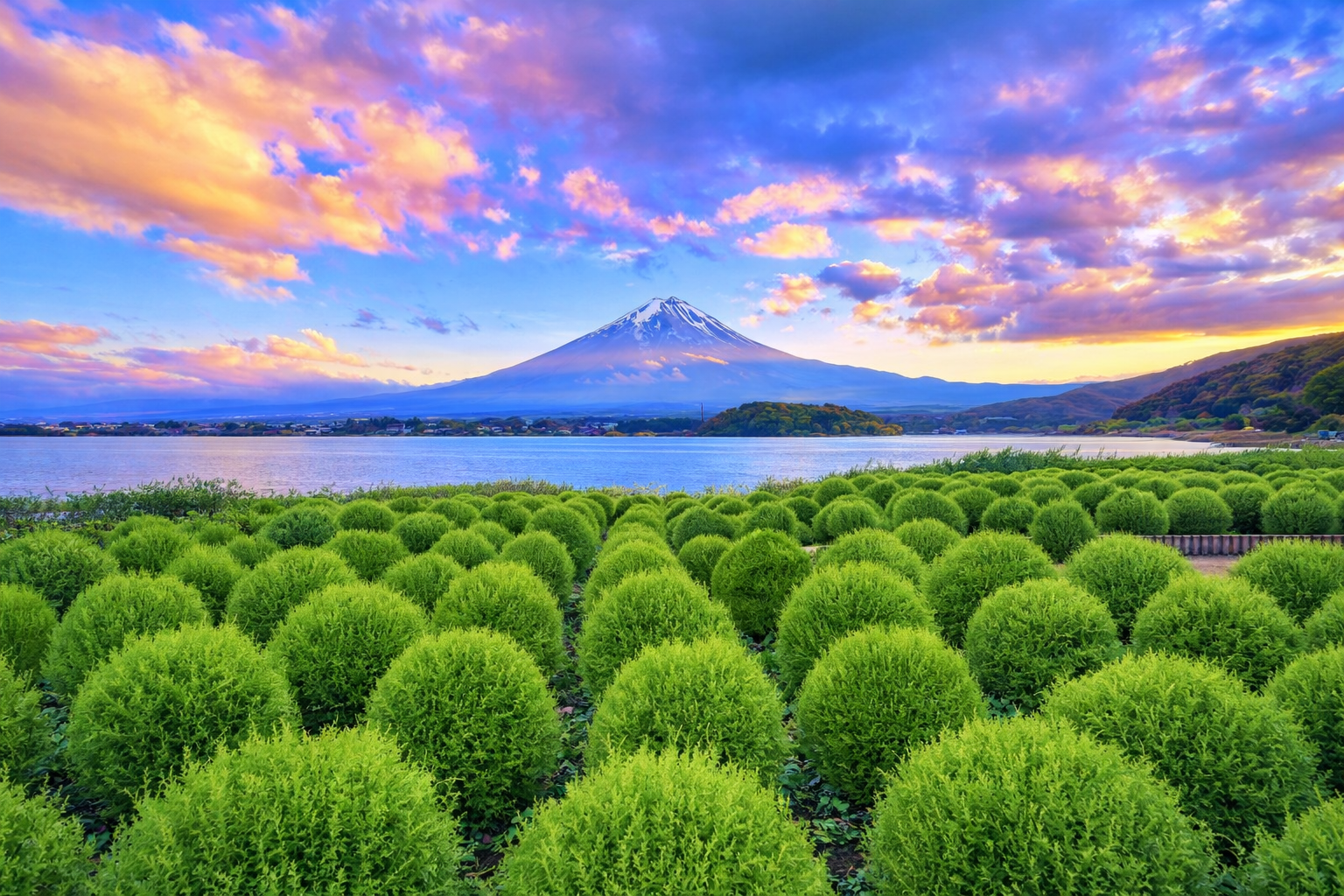
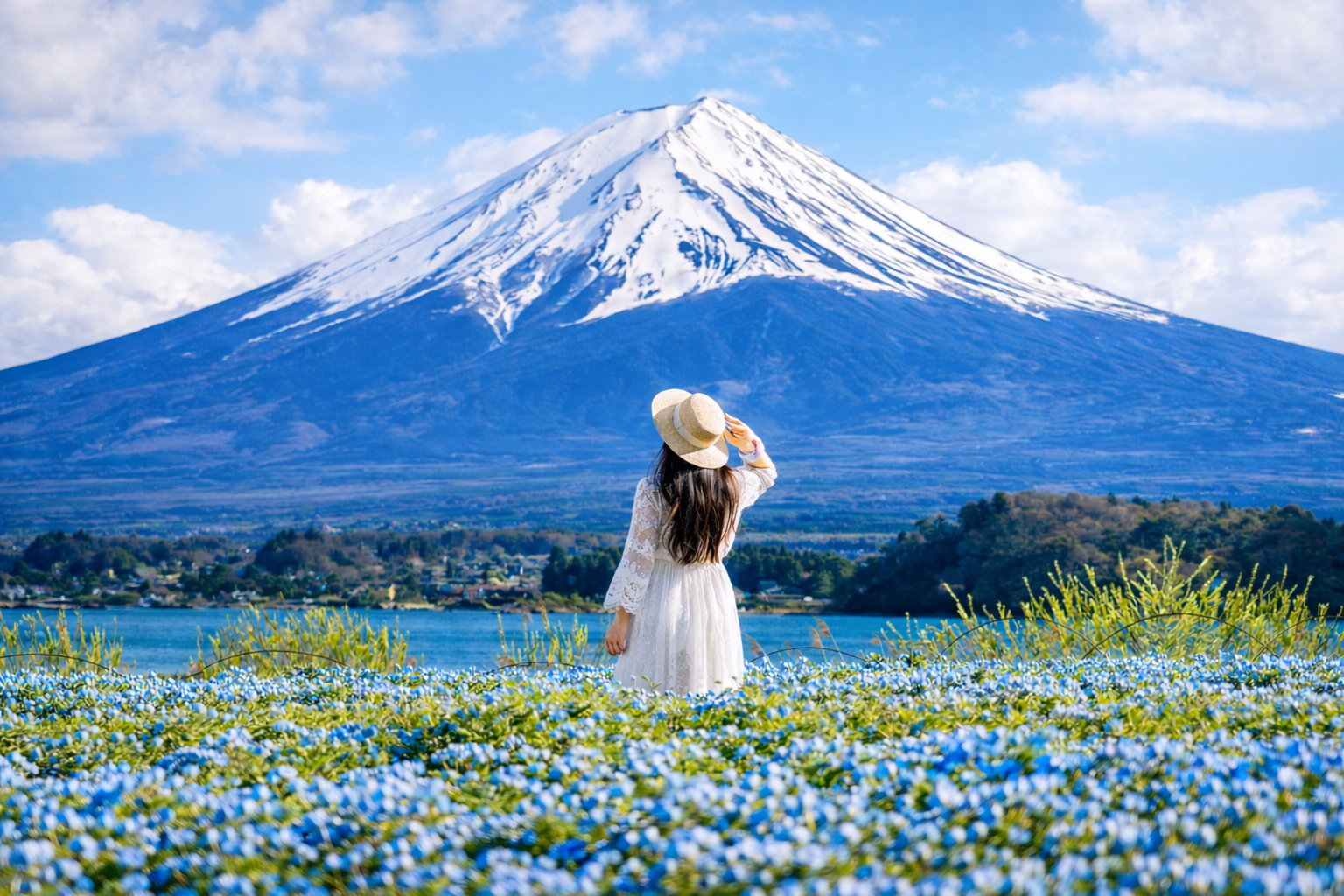
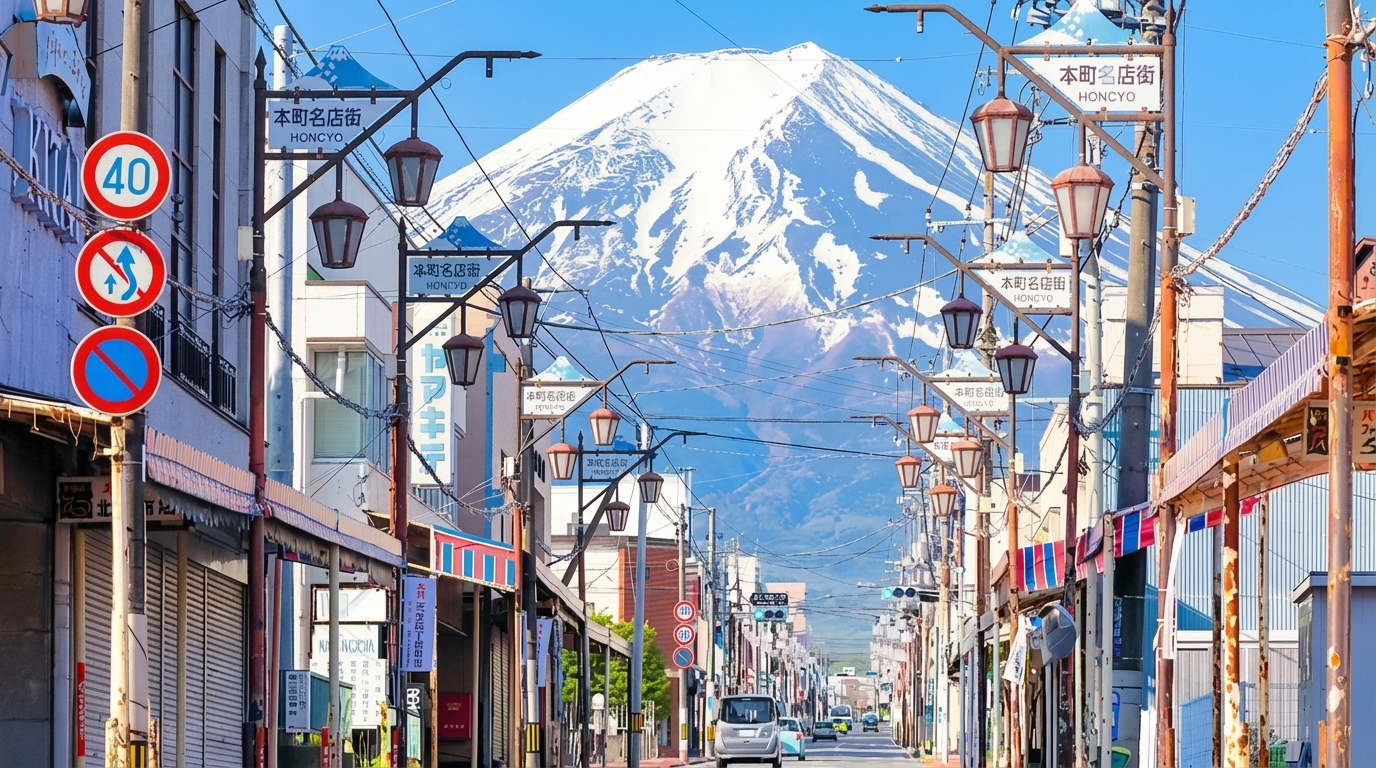
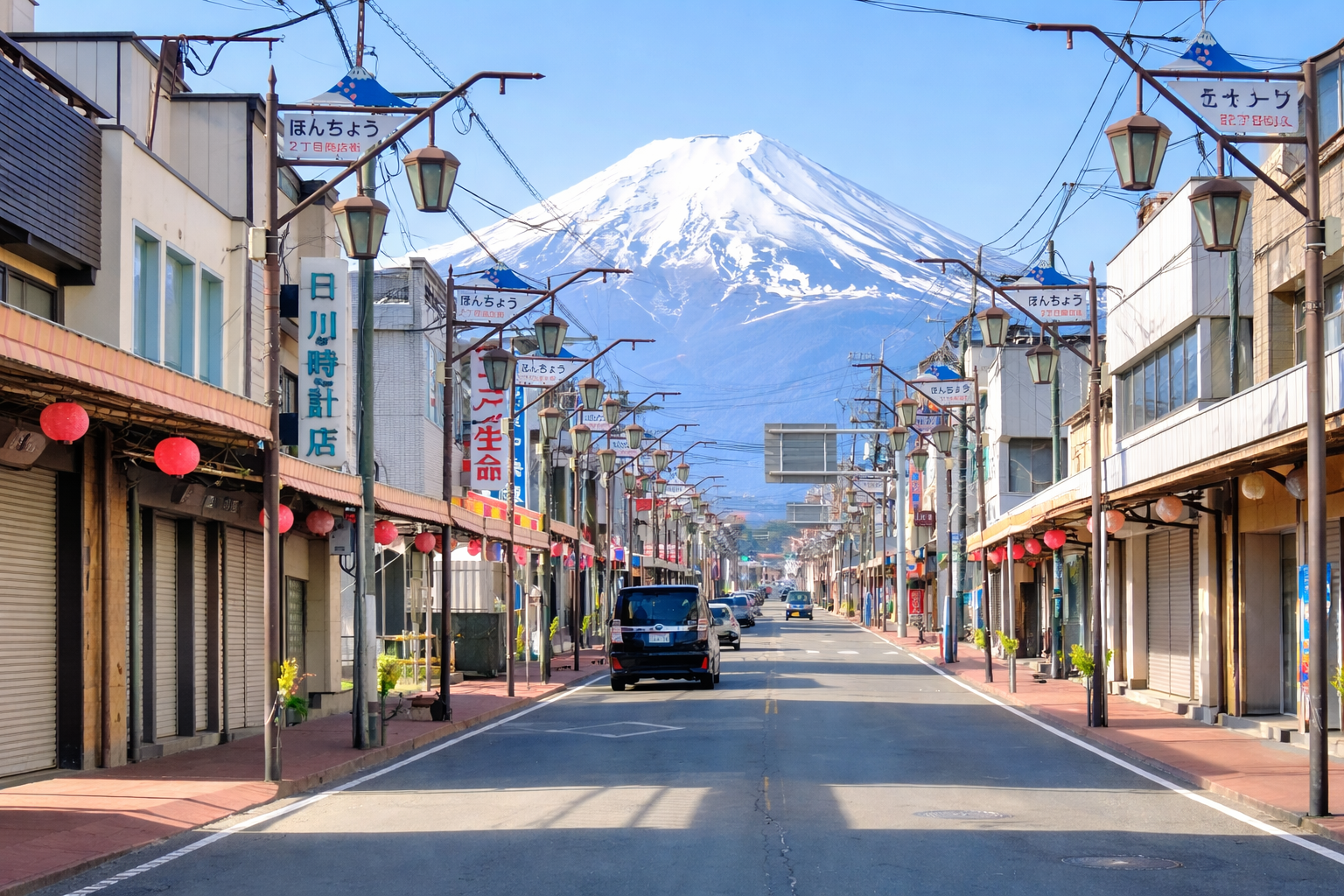

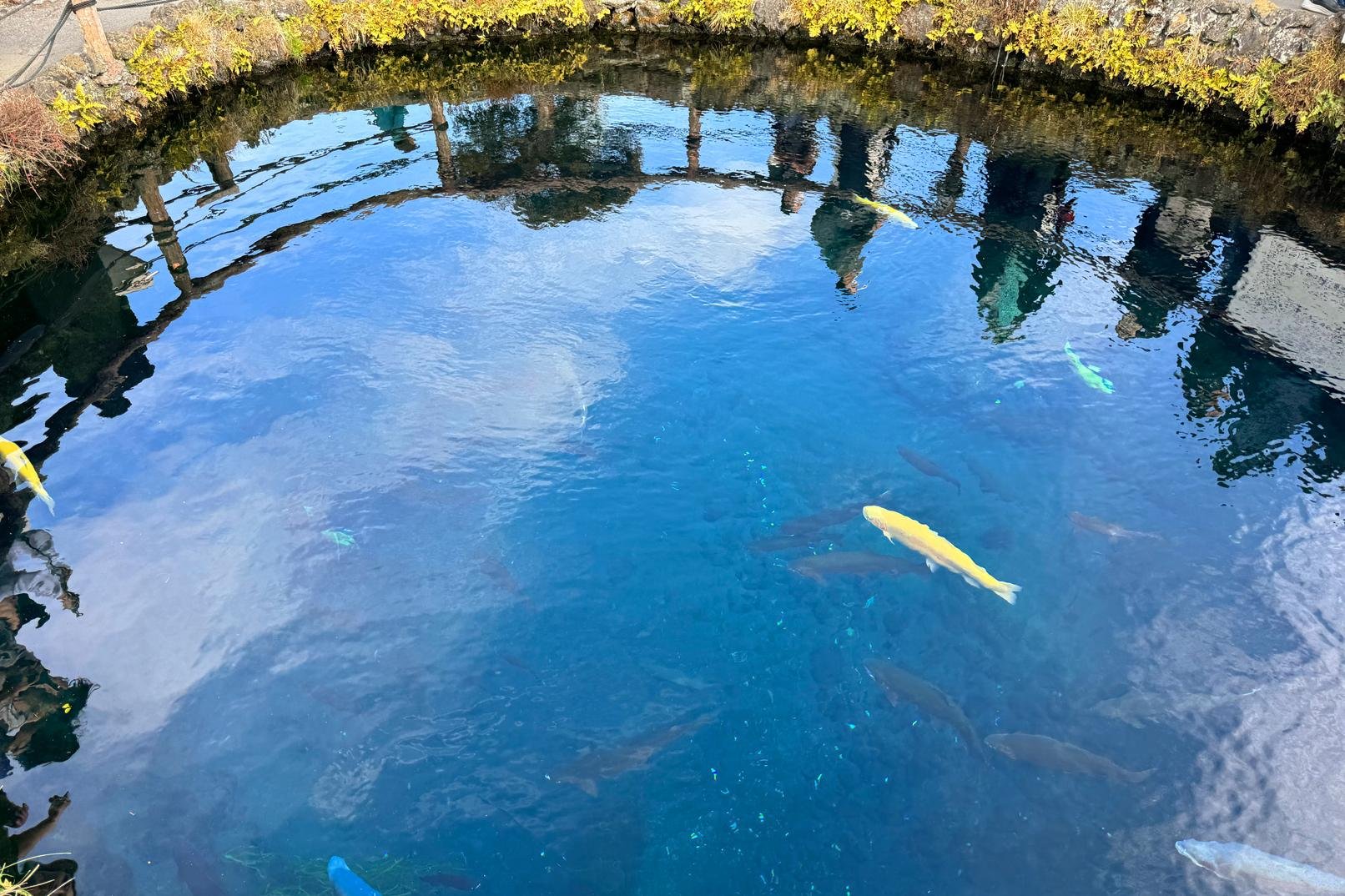
Explore the iconic beauty of Mt. Fuji on this full-day excursion visiting lakes, historic shrines, and famous photo spots.
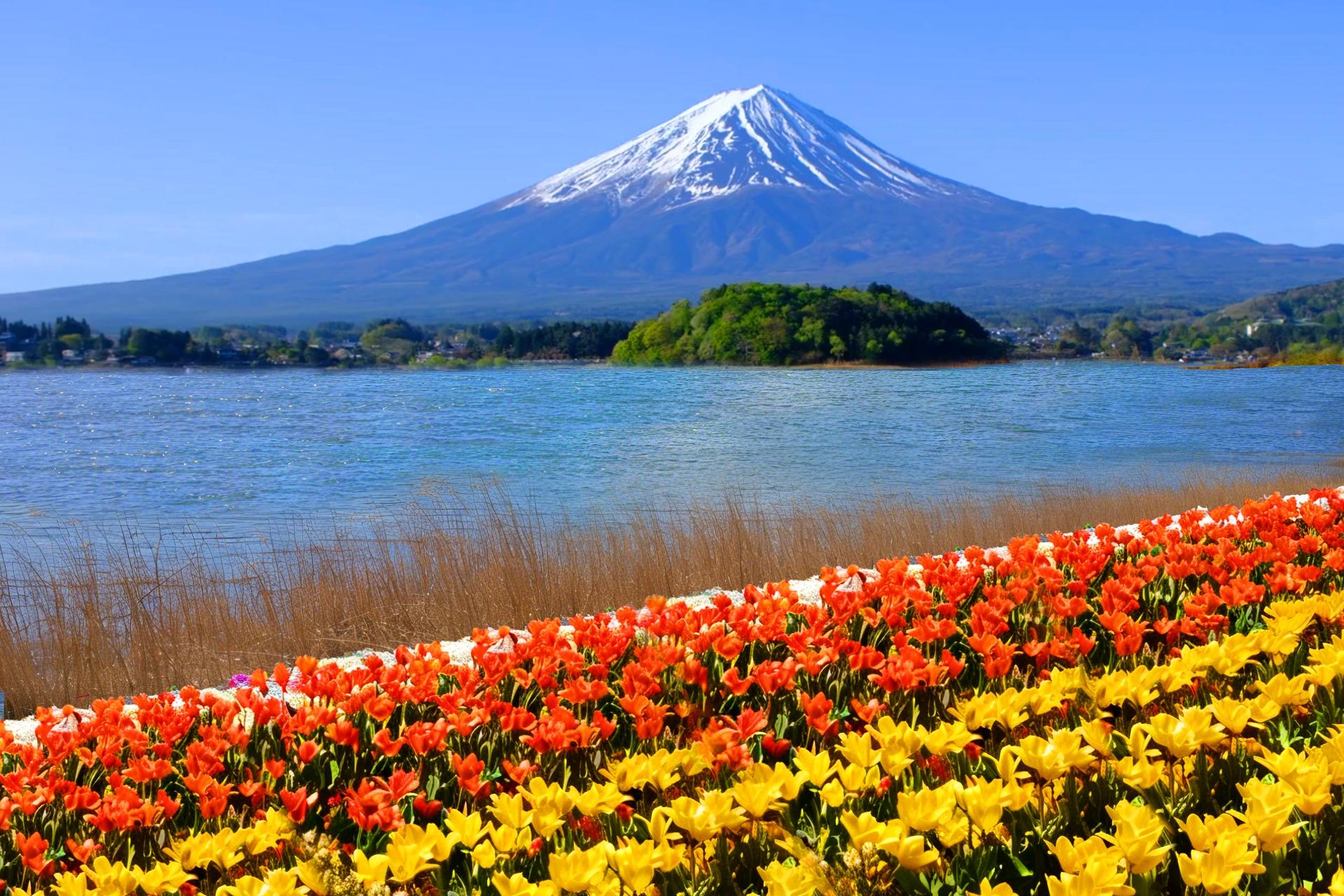
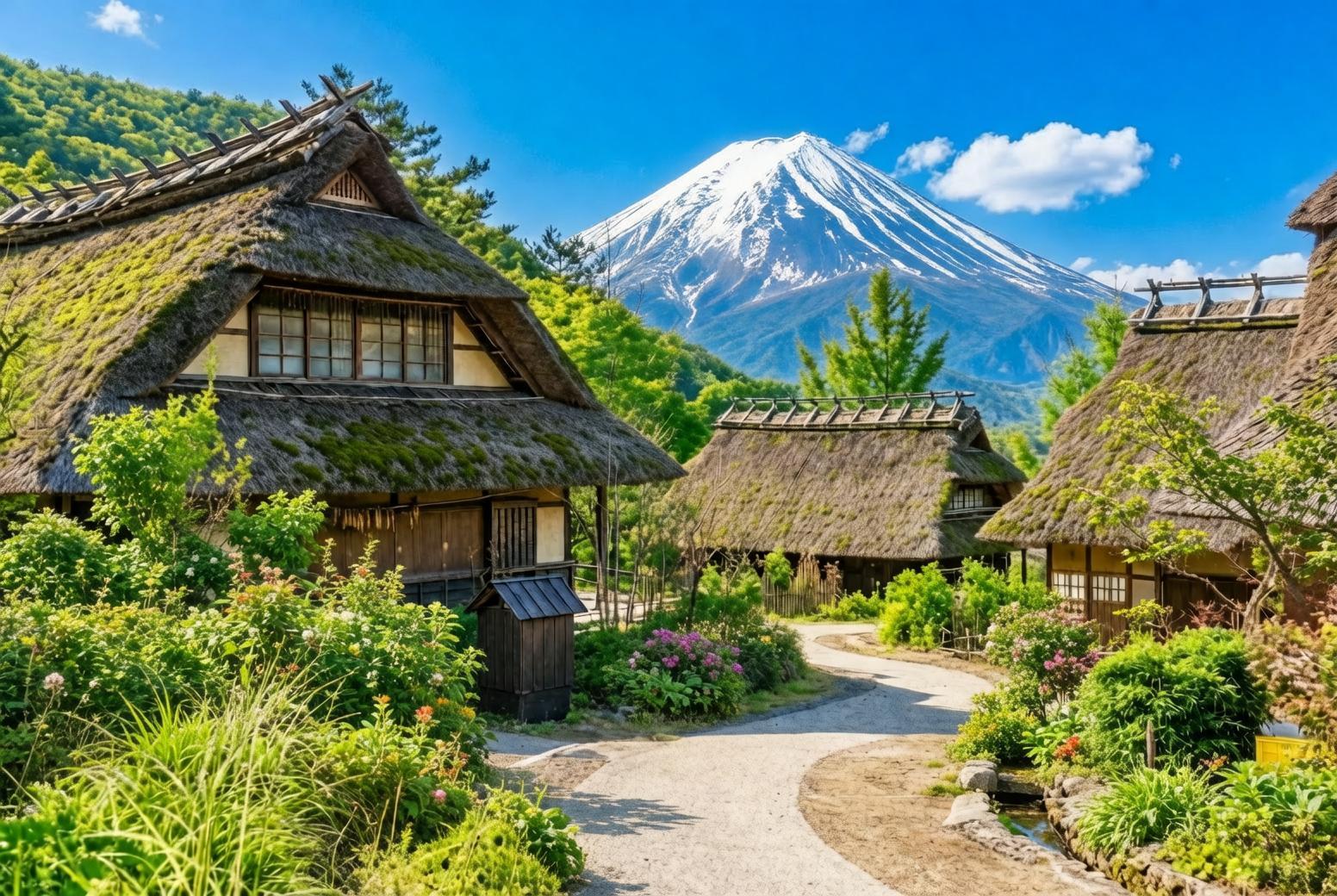
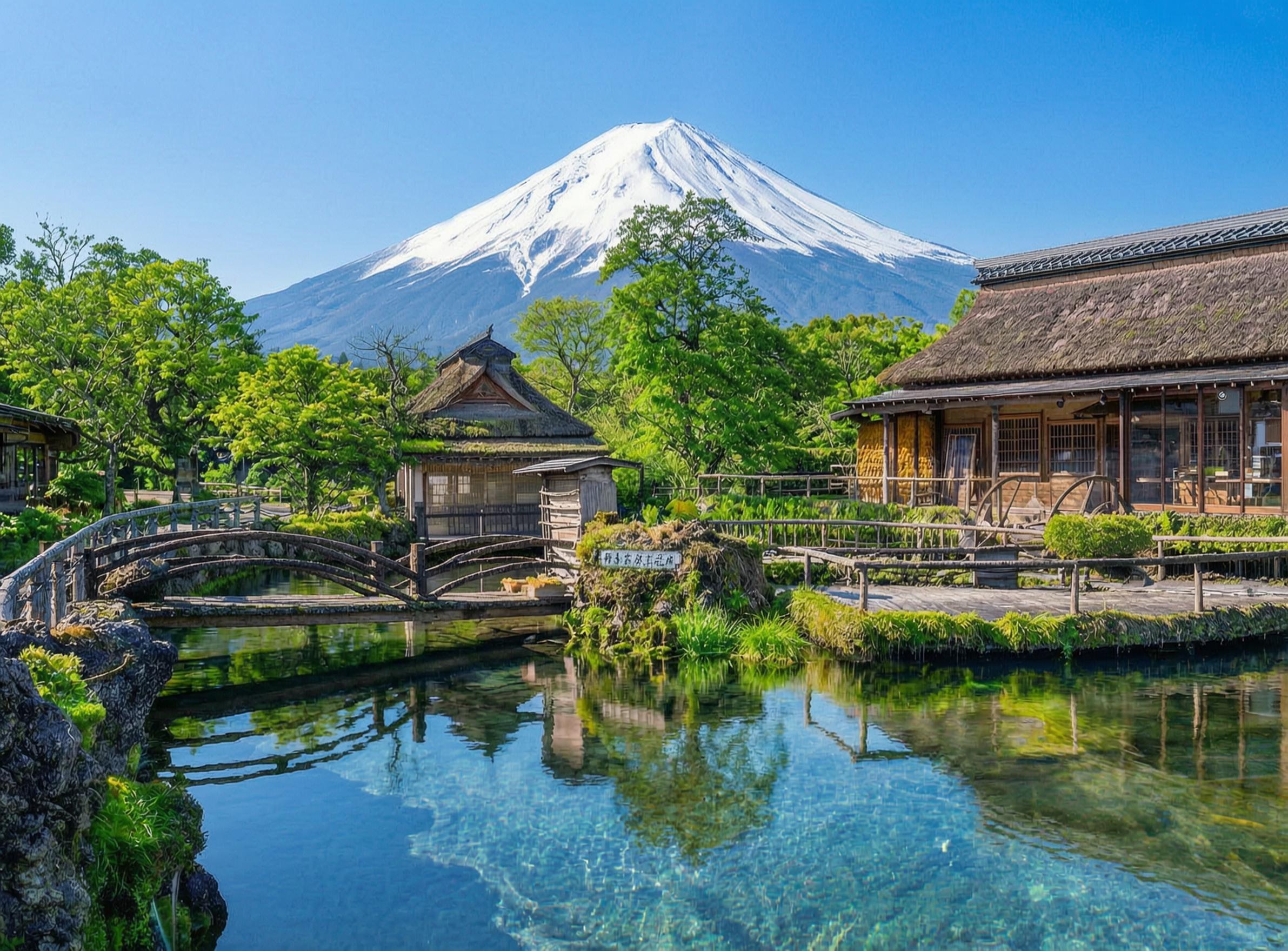
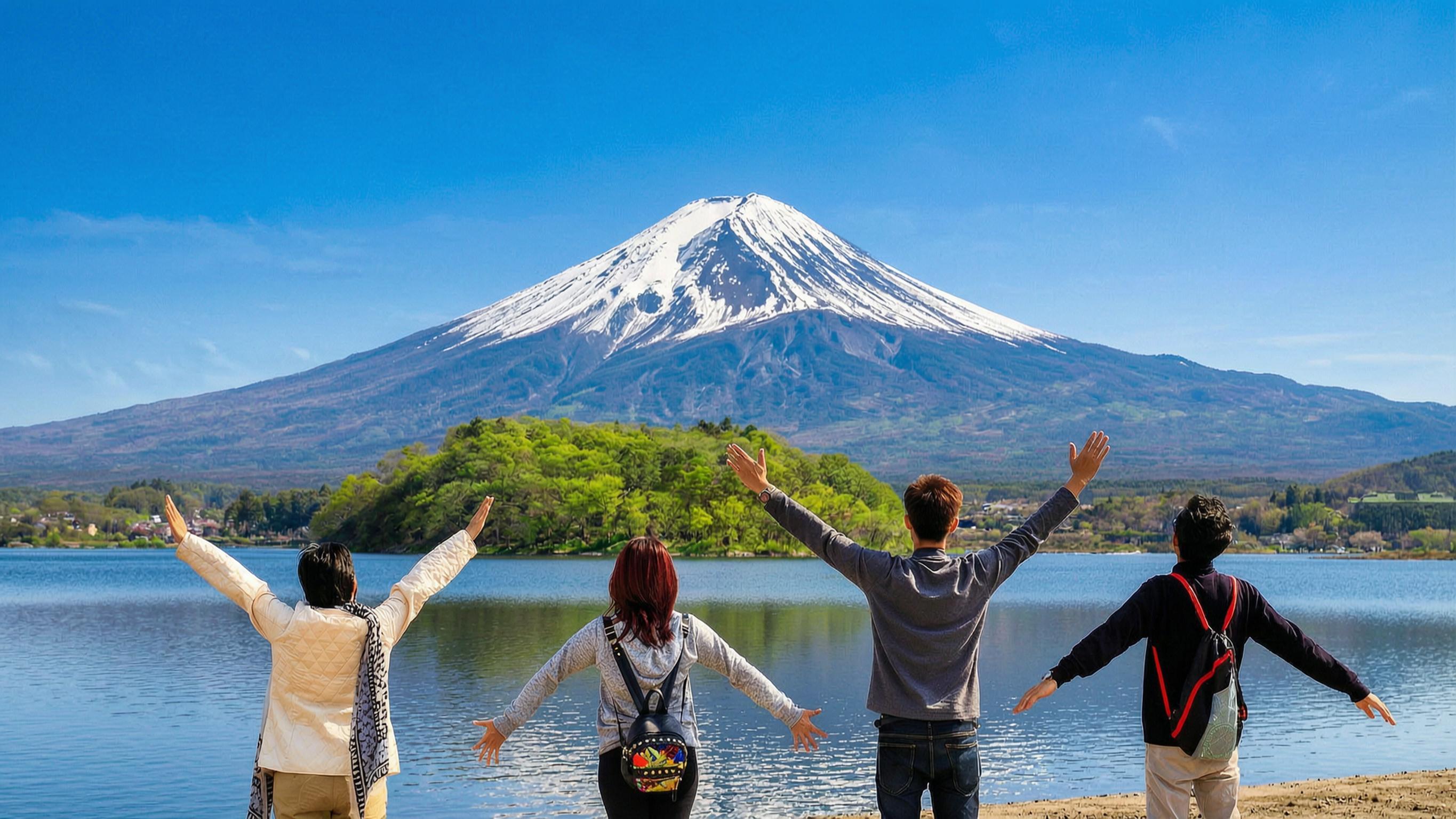
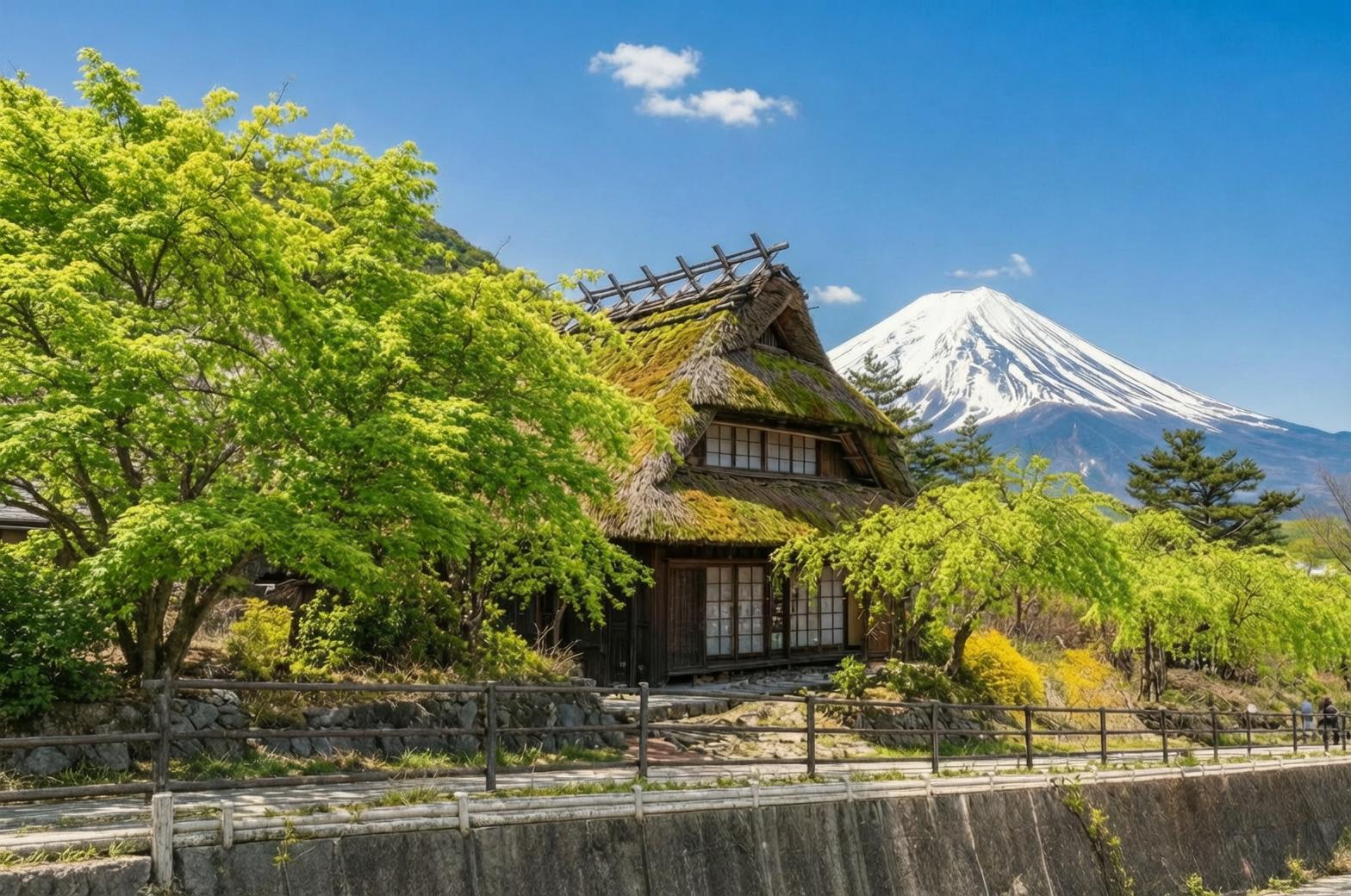
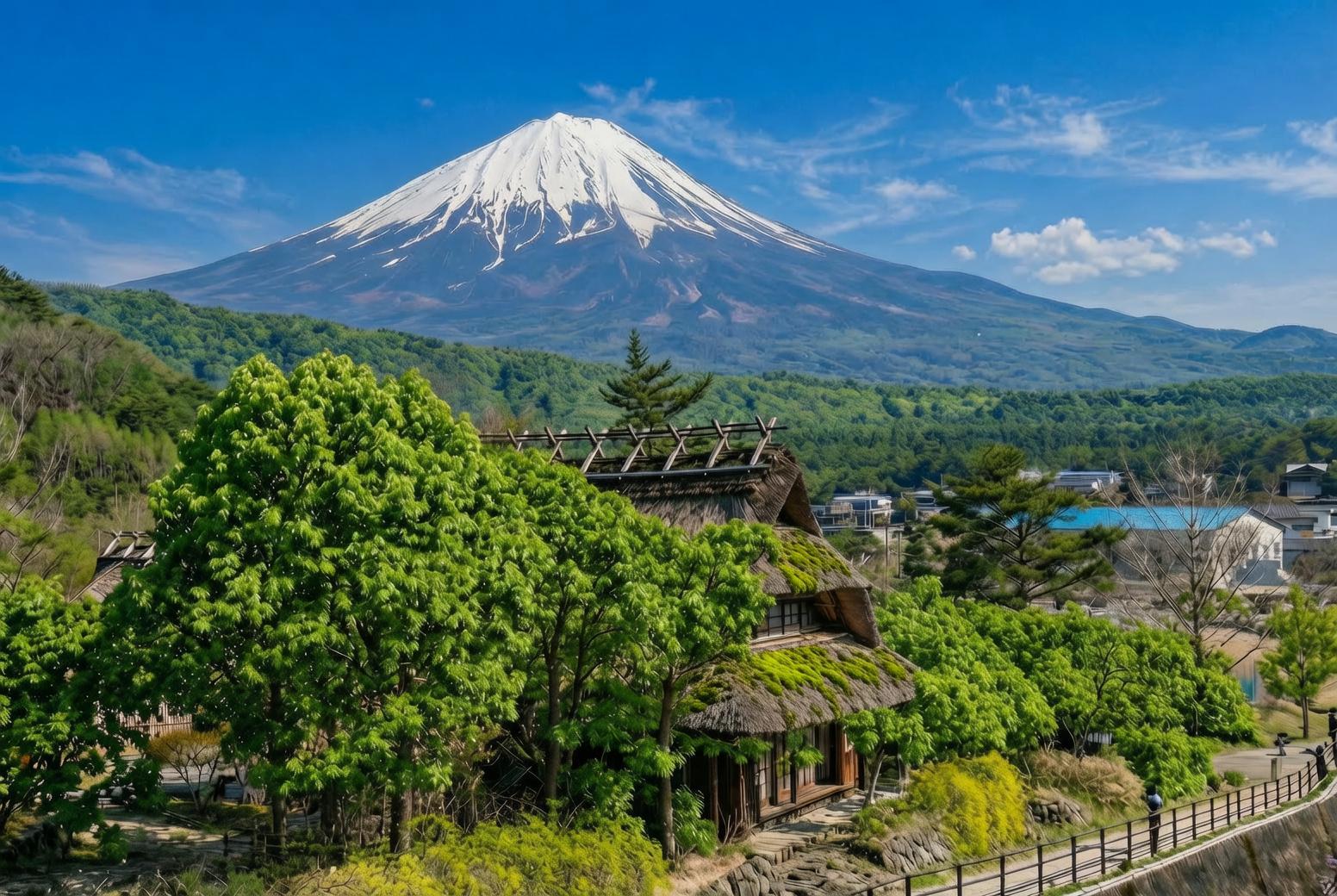
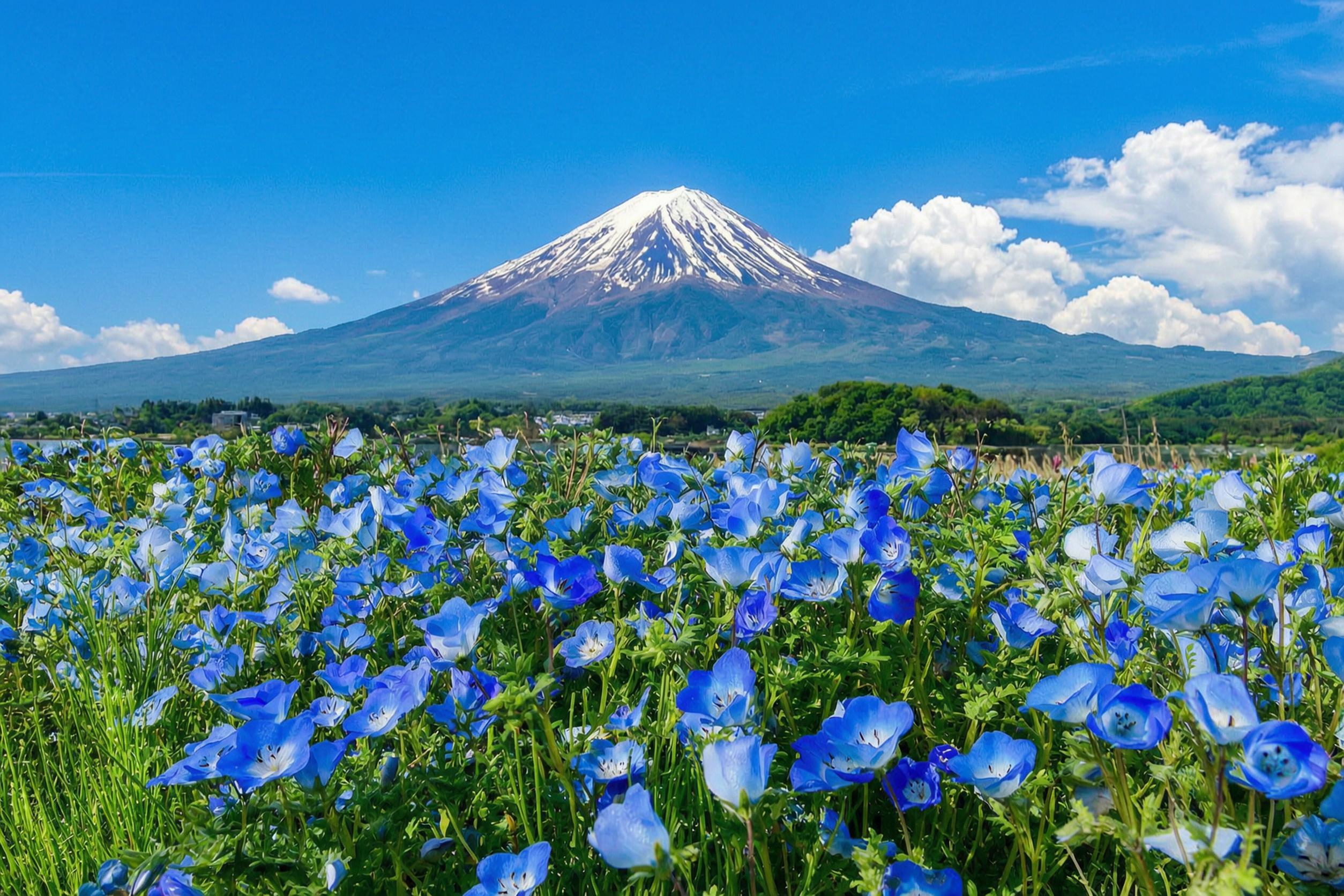
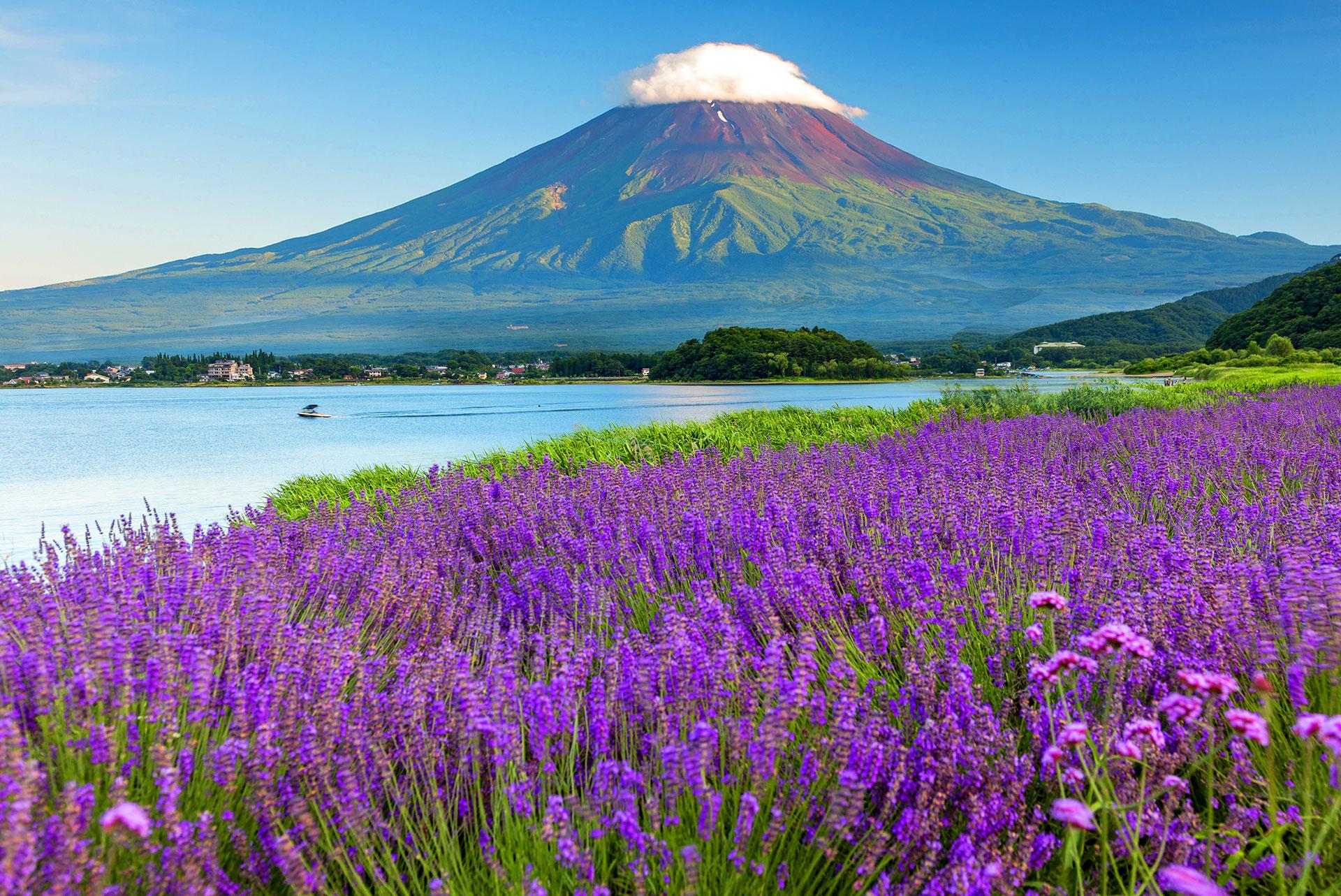
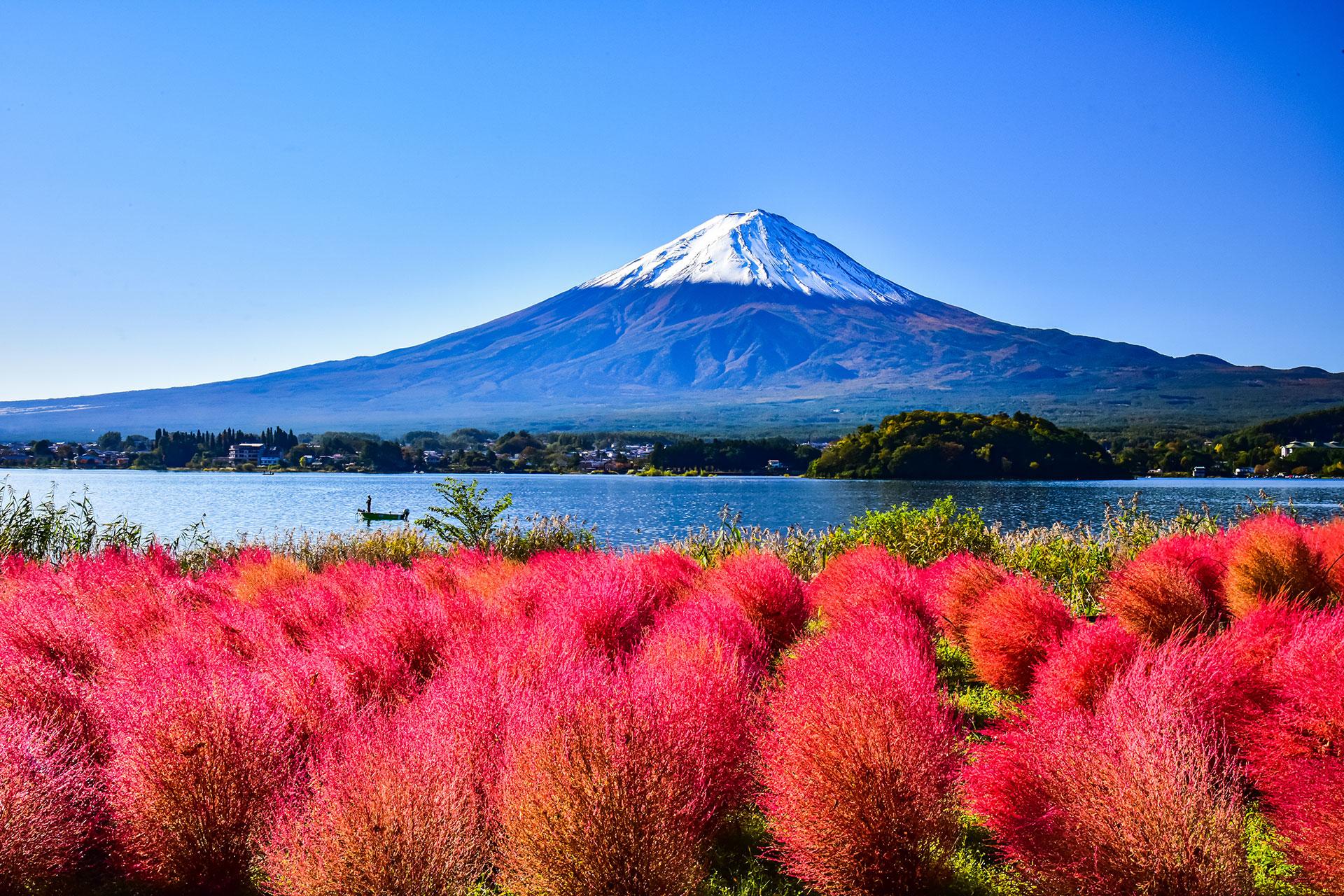
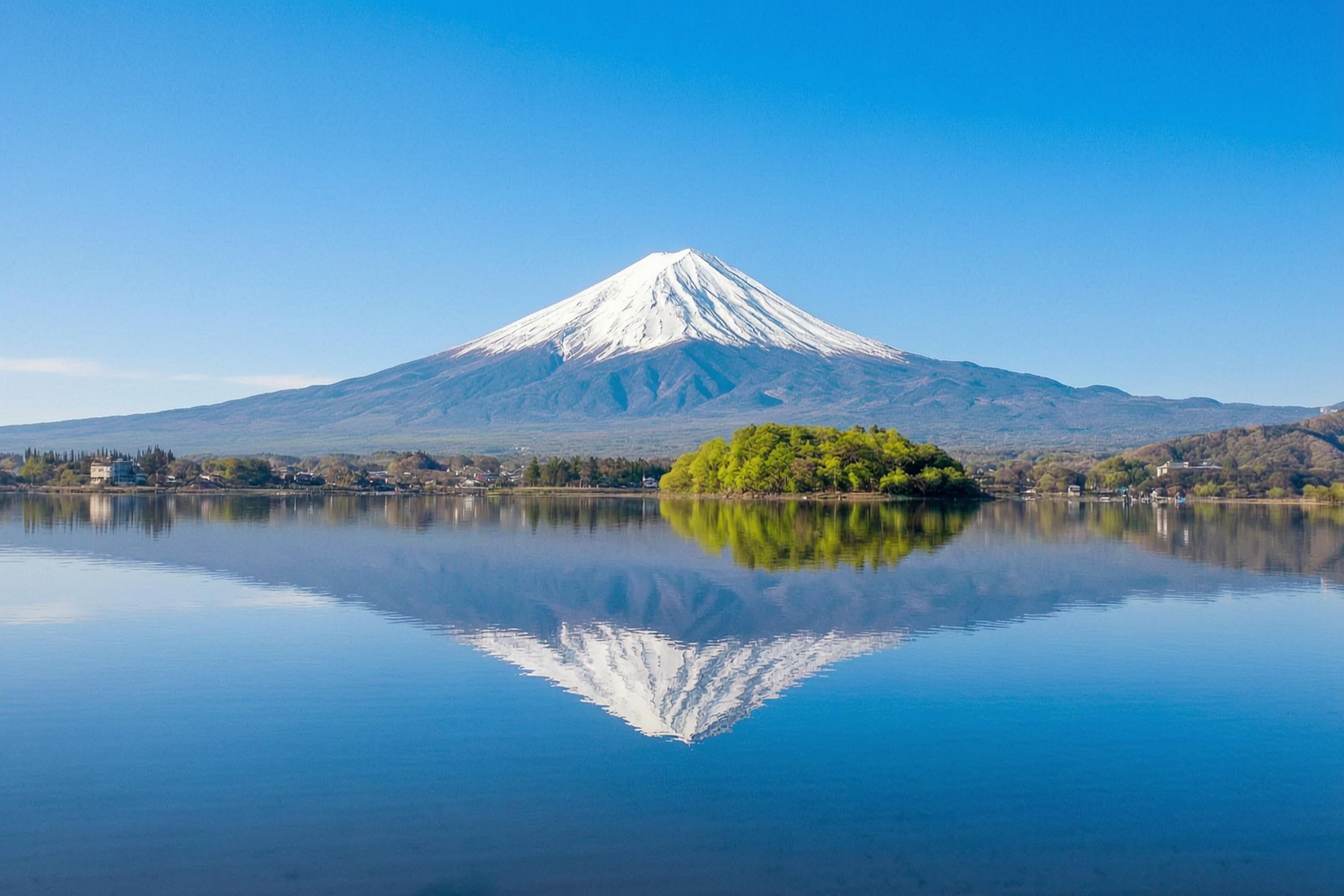
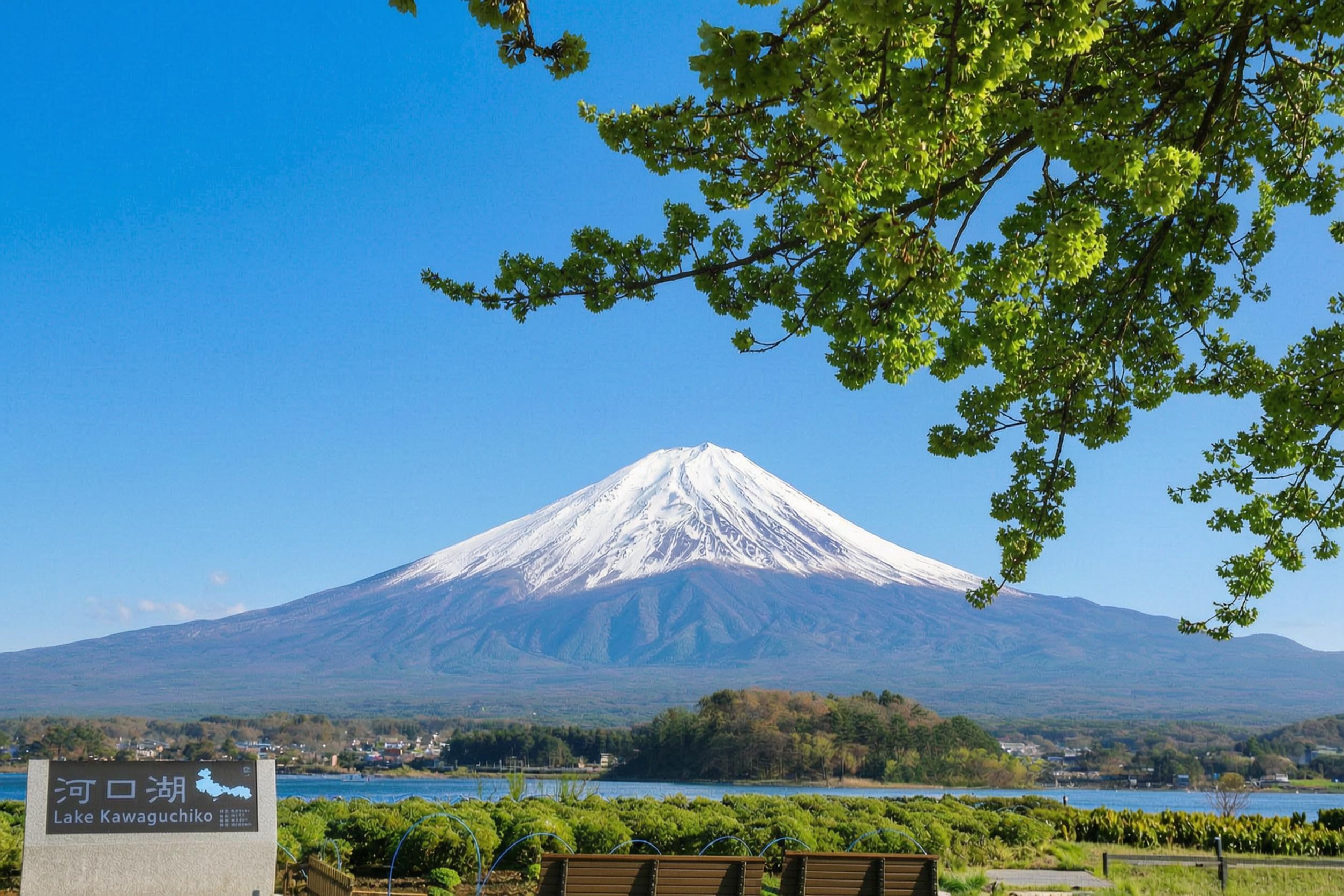
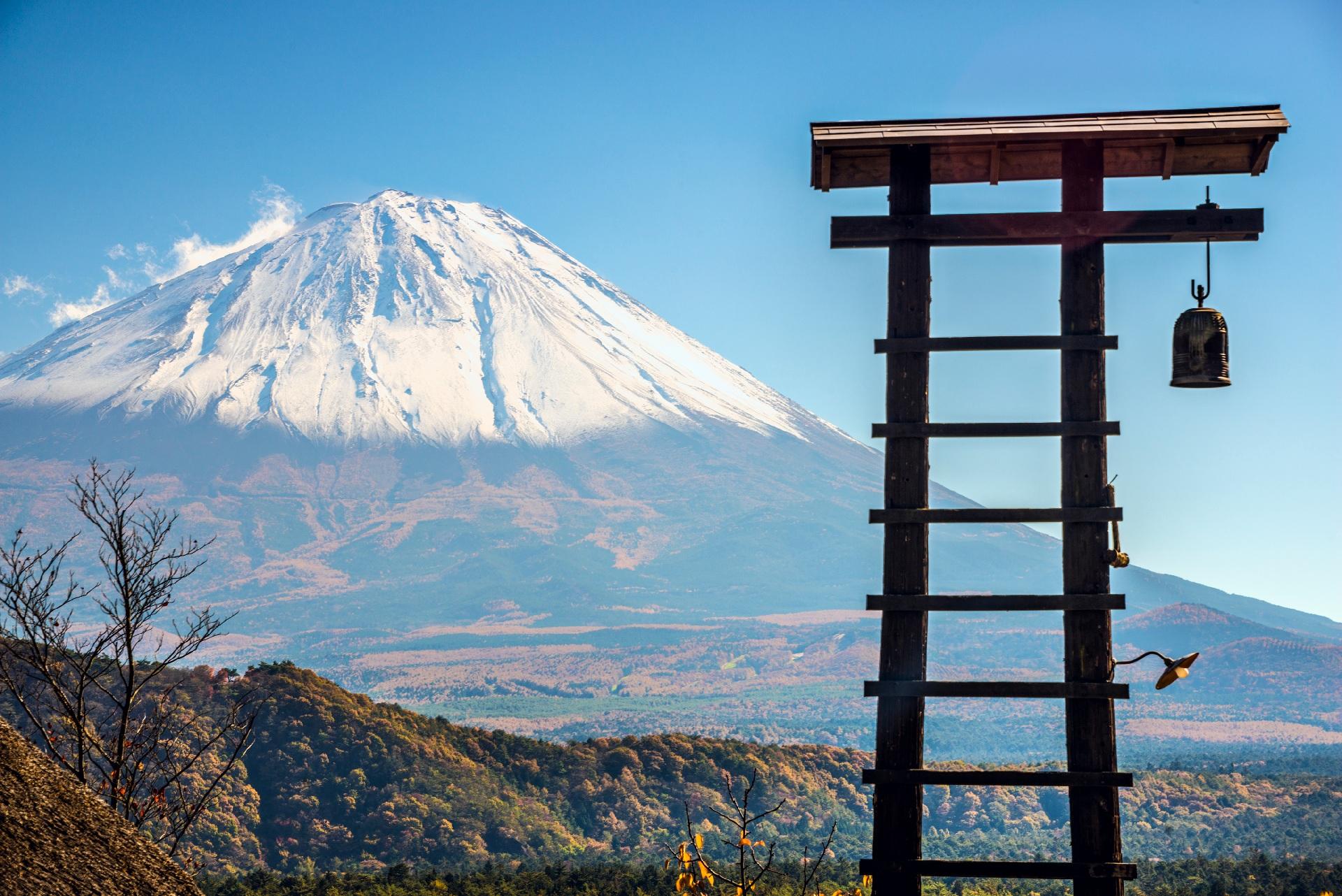
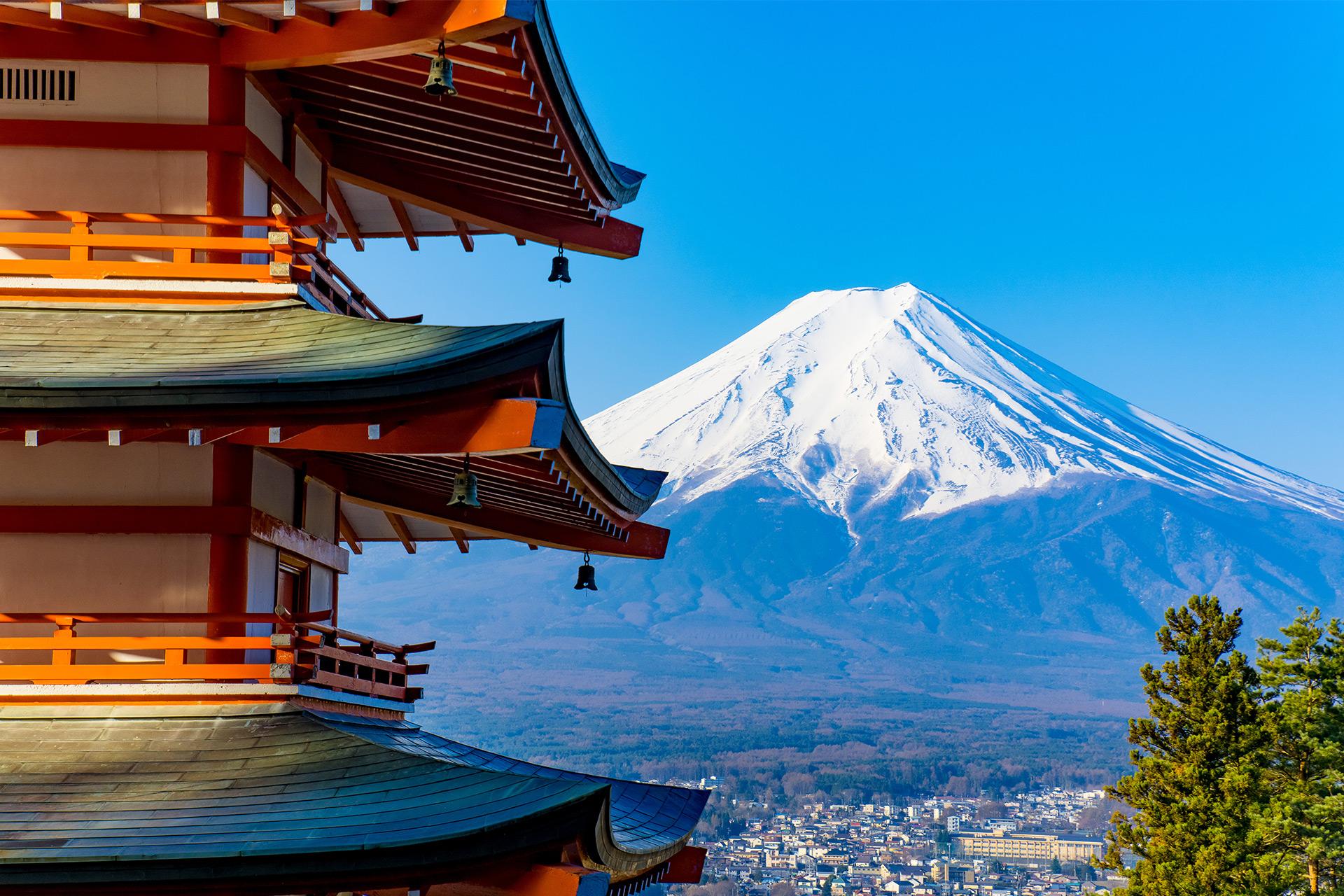
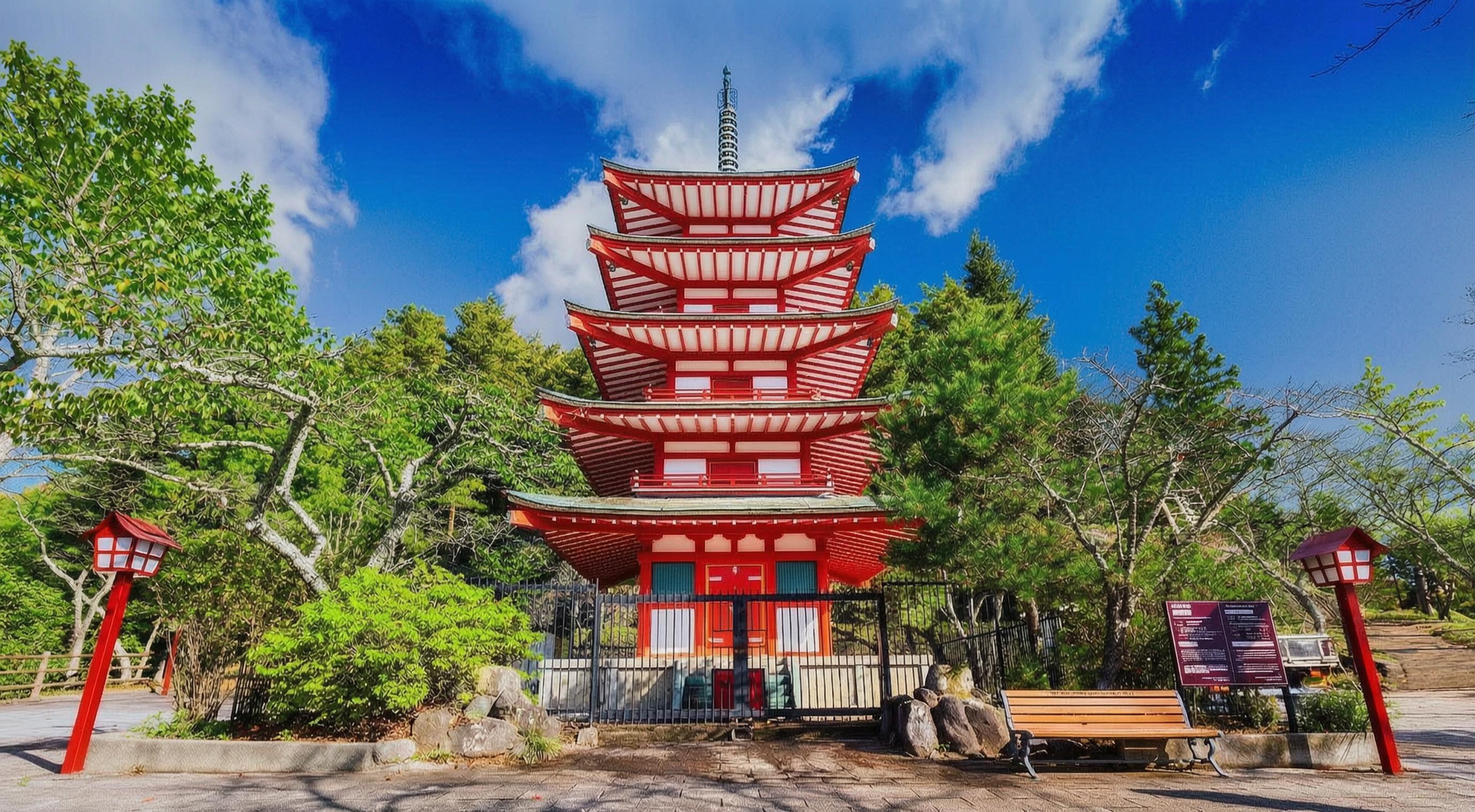
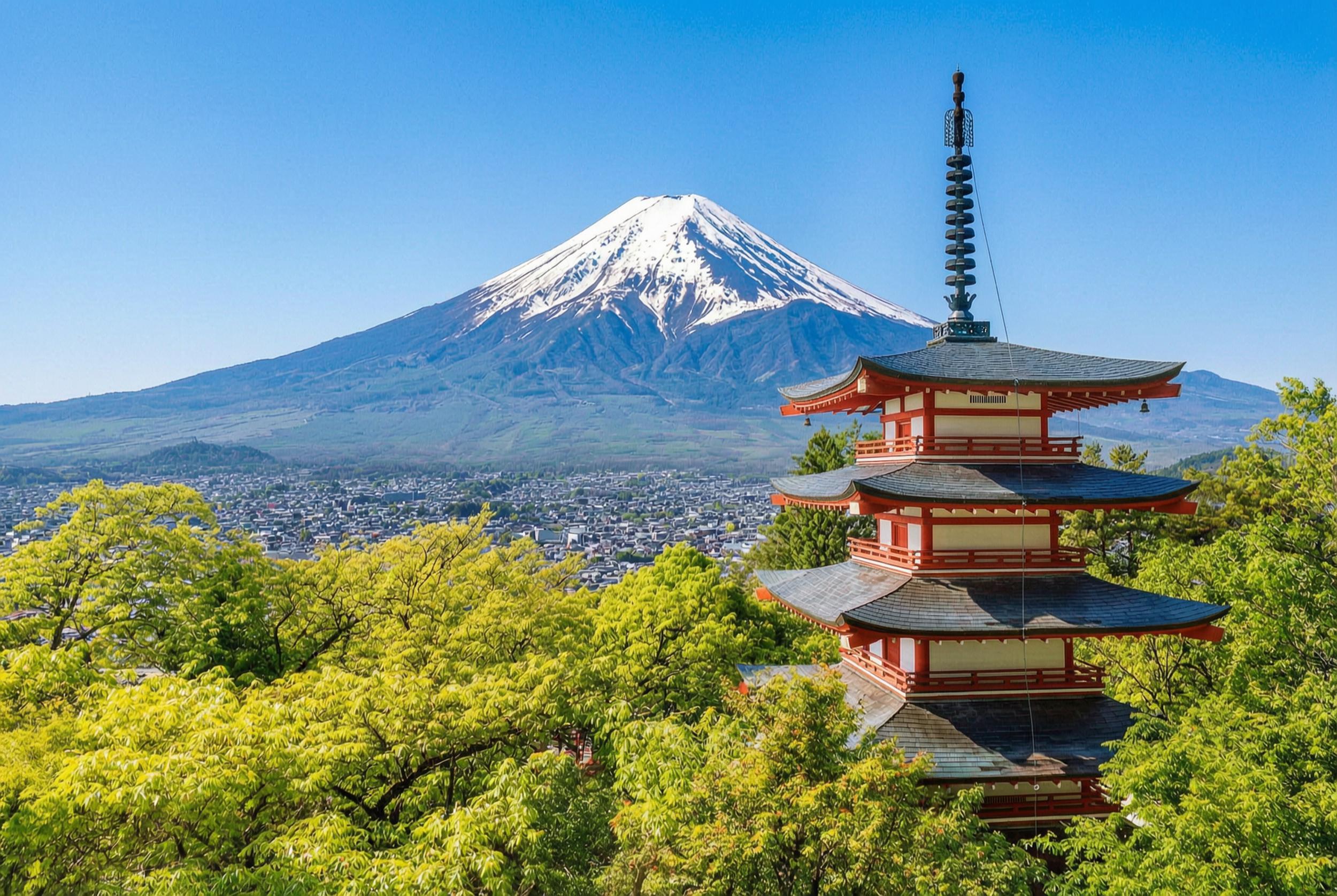
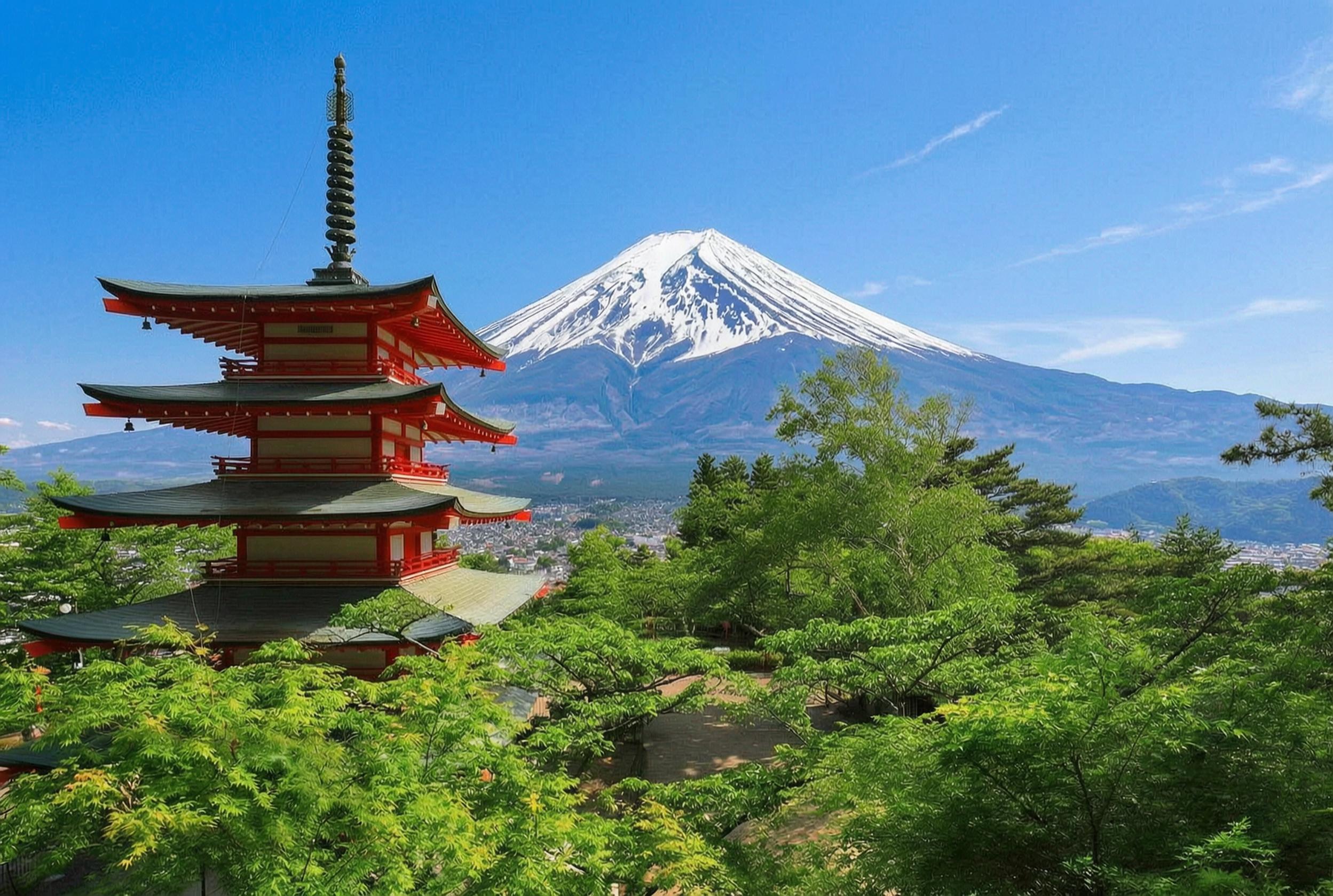
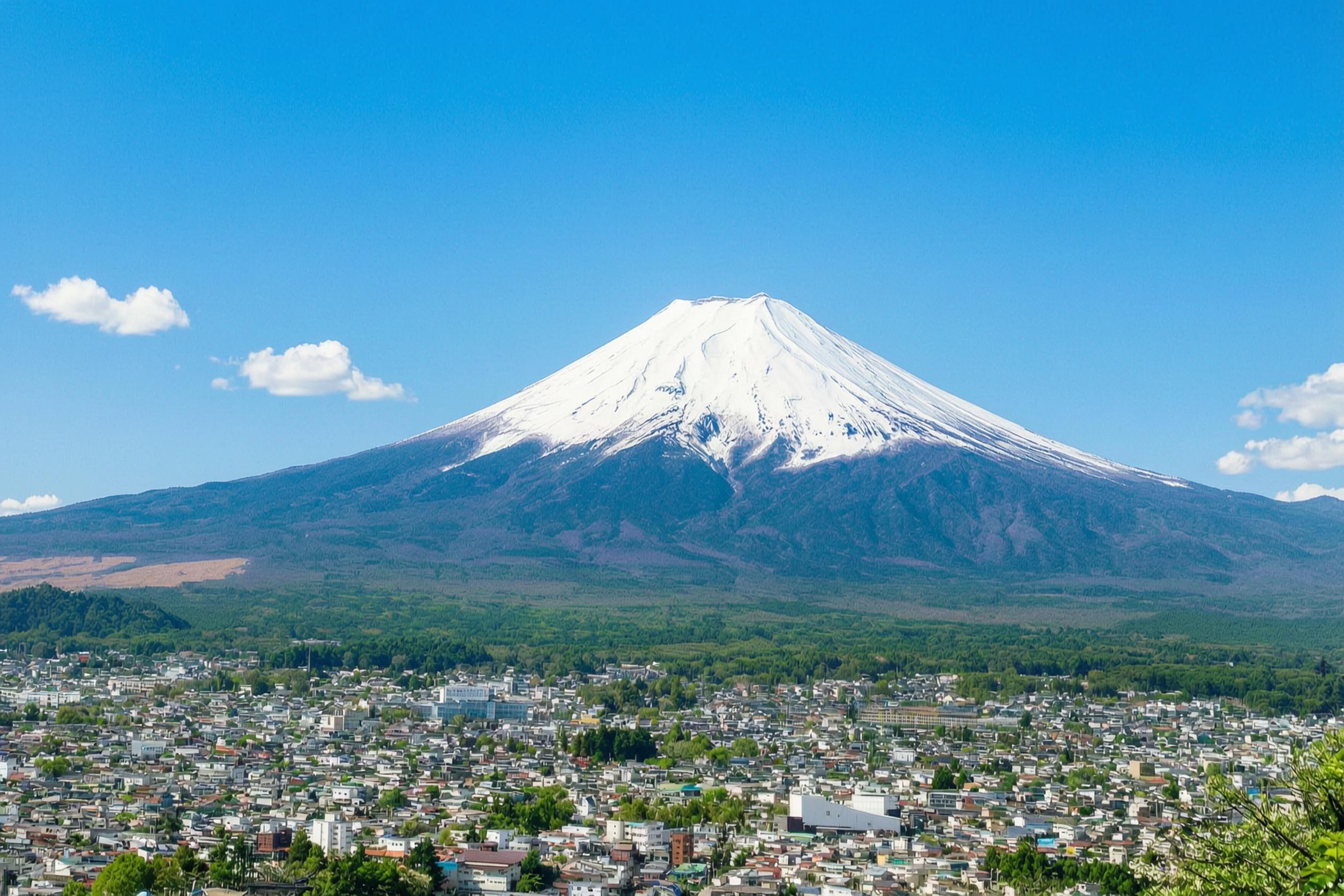
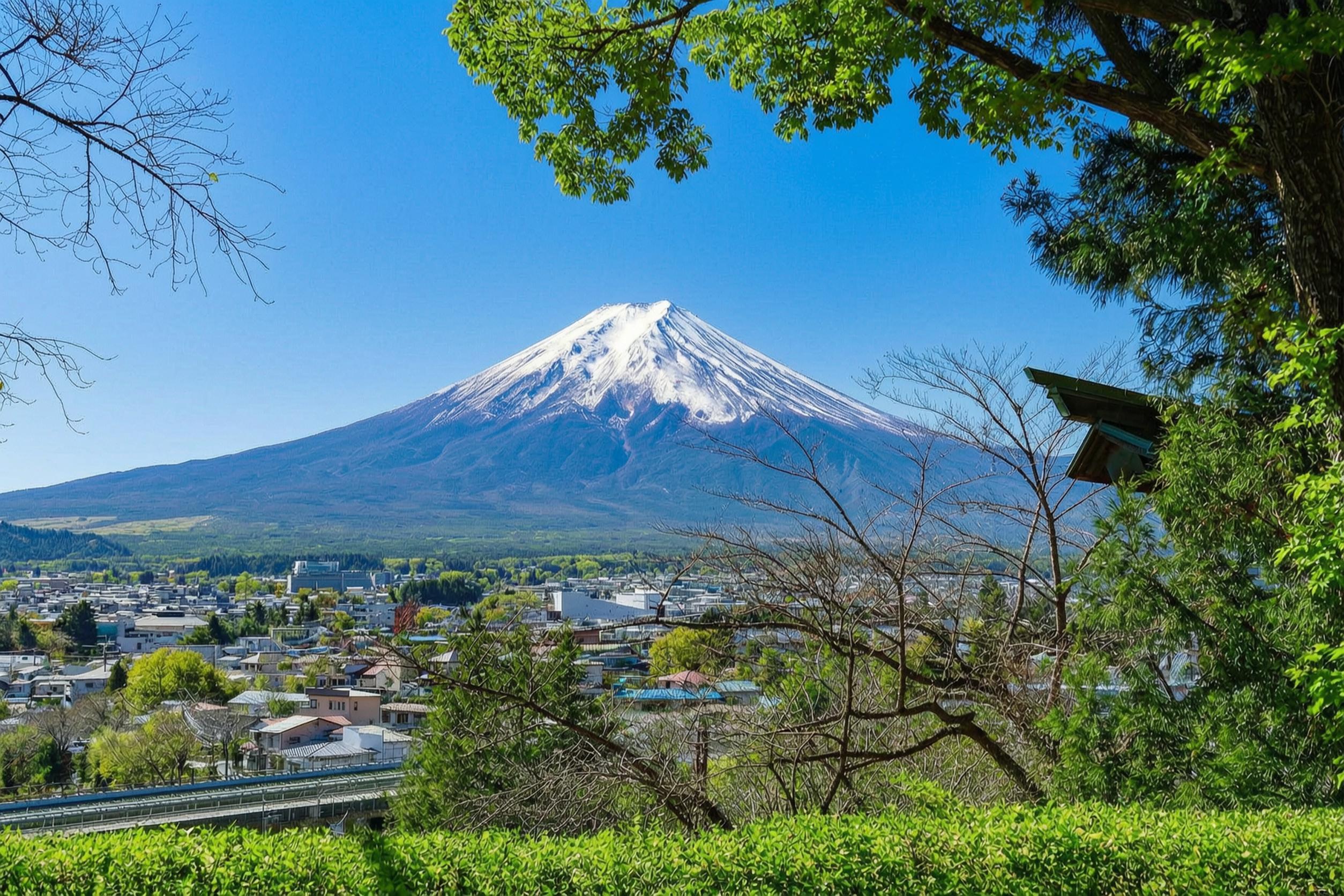
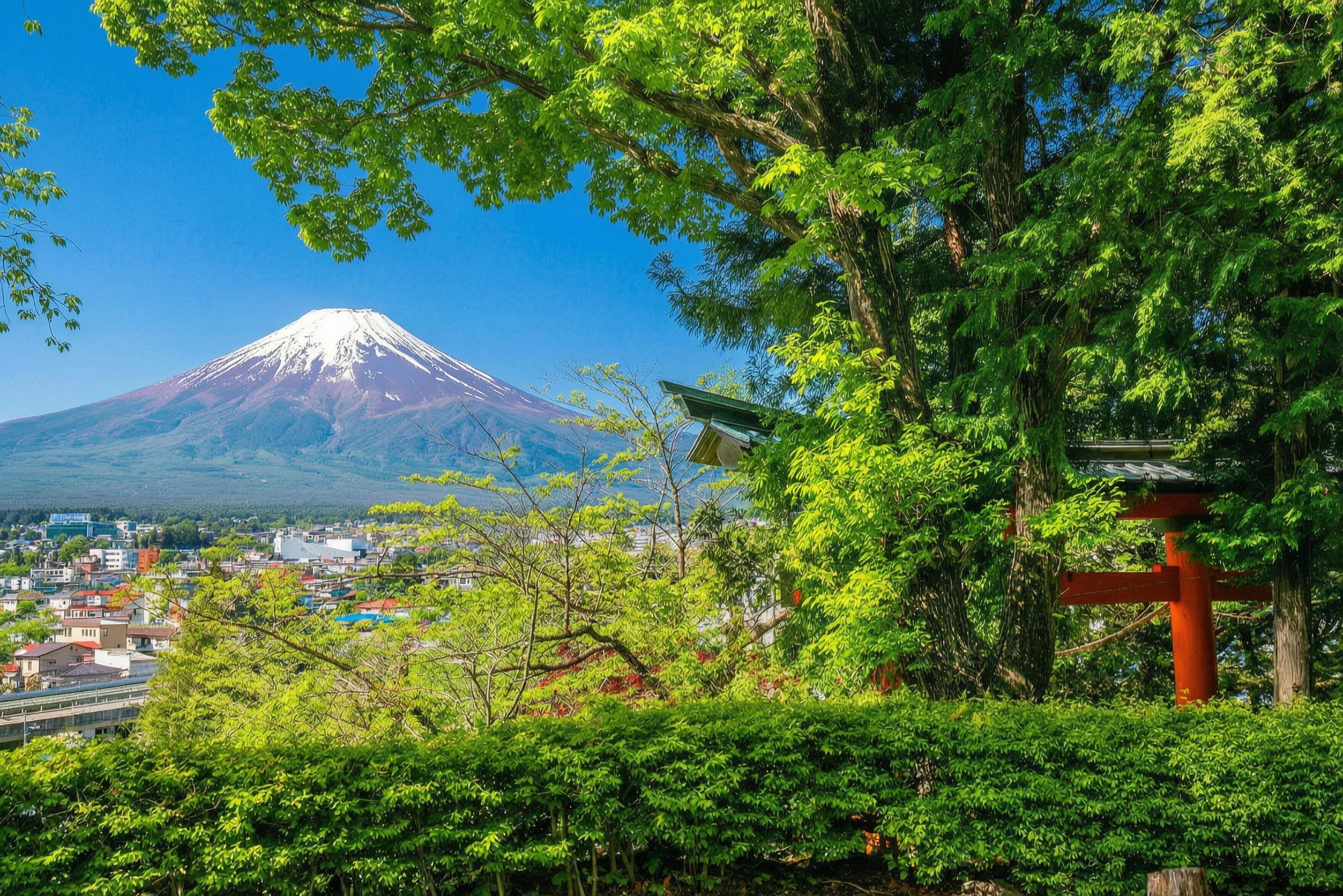
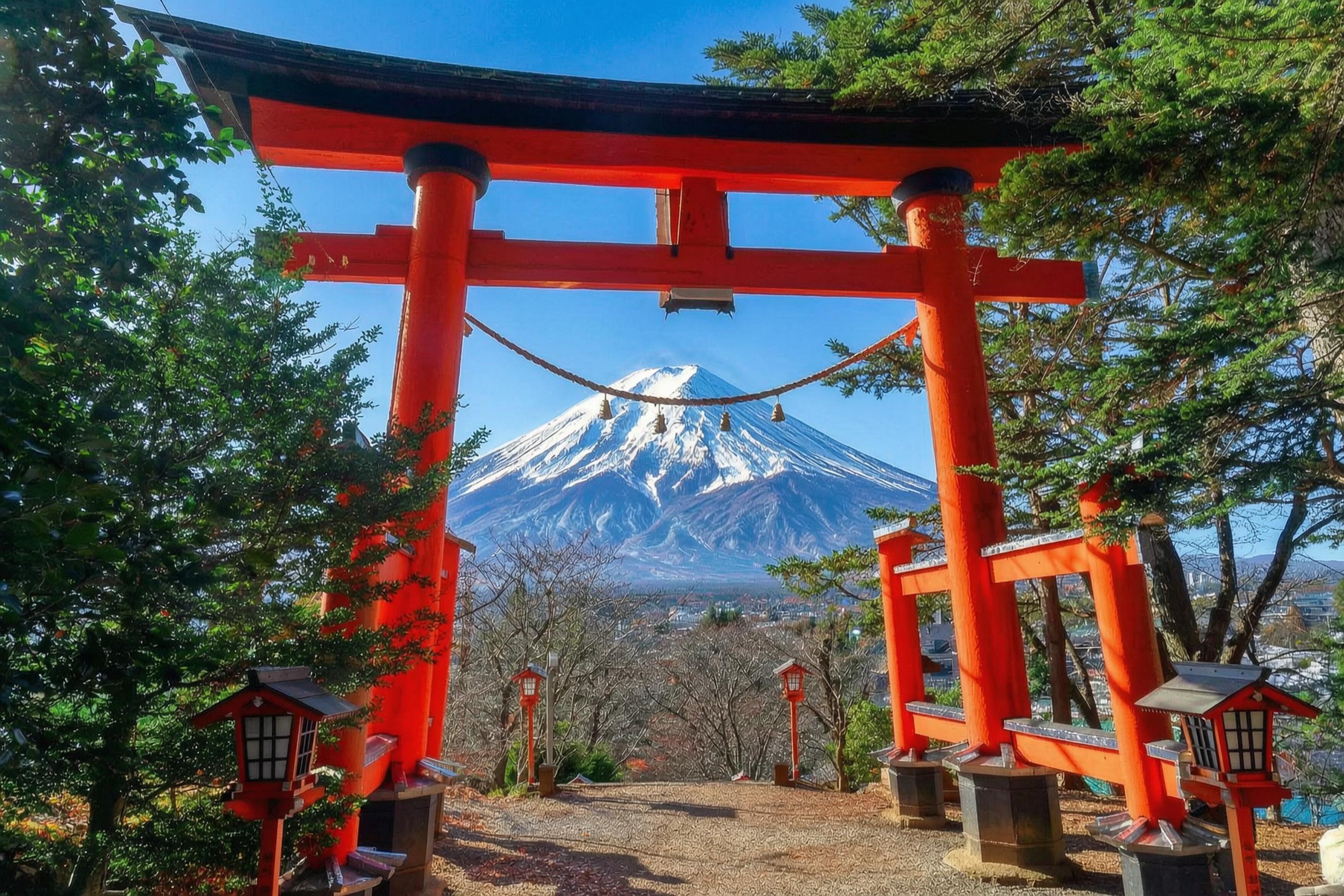
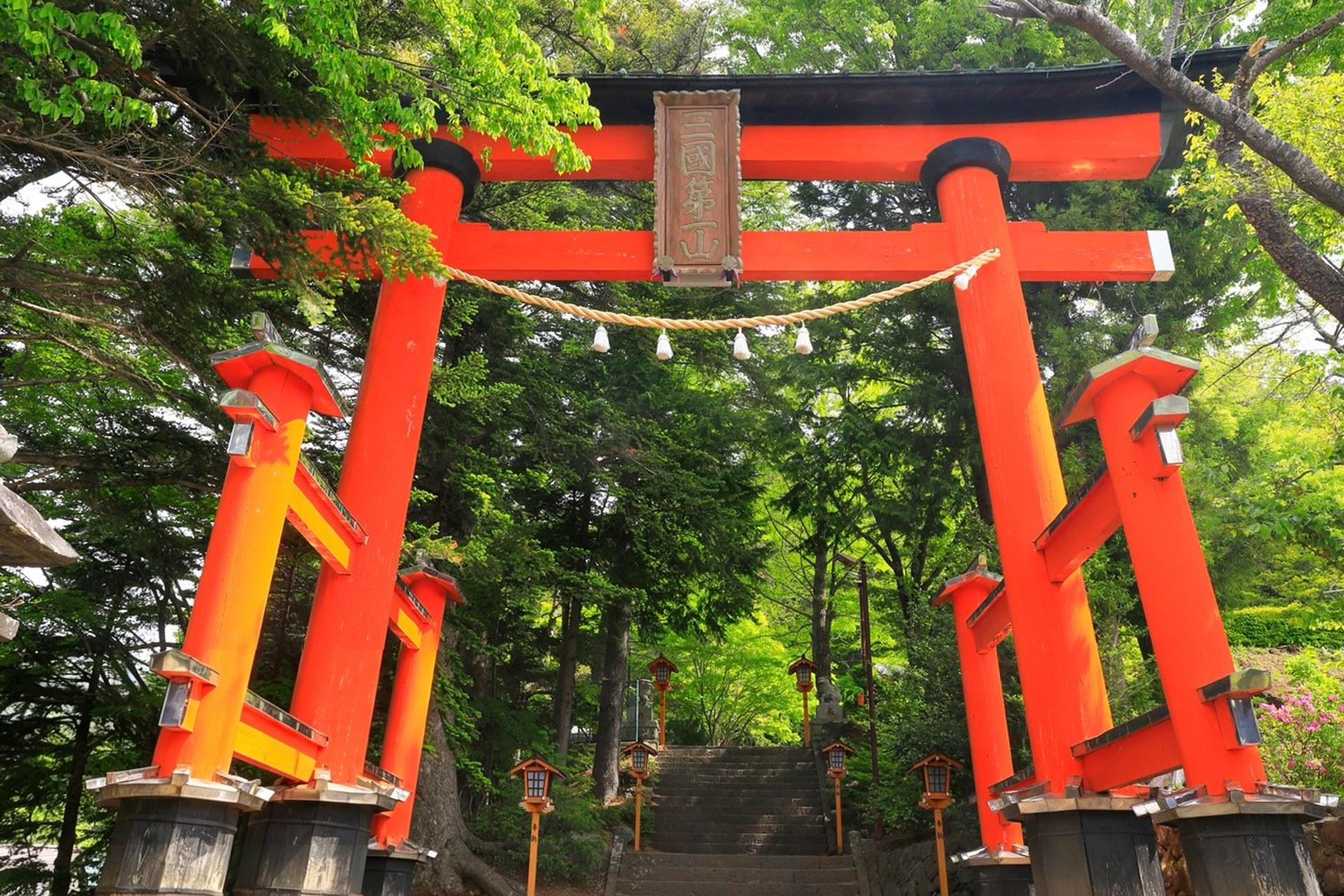
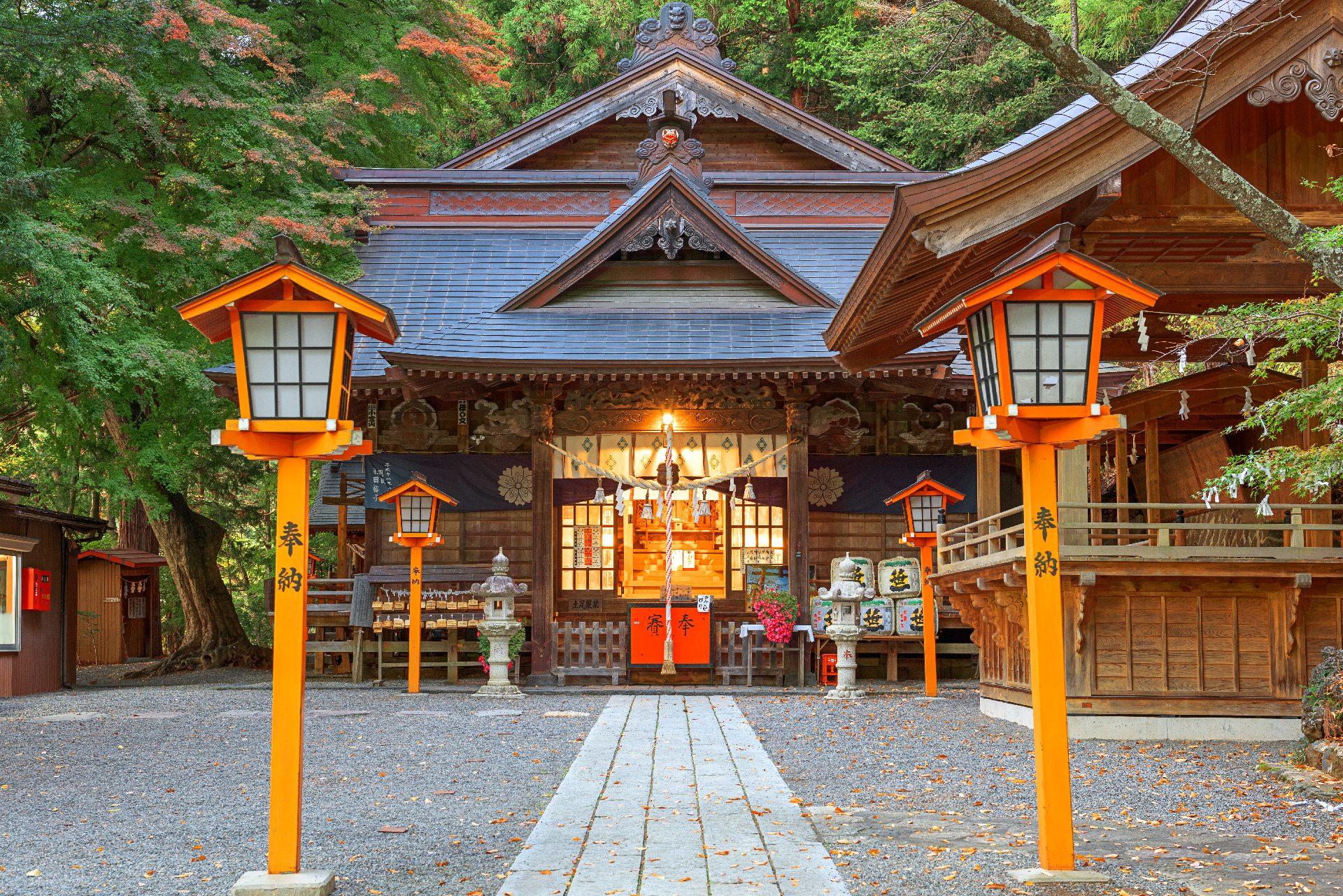
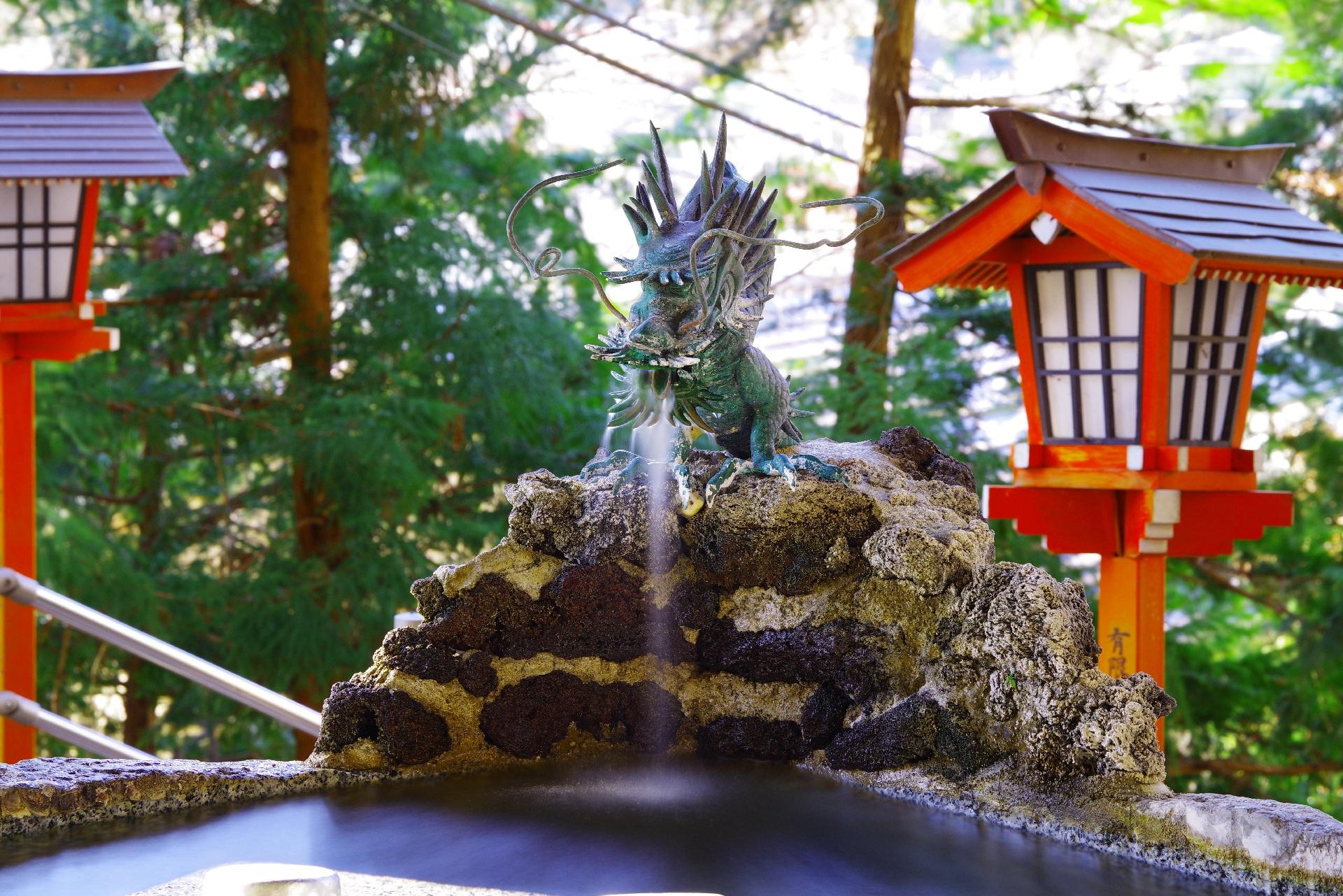
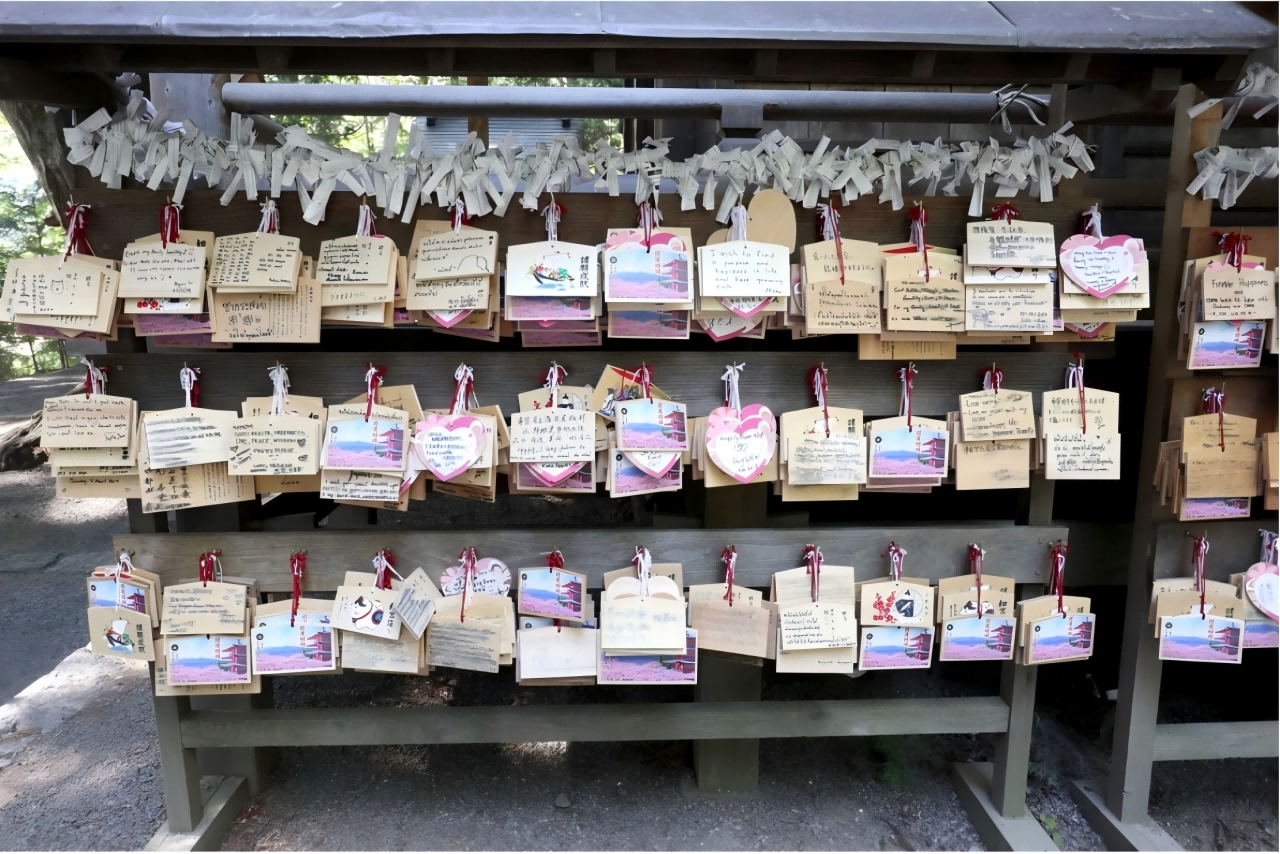
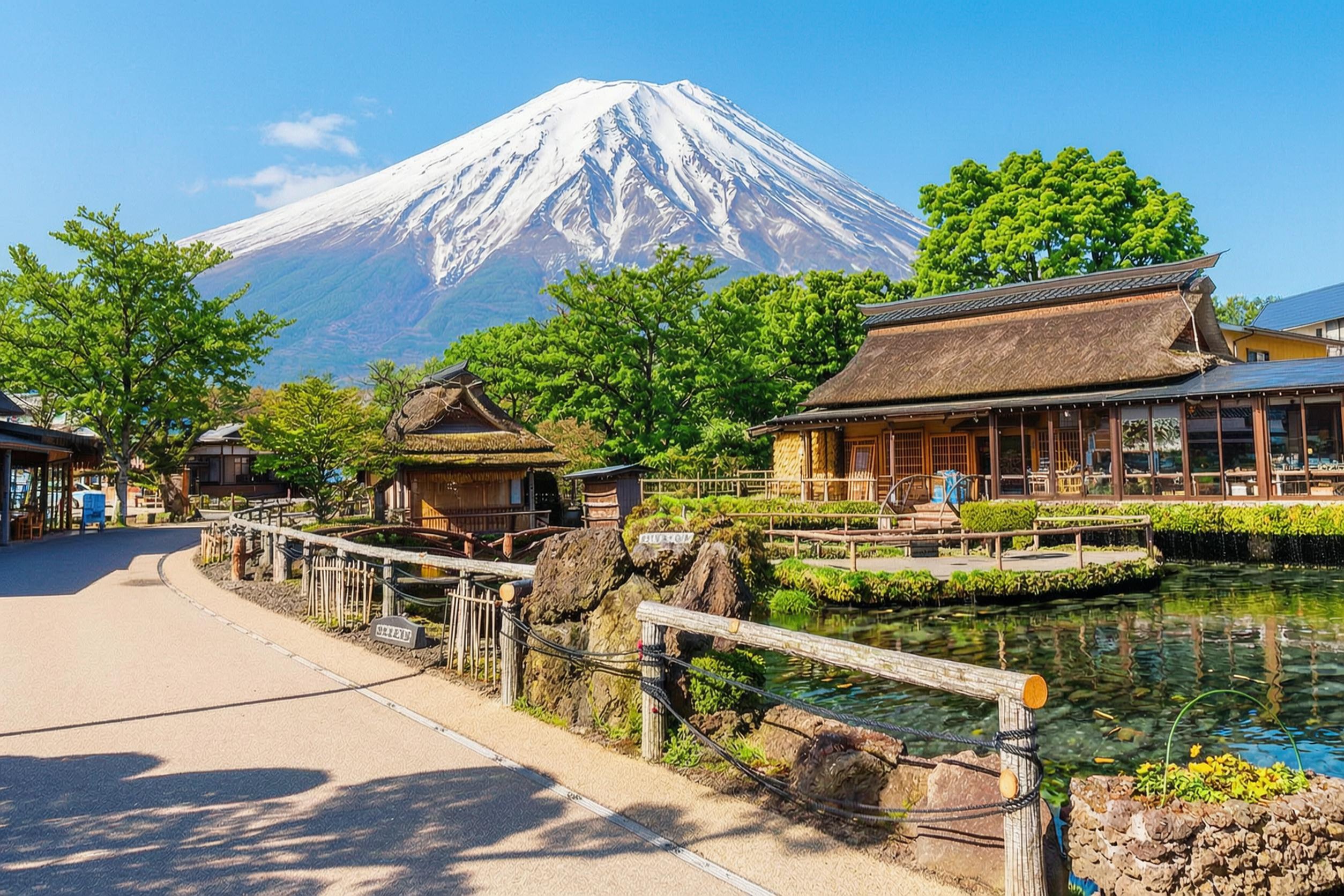
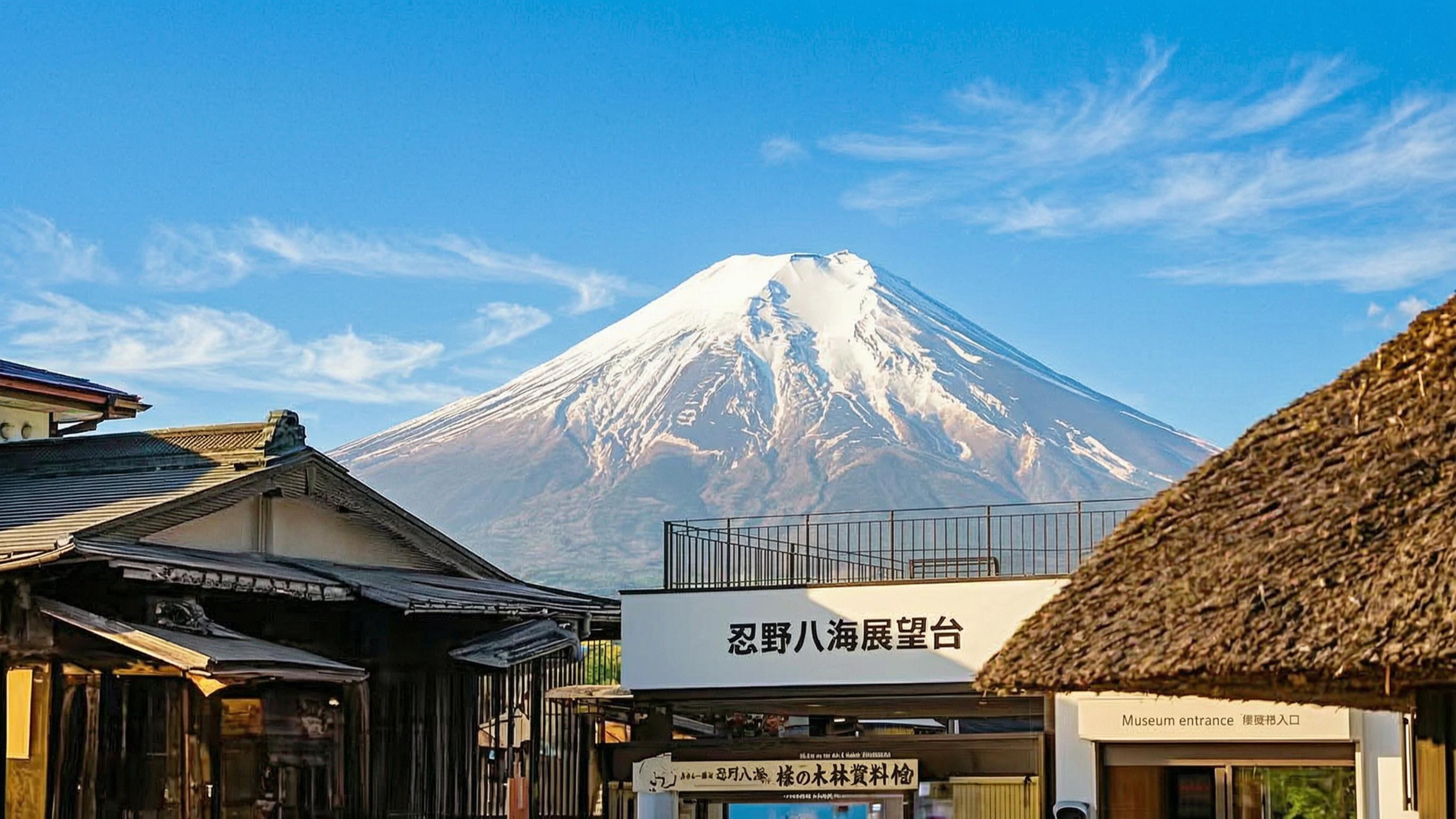
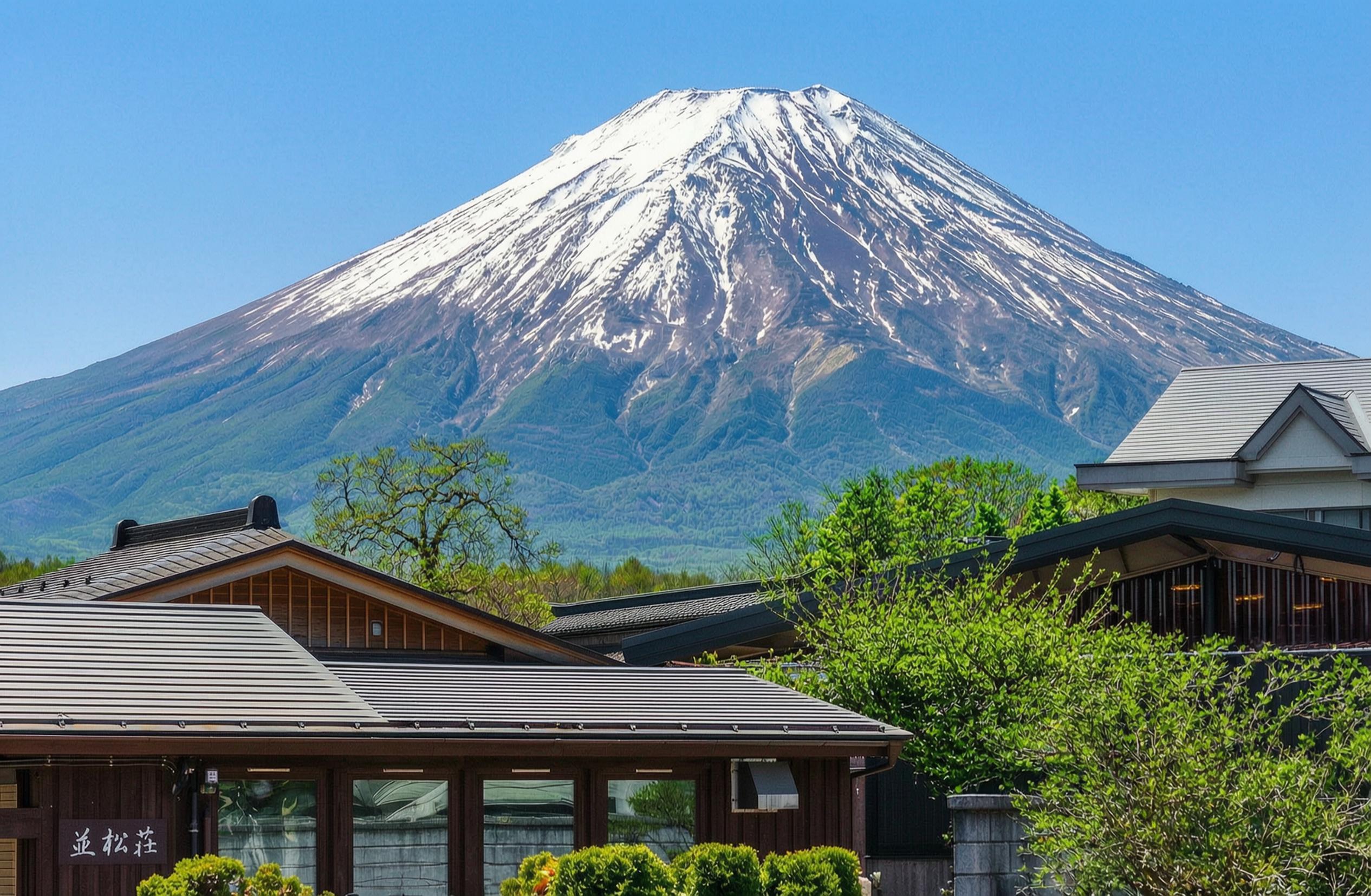
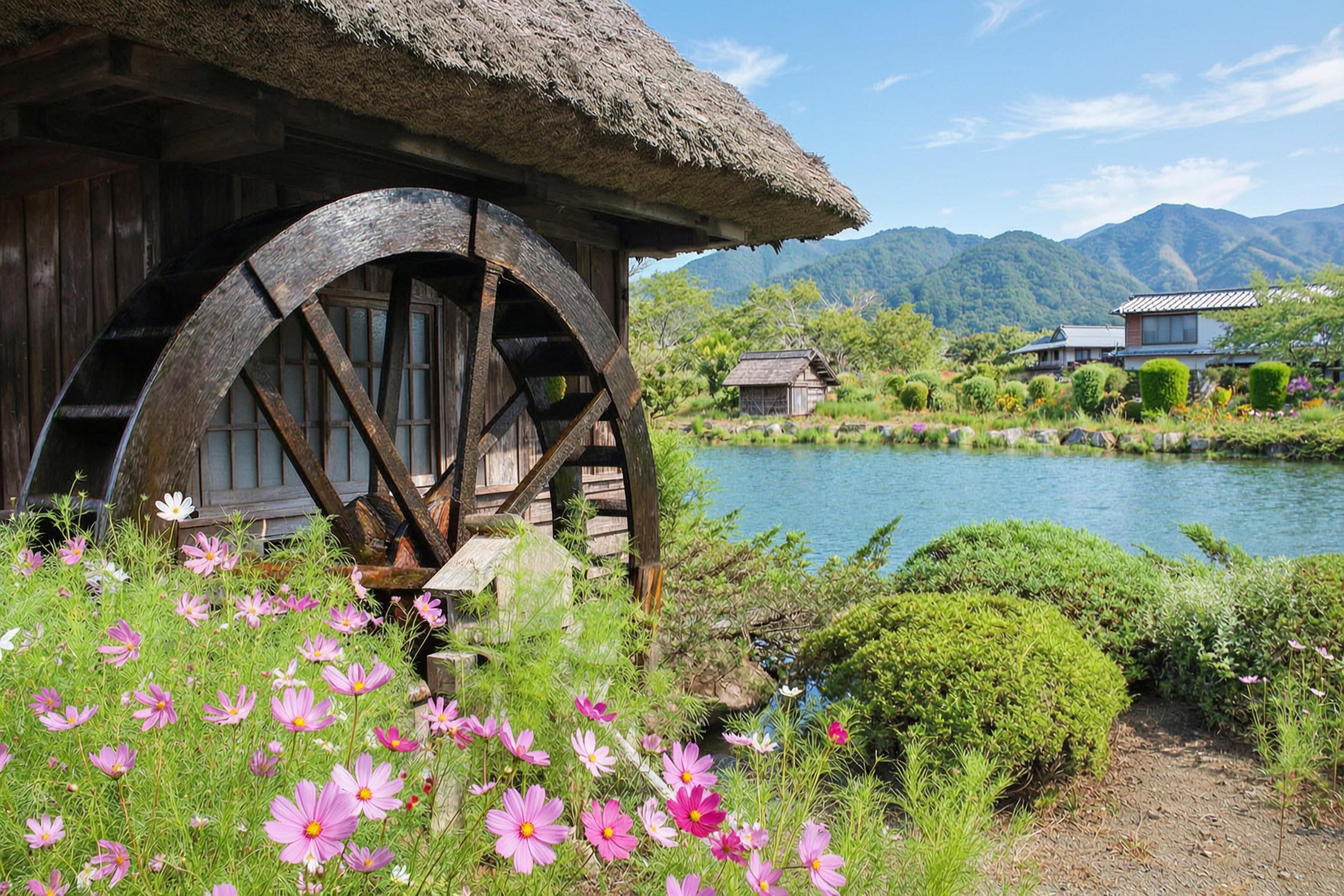
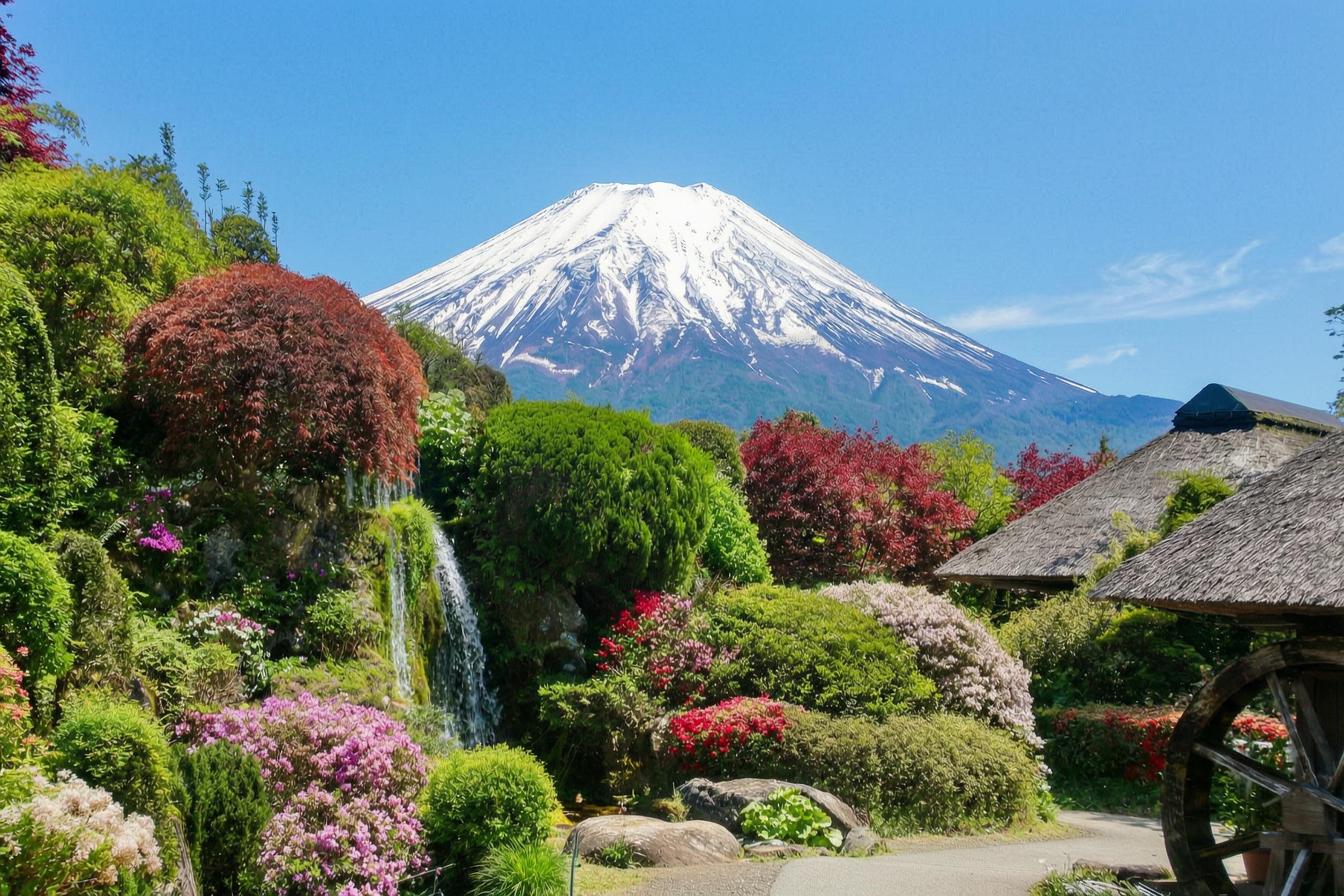
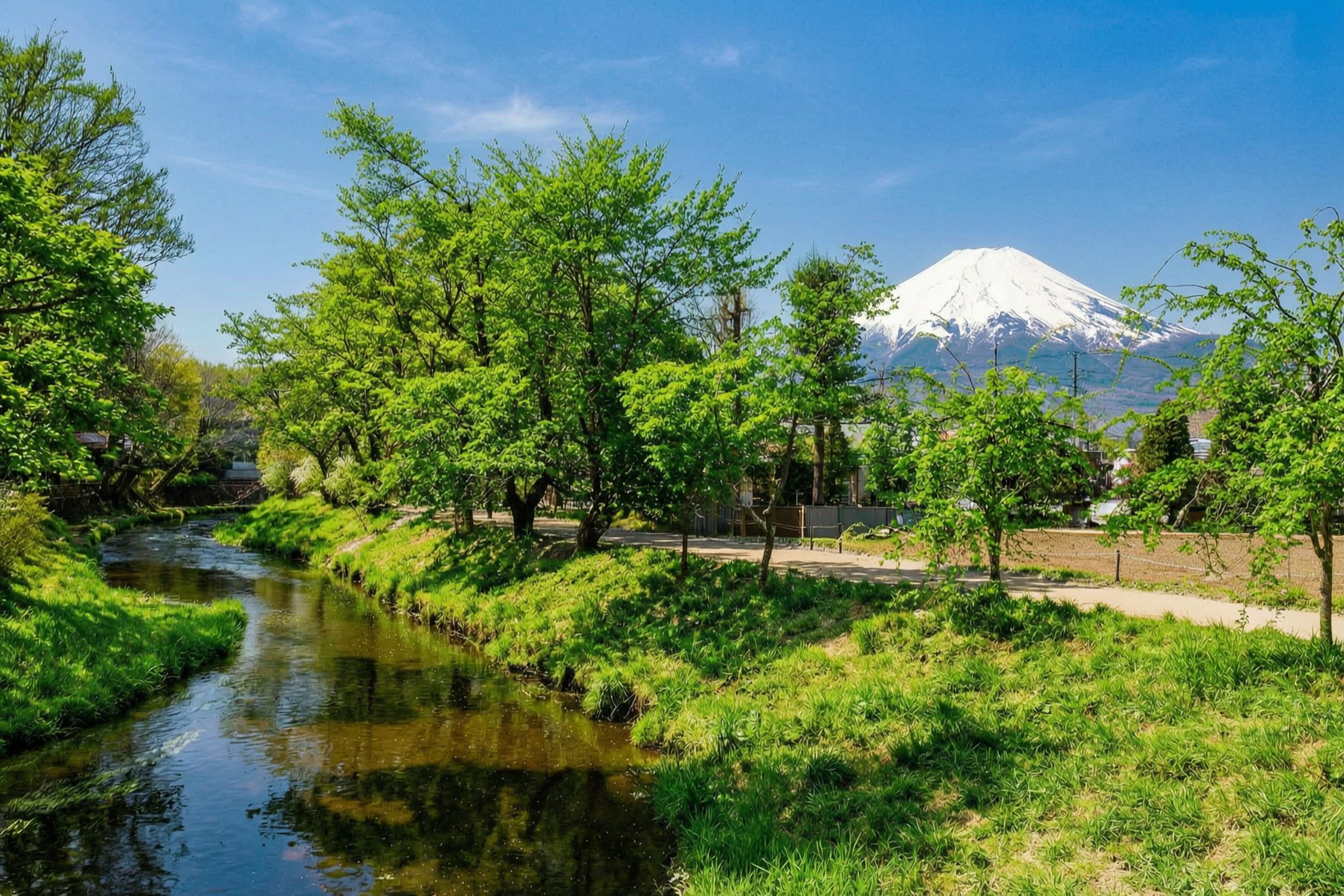
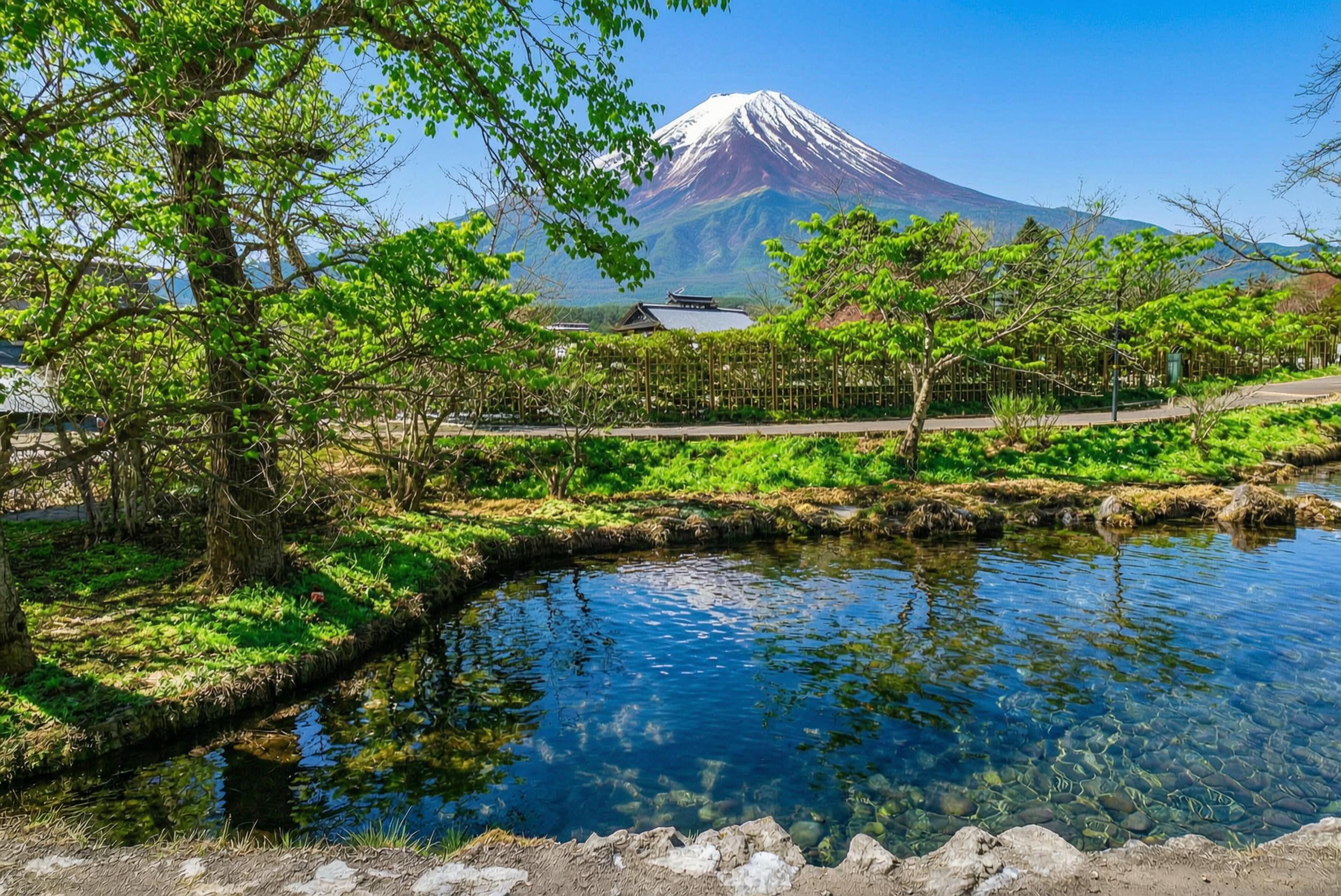
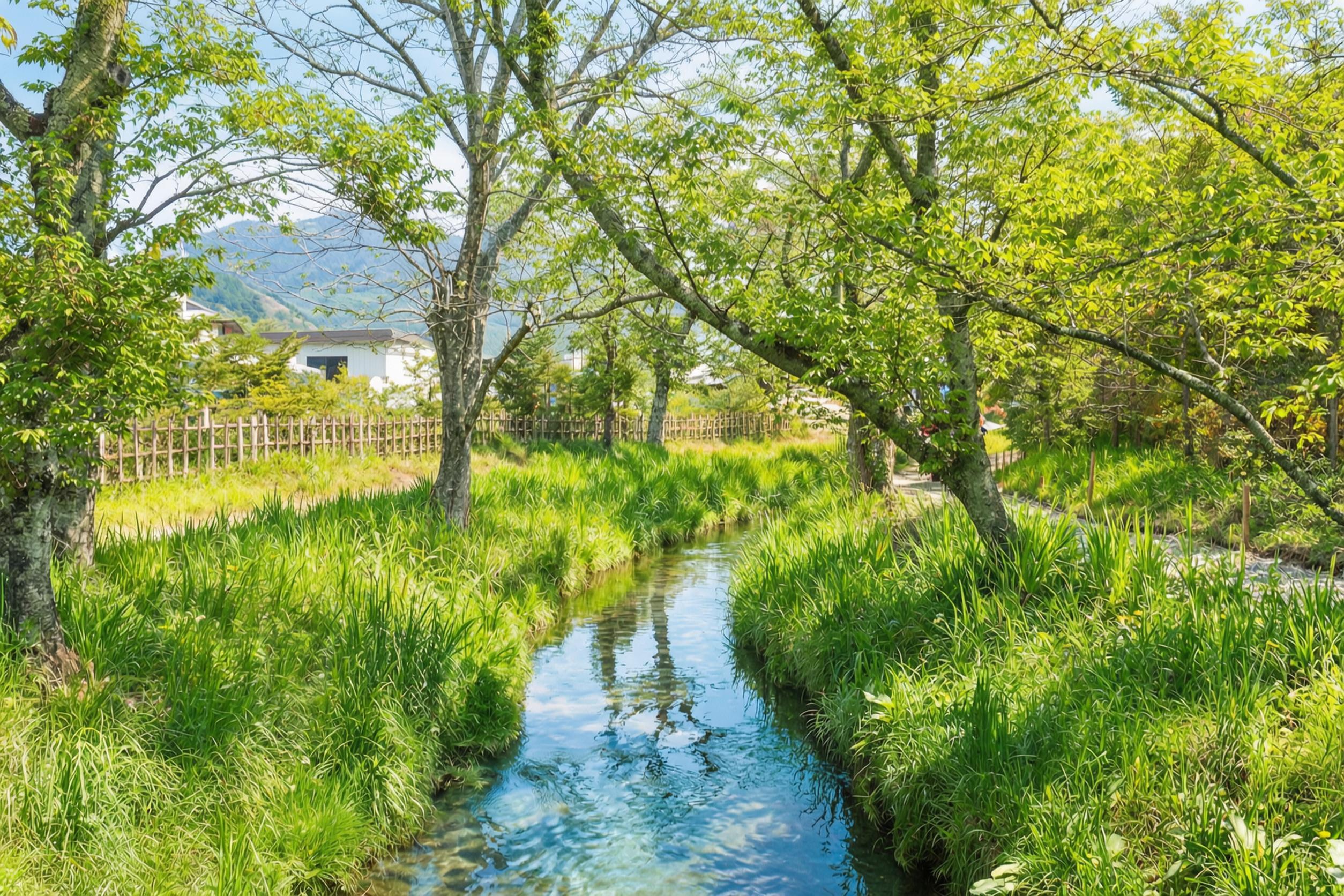
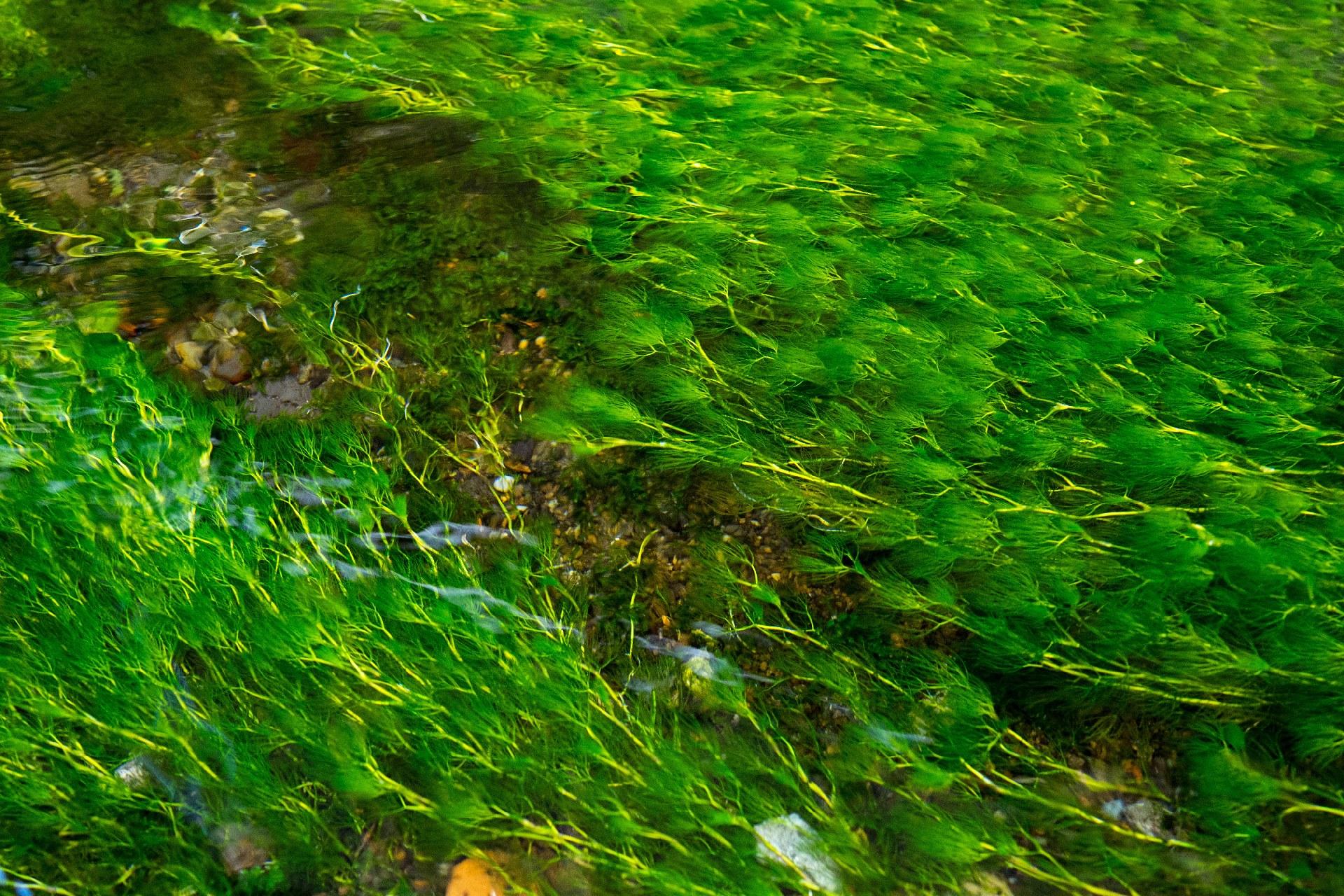
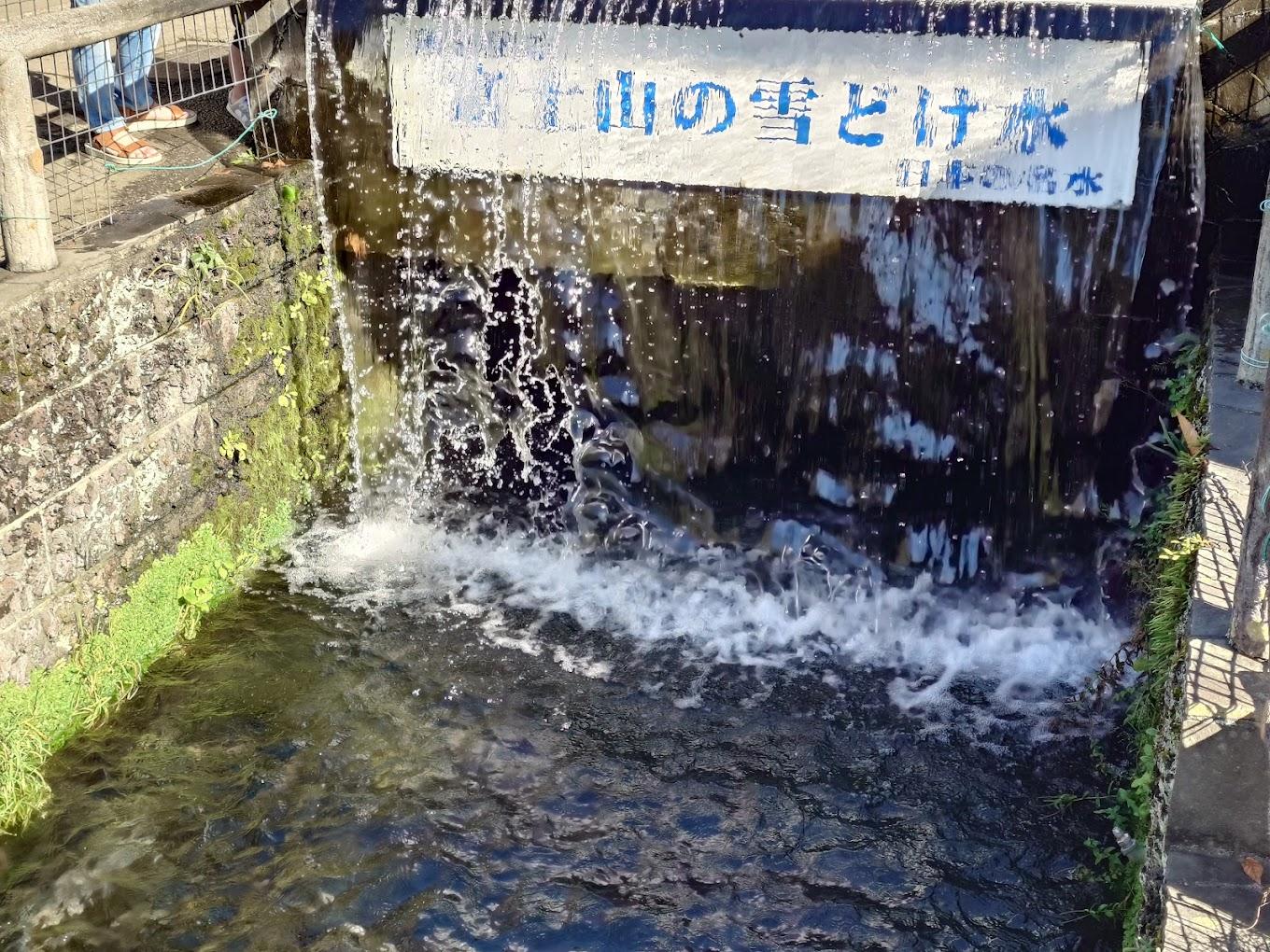
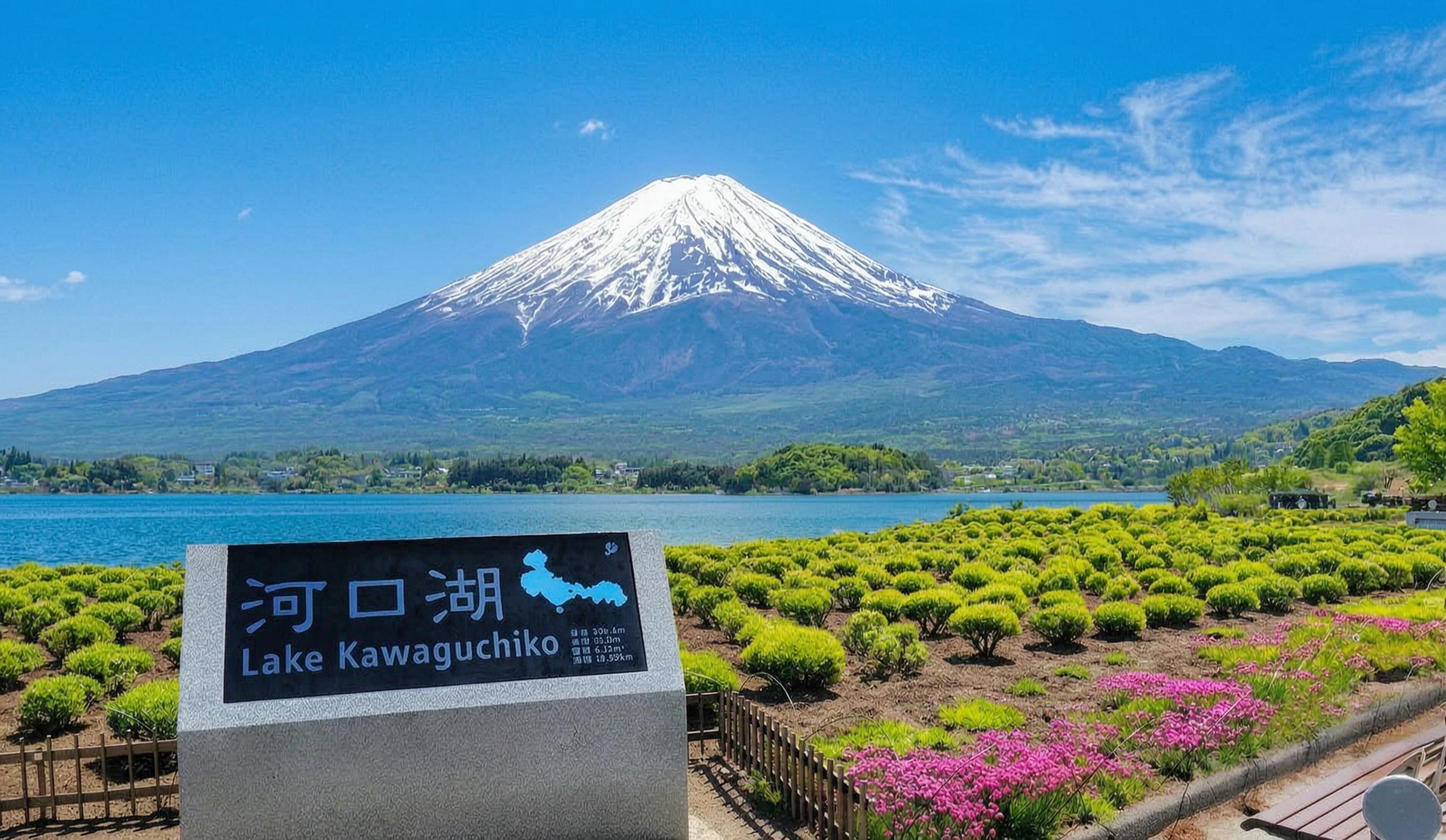
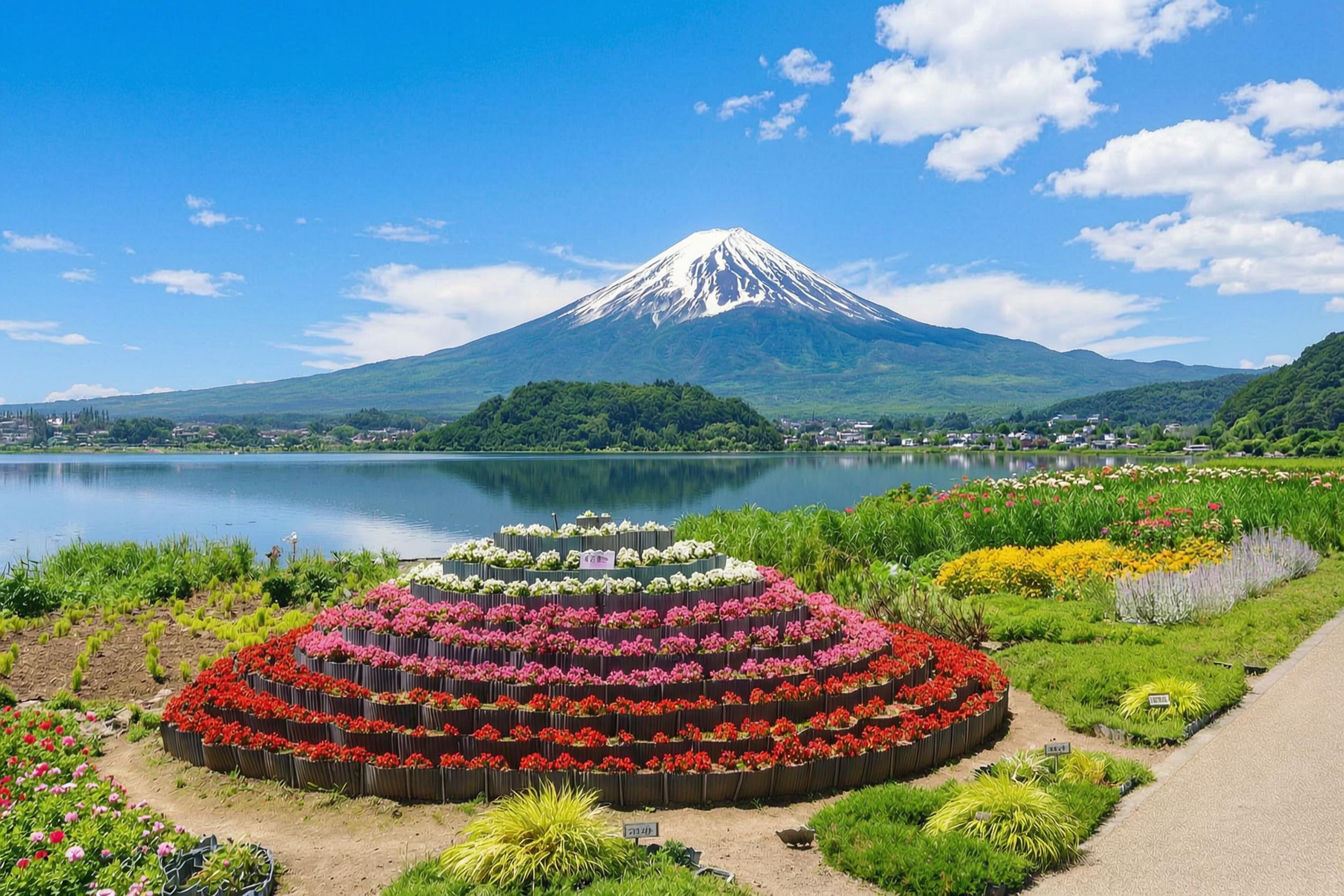
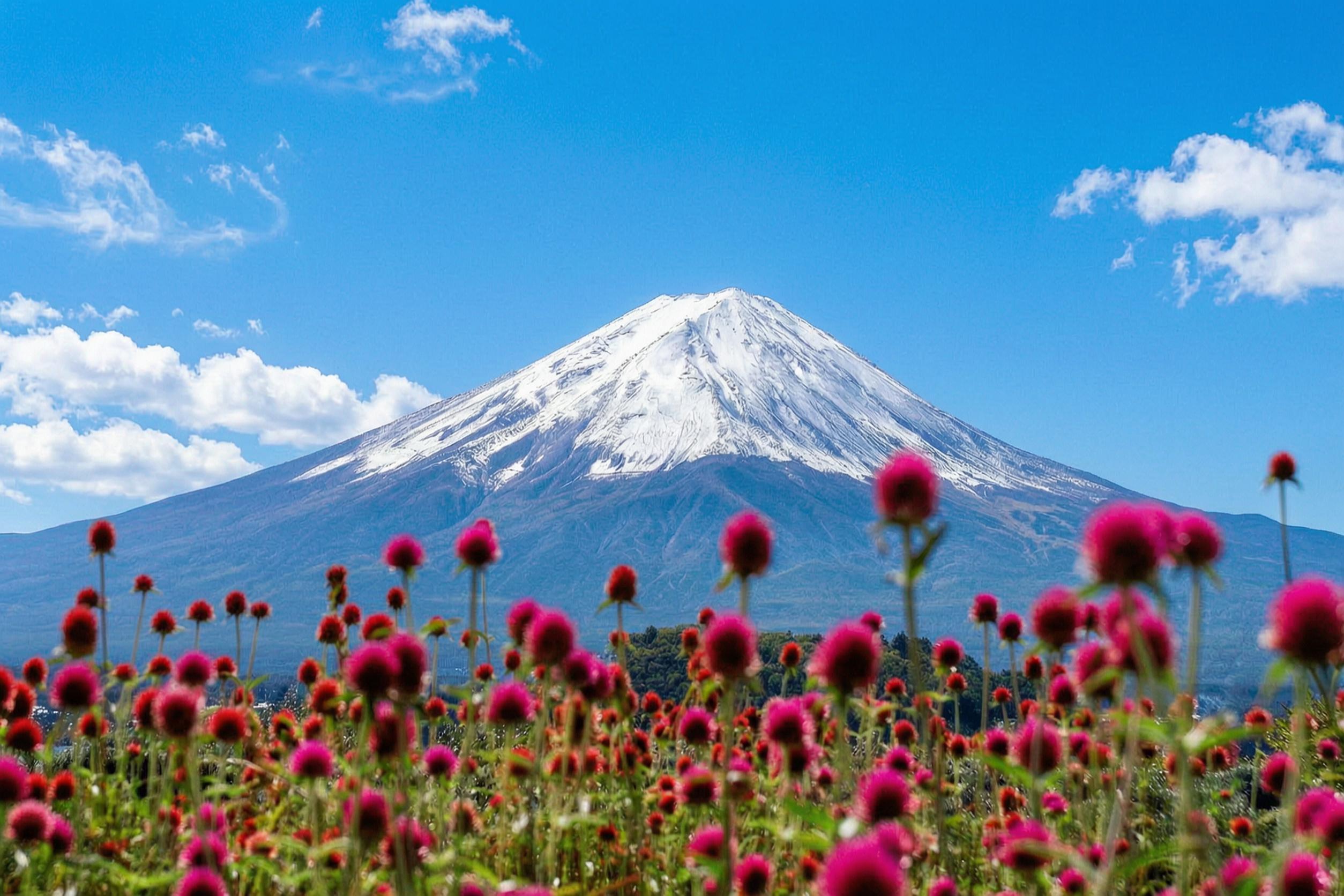
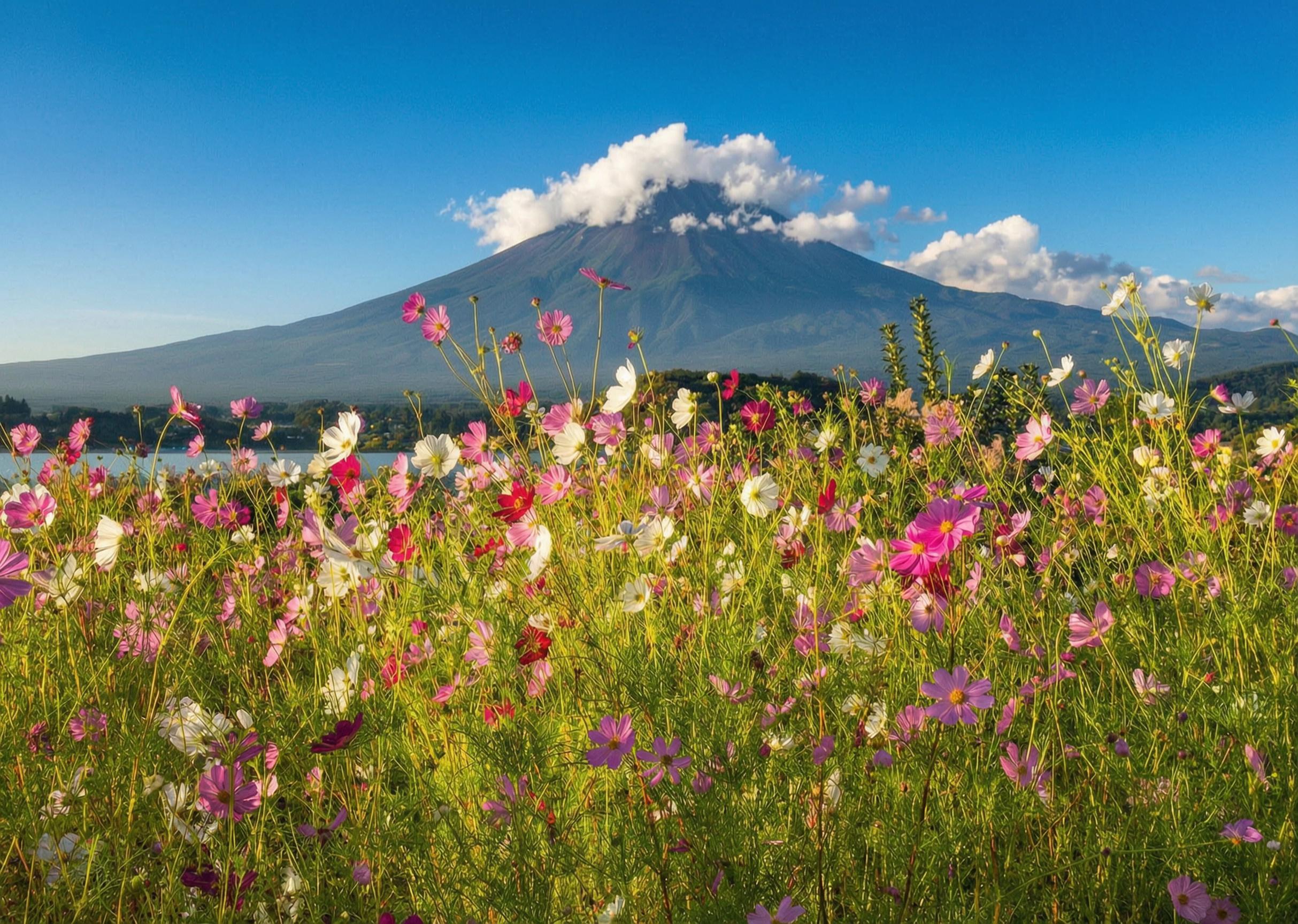
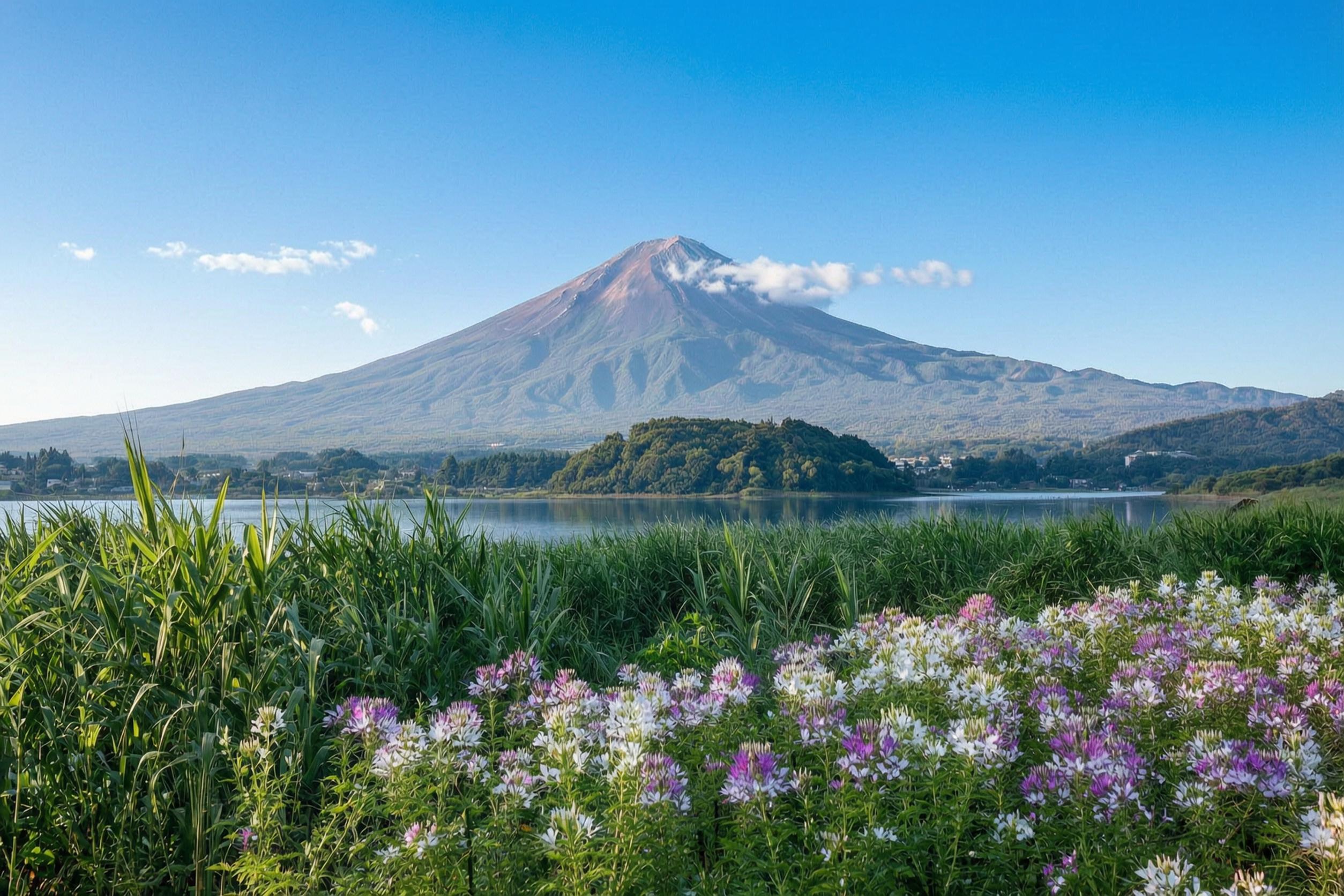
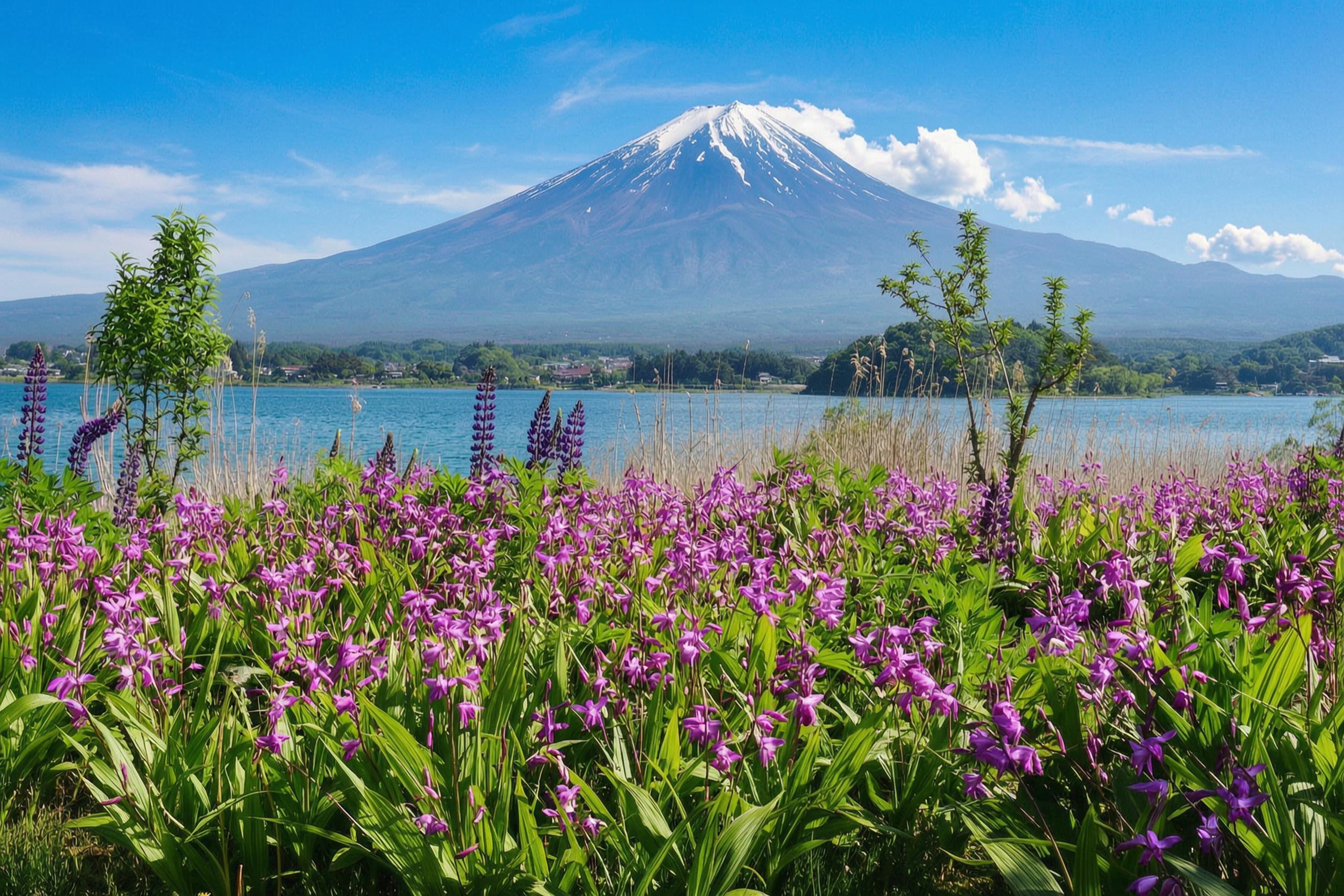
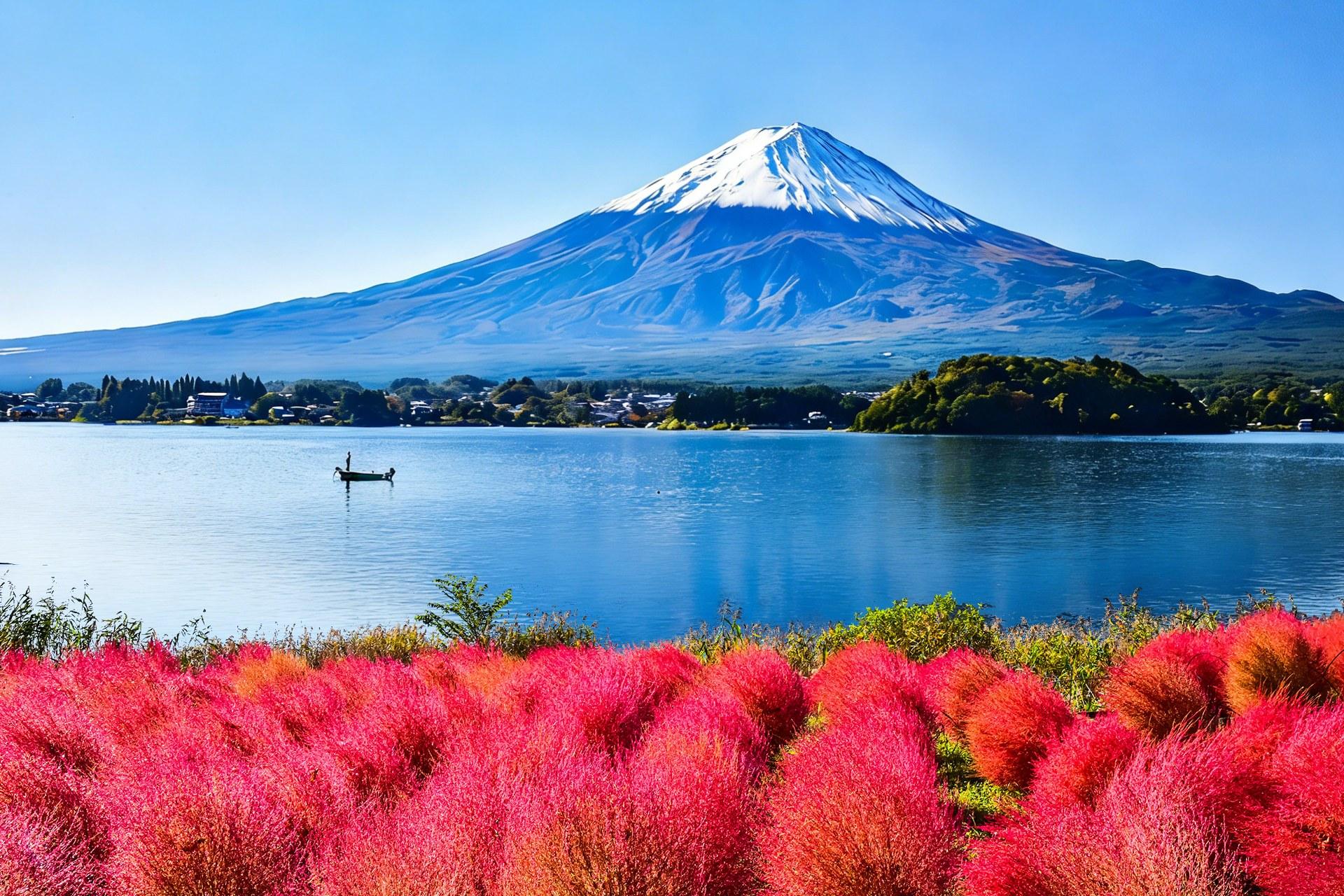
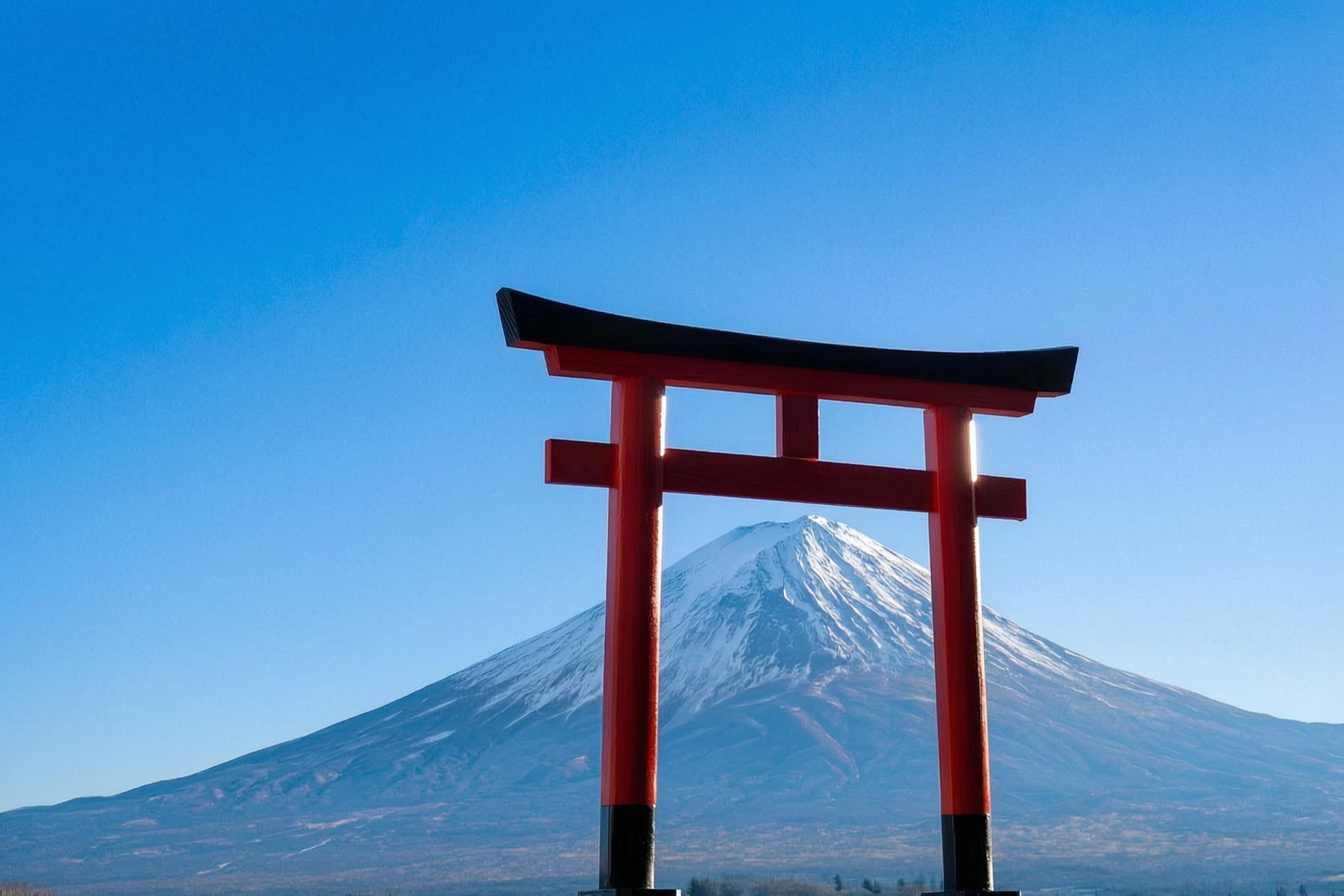
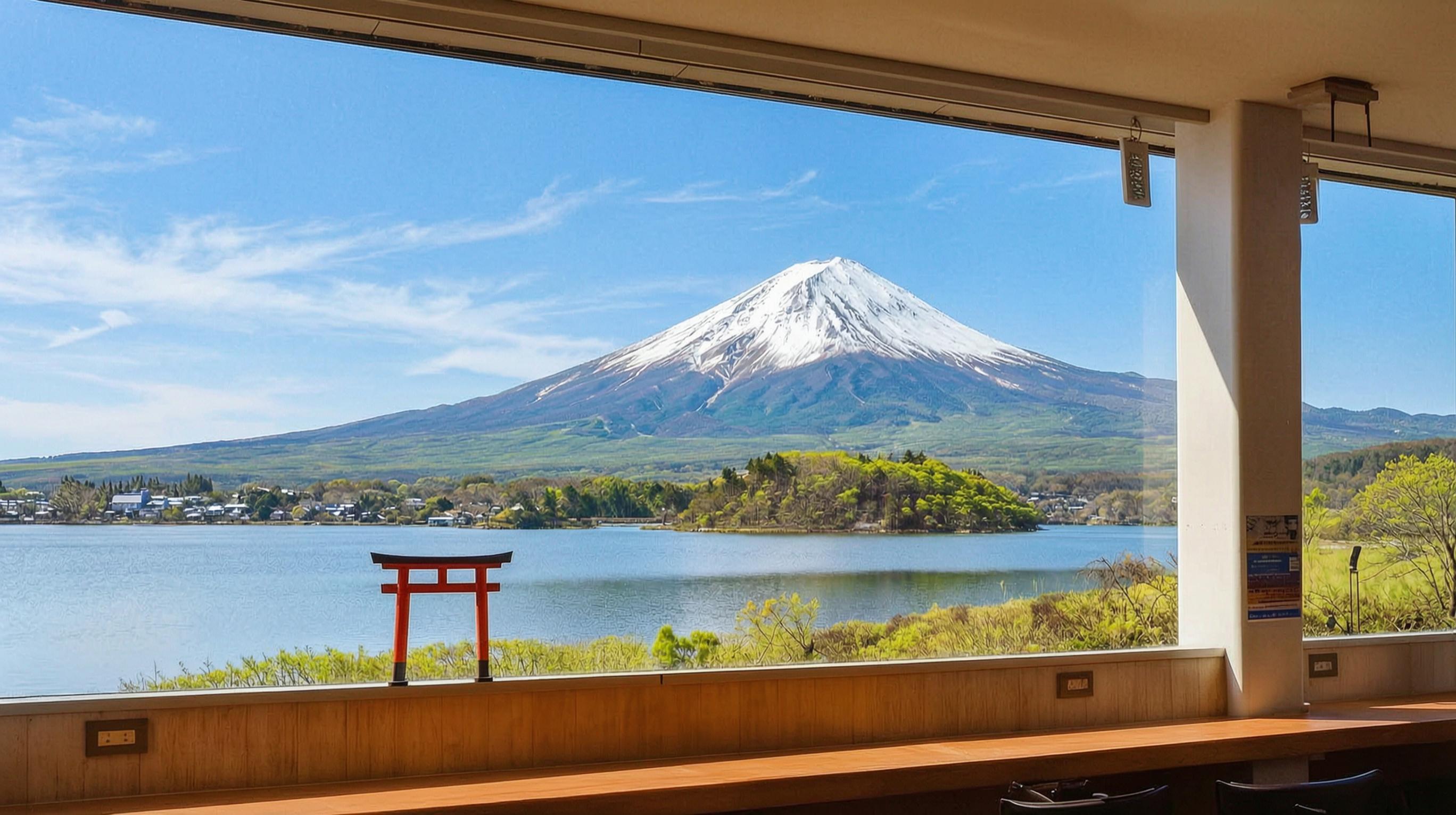
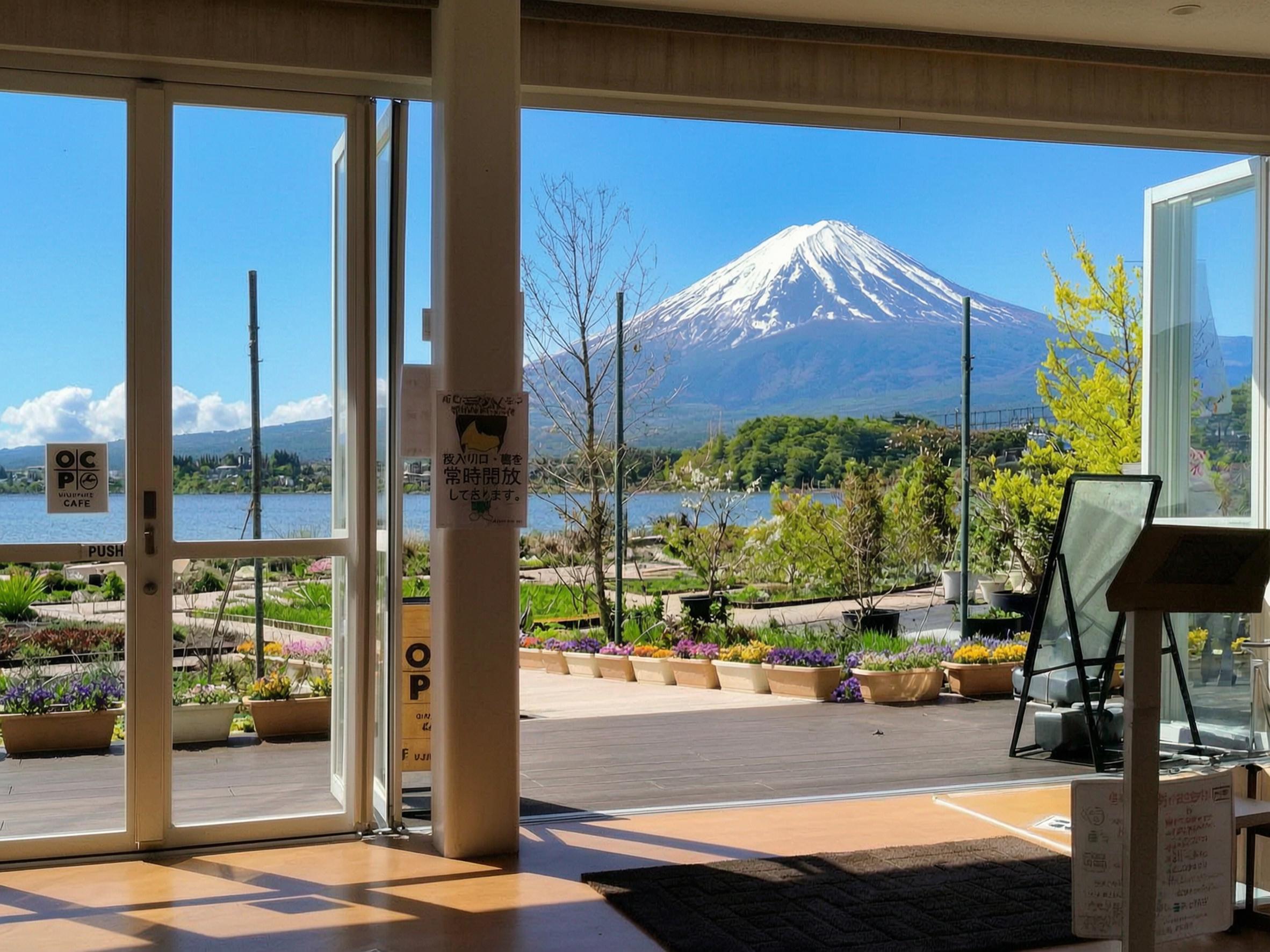
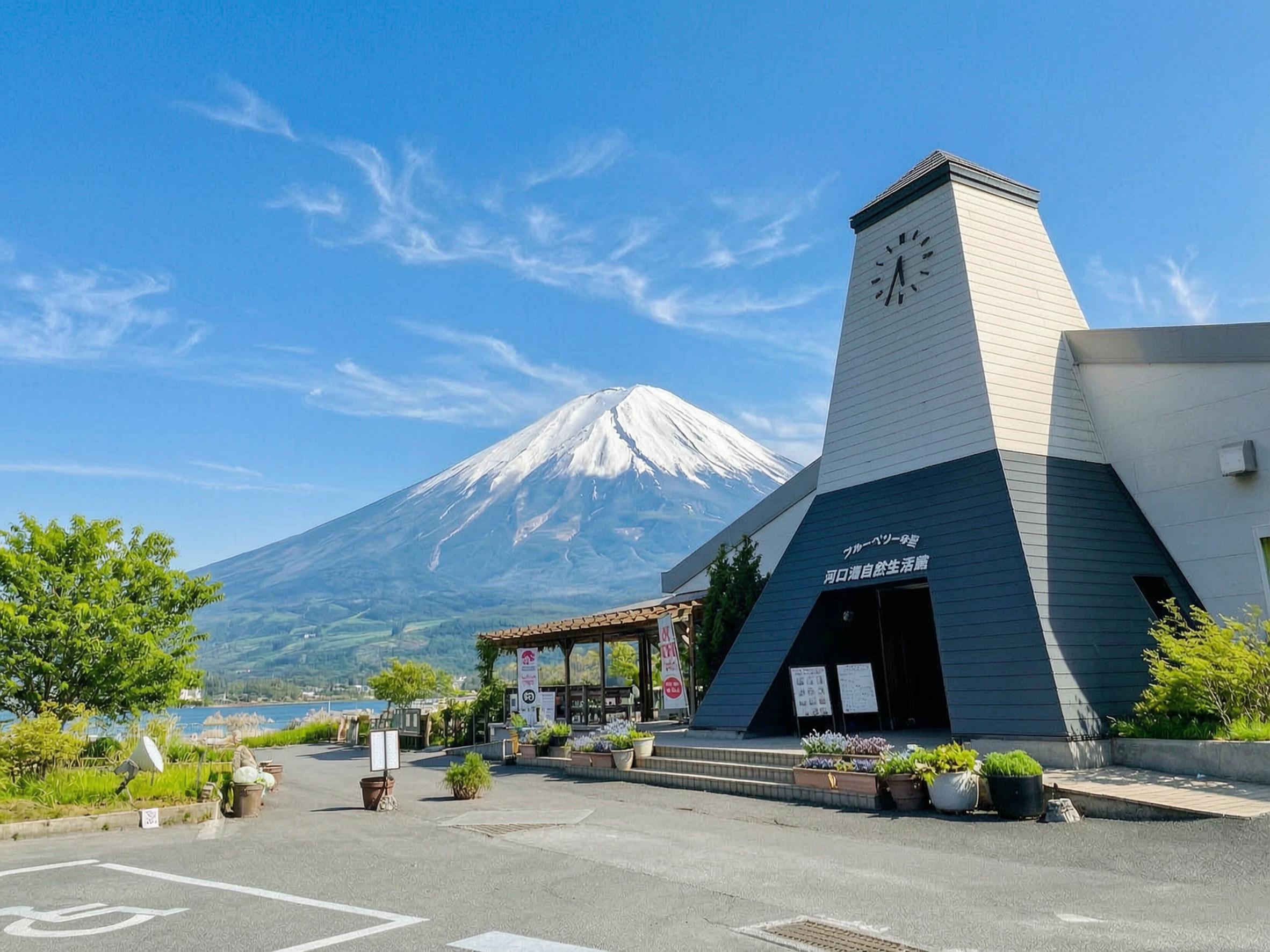
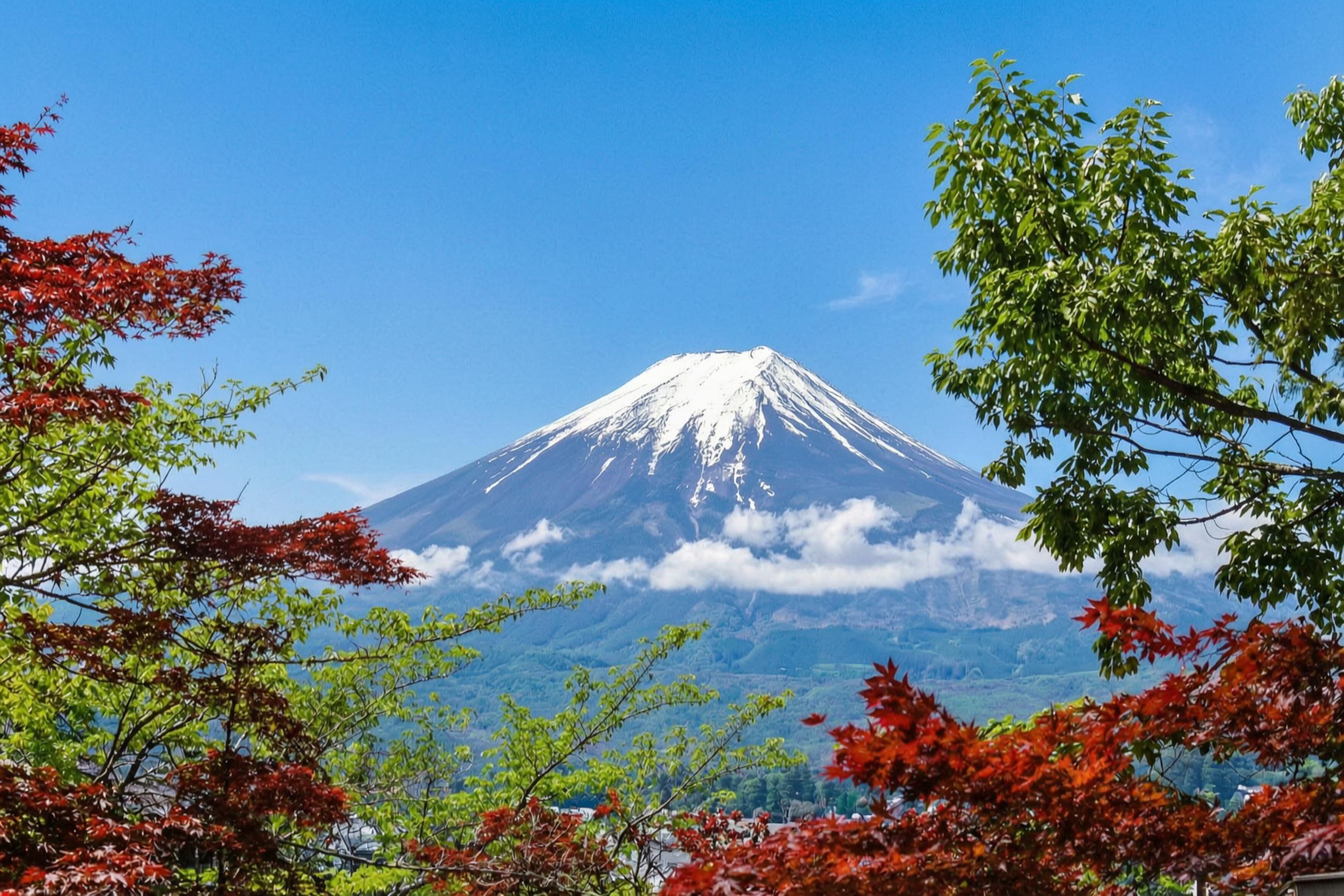
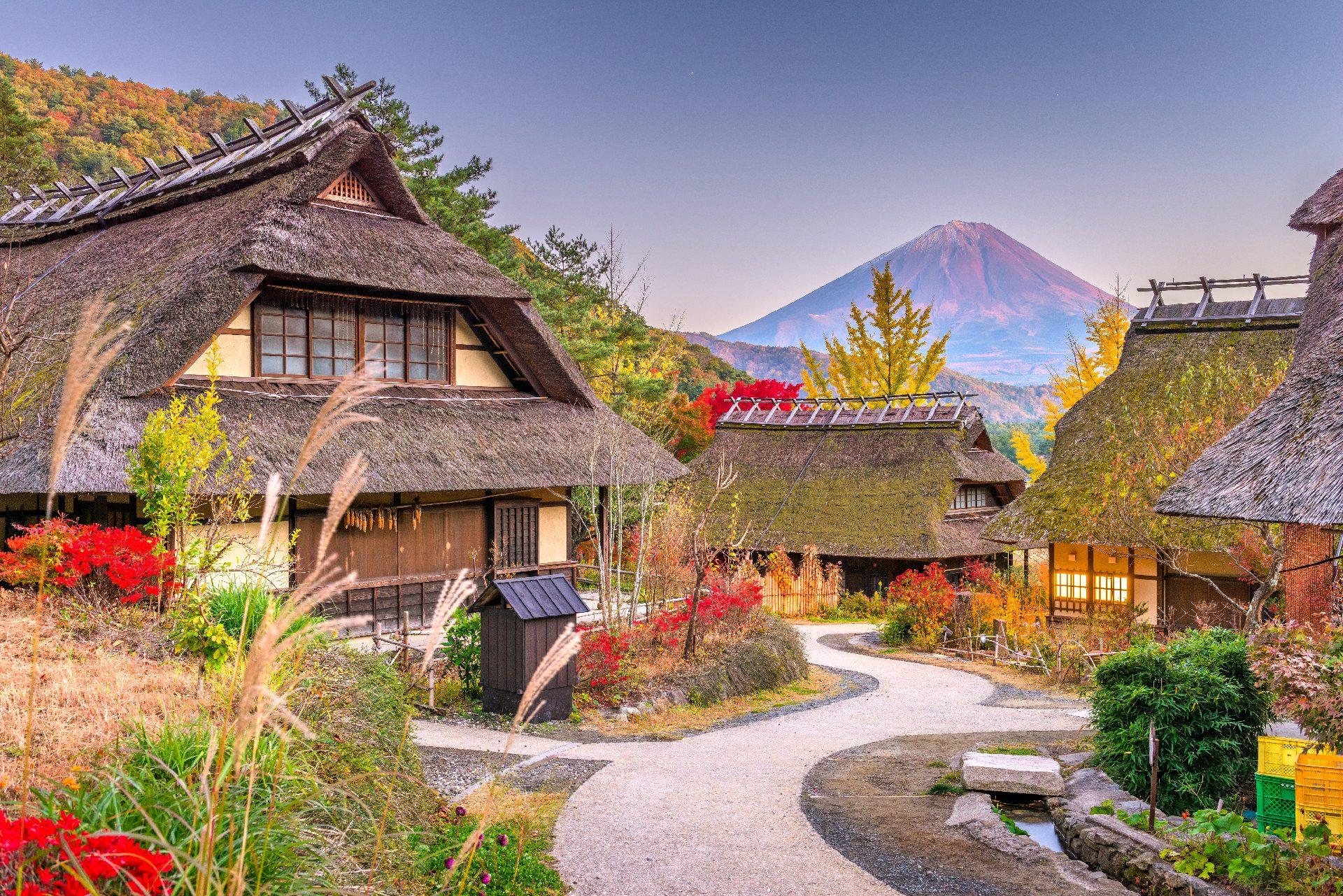
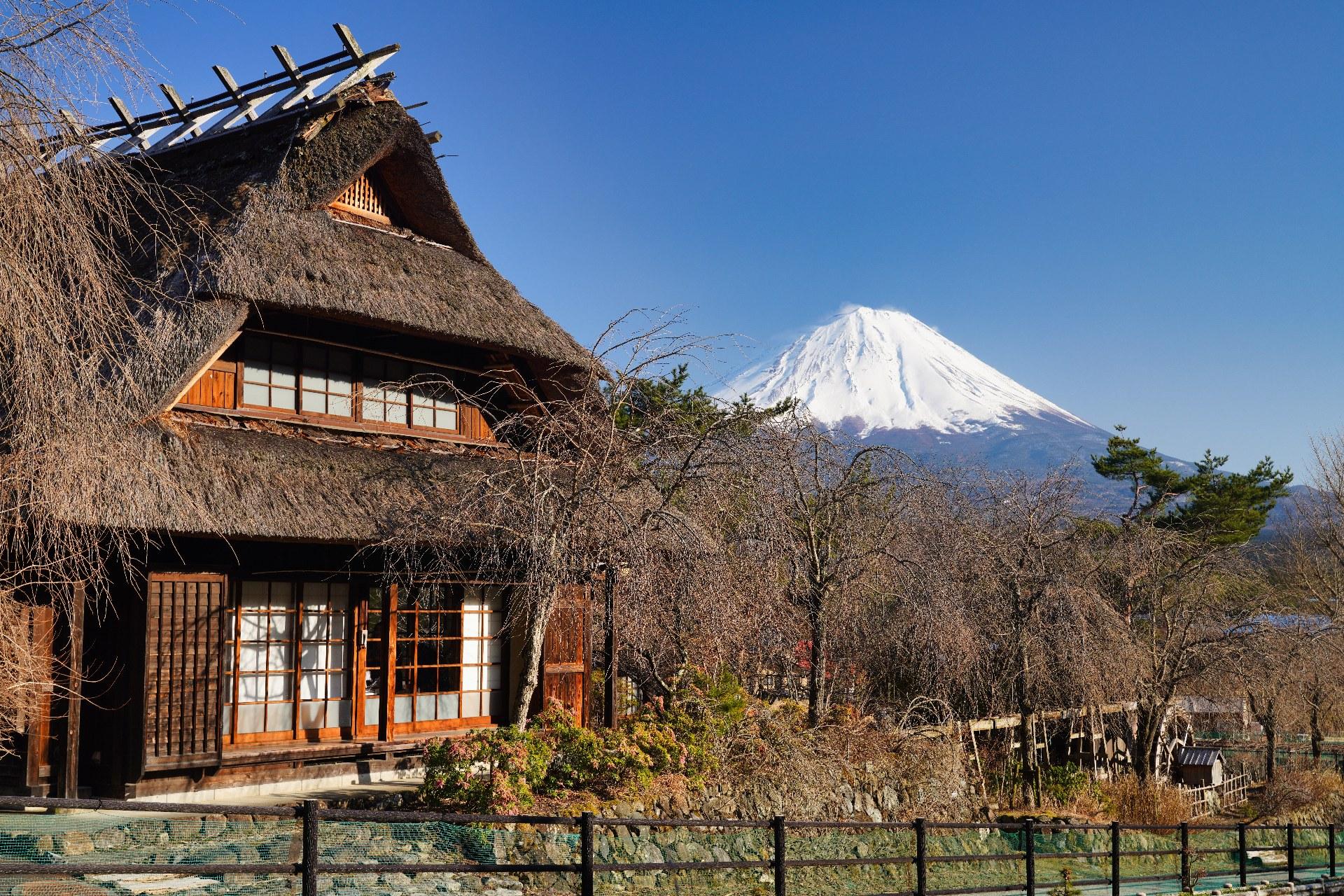
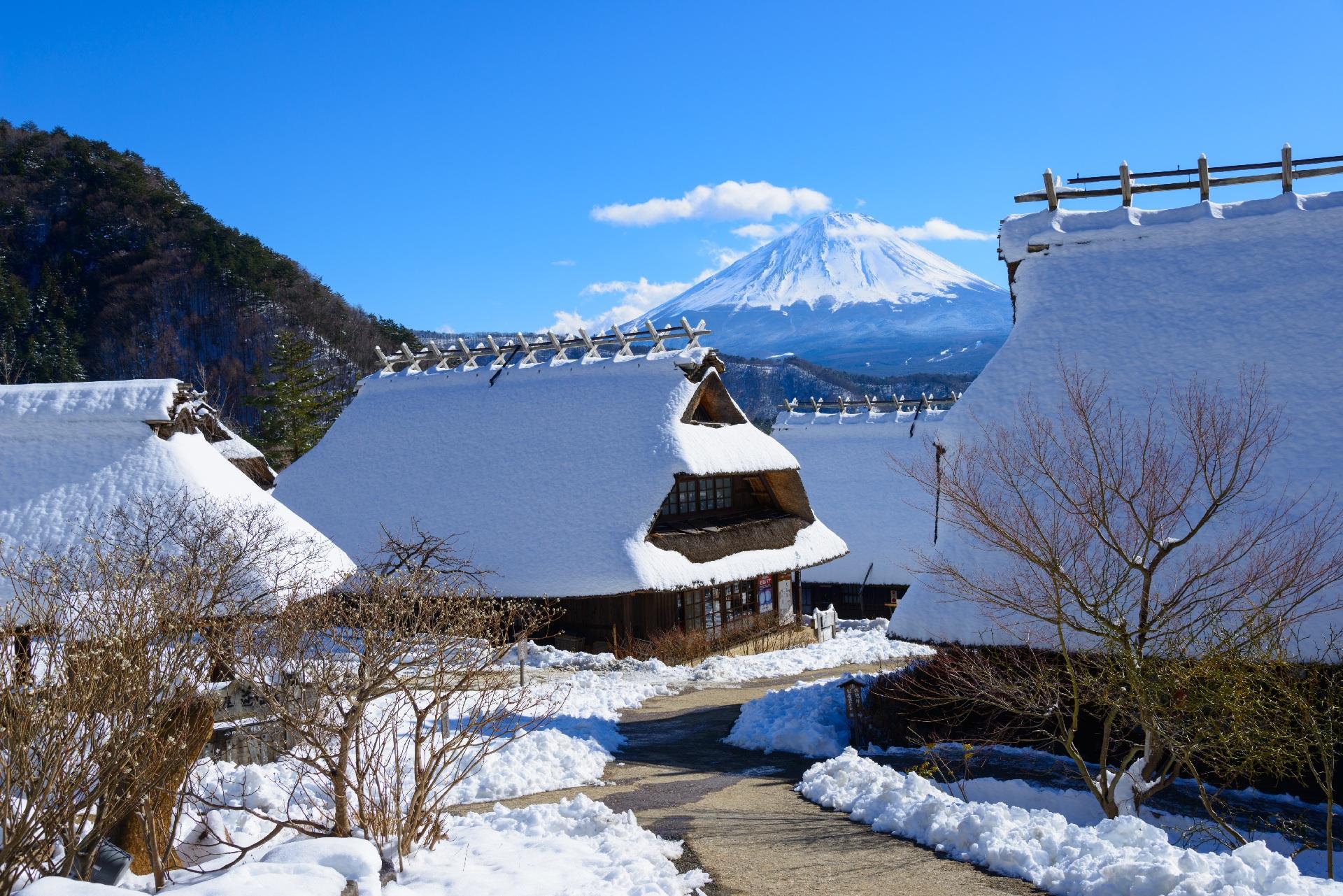
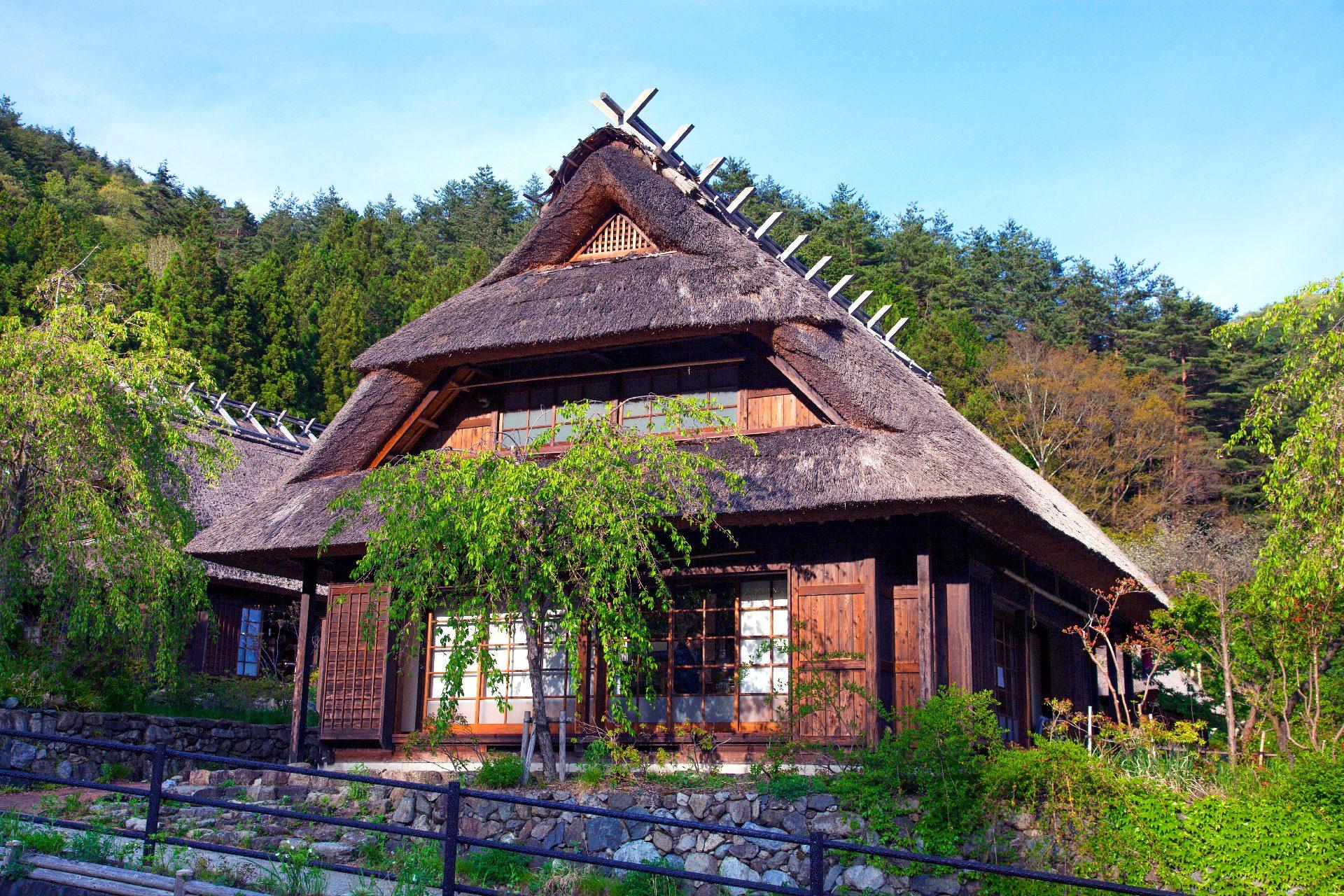
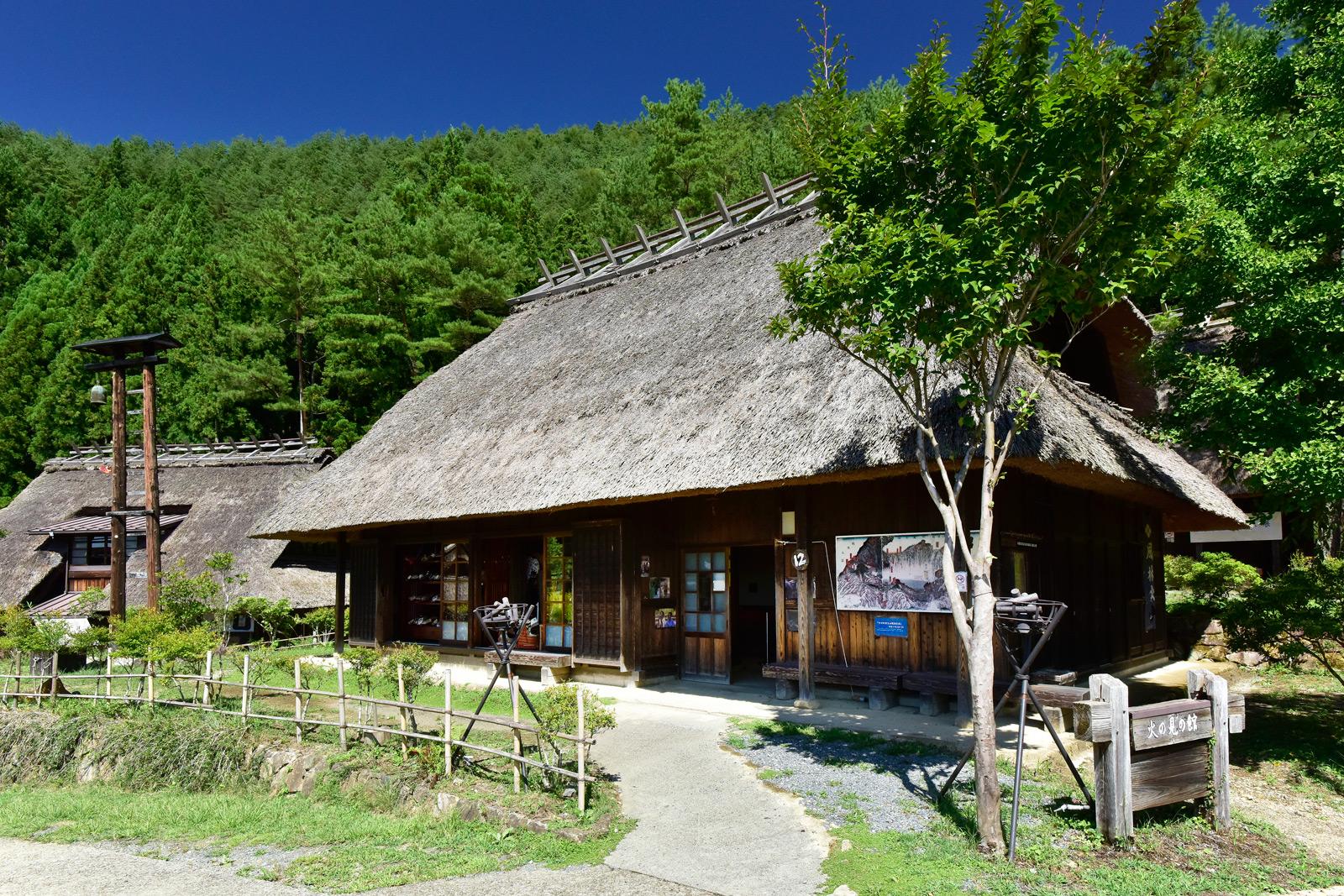
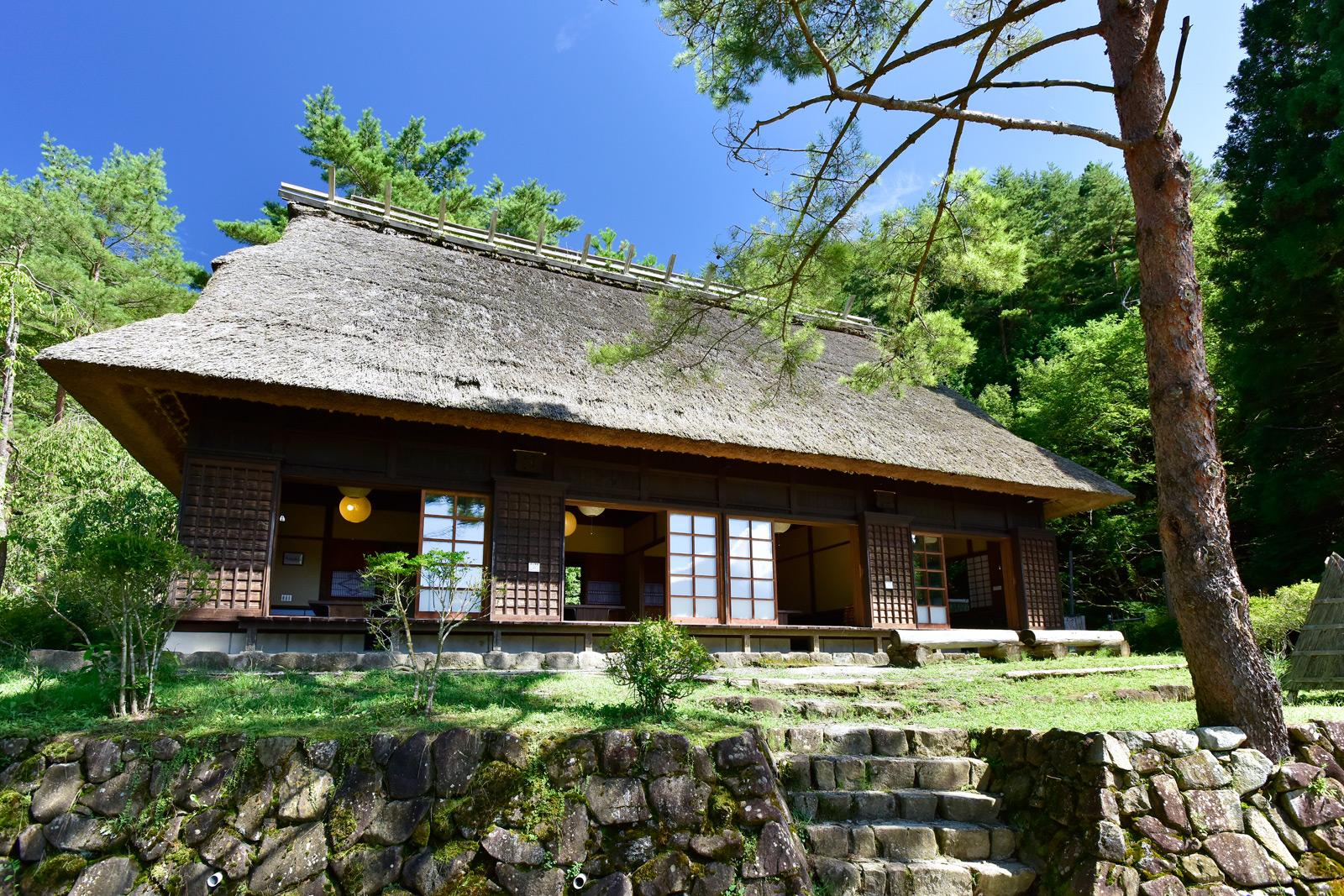
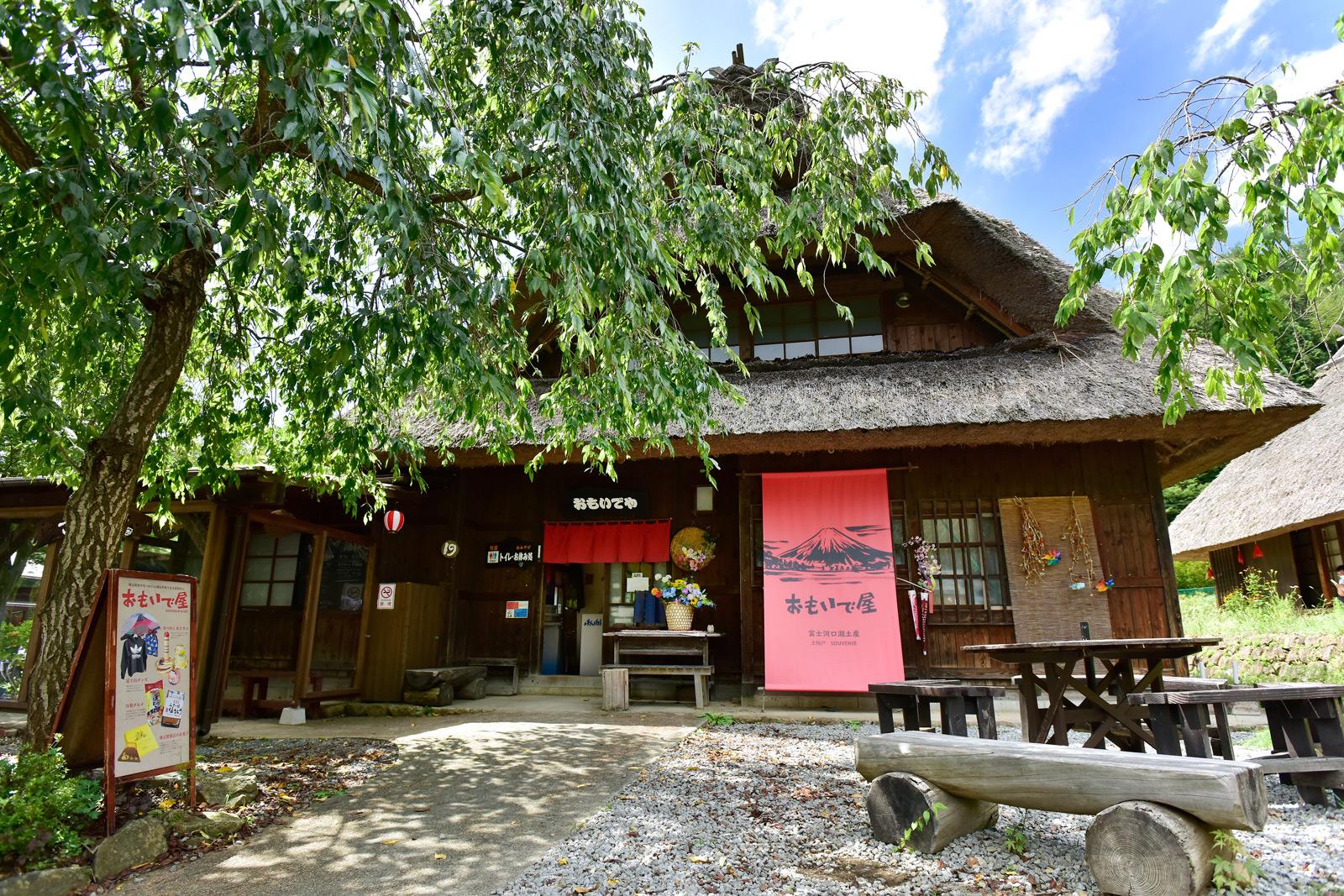
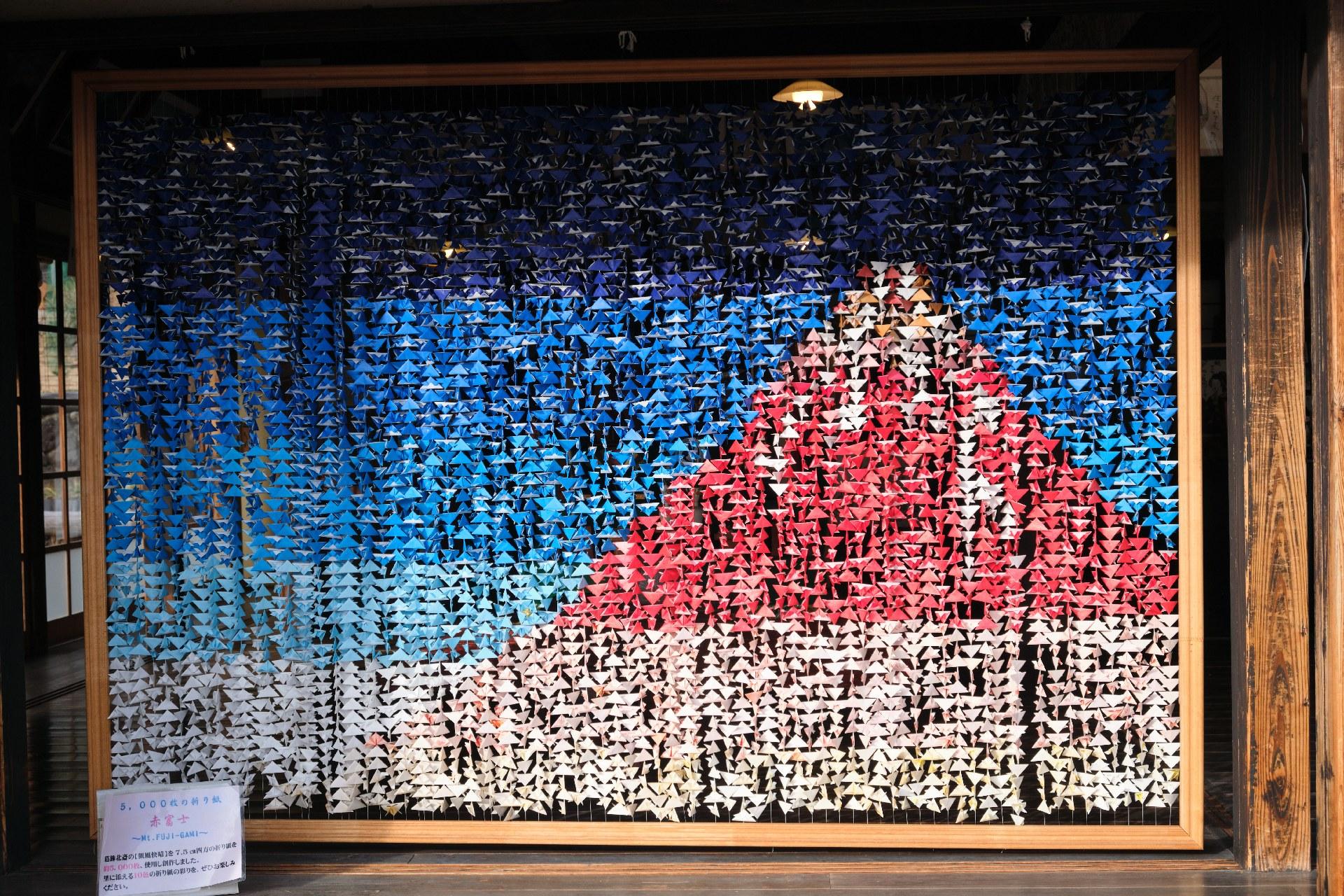
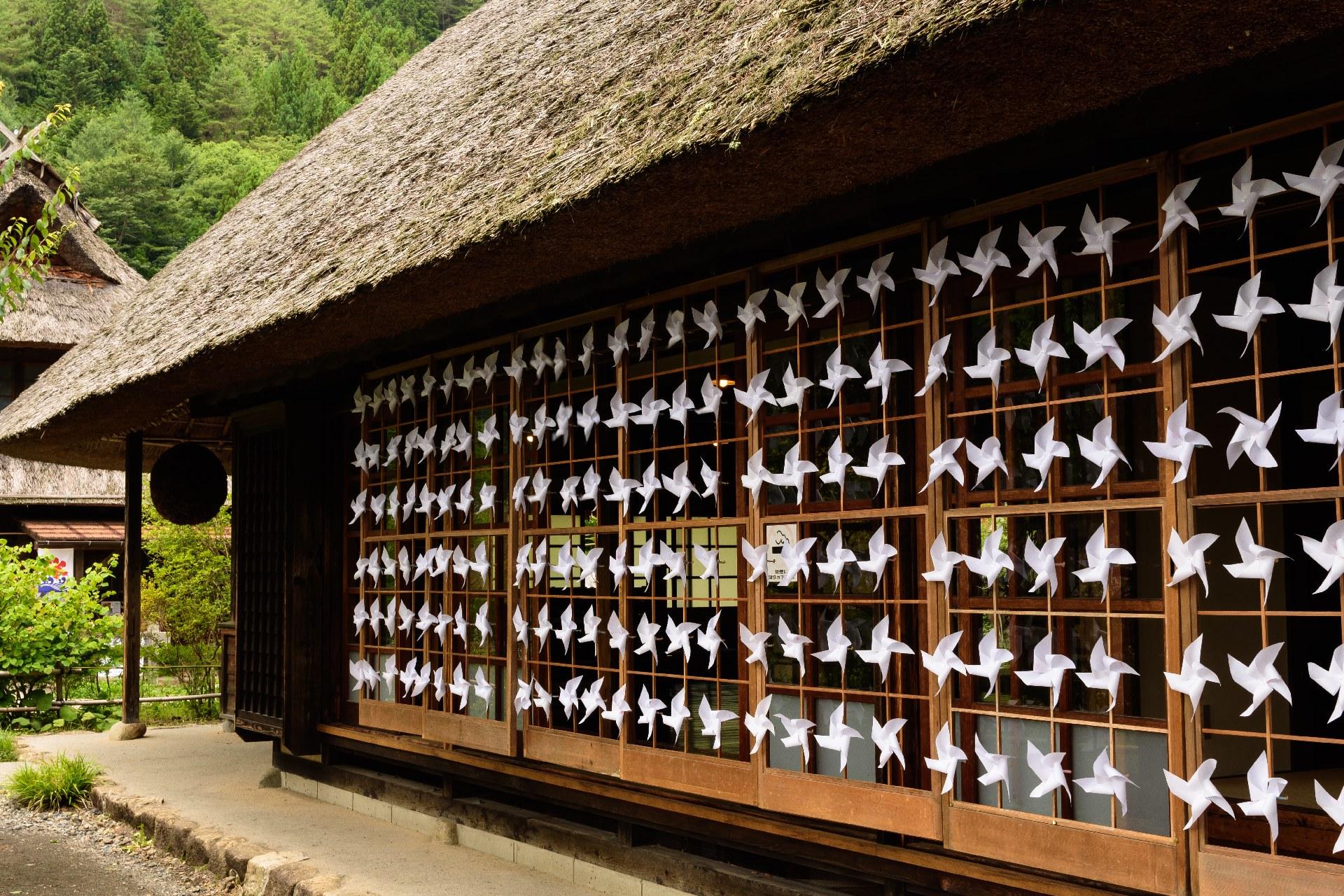
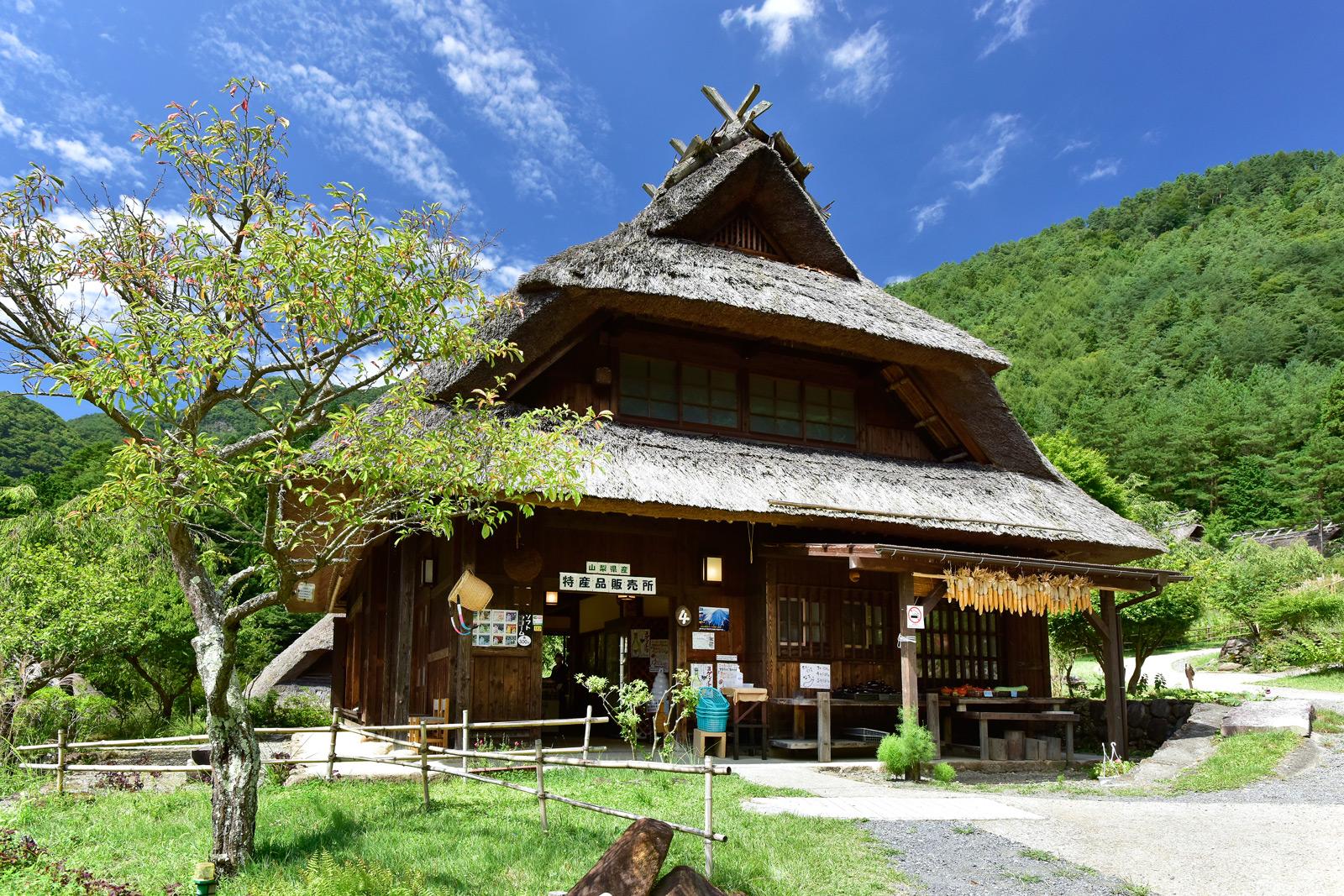
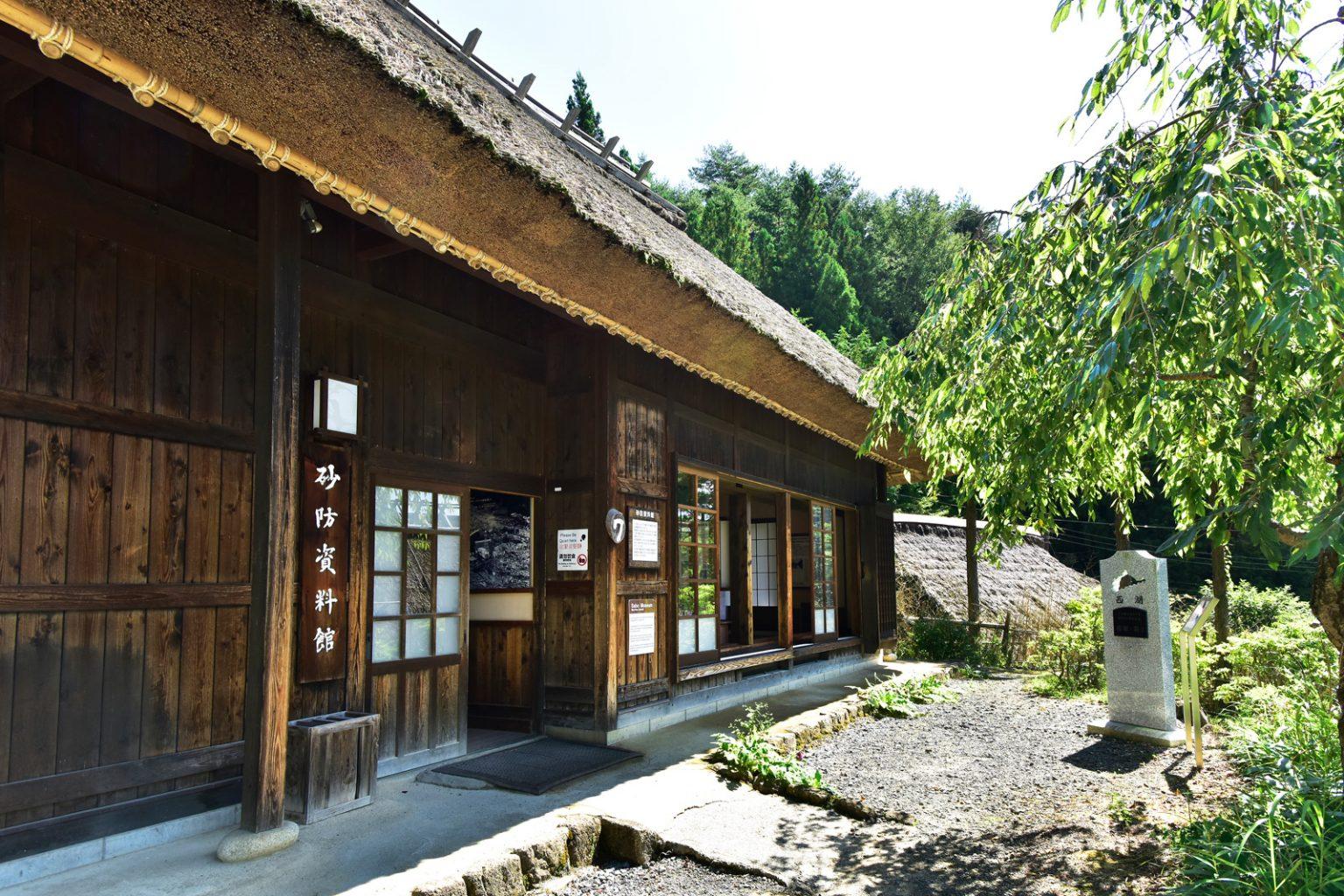
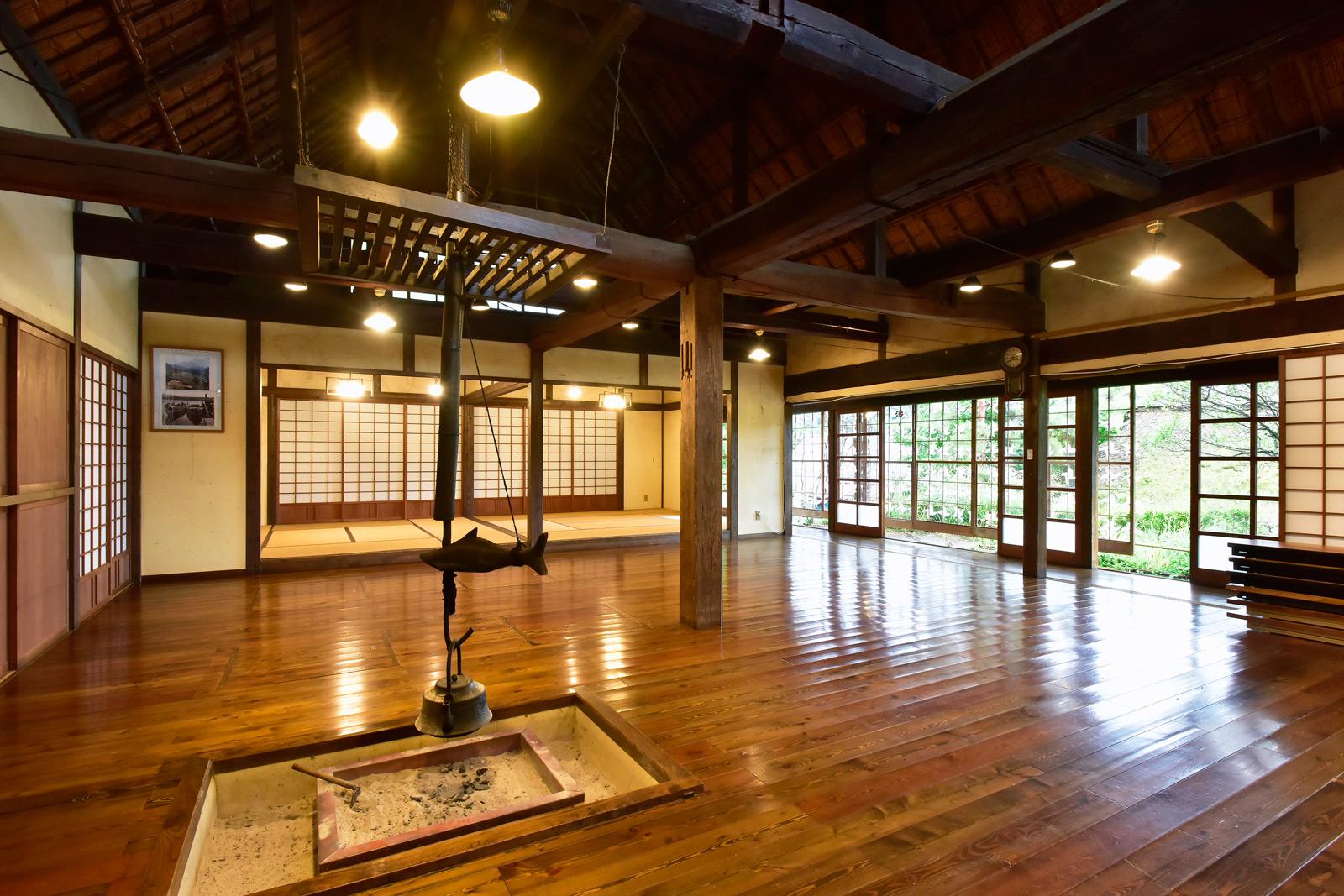
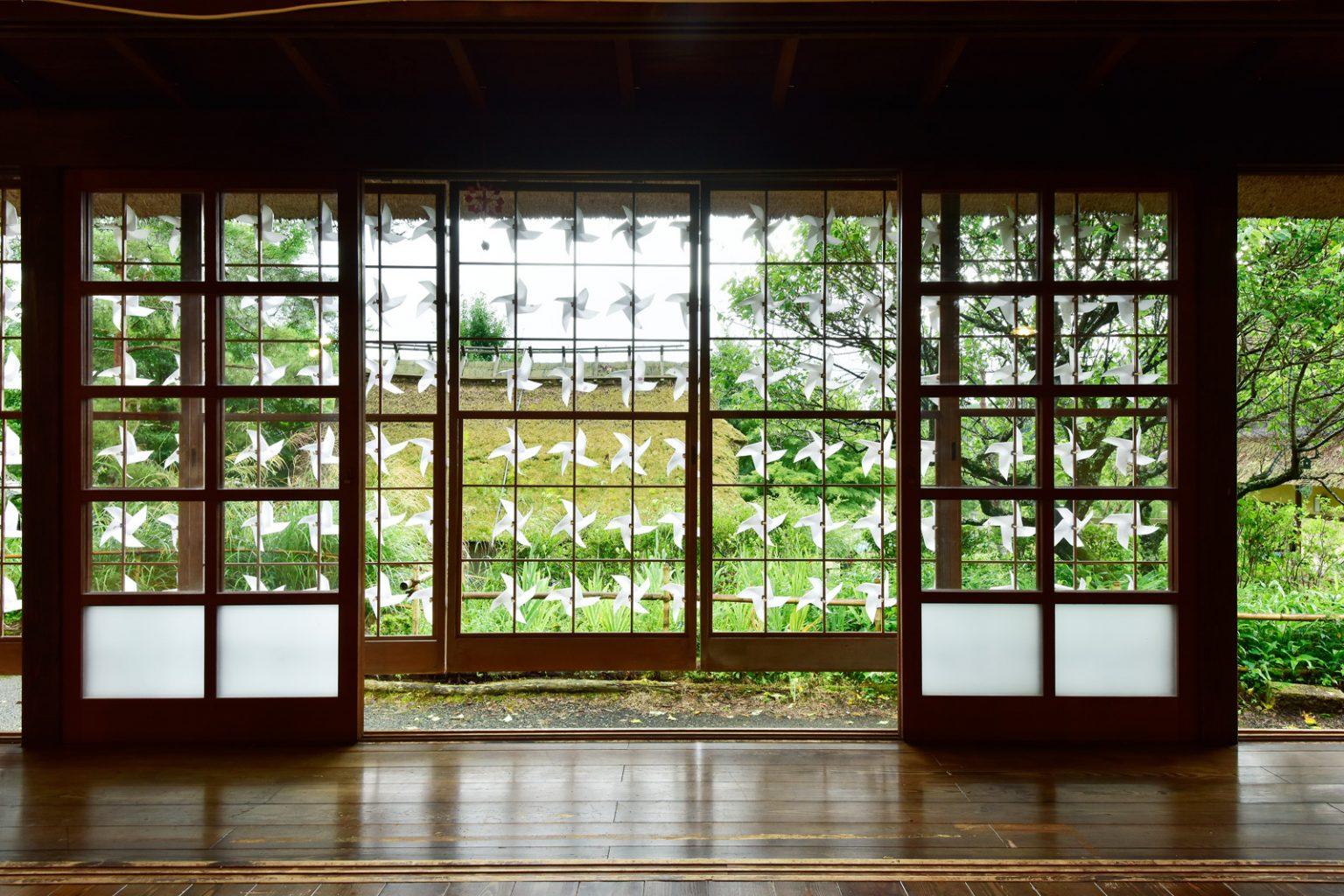
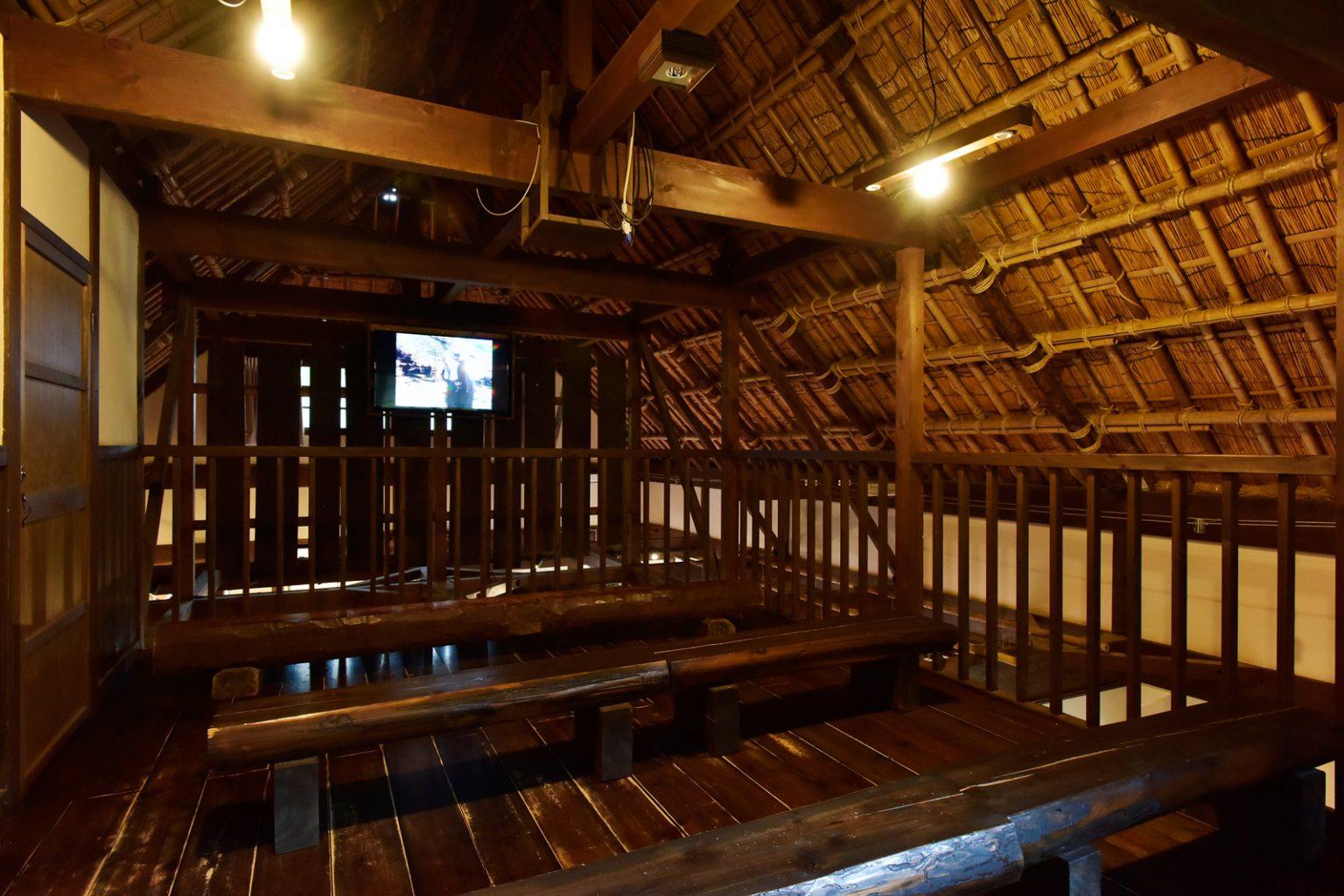
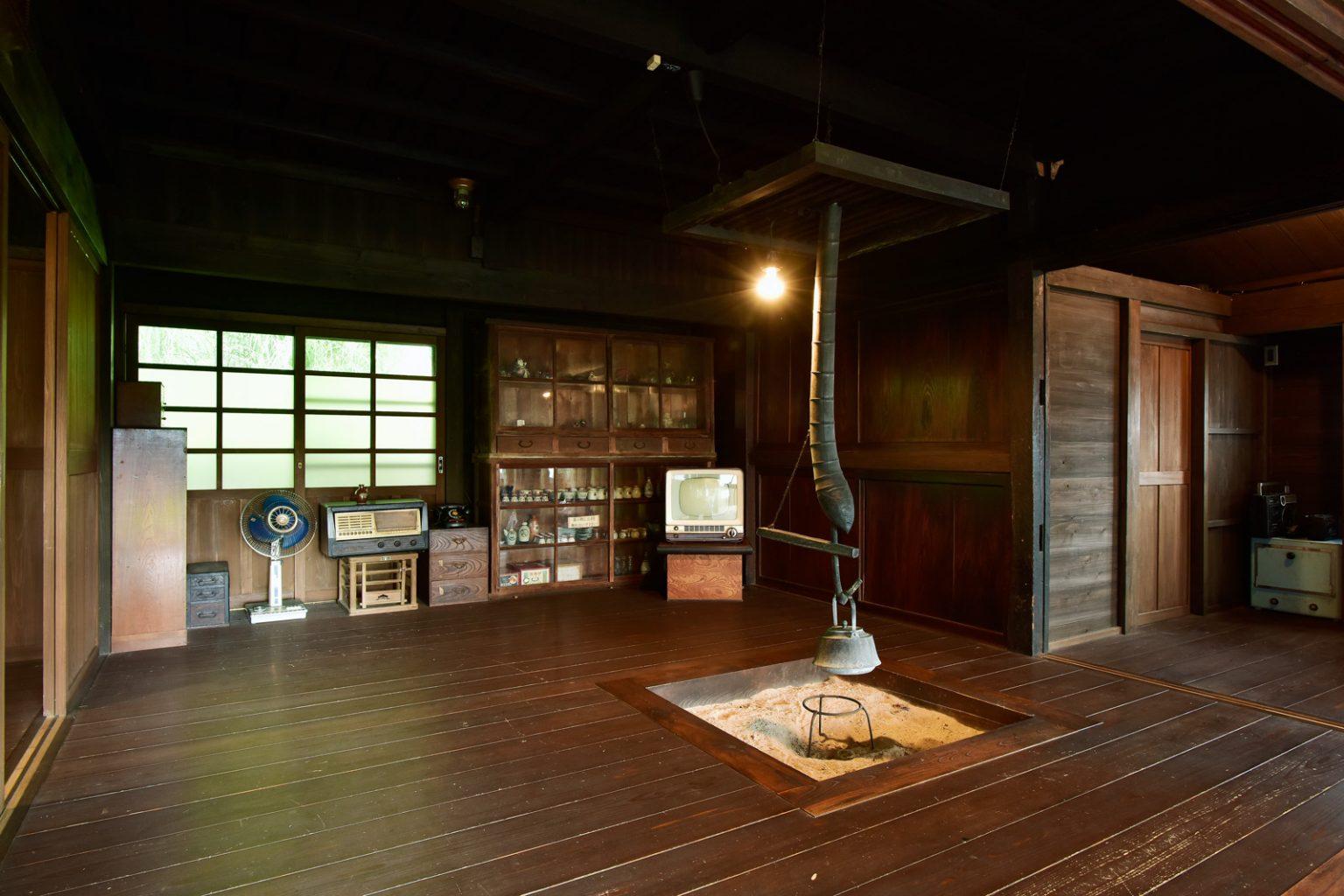
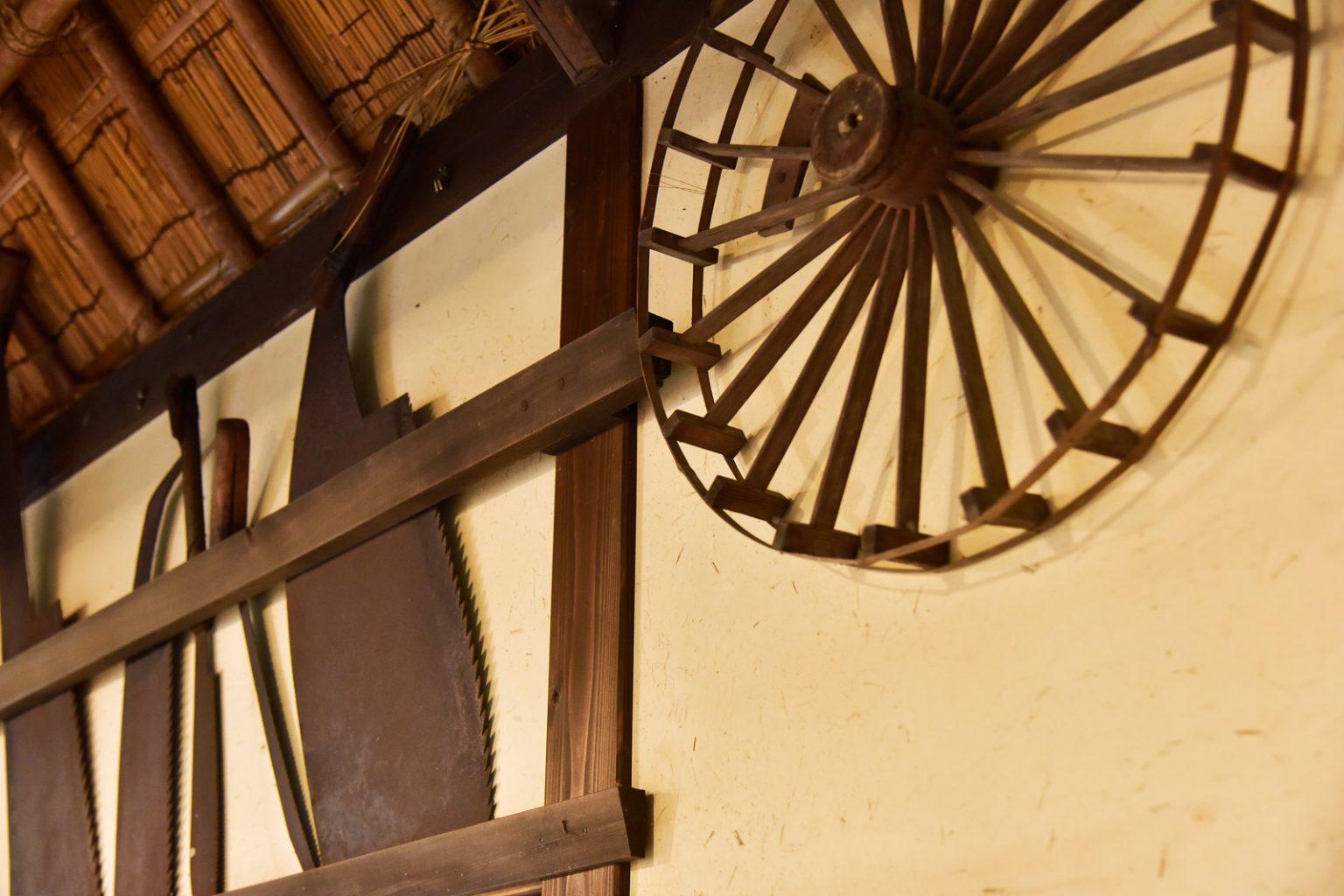
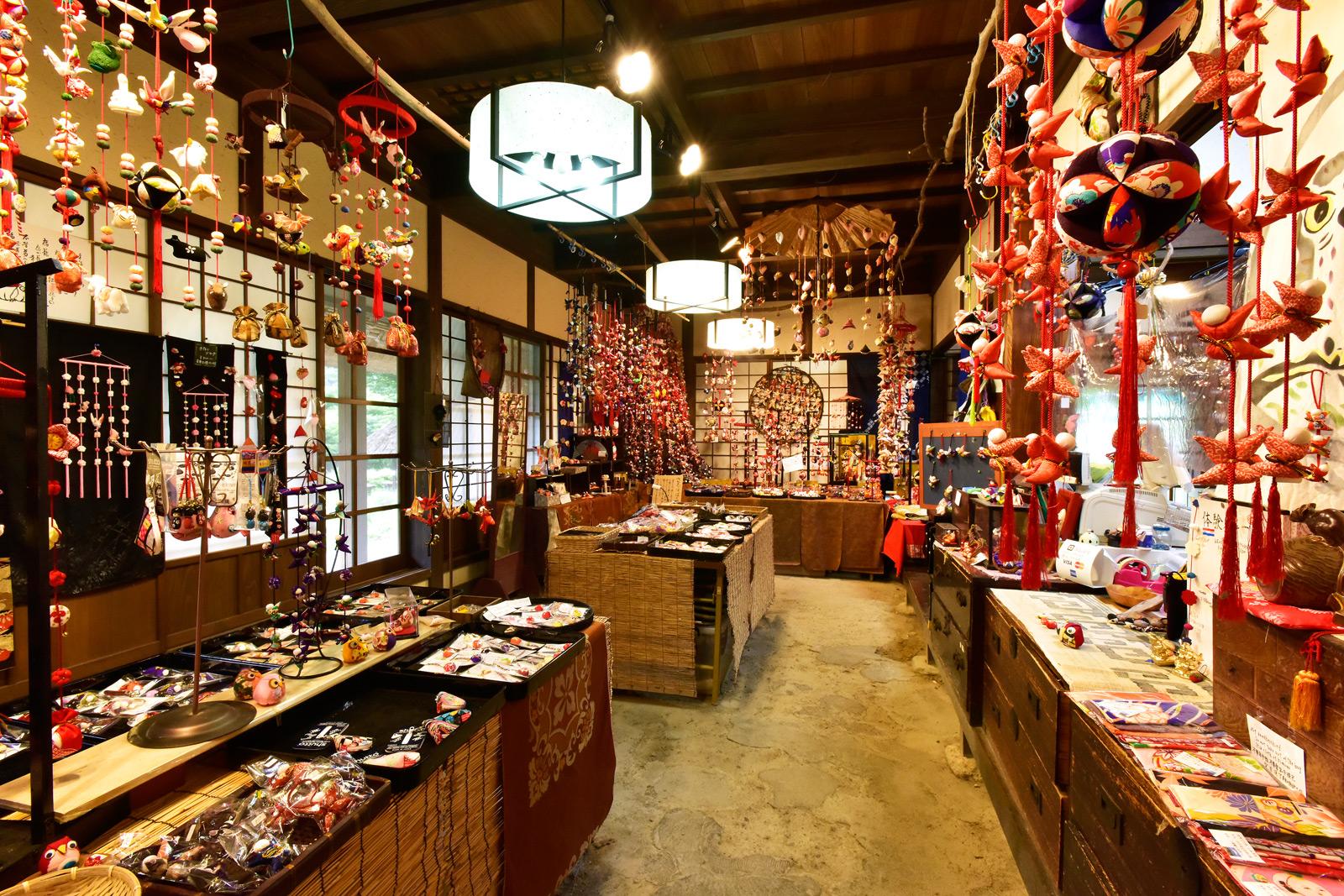
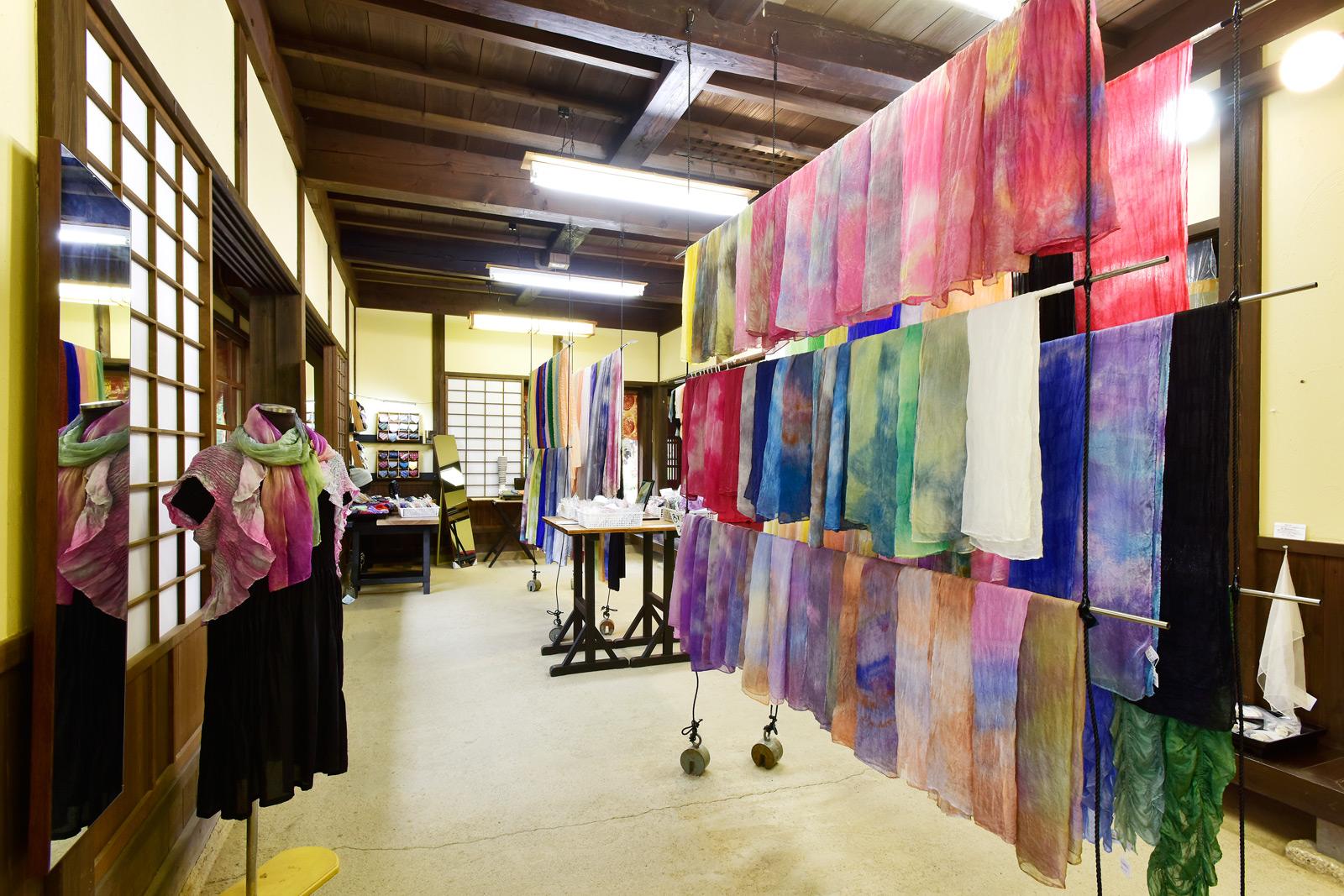
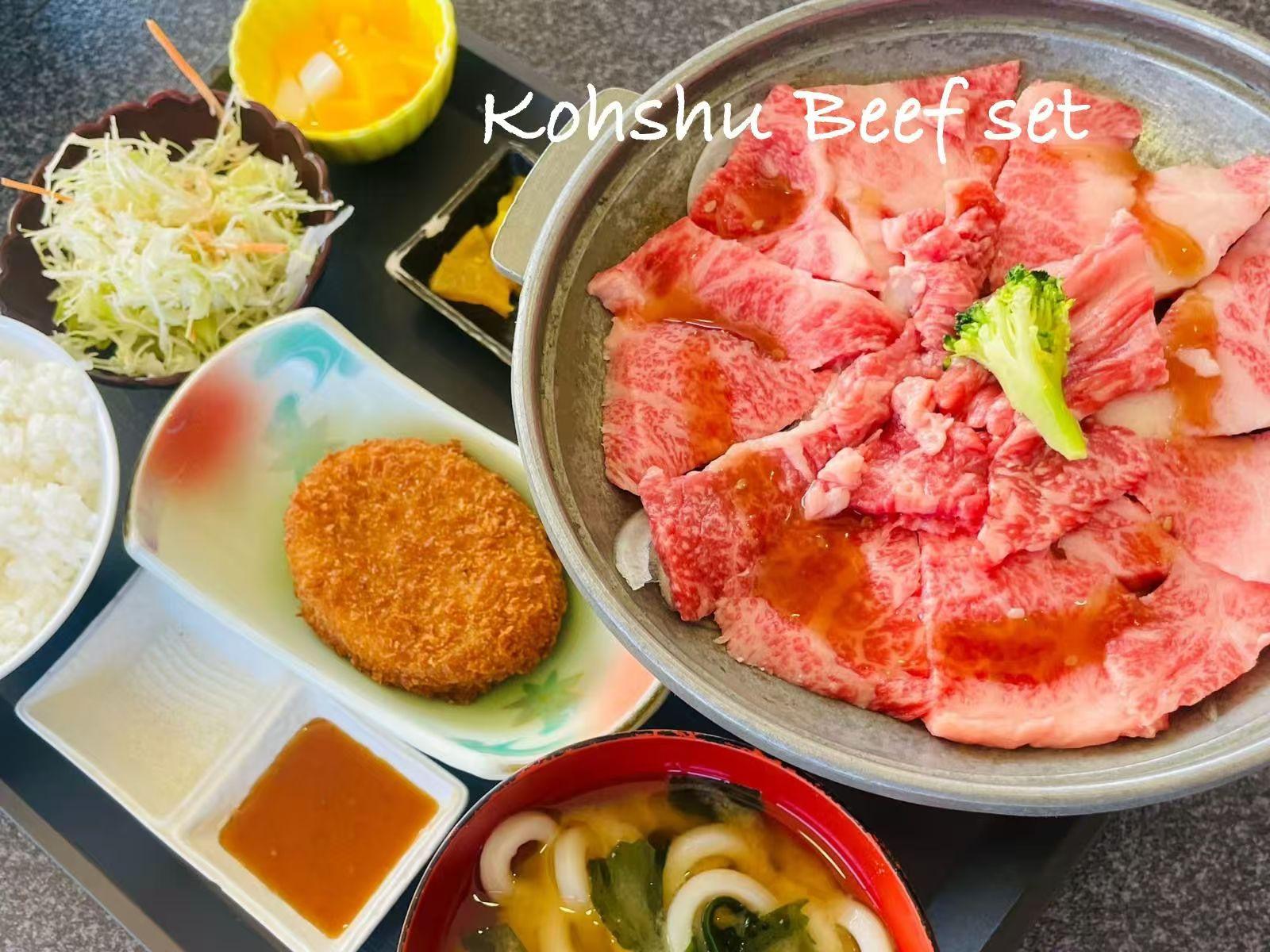
Discover the iconic landscapes around Mt. Fuji, from historic thatched-roof villages to serene lakeside parks and ancient shrines.
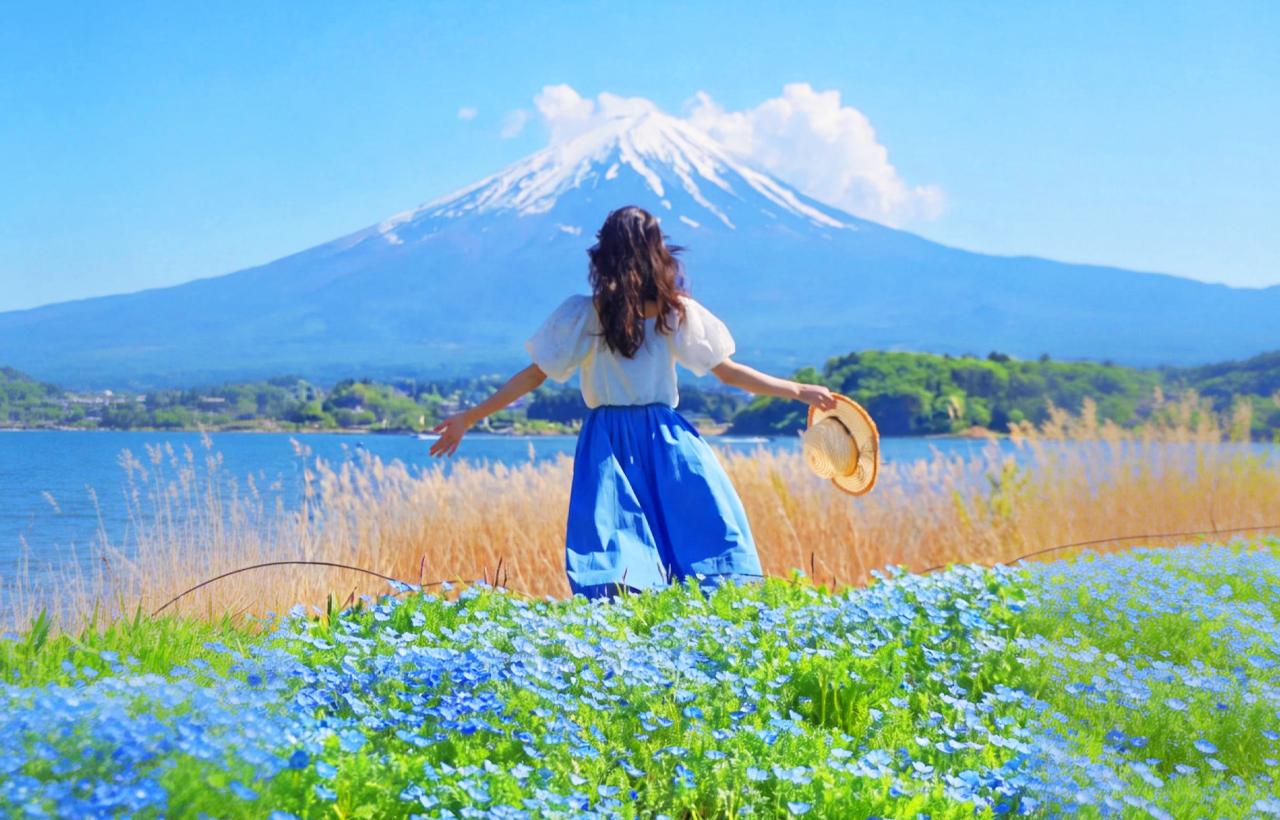
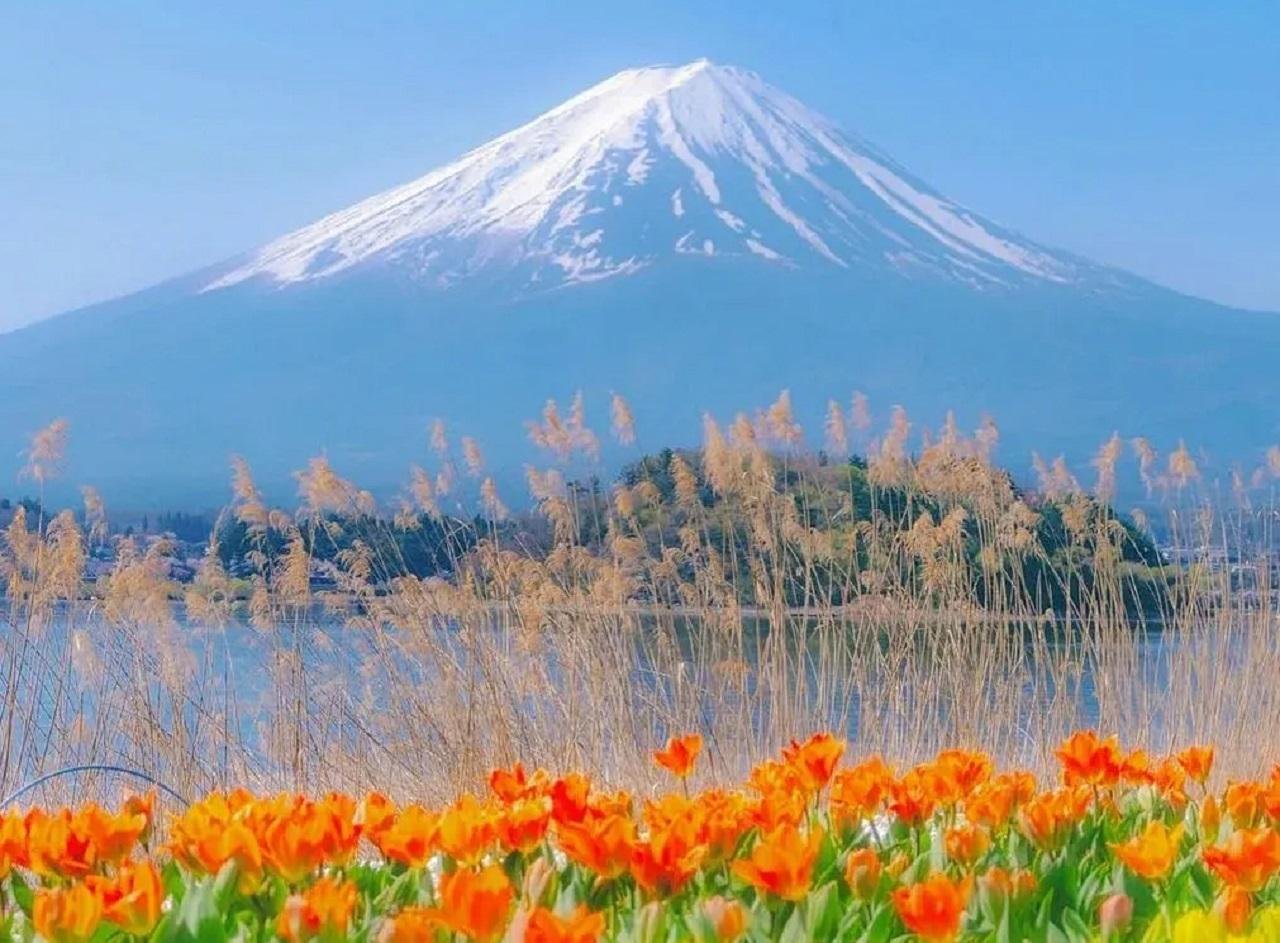
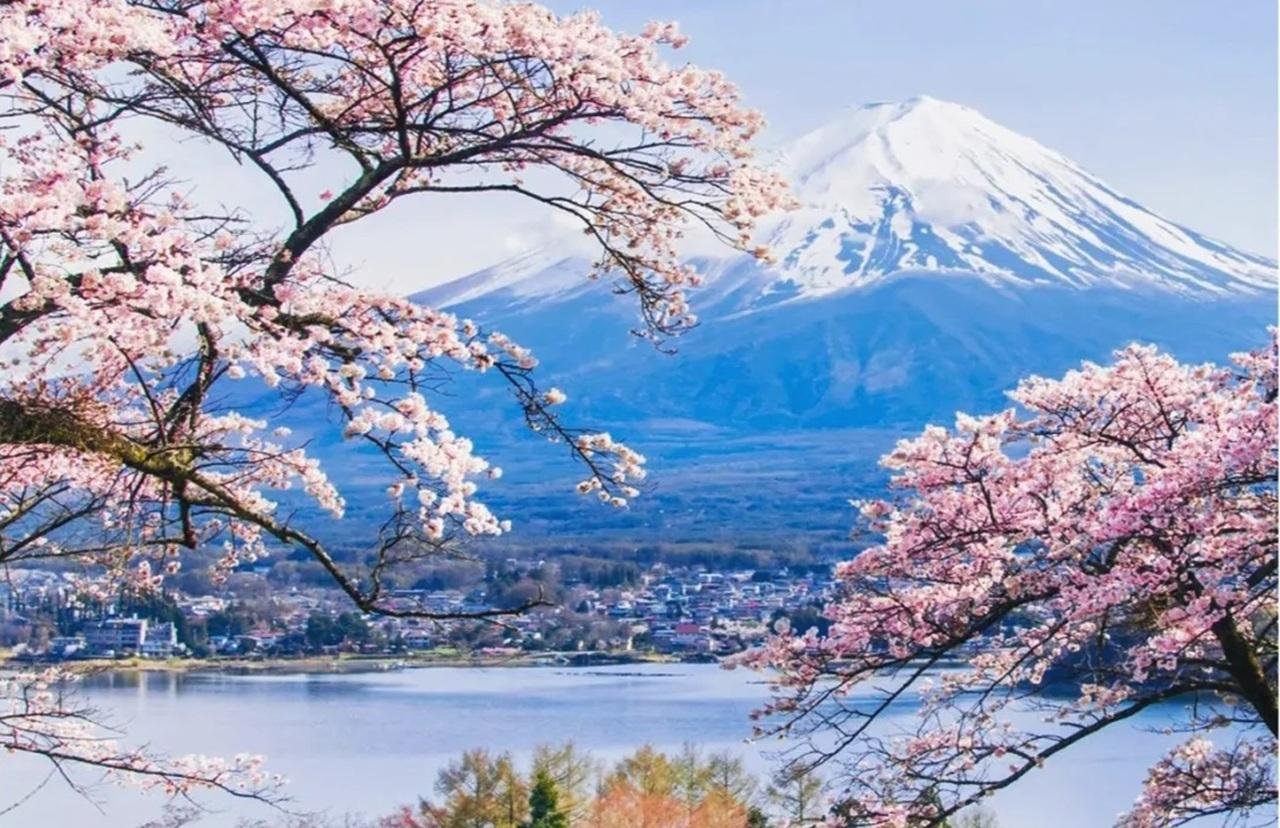
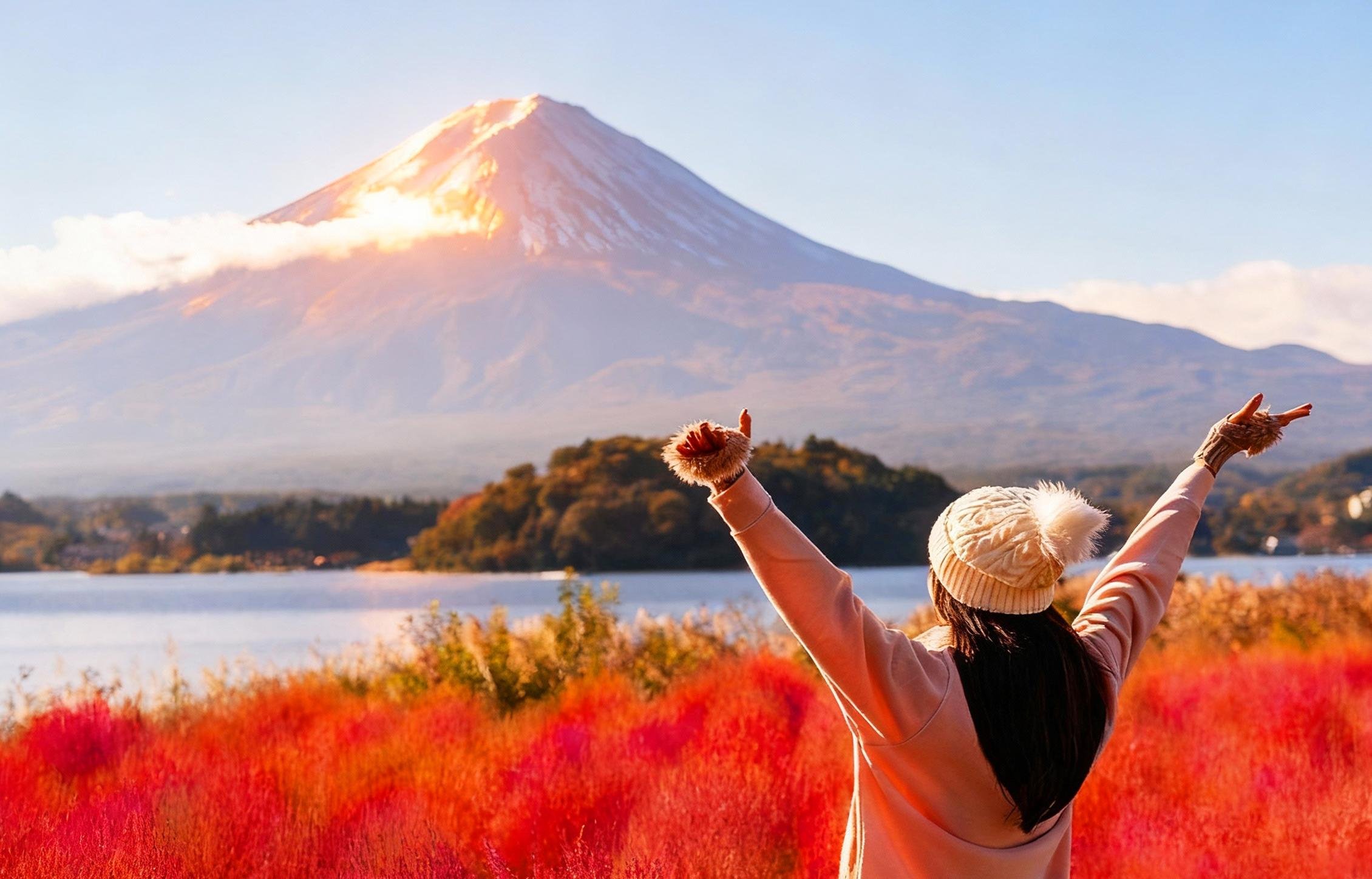
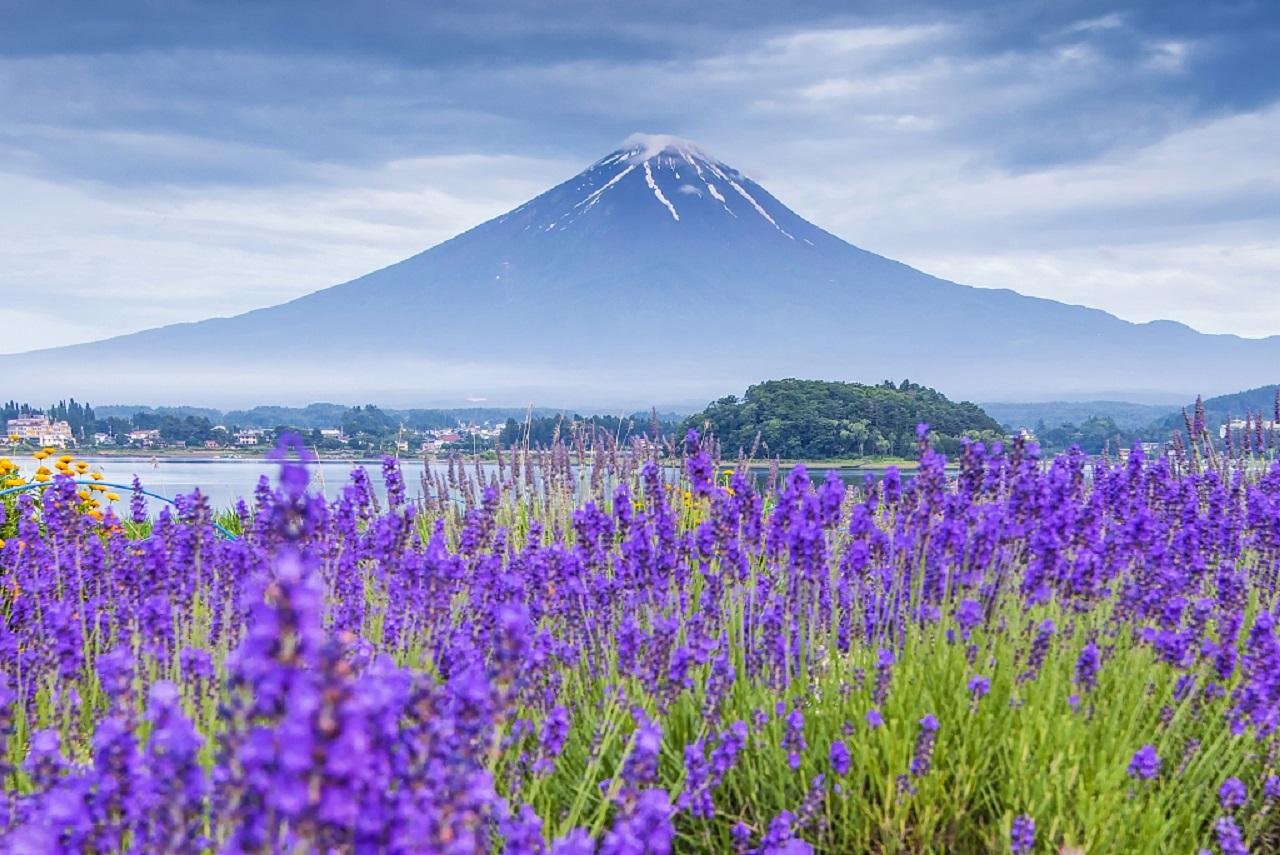

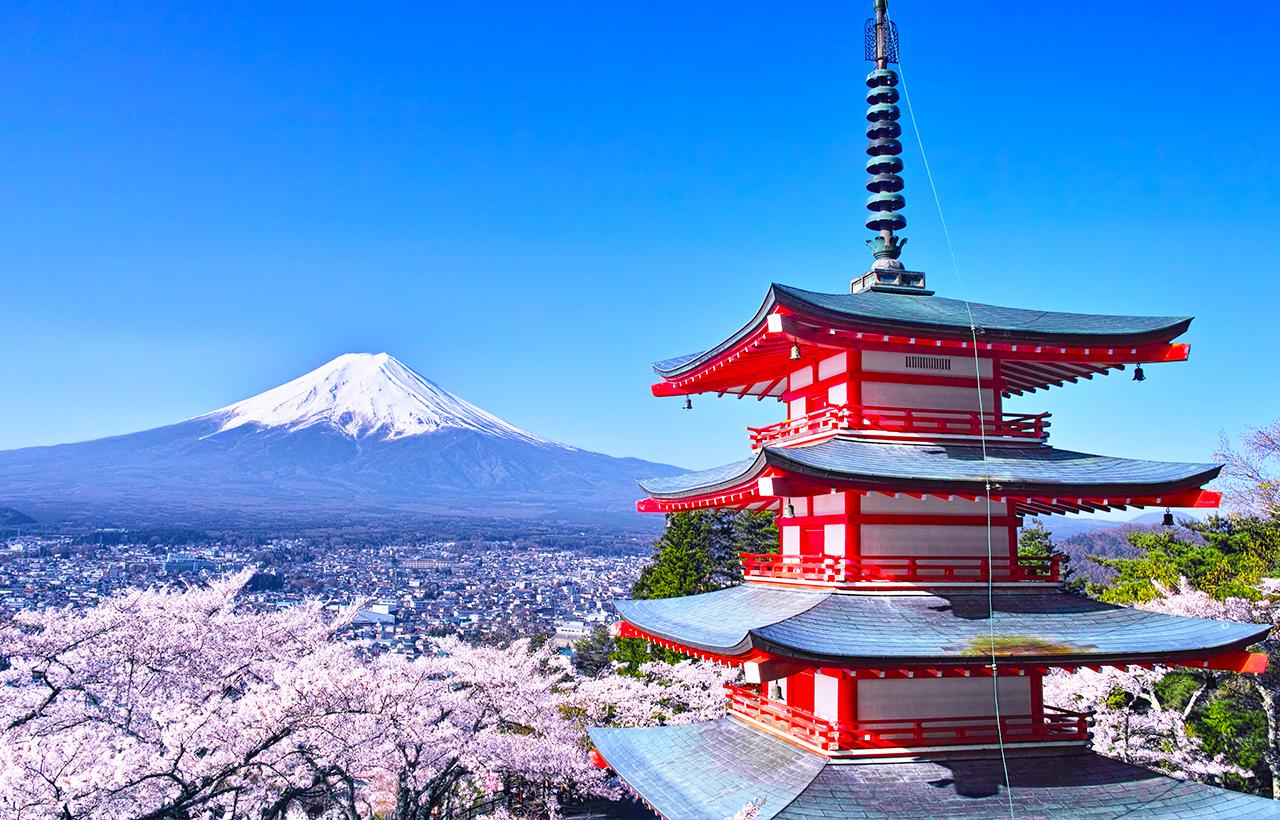
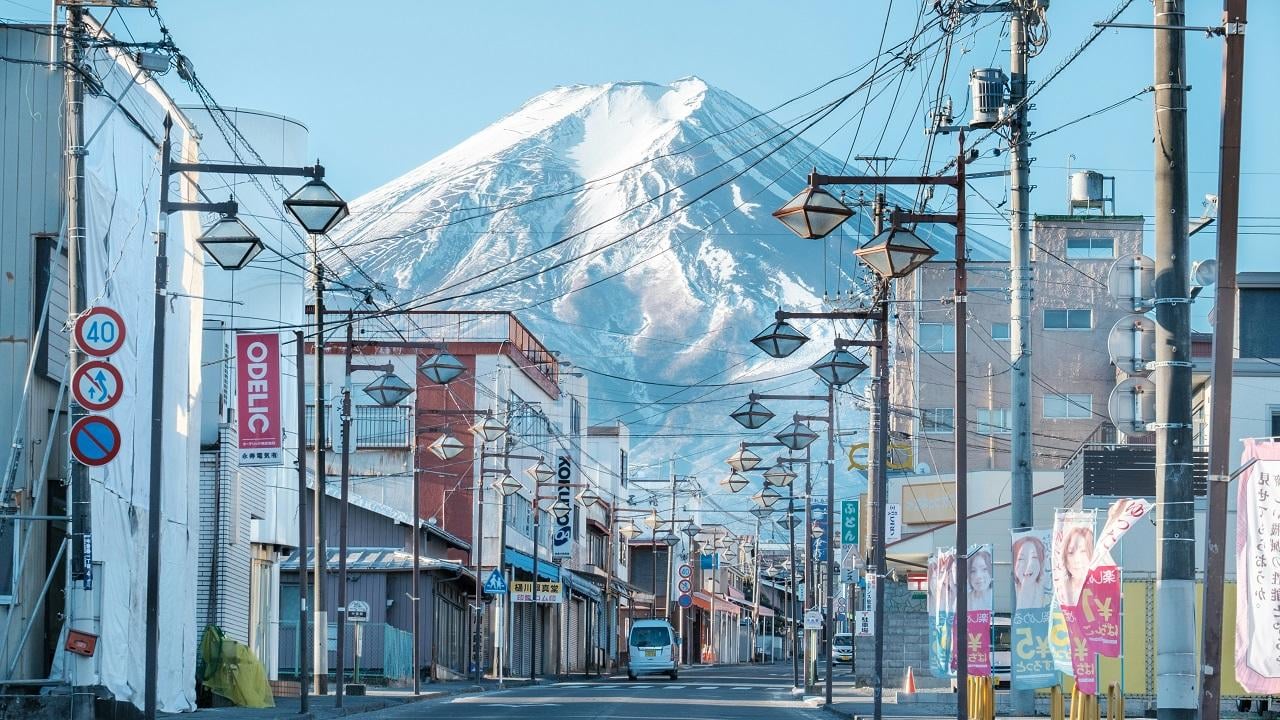
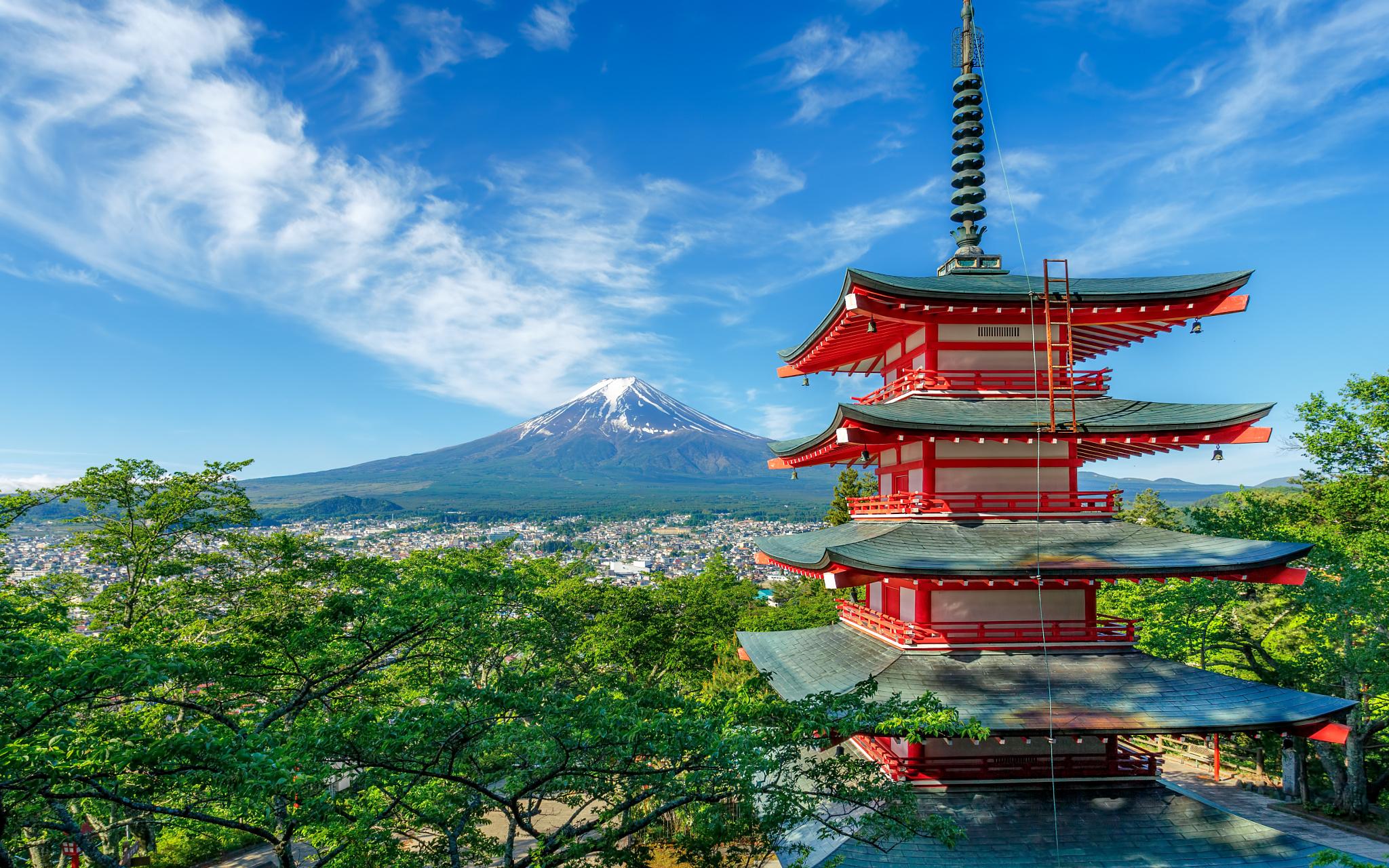
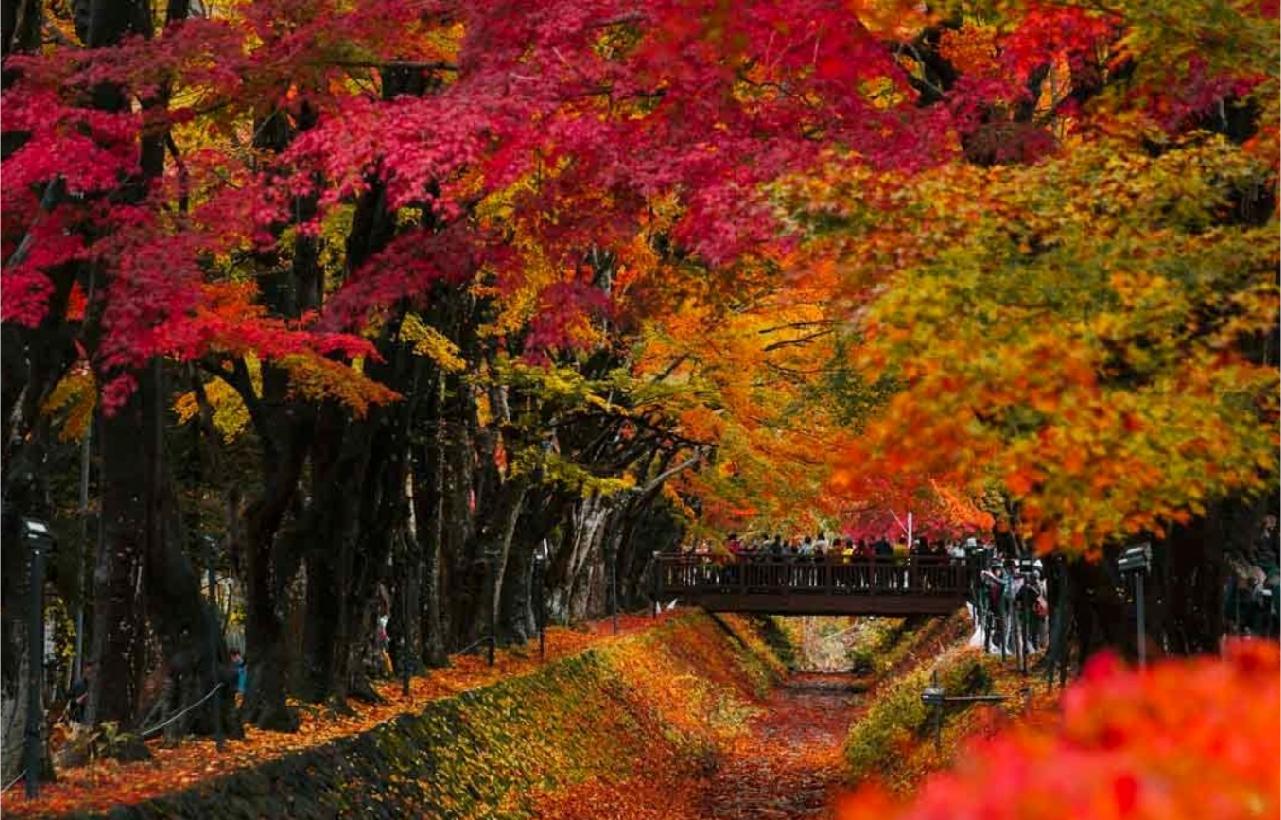
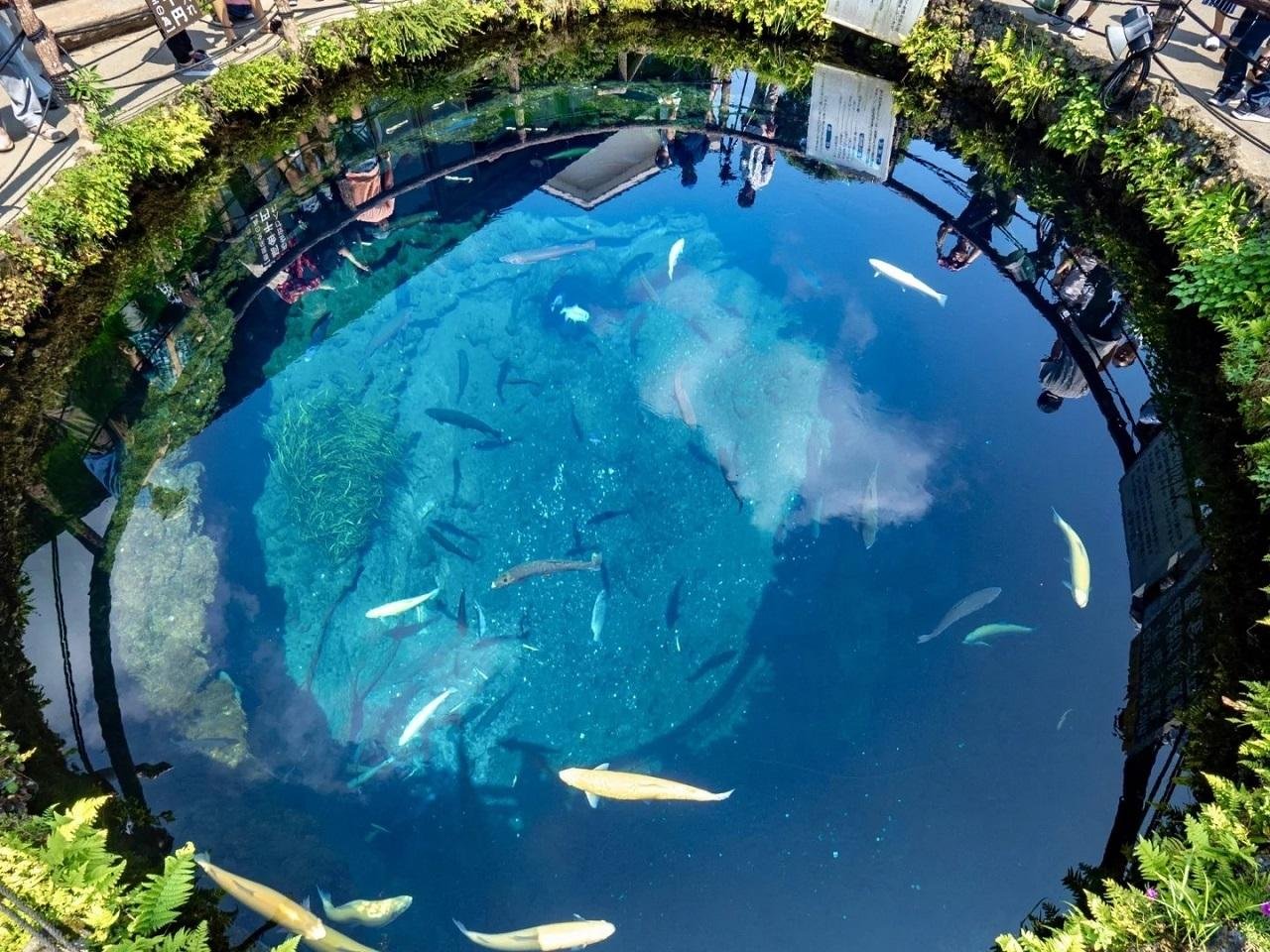
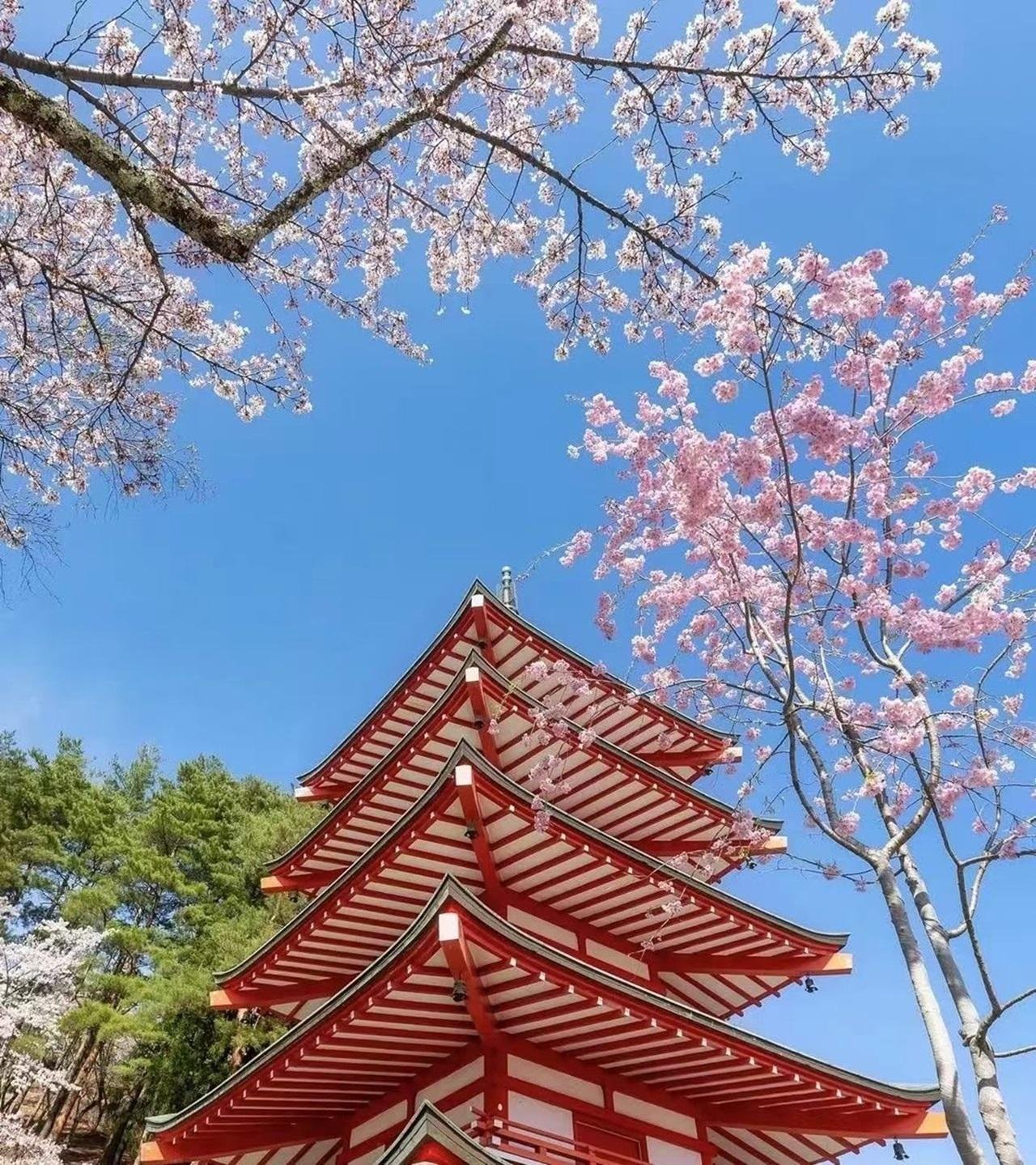
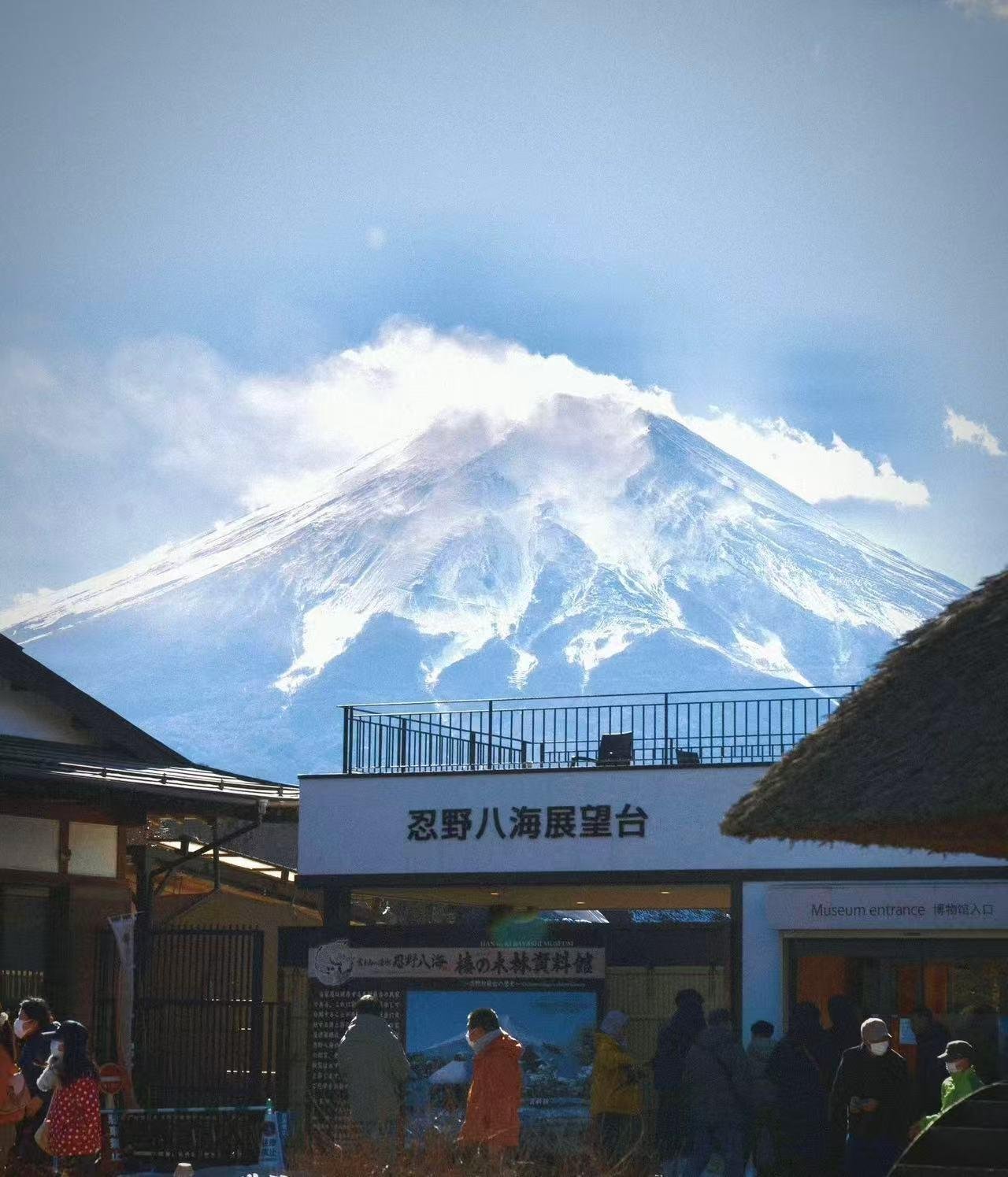
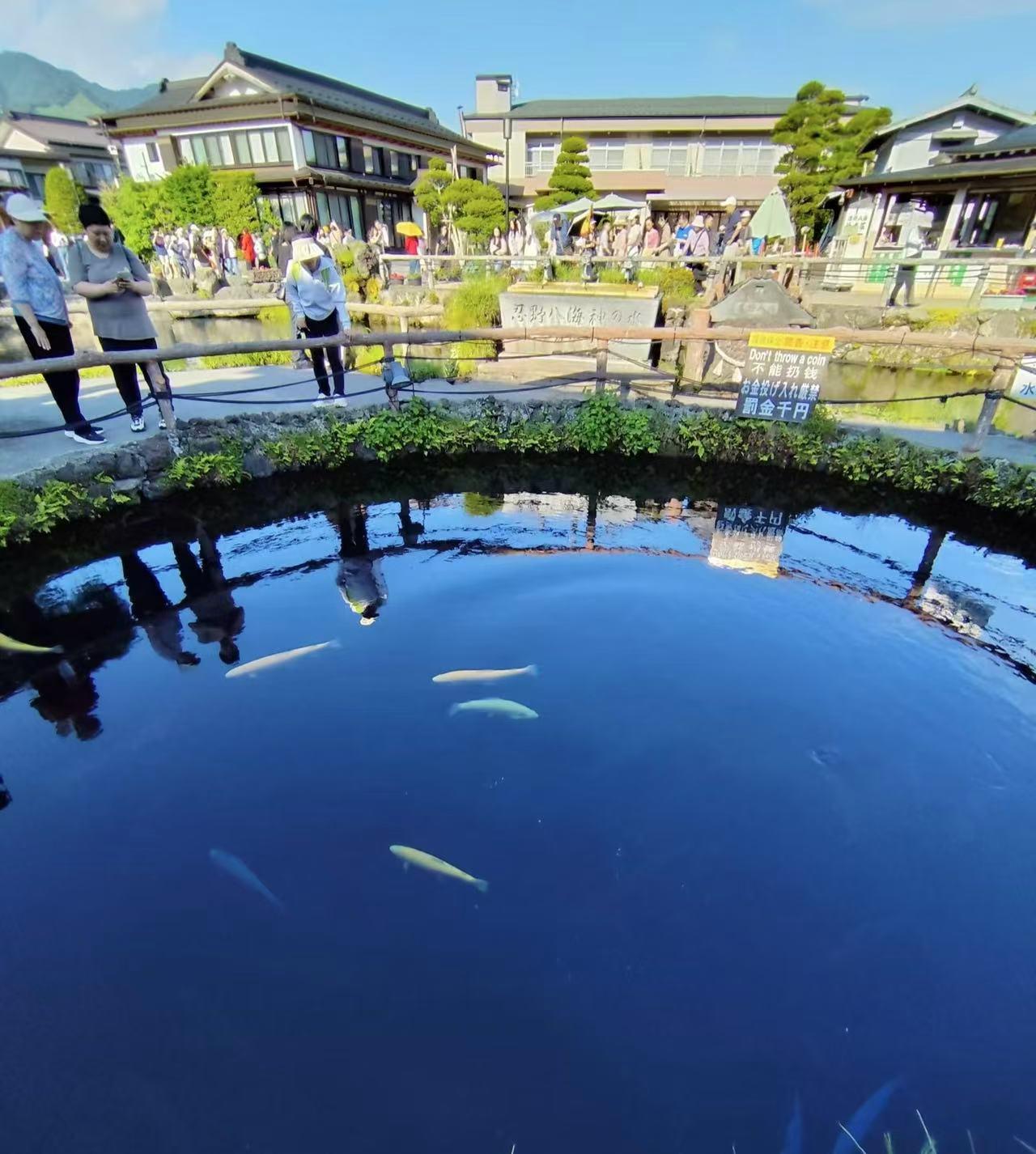
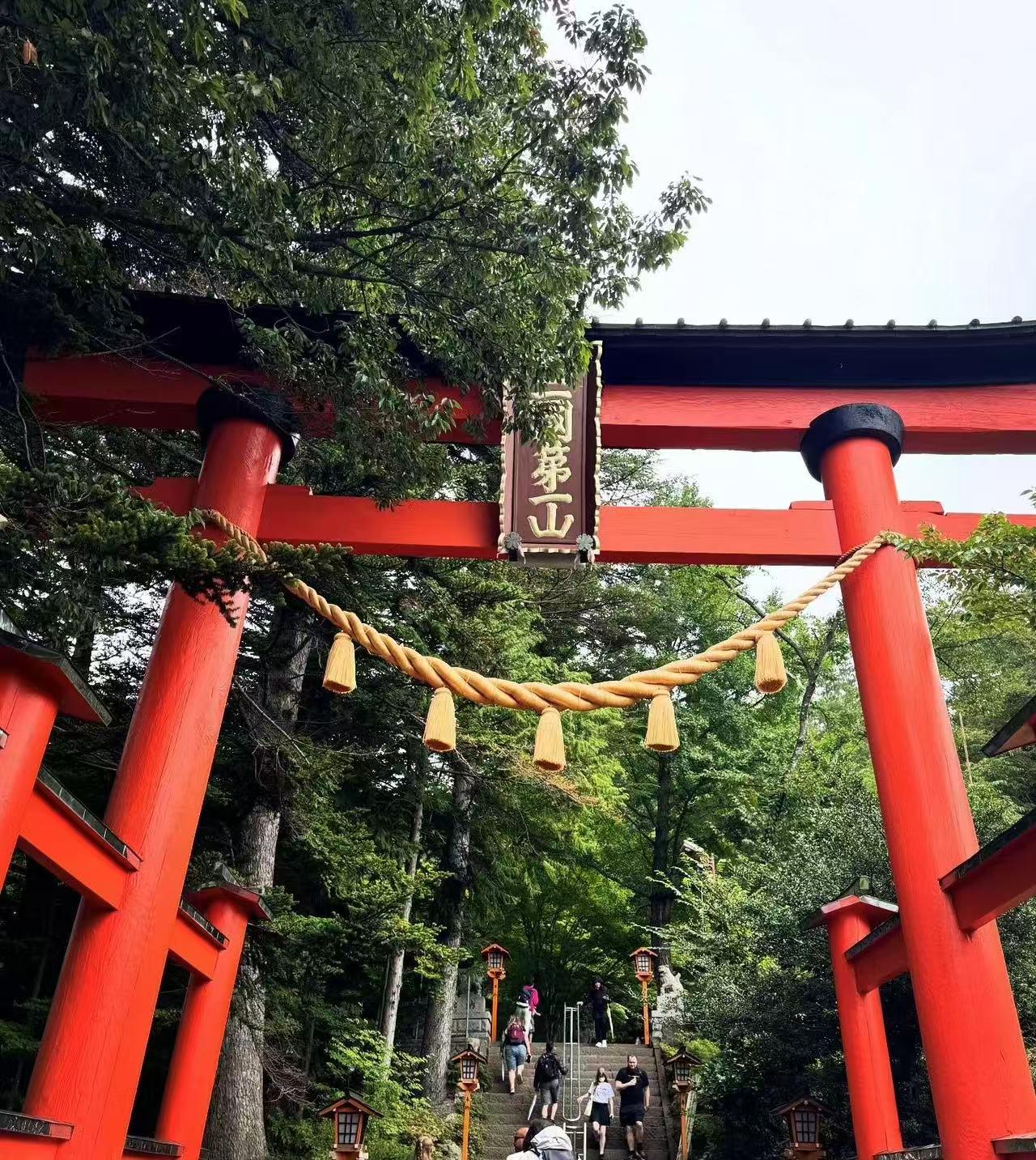
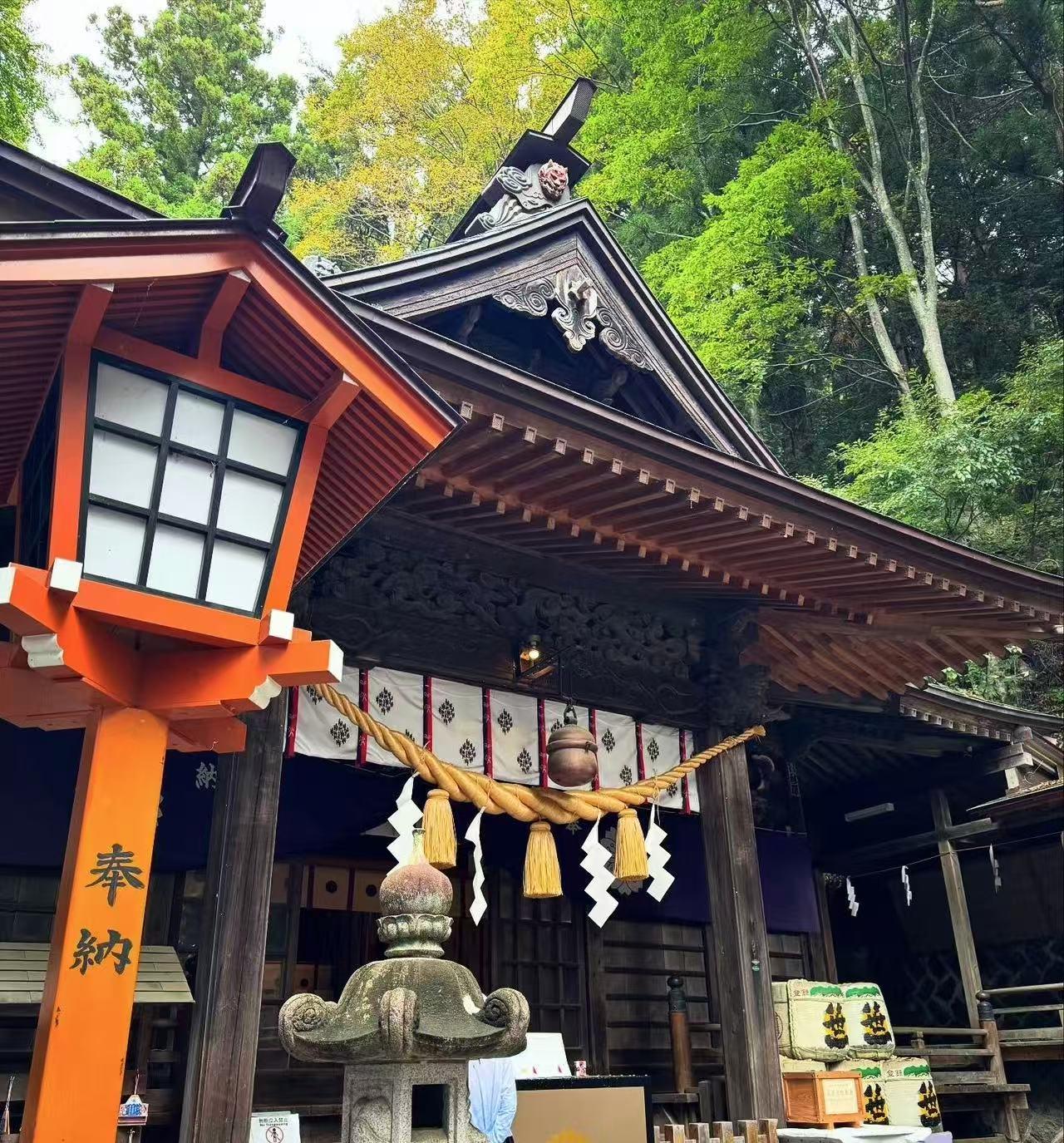
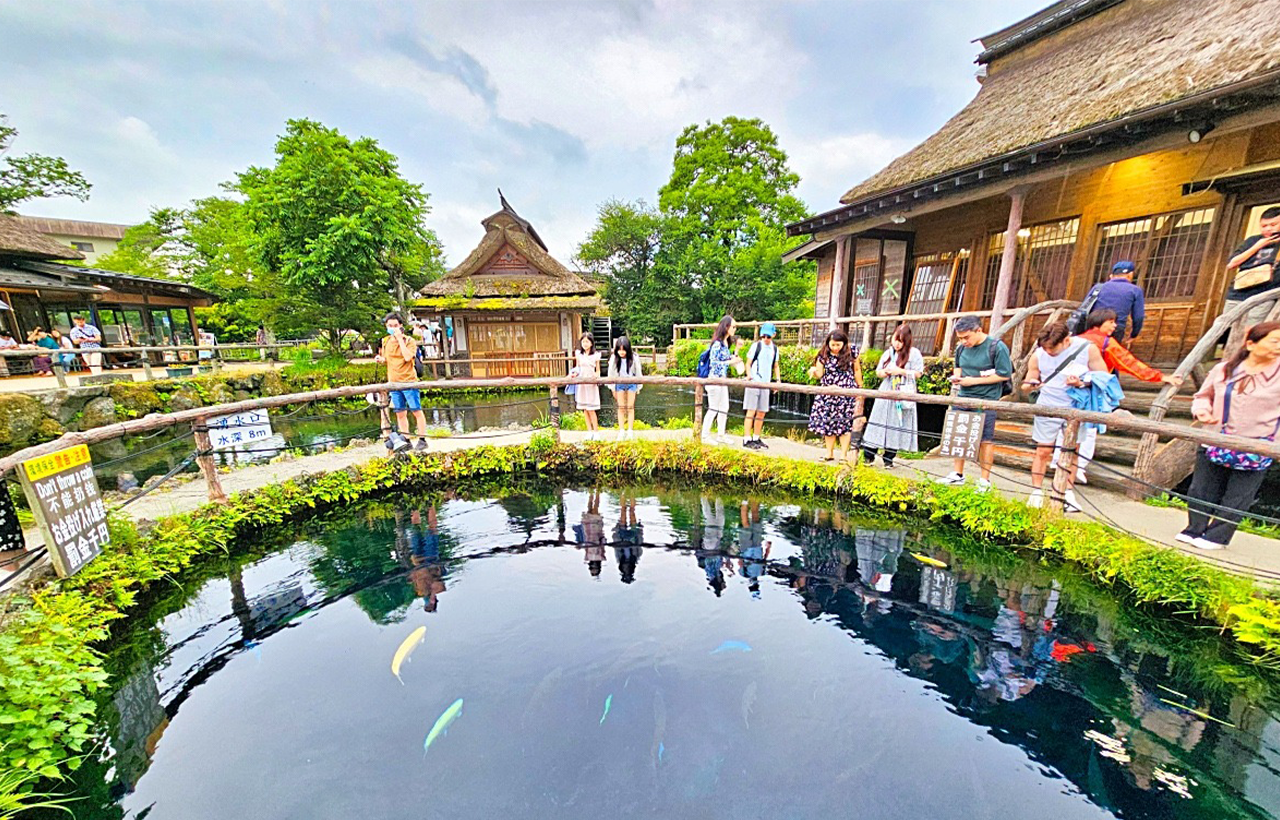
Explore the iconic sights around Mount Fuji, from crystal-clear springs to breathtaking park views, on this guided 10-hour excursion.
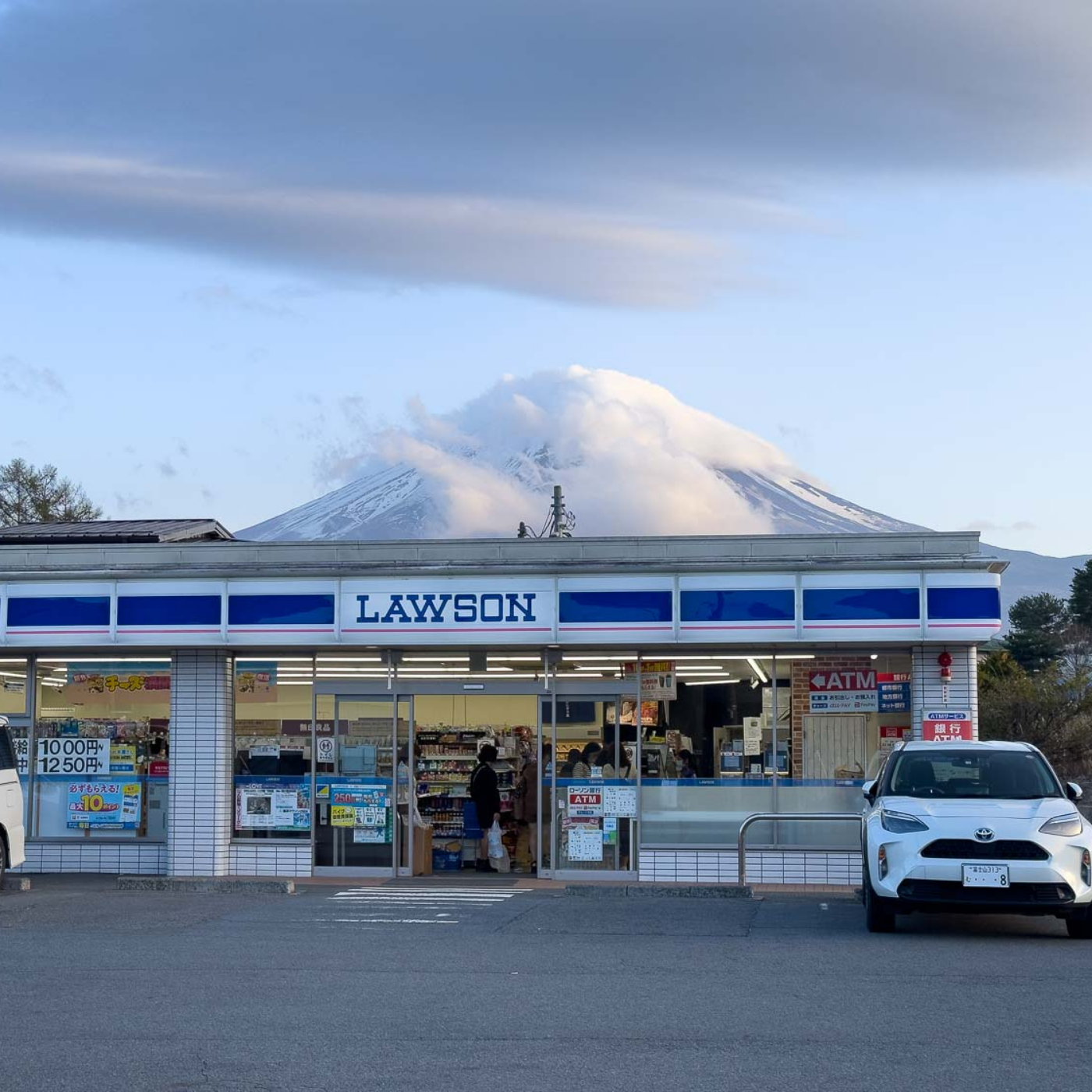
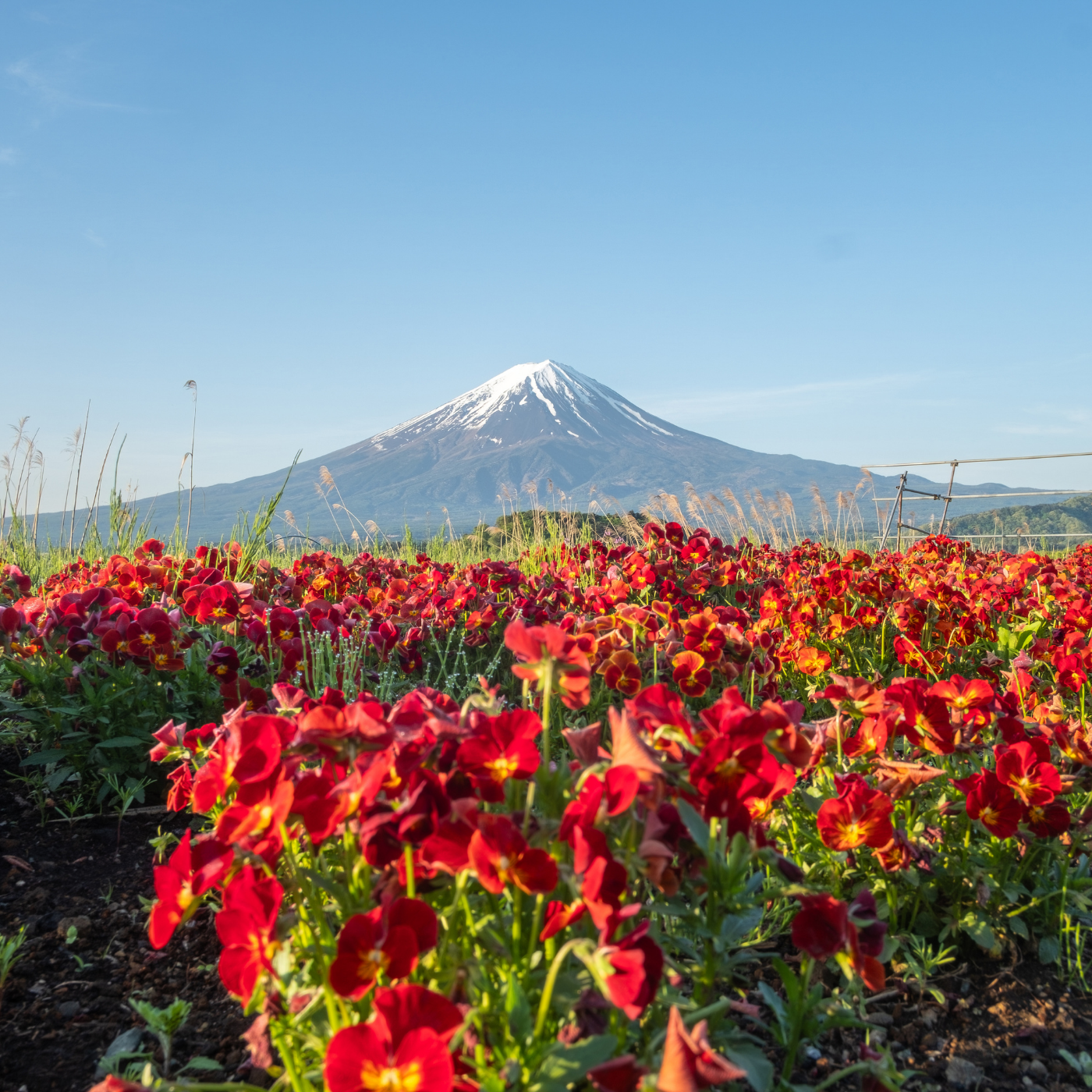
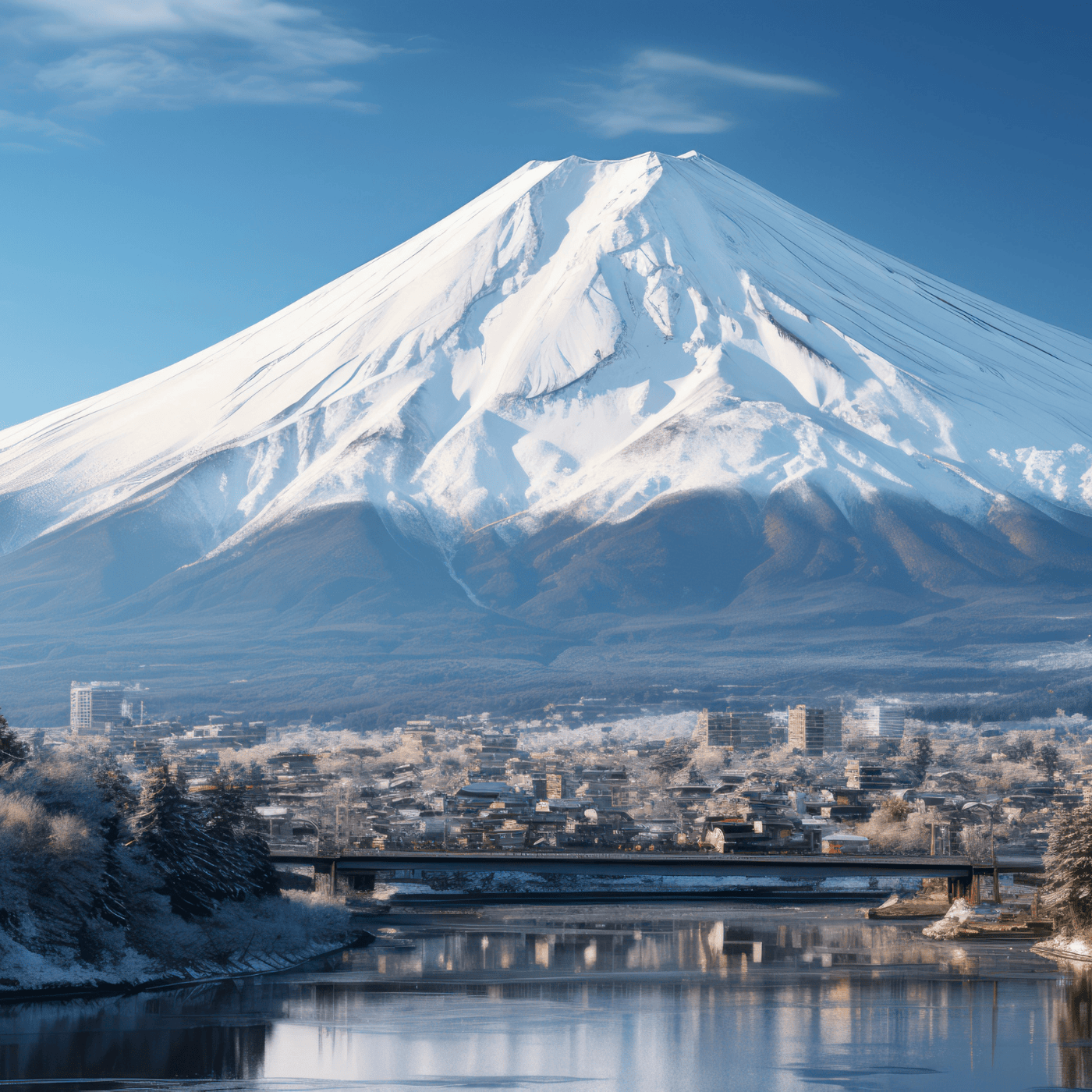
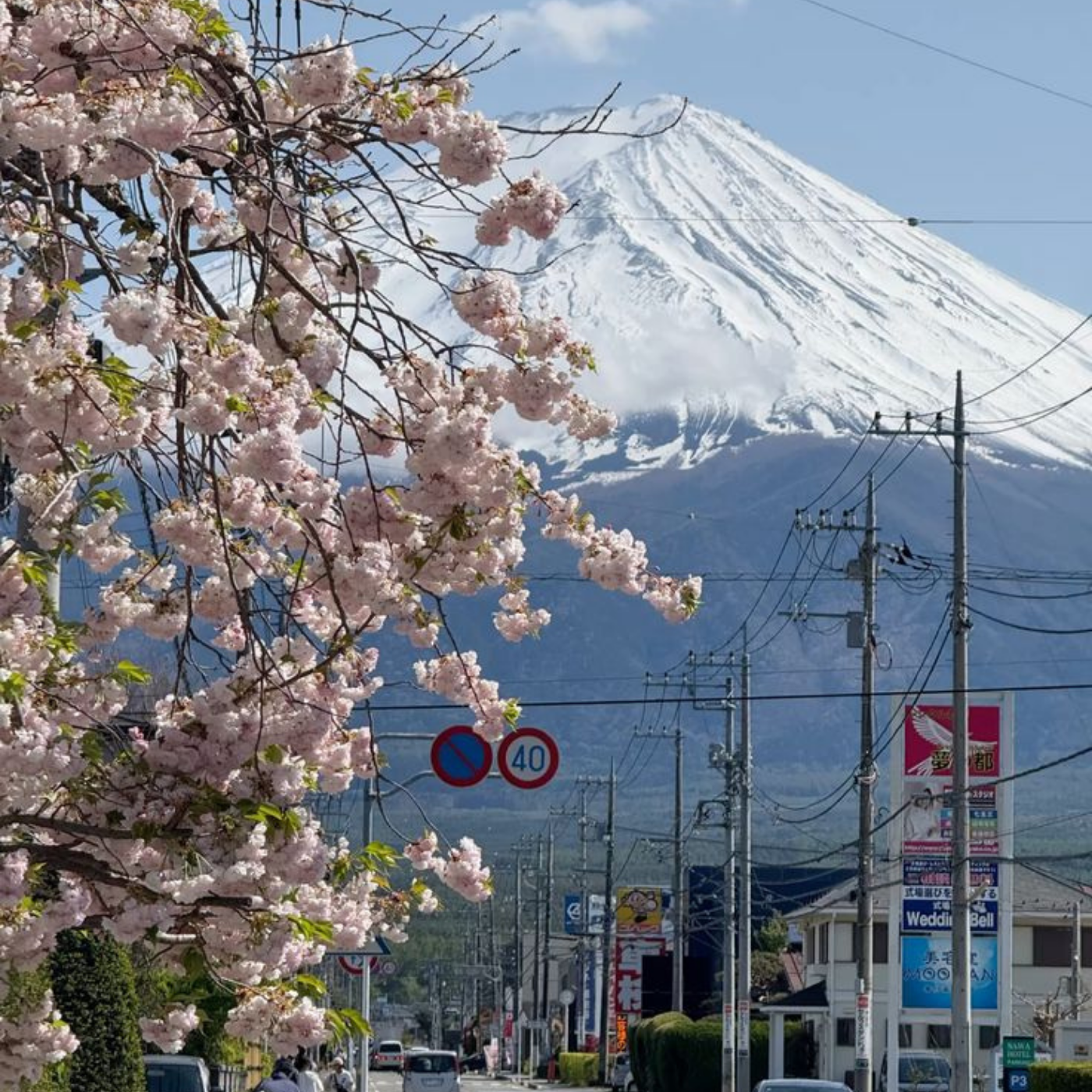
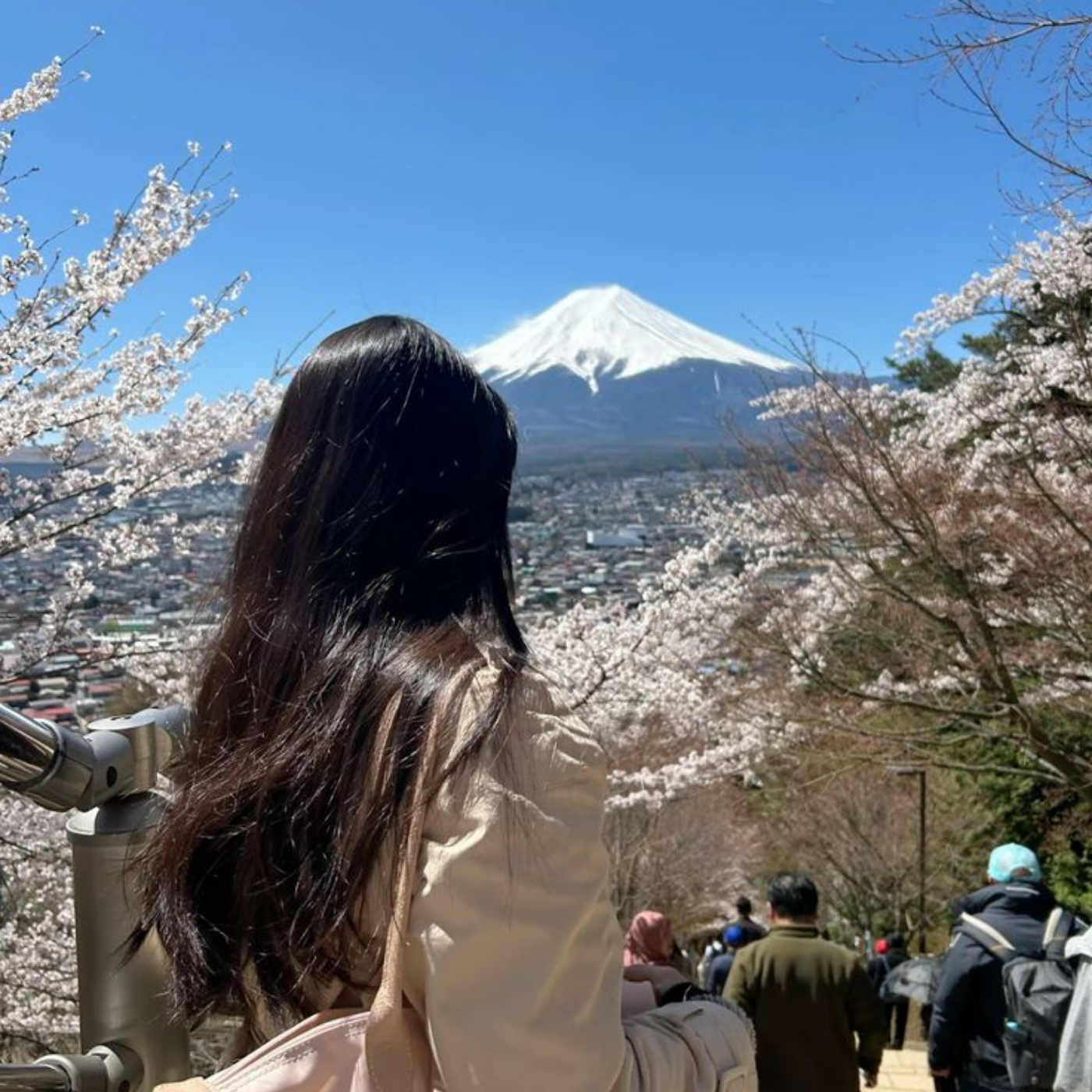
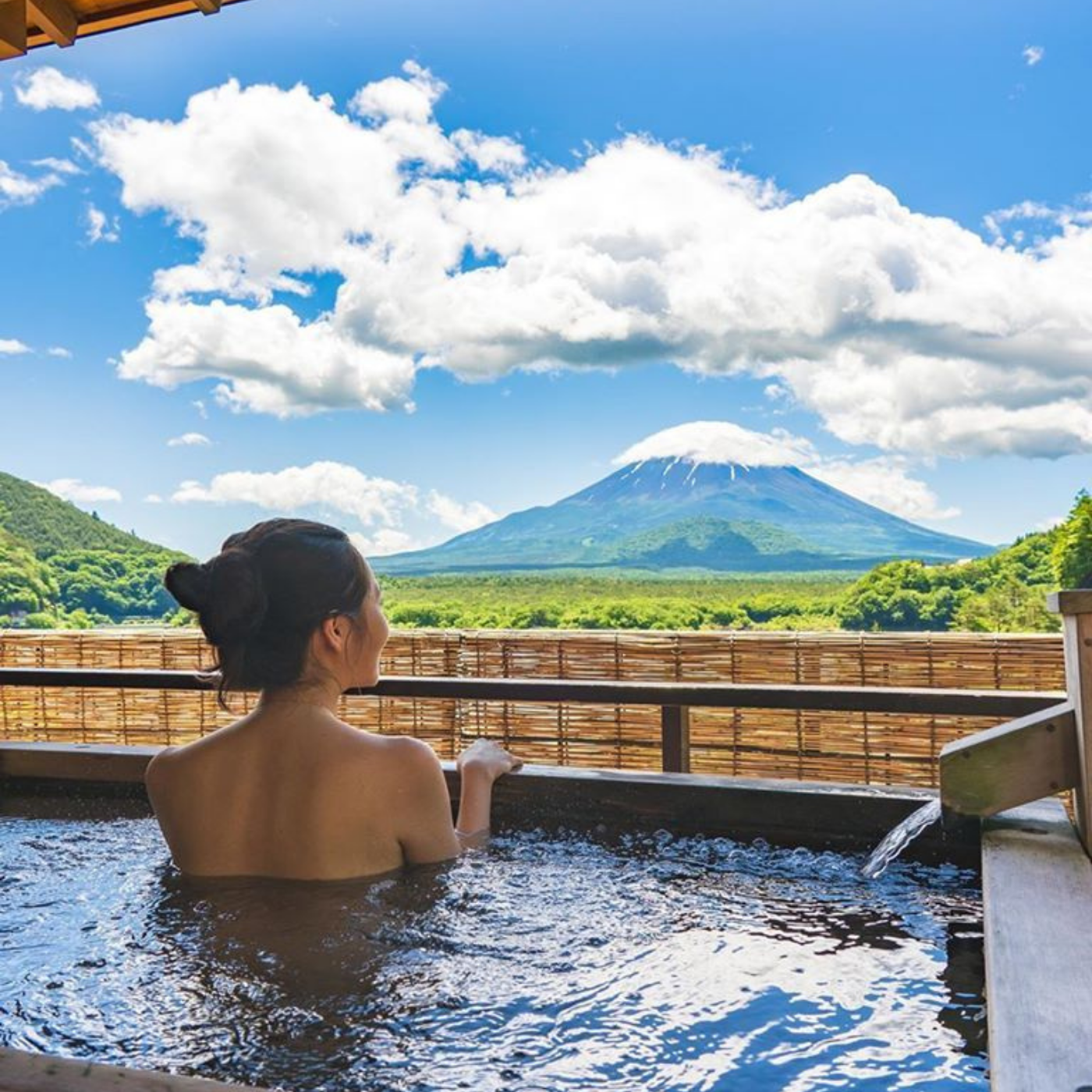
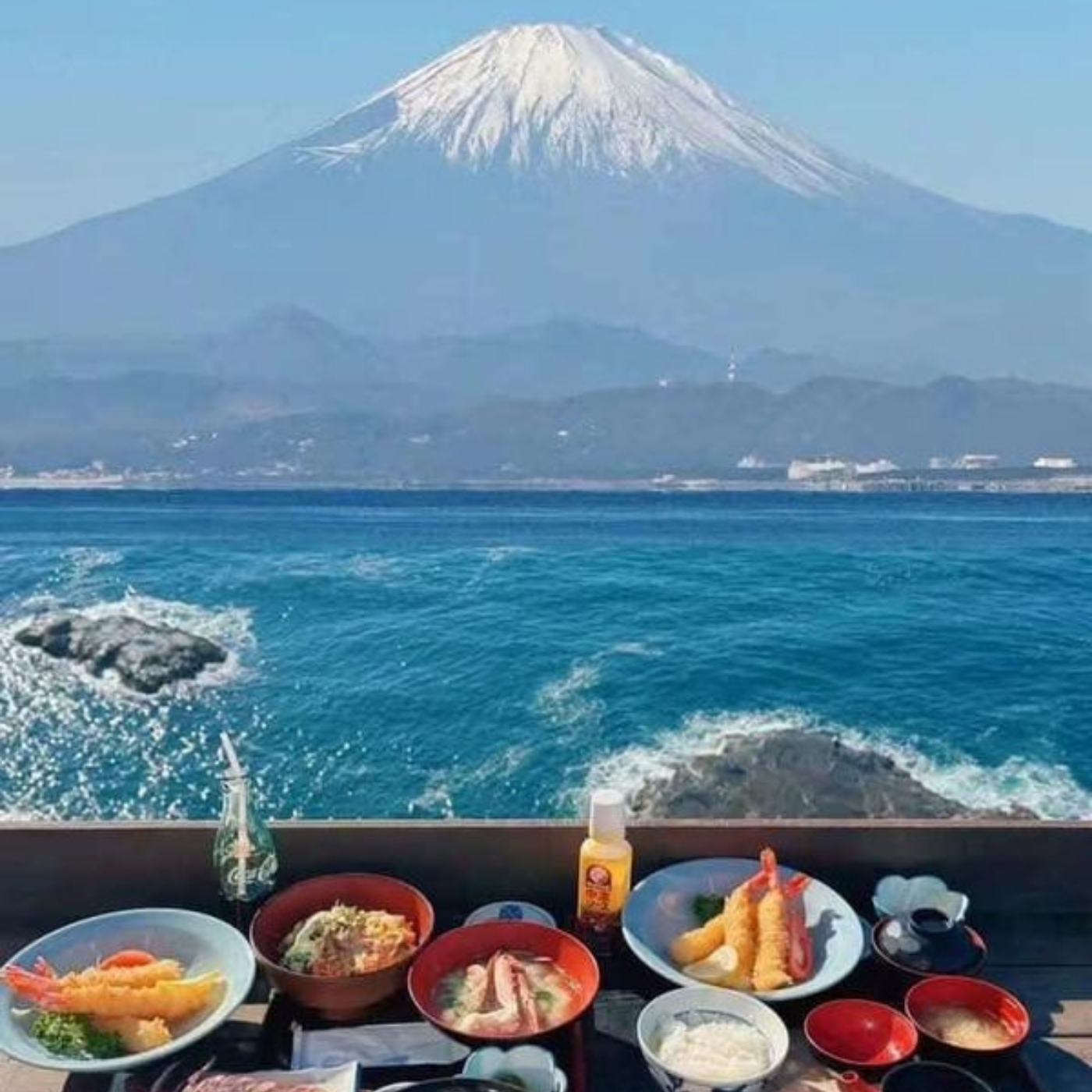
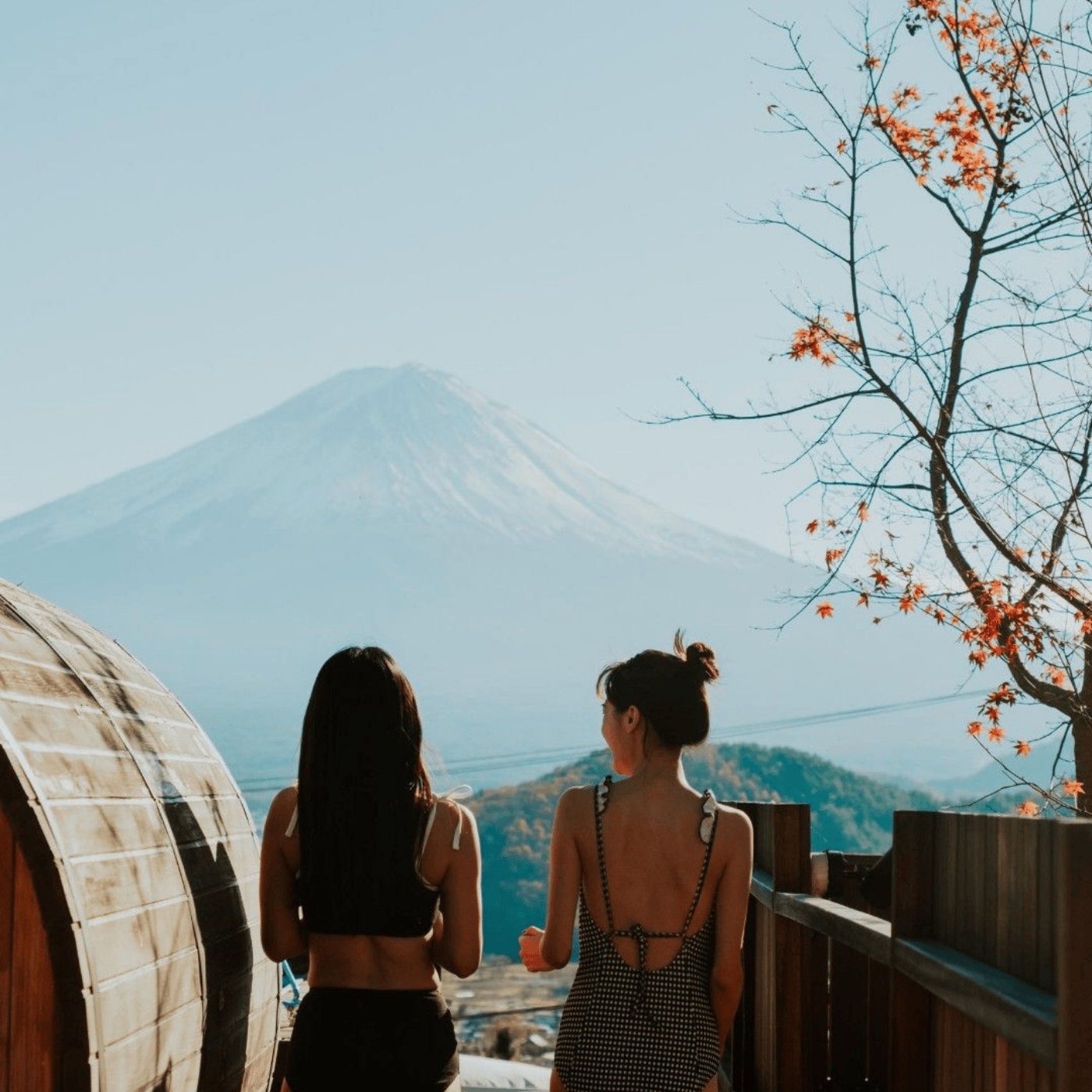
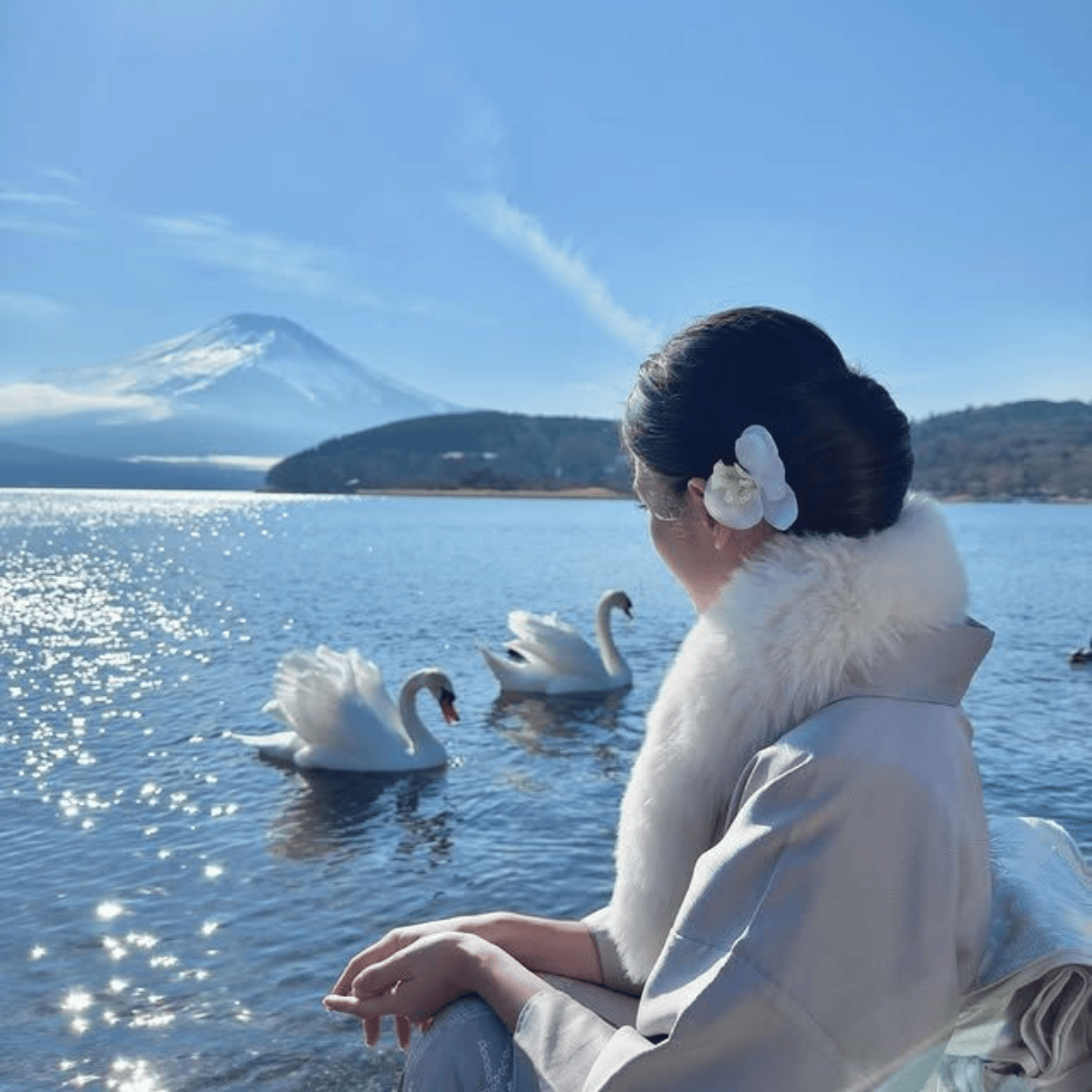
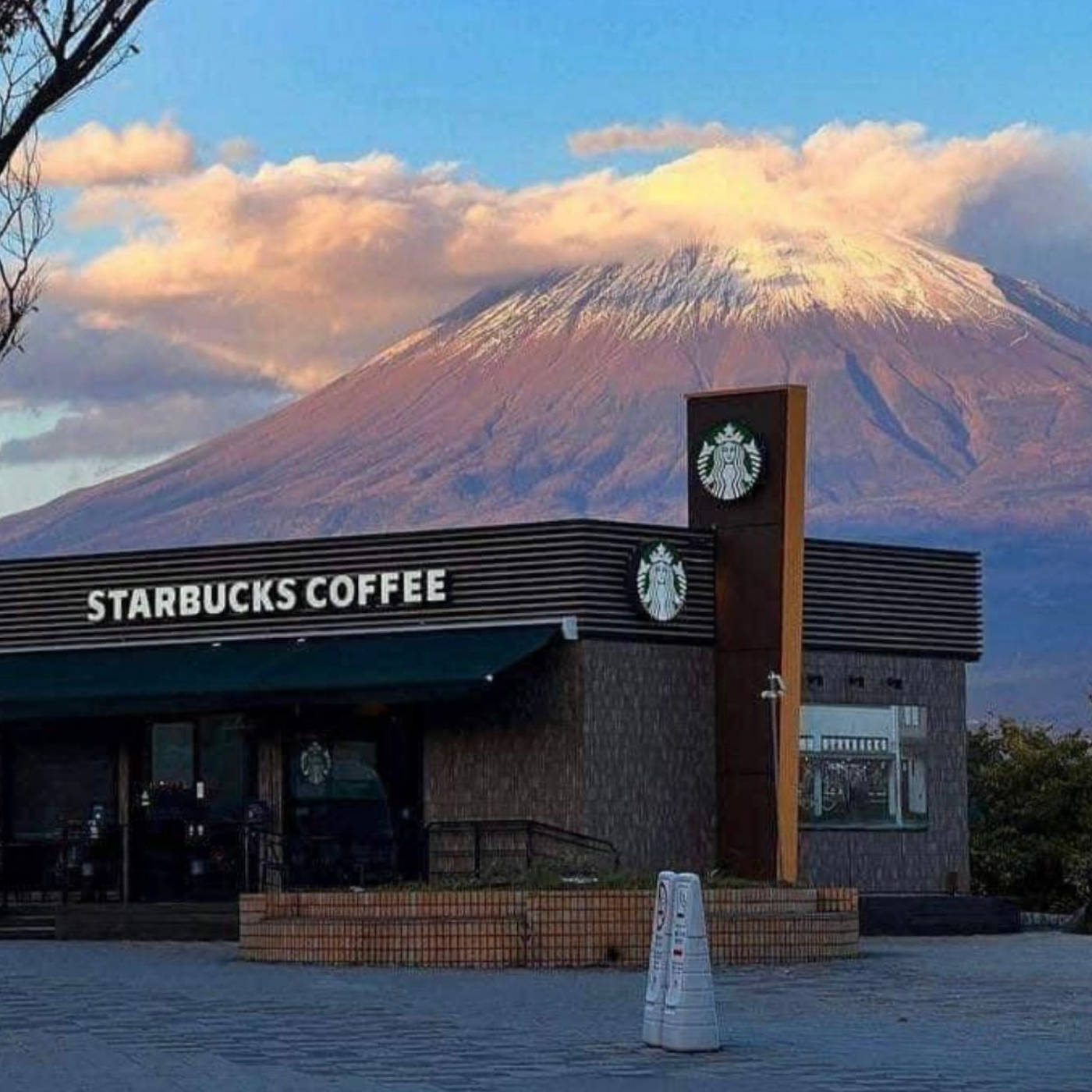
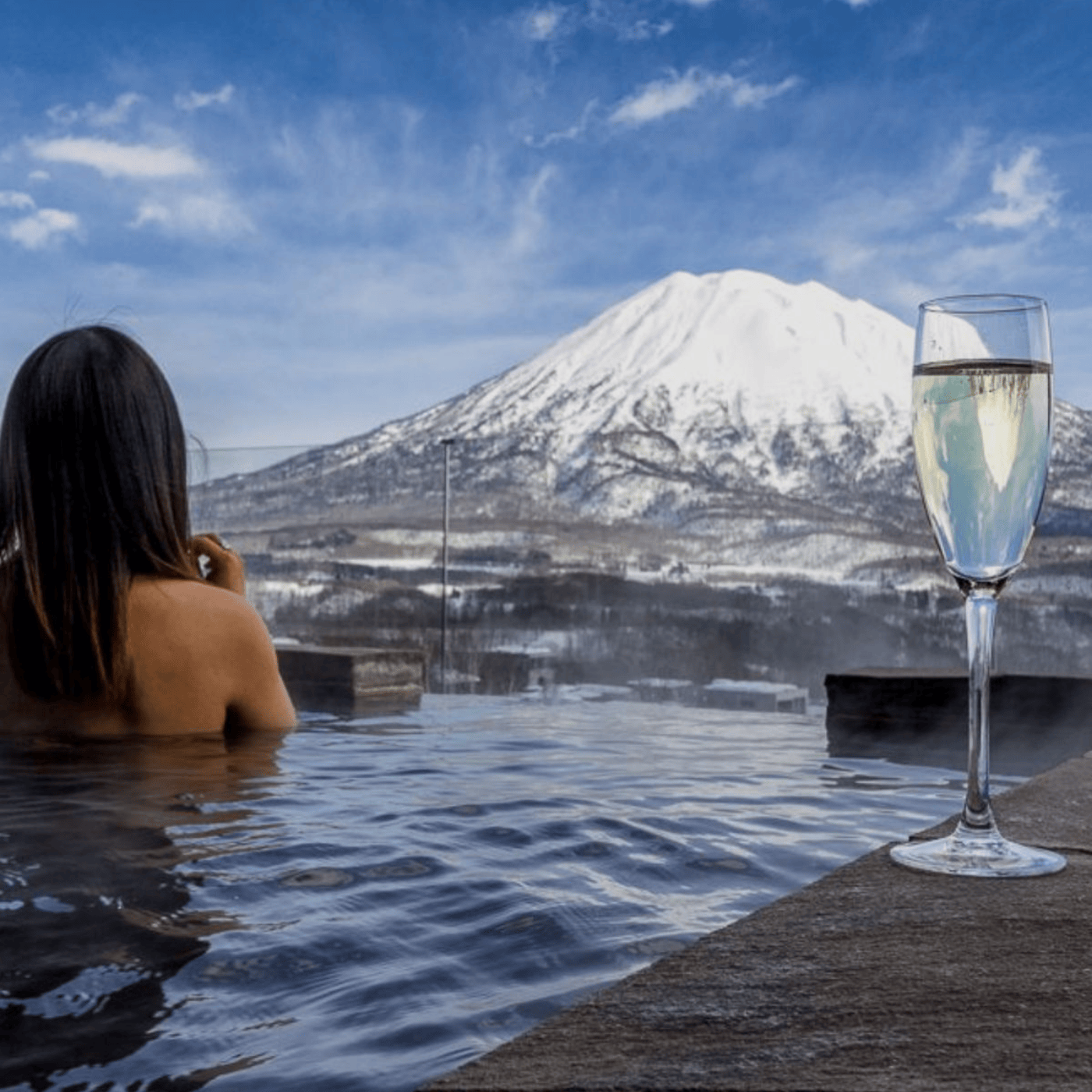
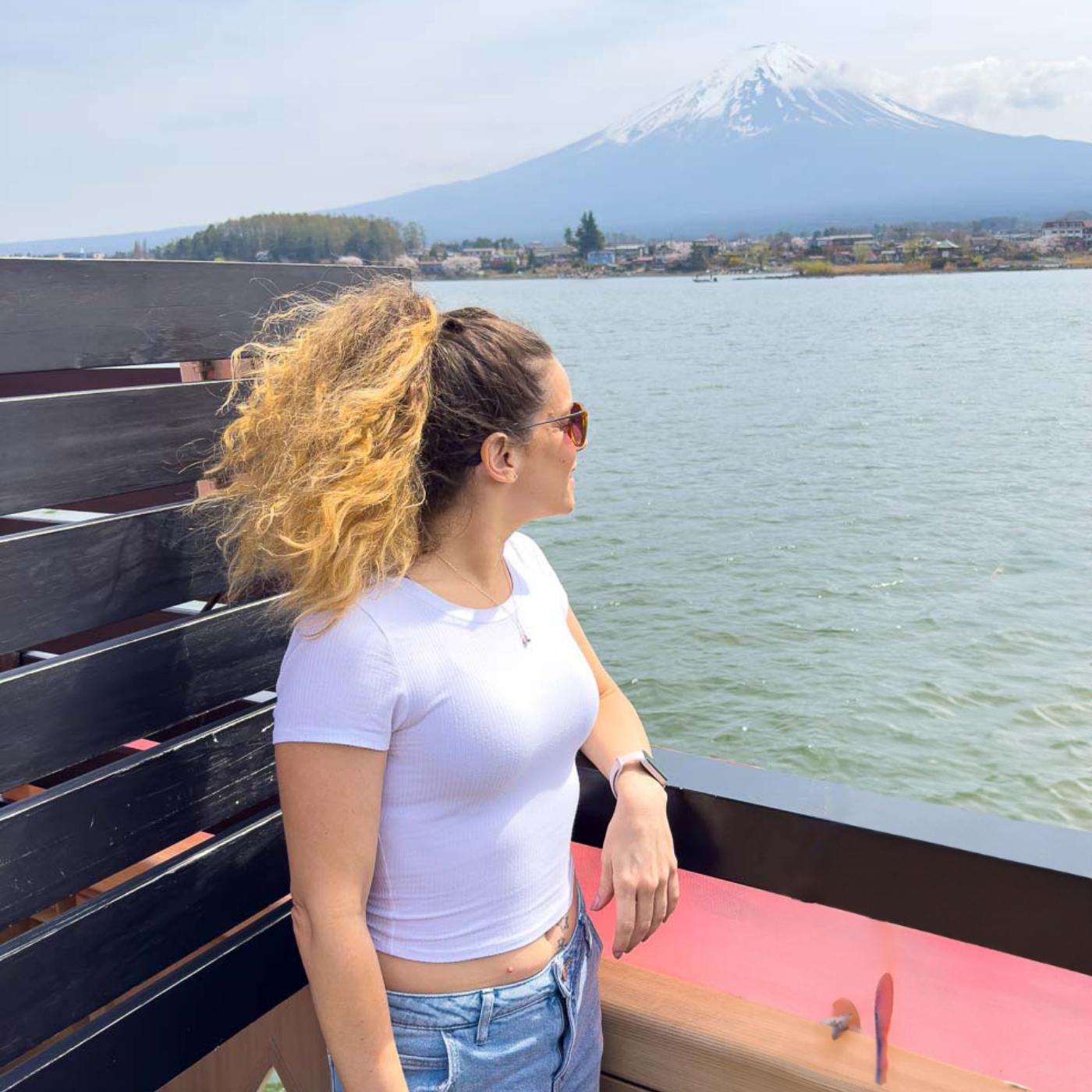
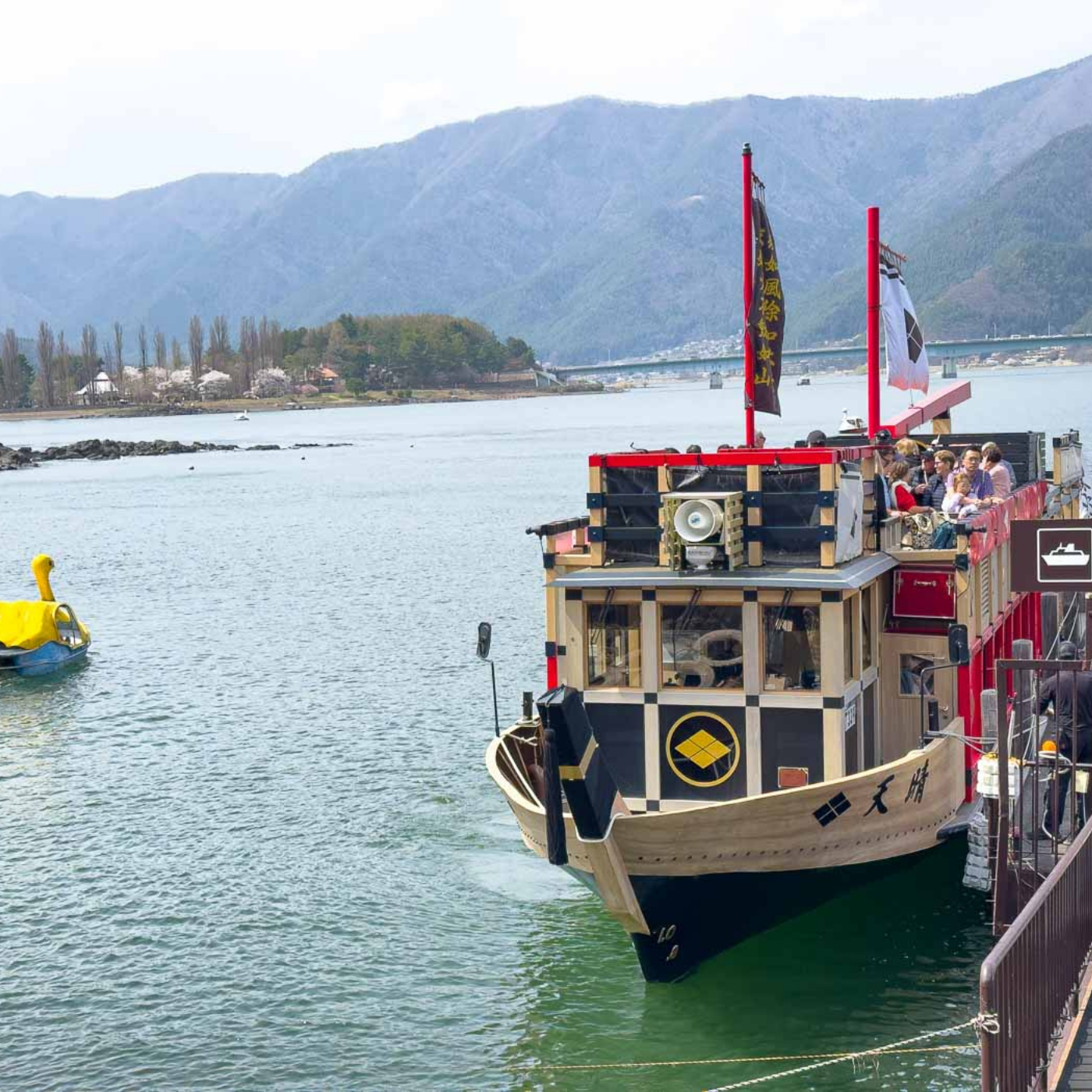
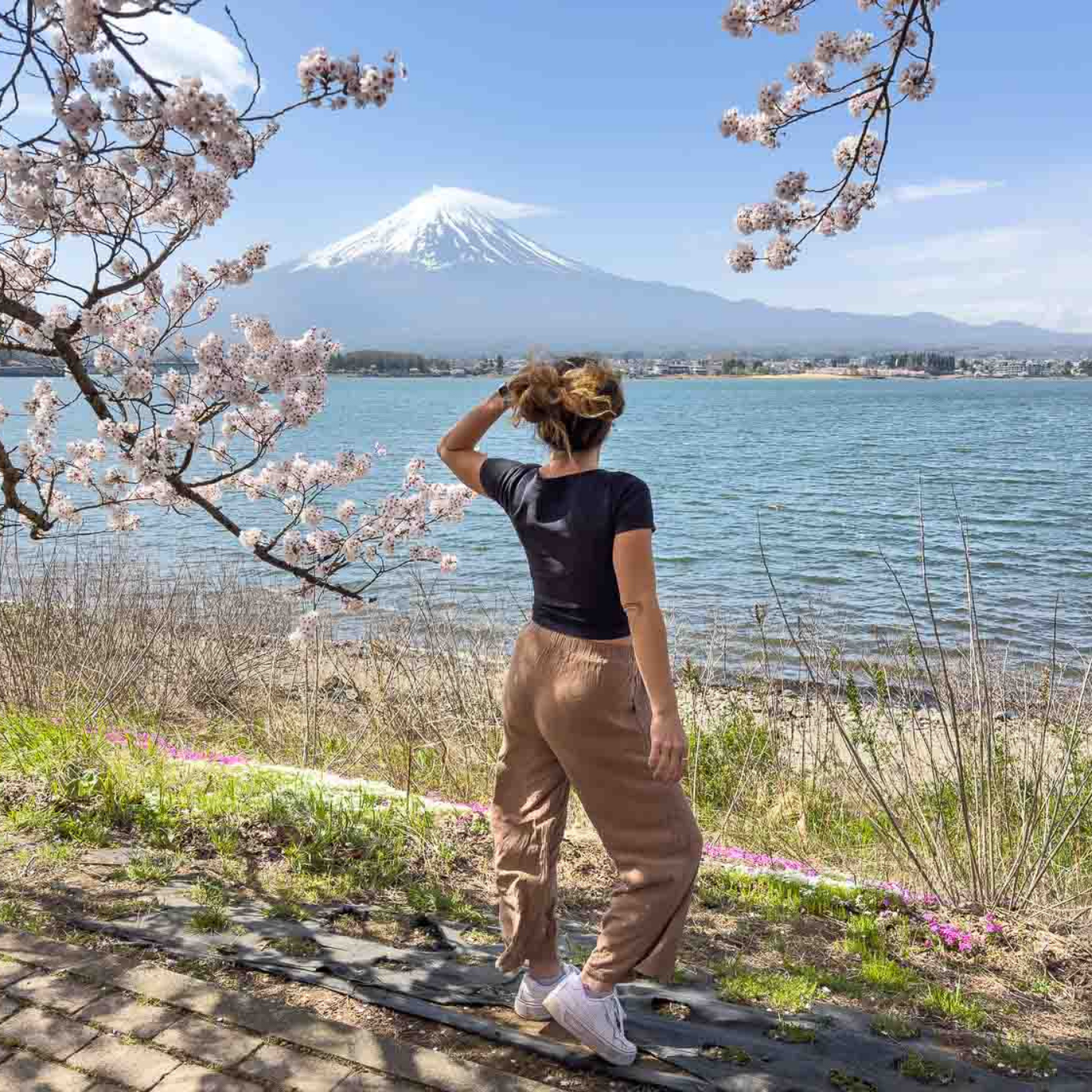
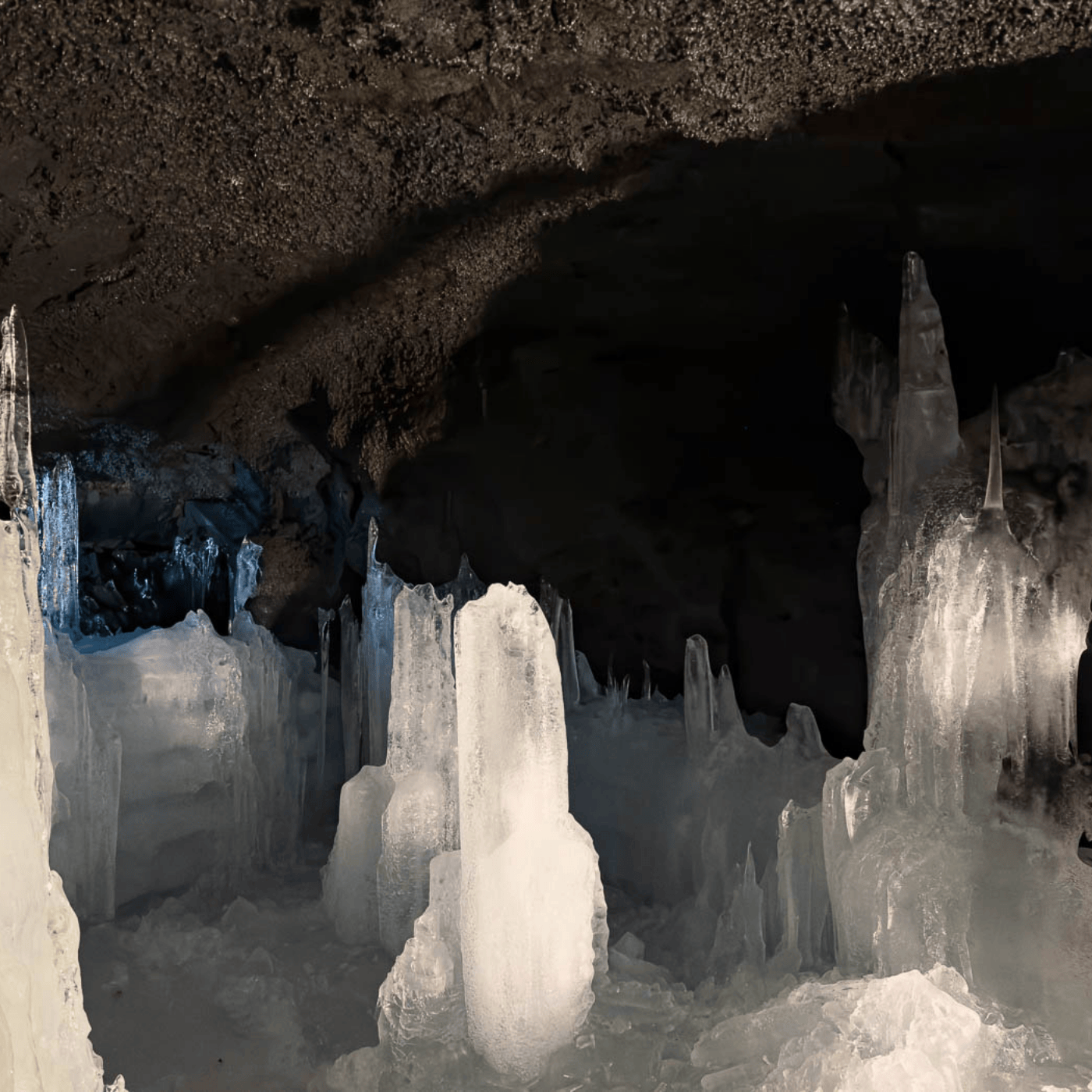
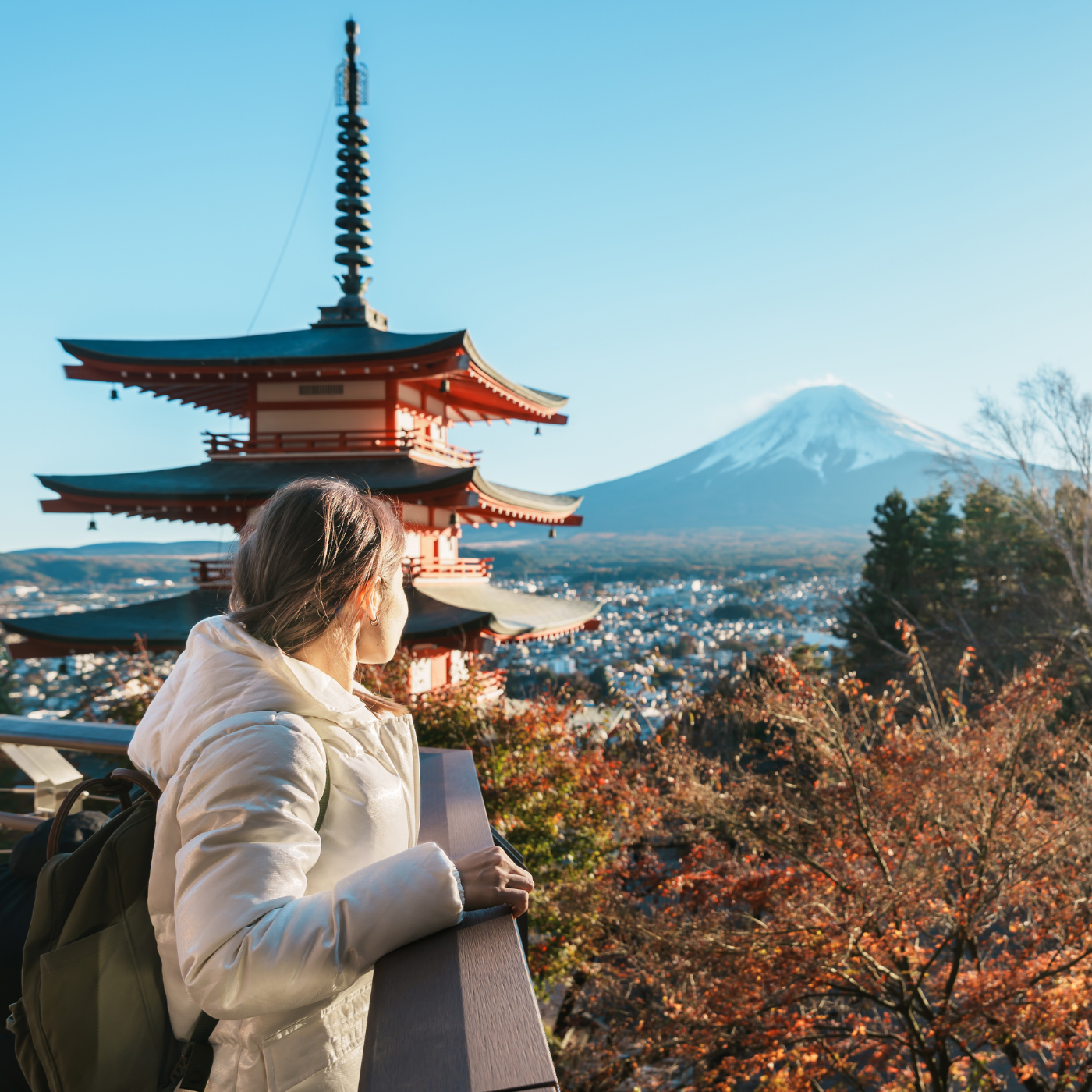
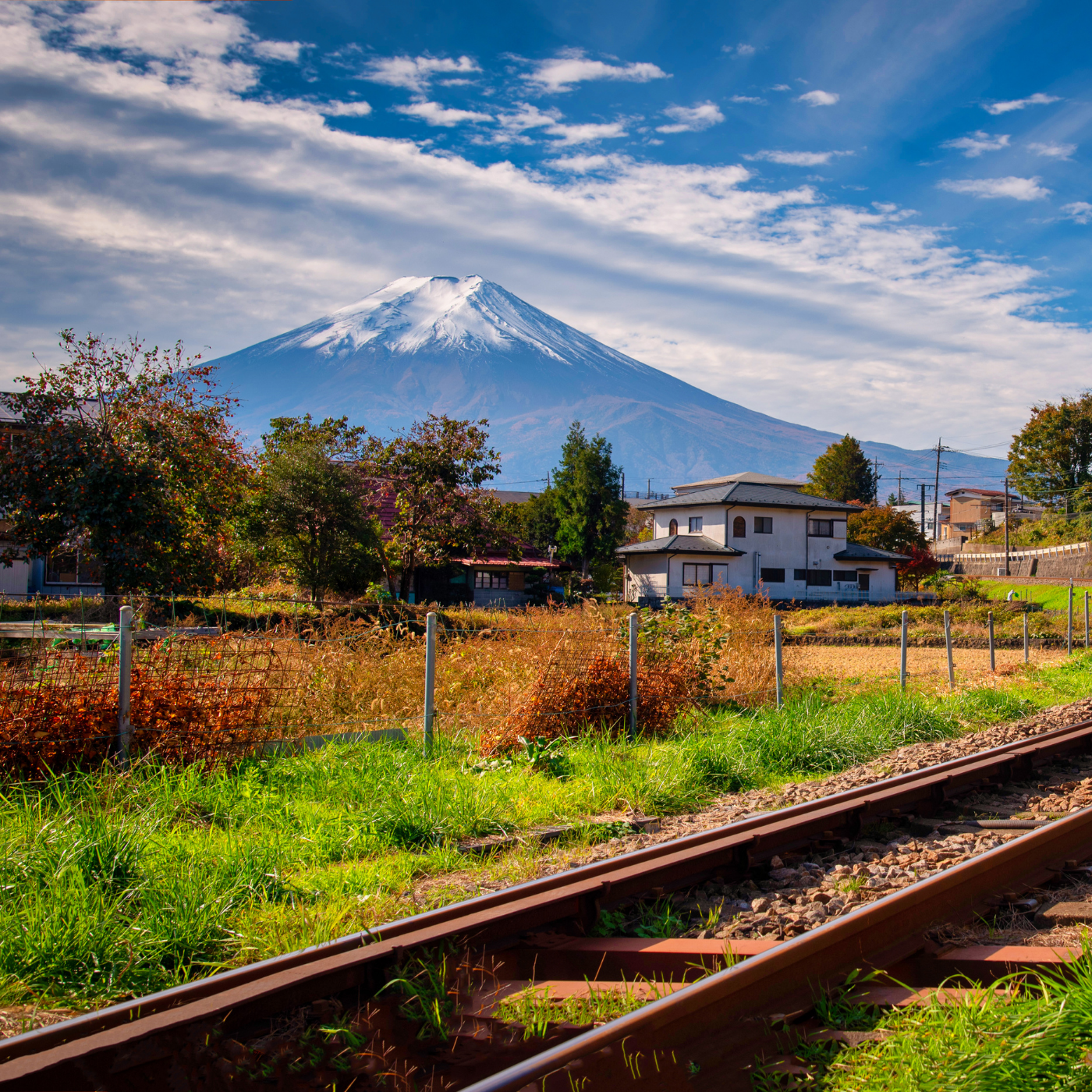
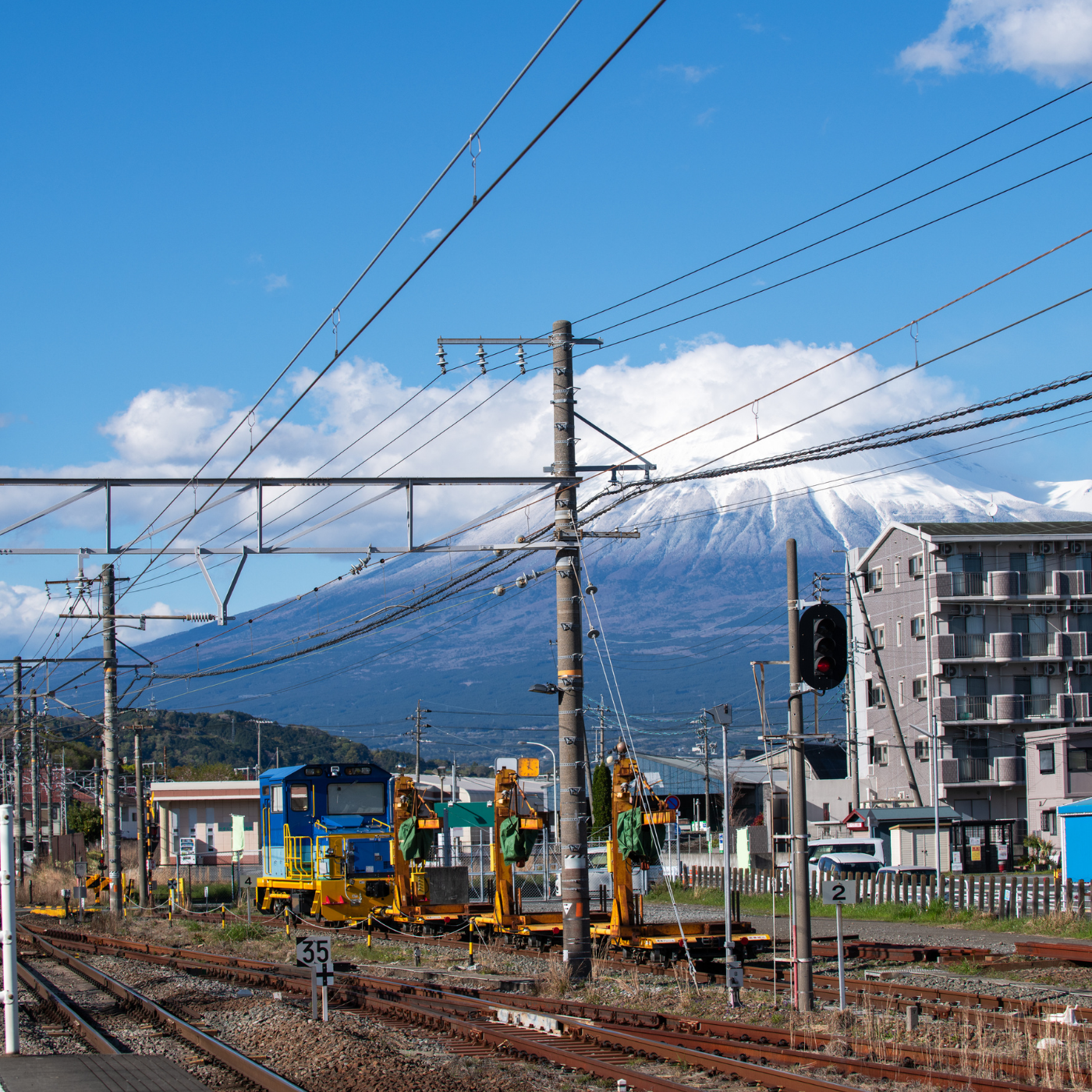
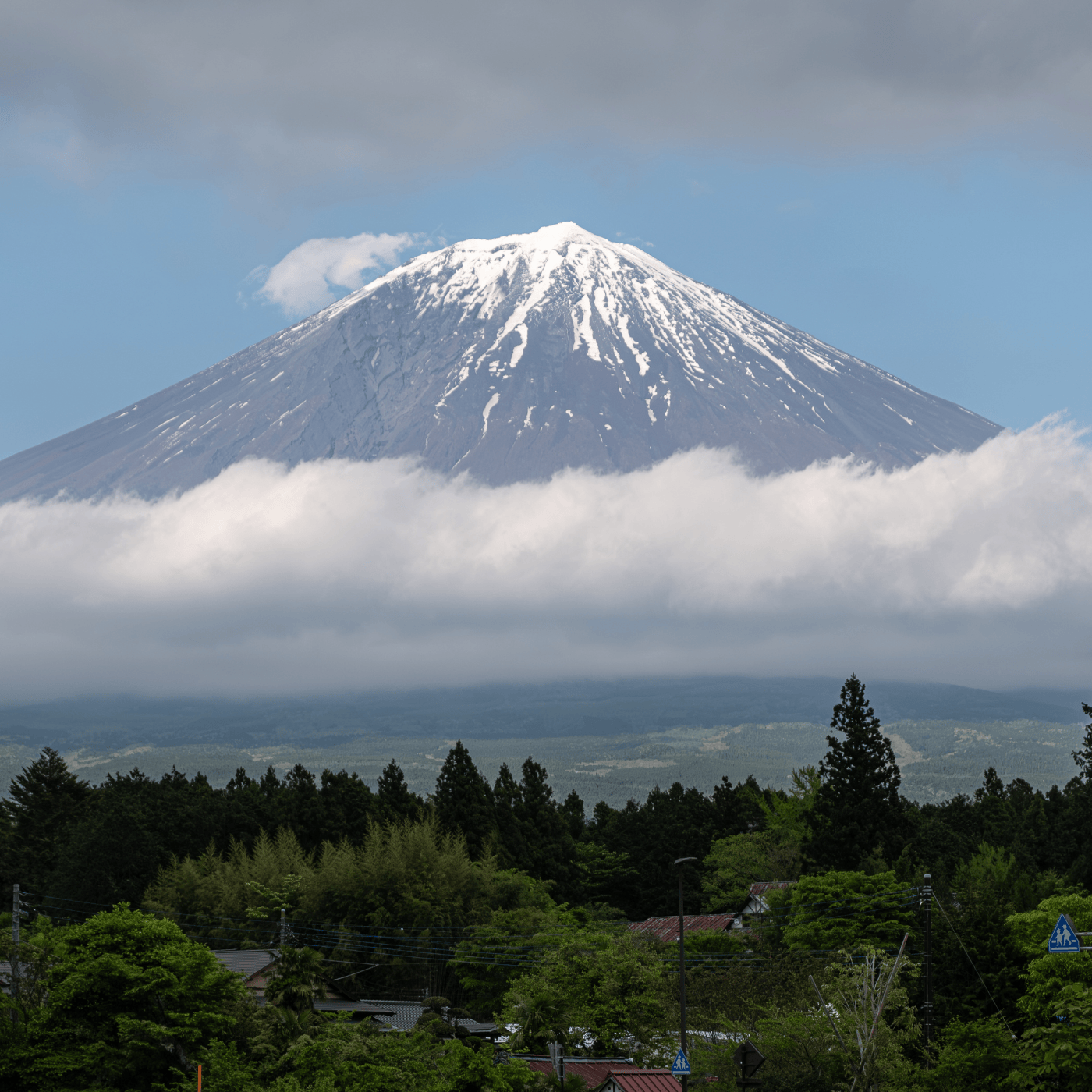
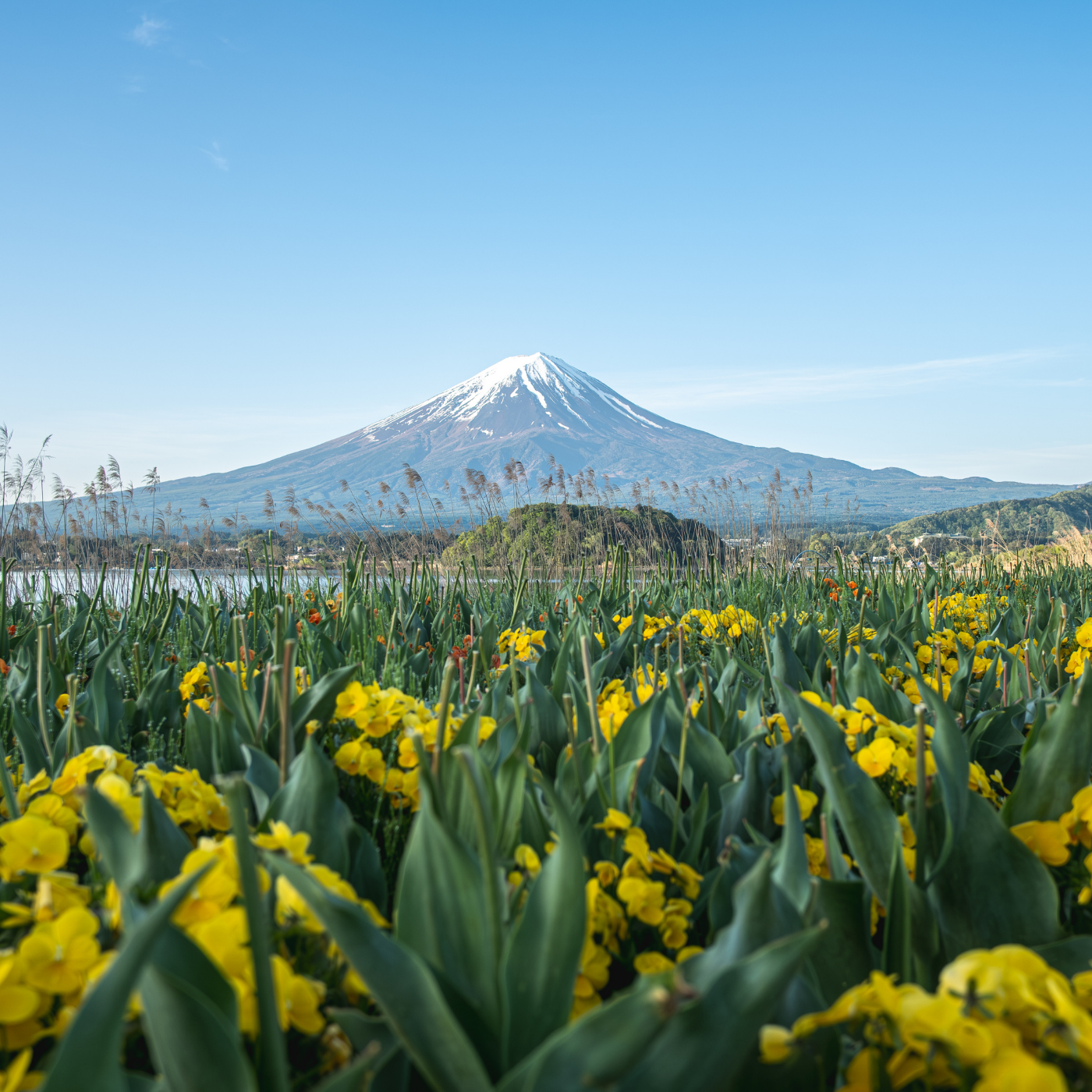
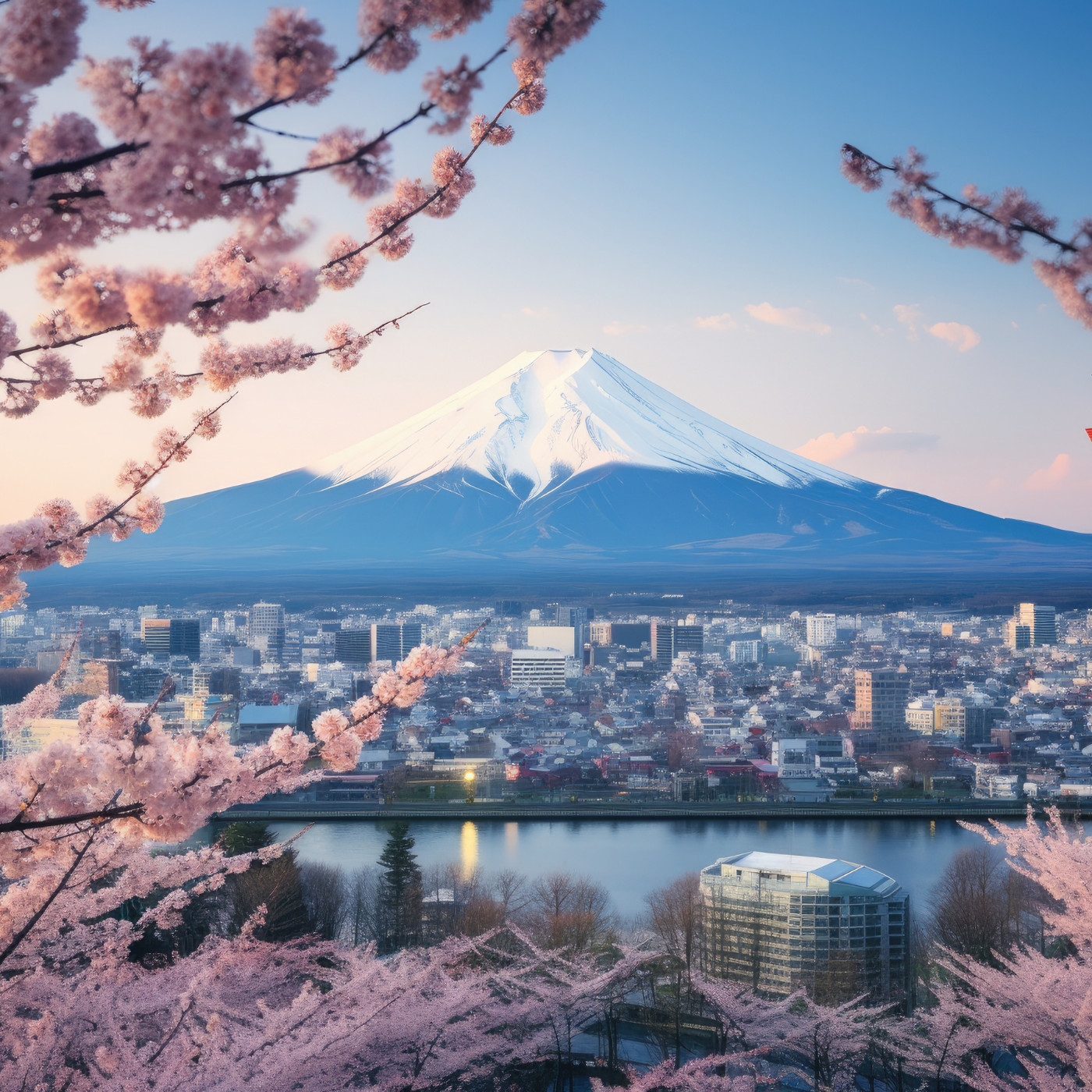
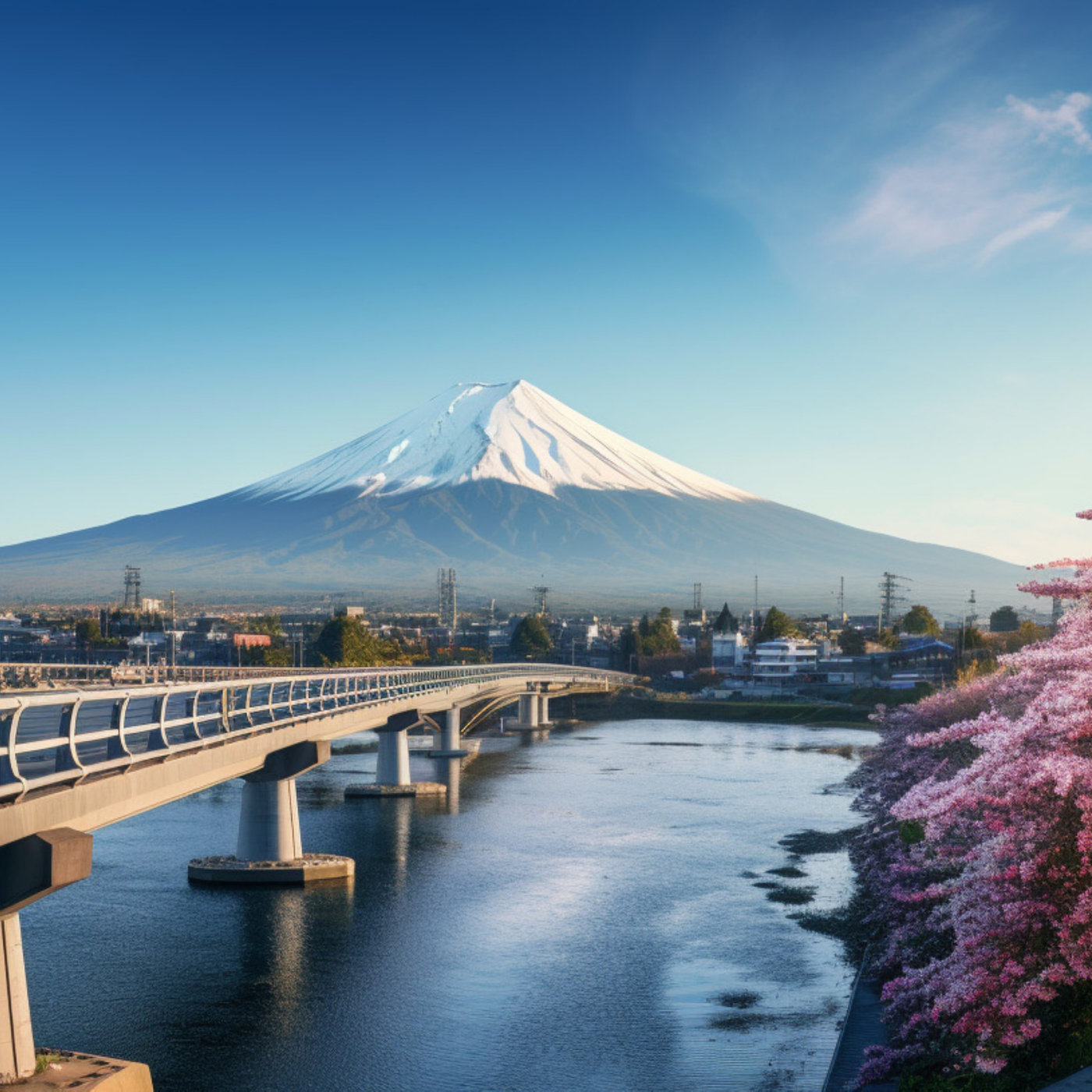
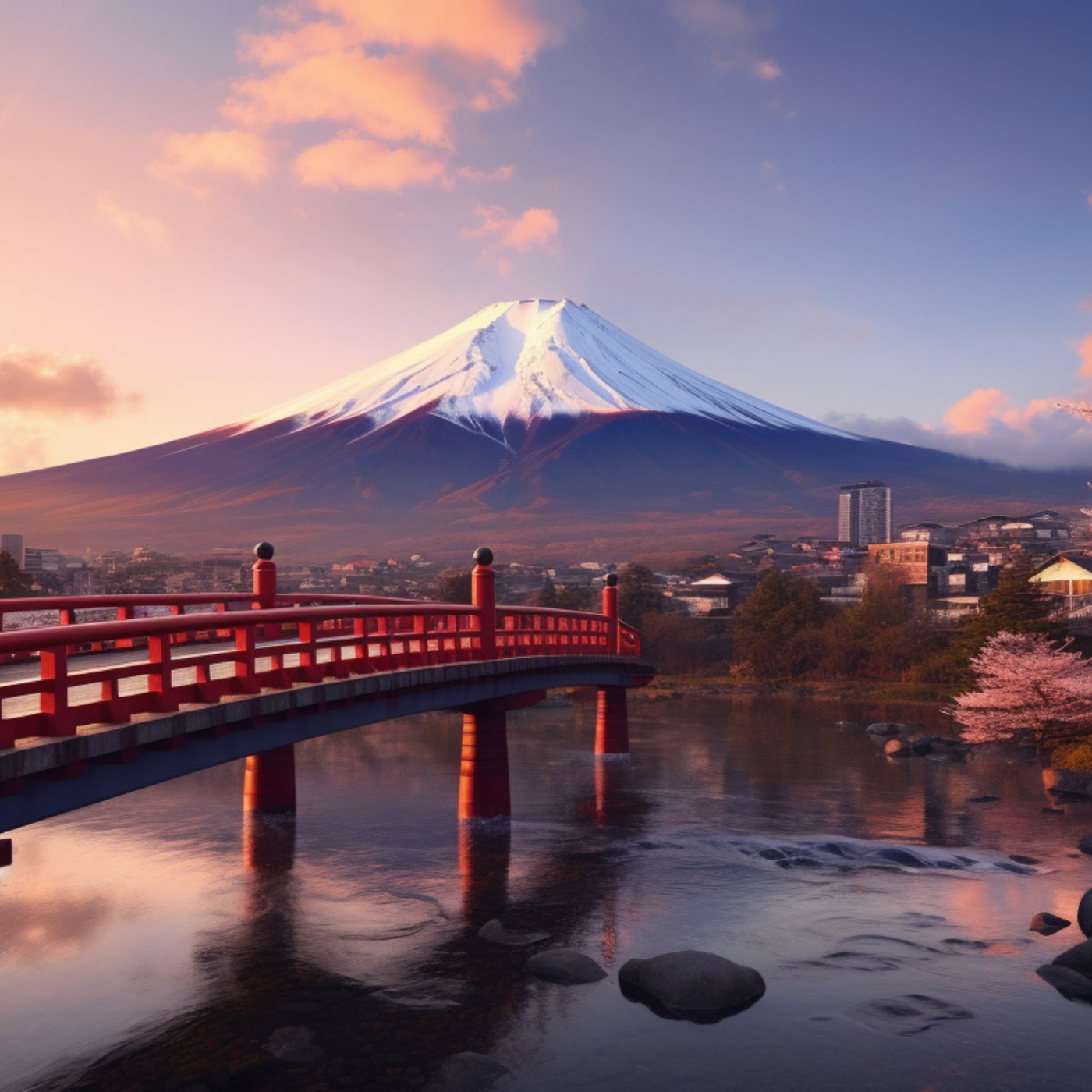

Discover Japan's iconic peak on a private, fully flexible 10-11 hour journey from Tokyo with your own dedicated driver.
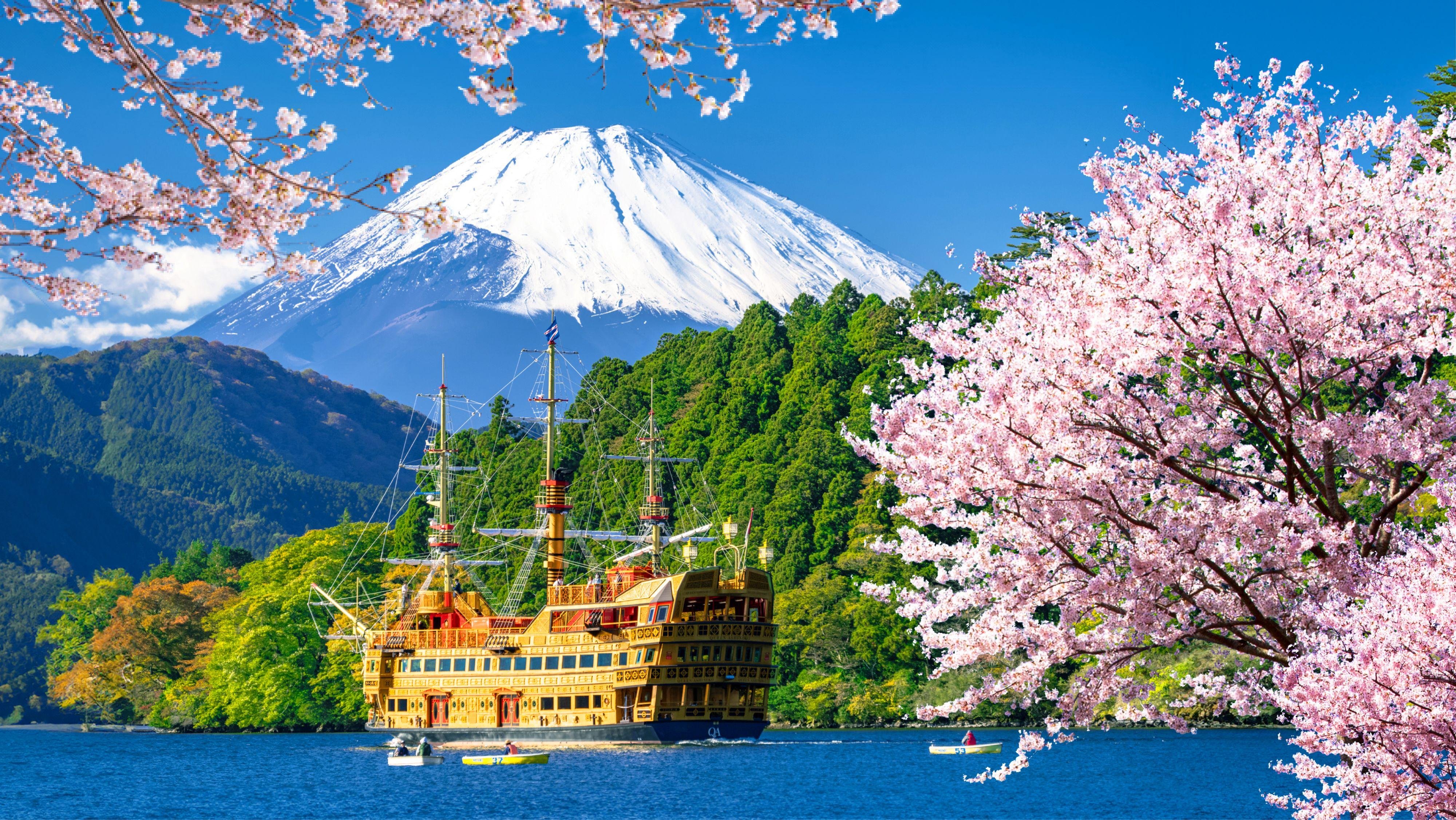
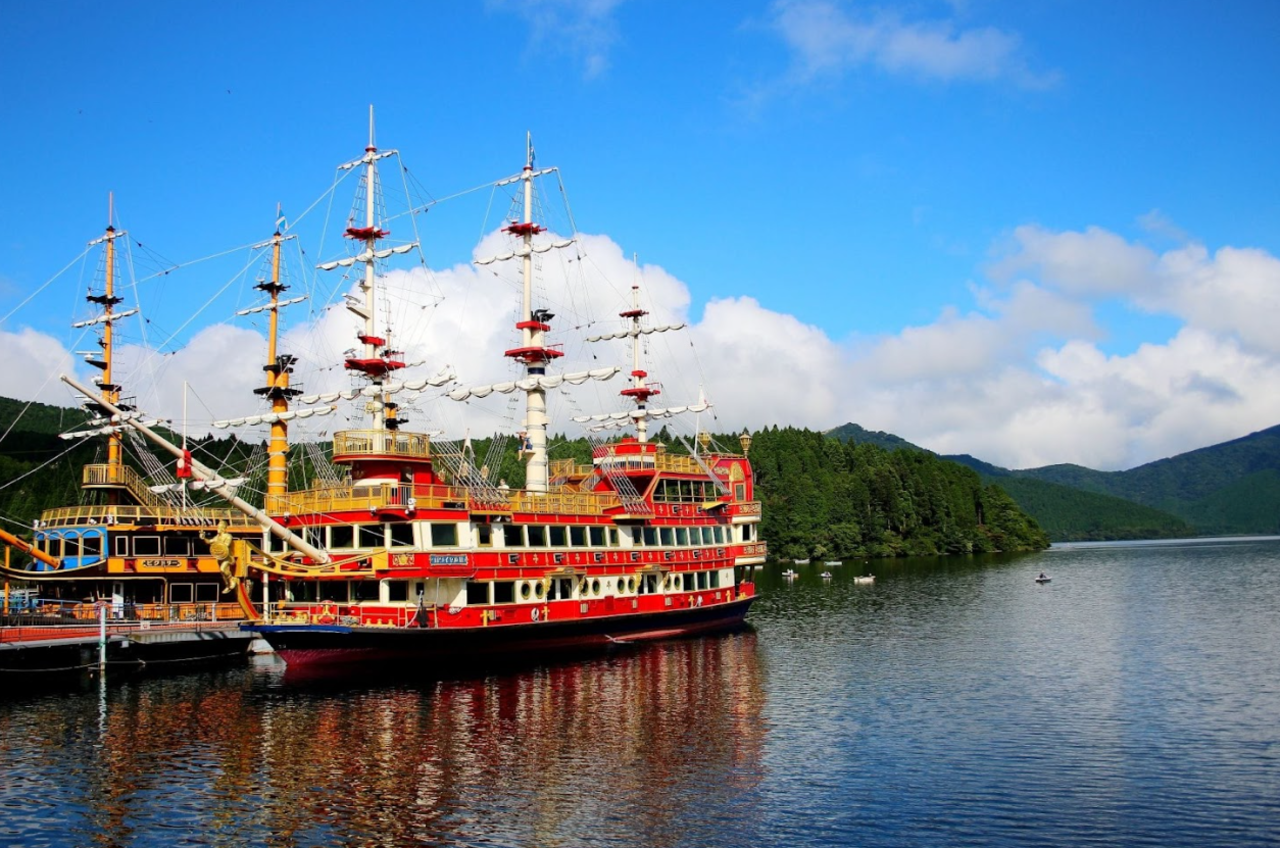
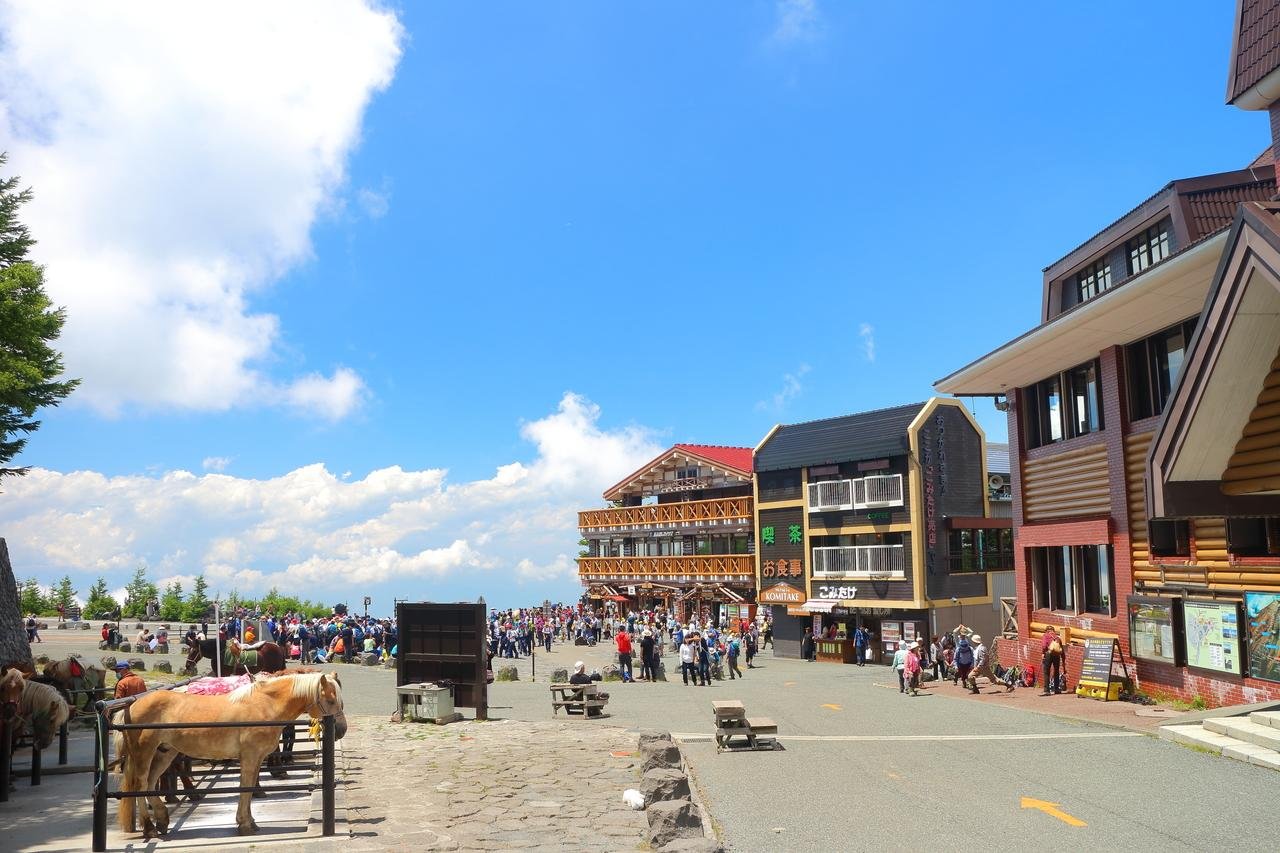
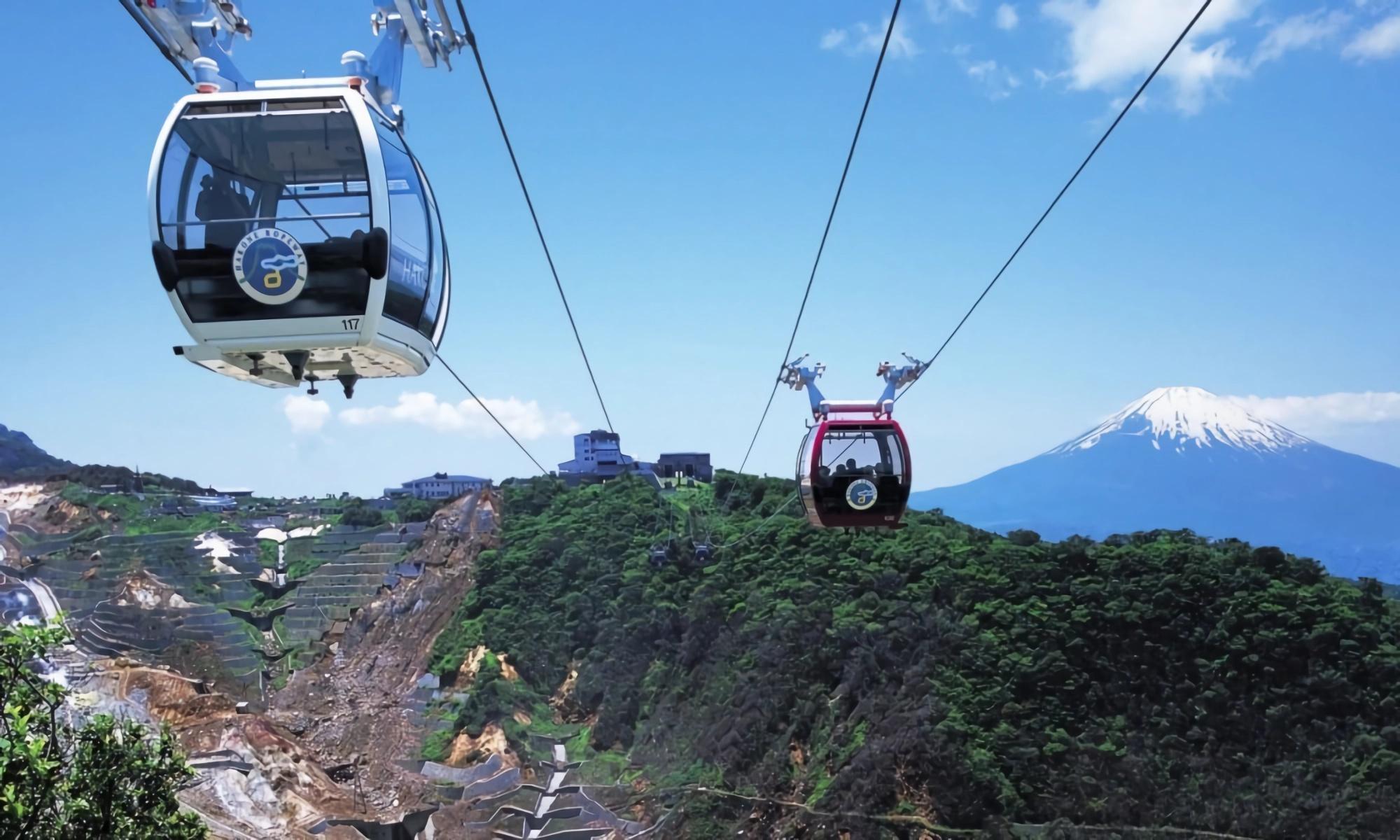
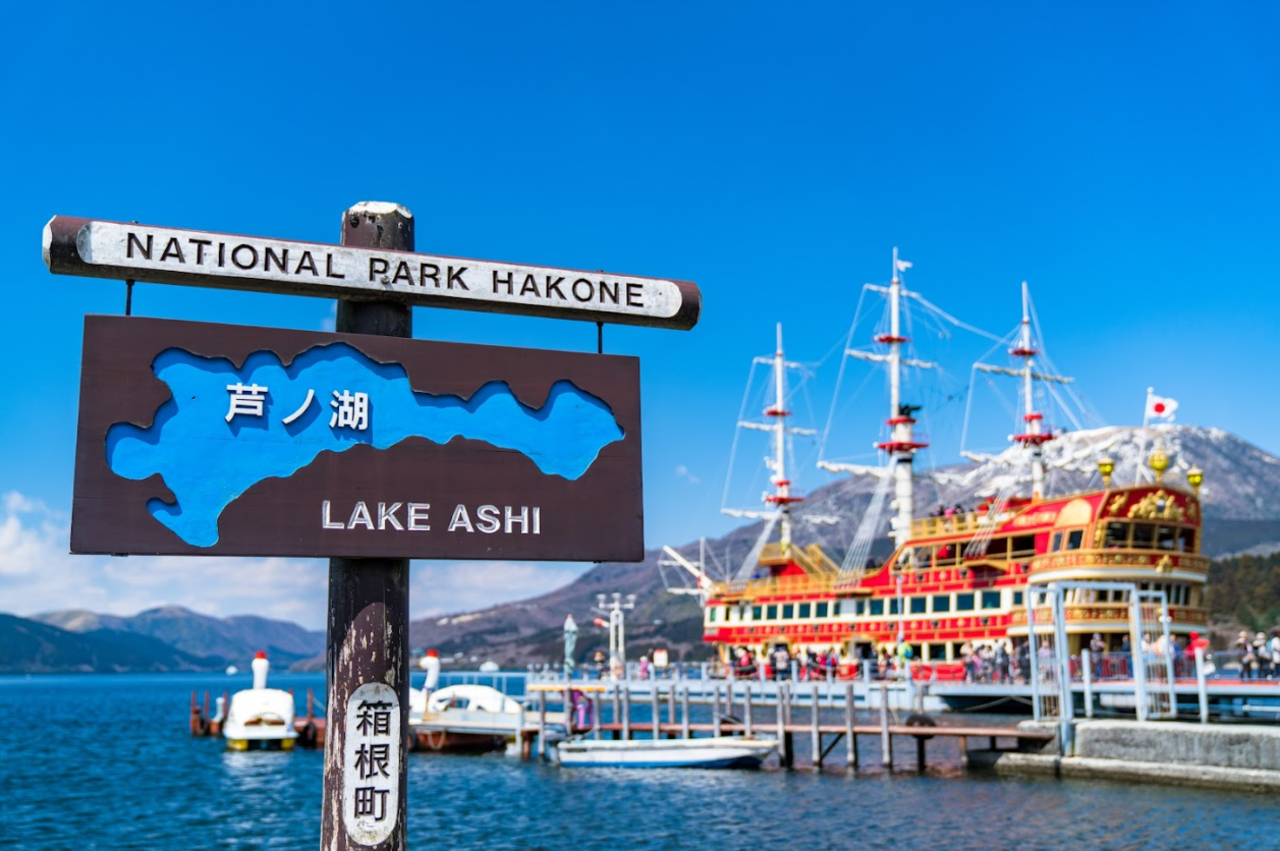
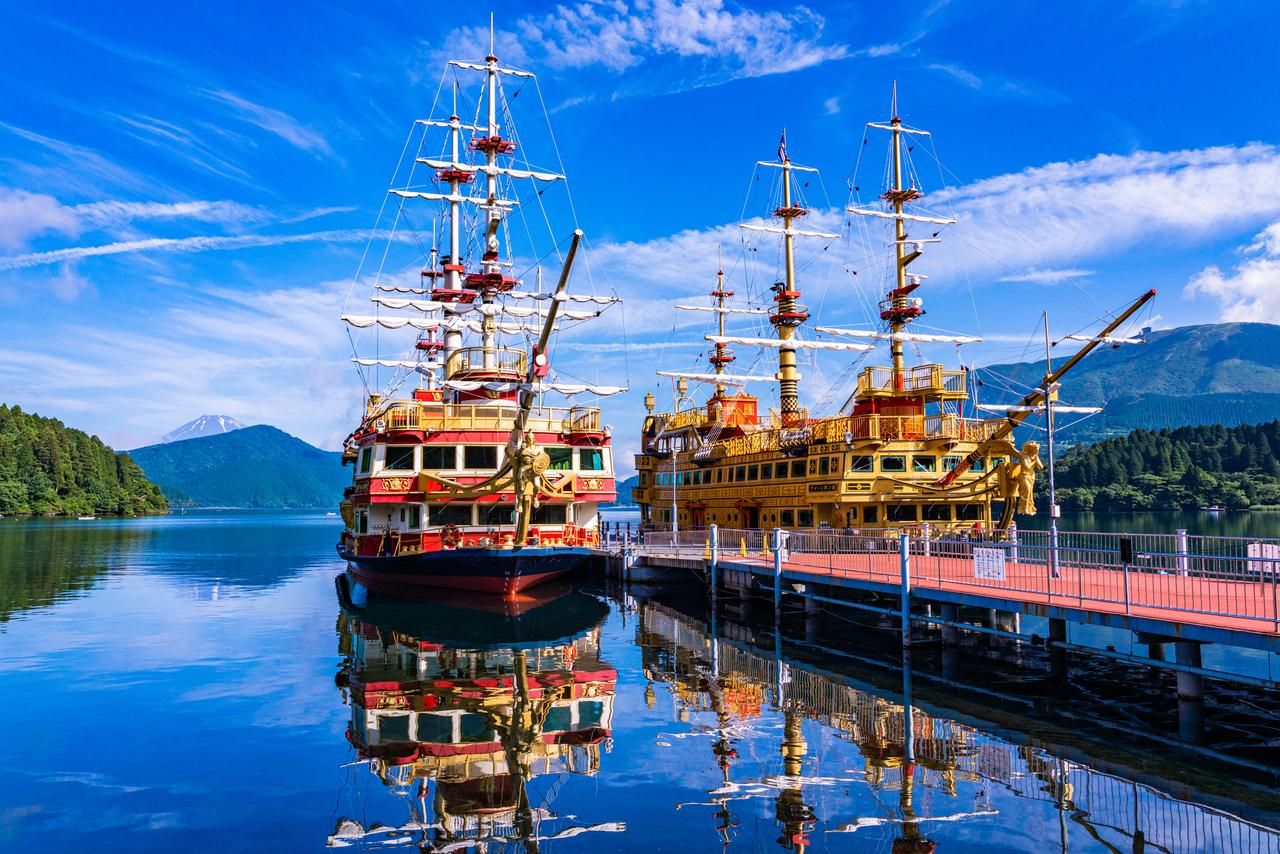
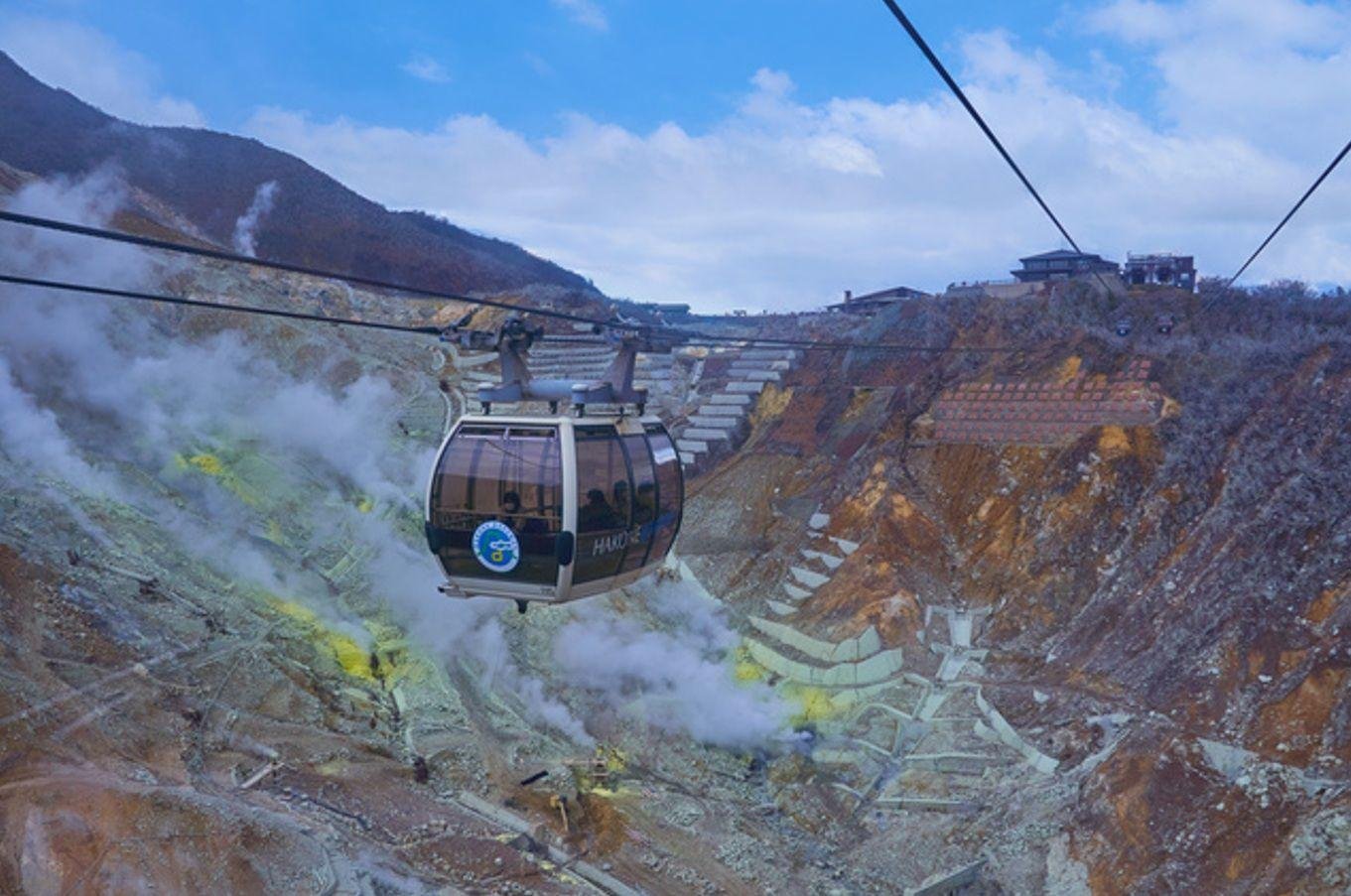
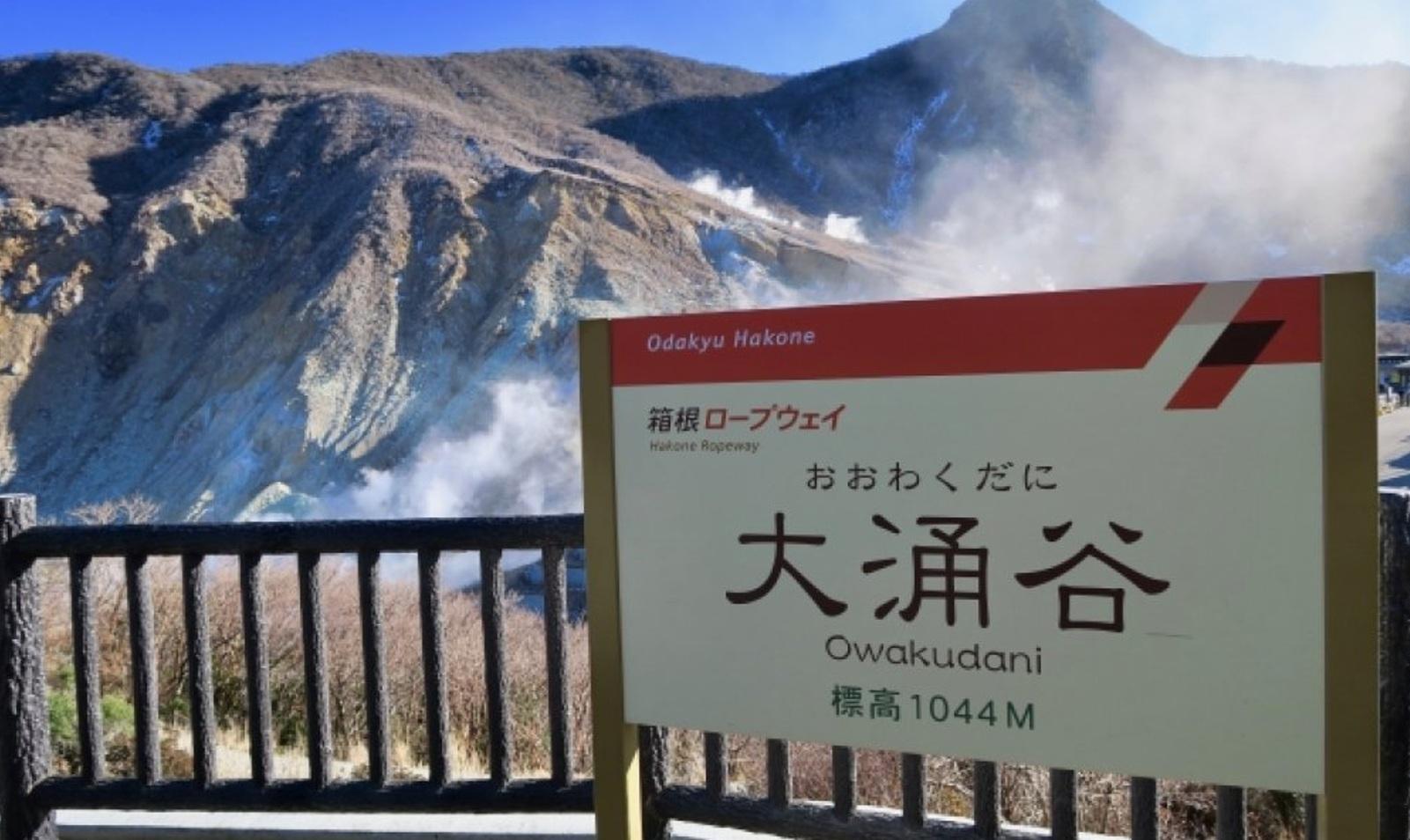
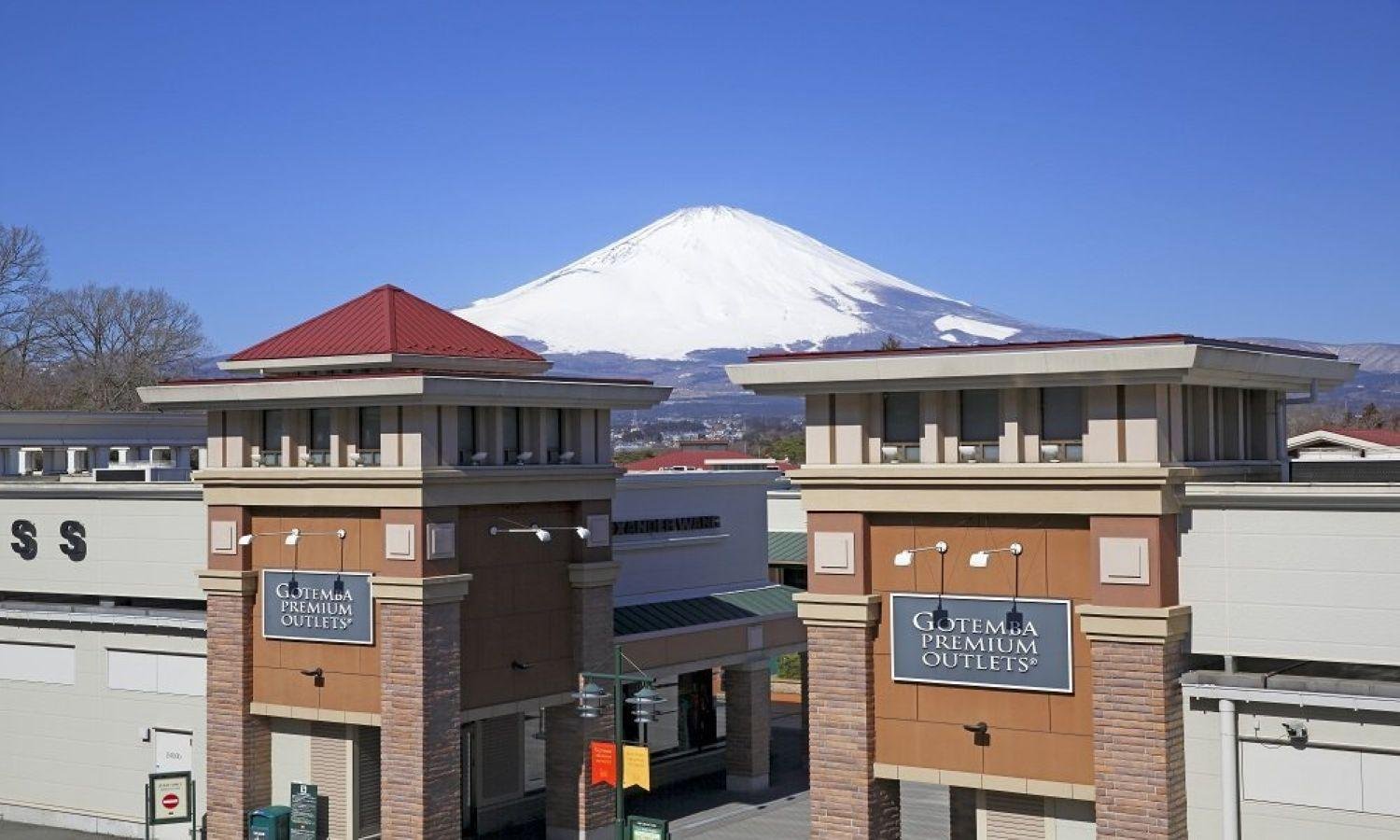
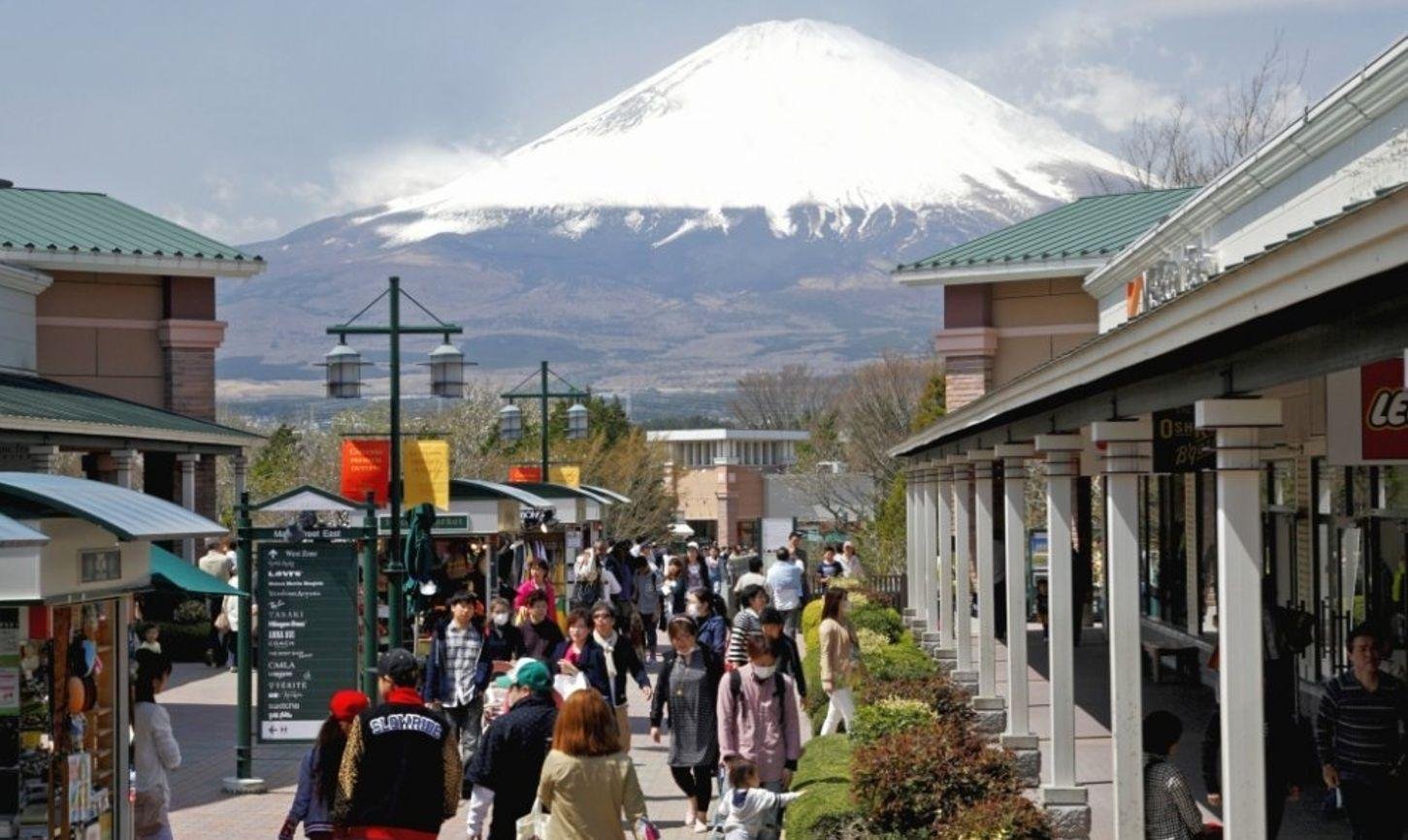
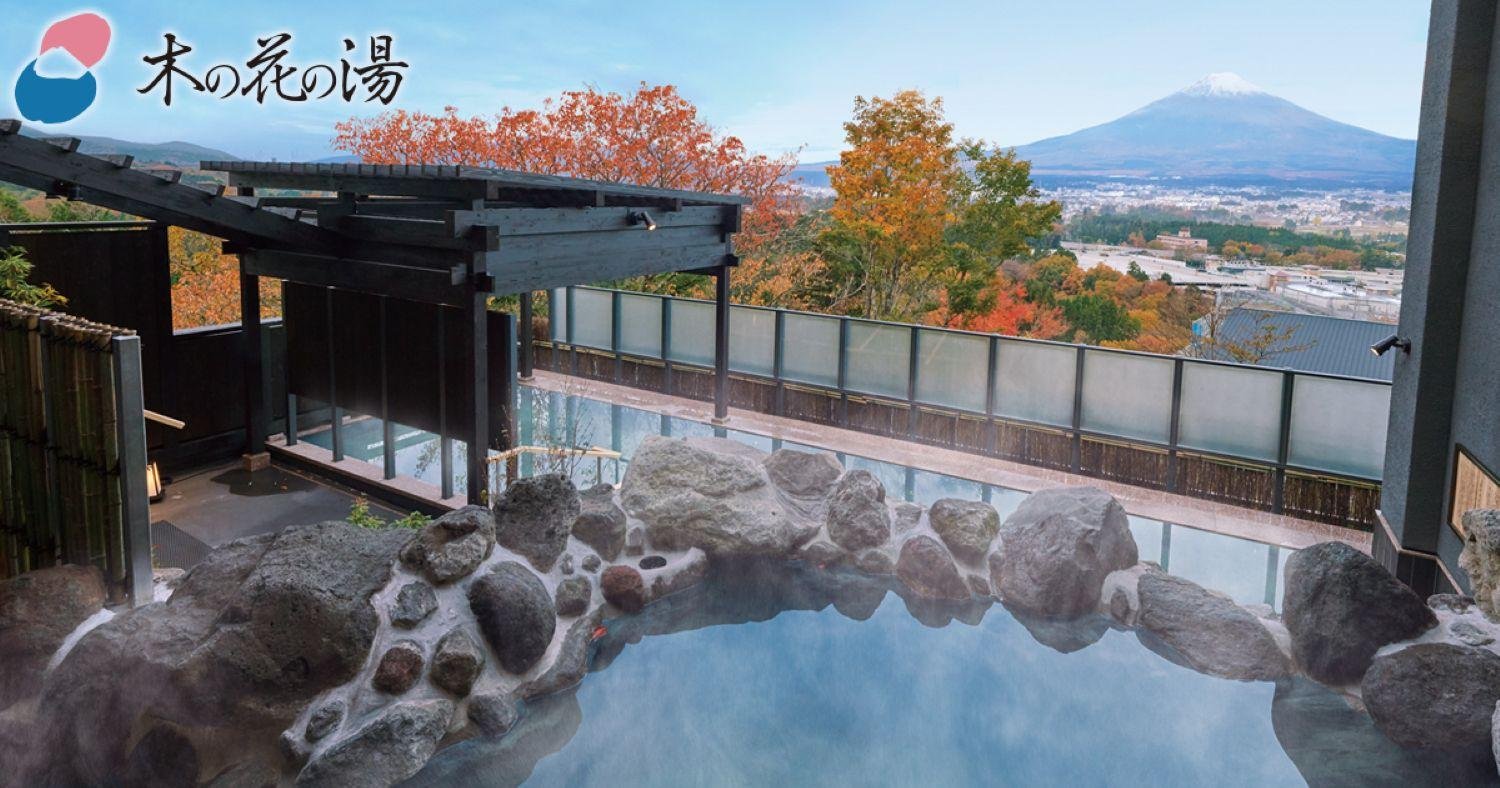


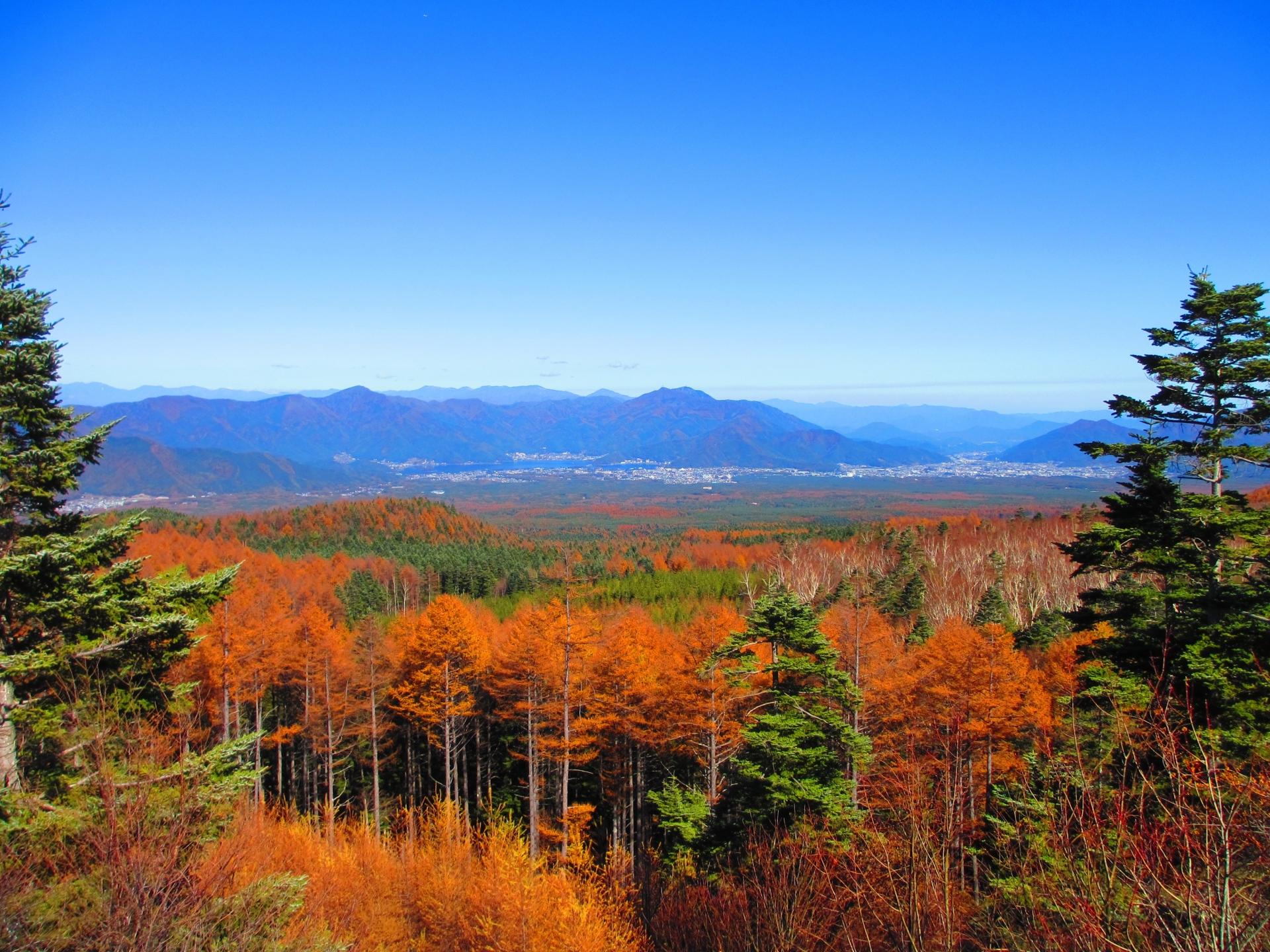
Explore Japan’s iconic mountain, enjoy luxury outlet shopping, and cruise Lake Ashi on this full-day excursion.
All the details about your upcoming adventure in one place
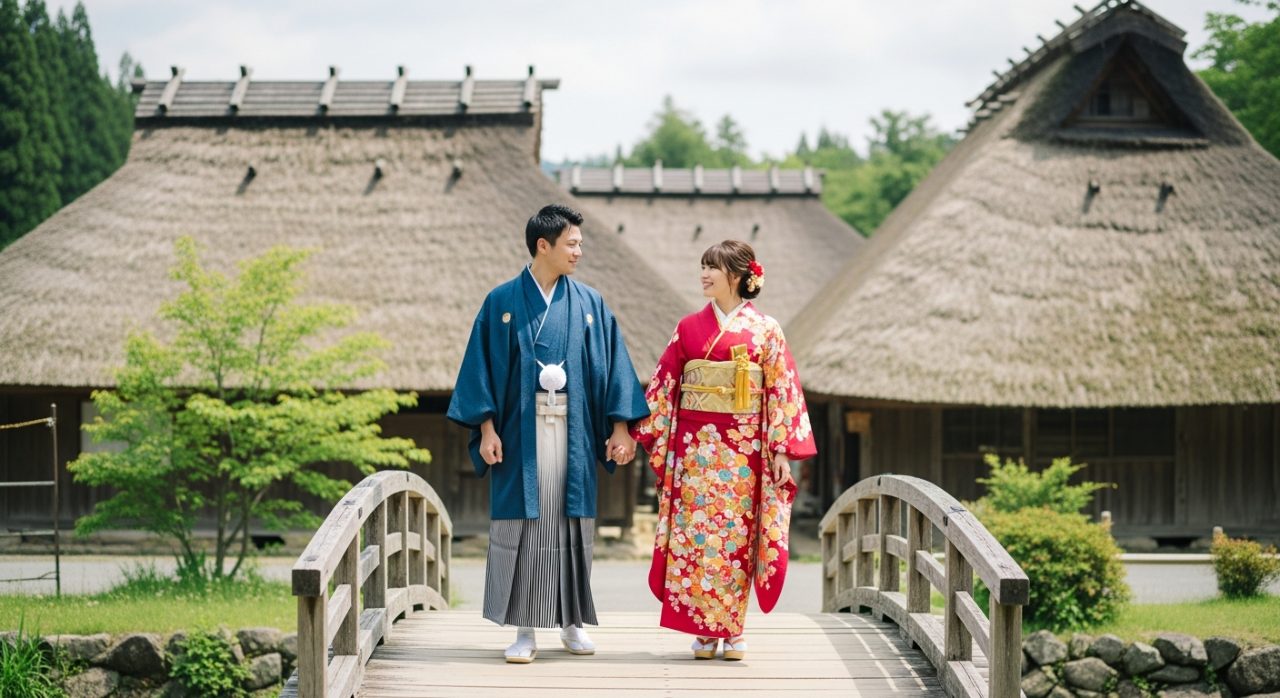
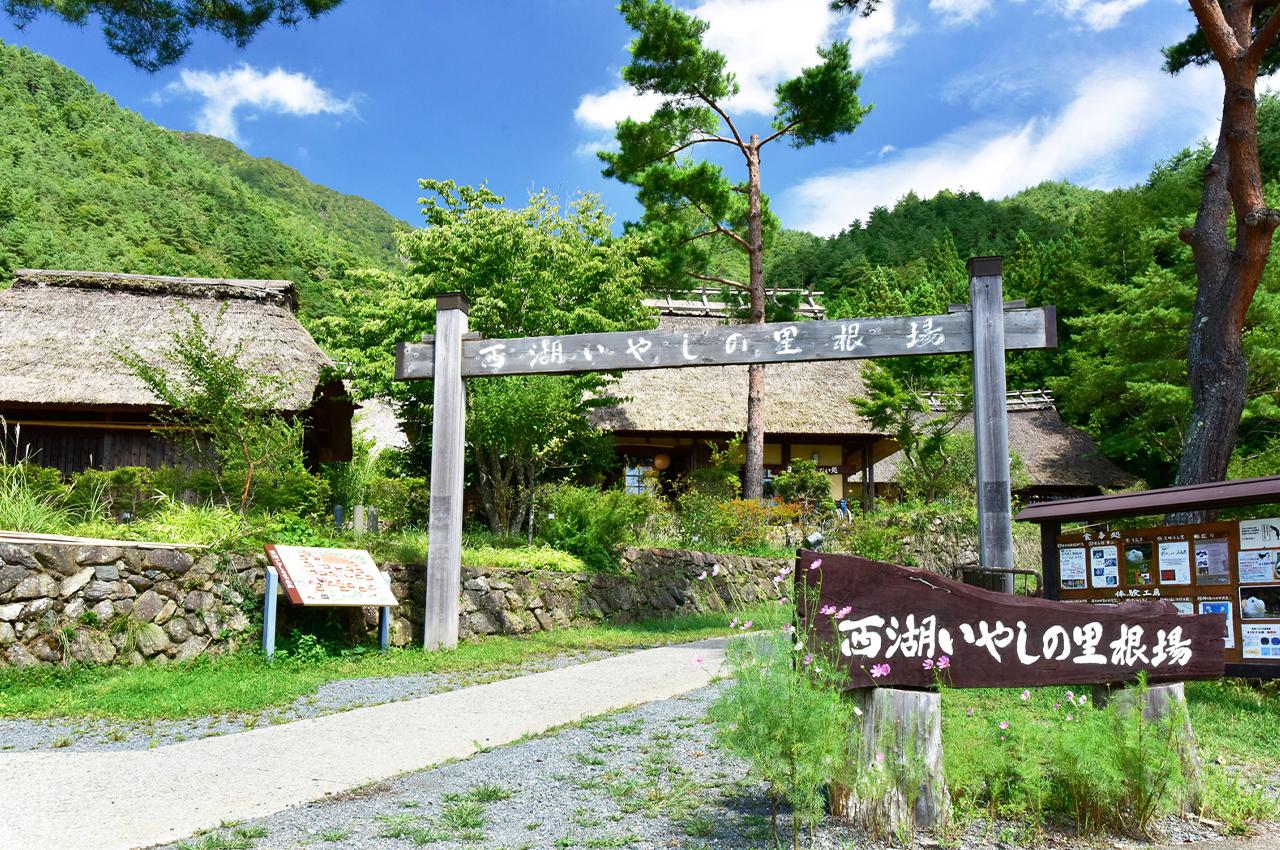
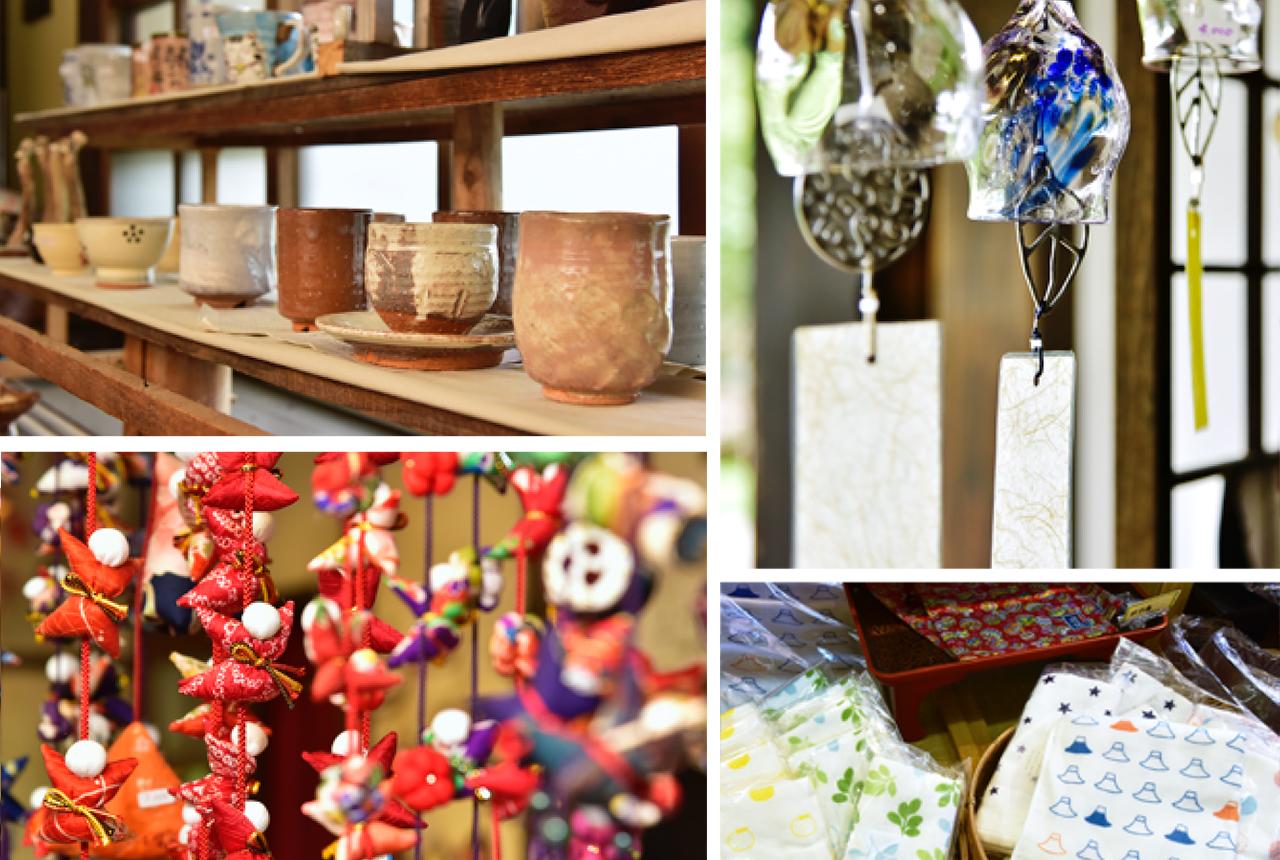
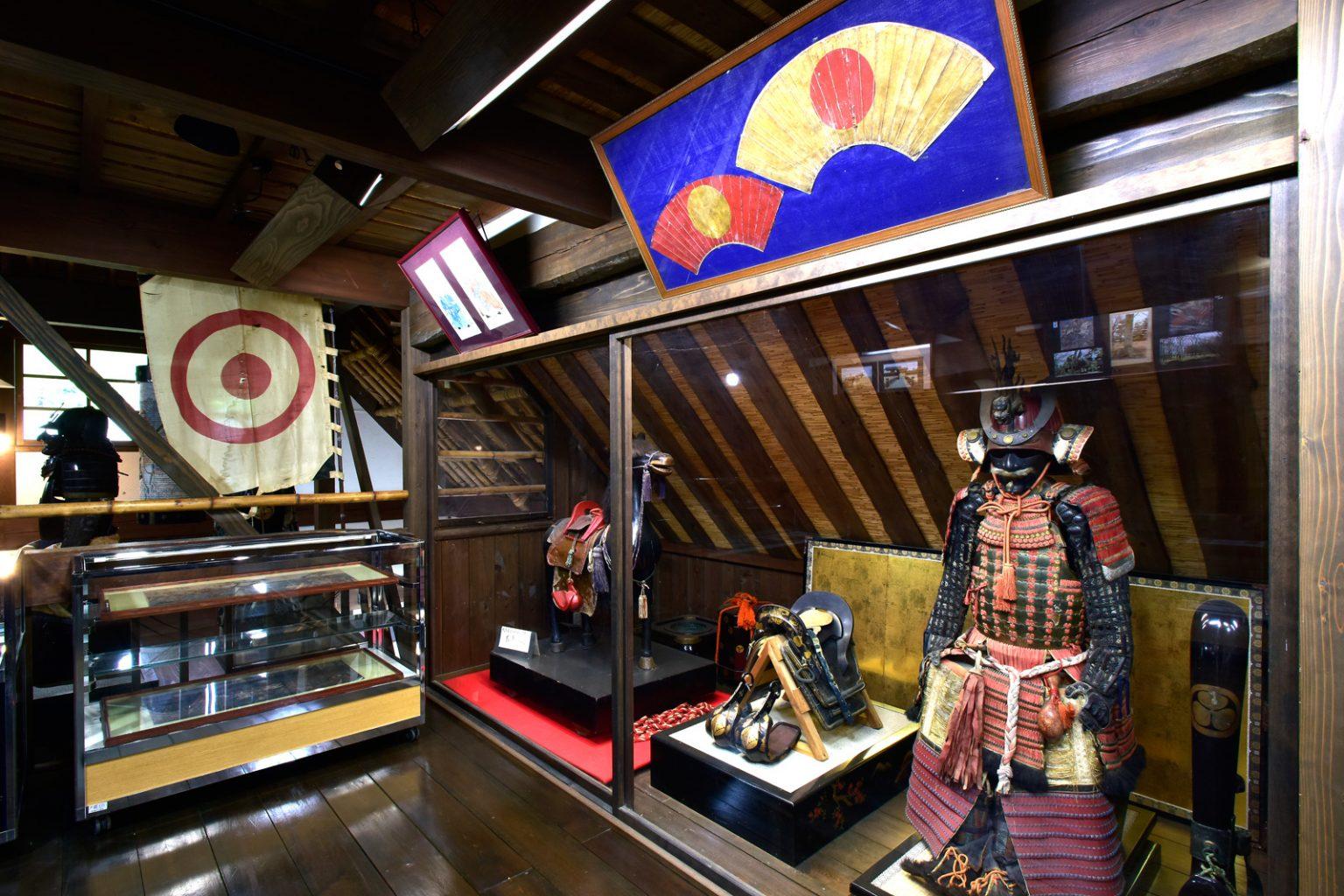
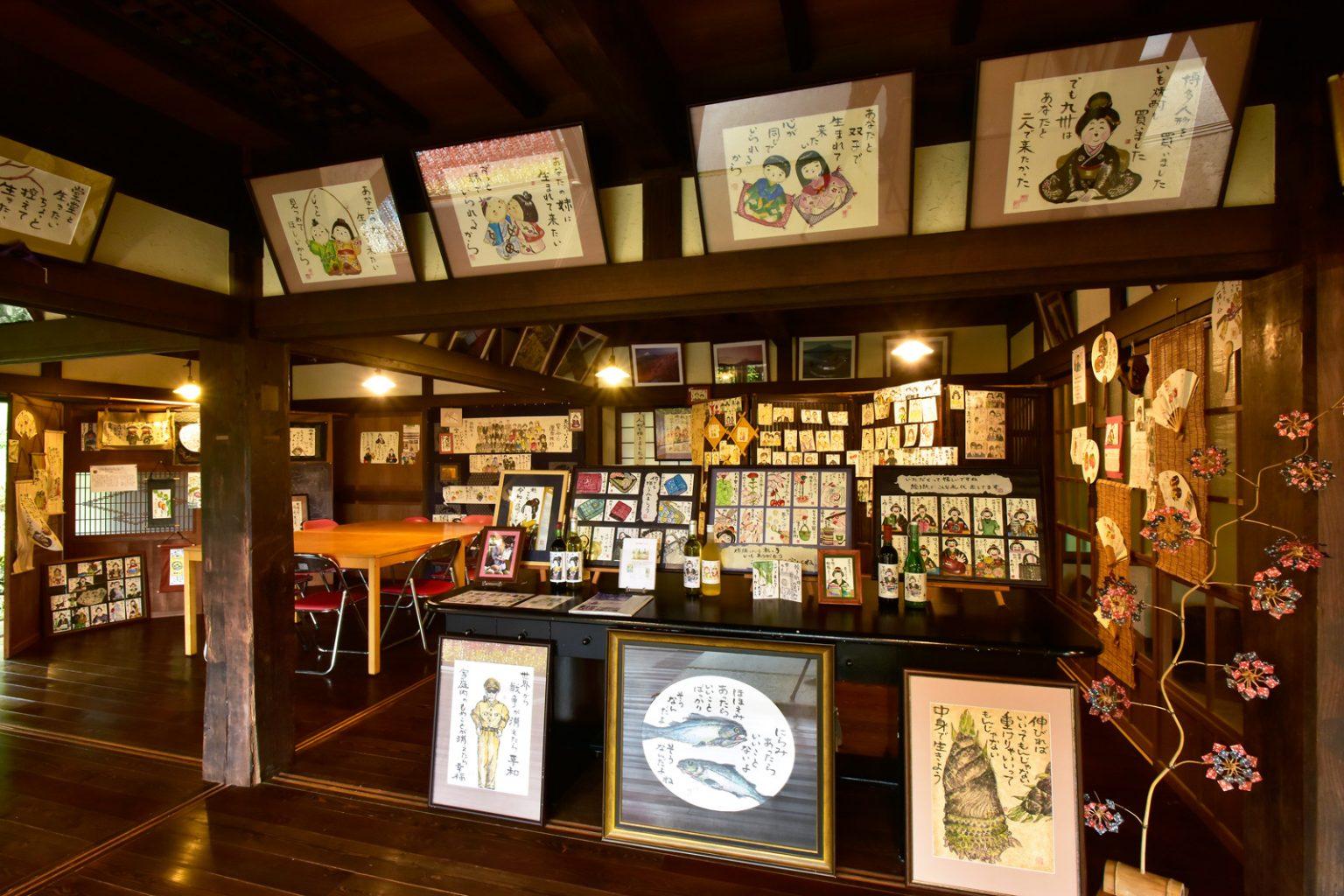
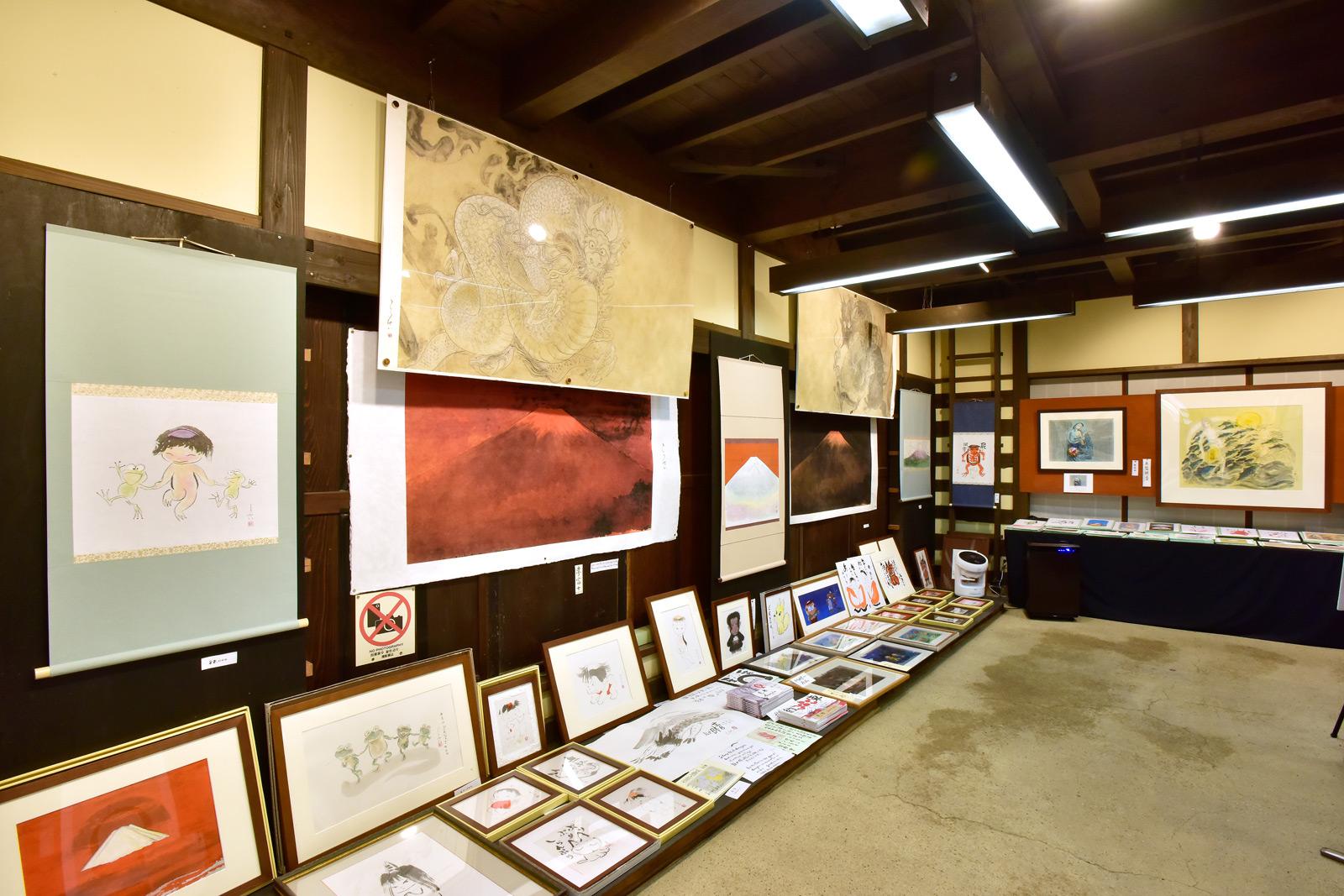
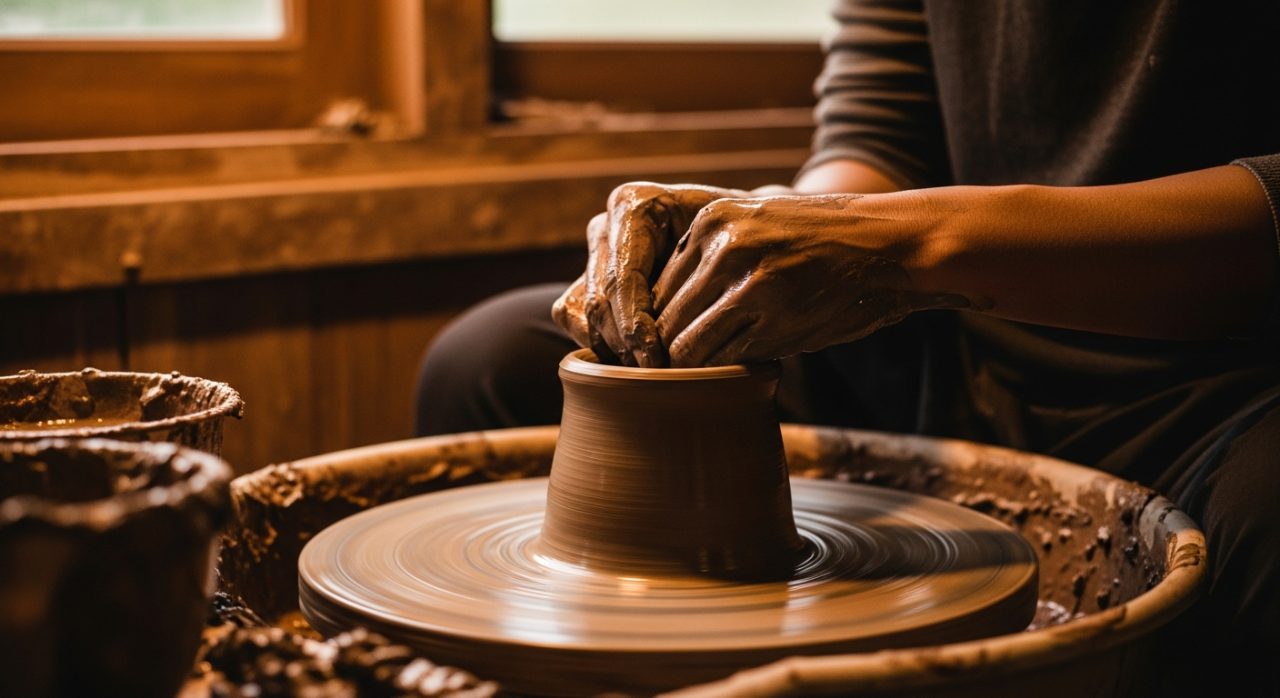
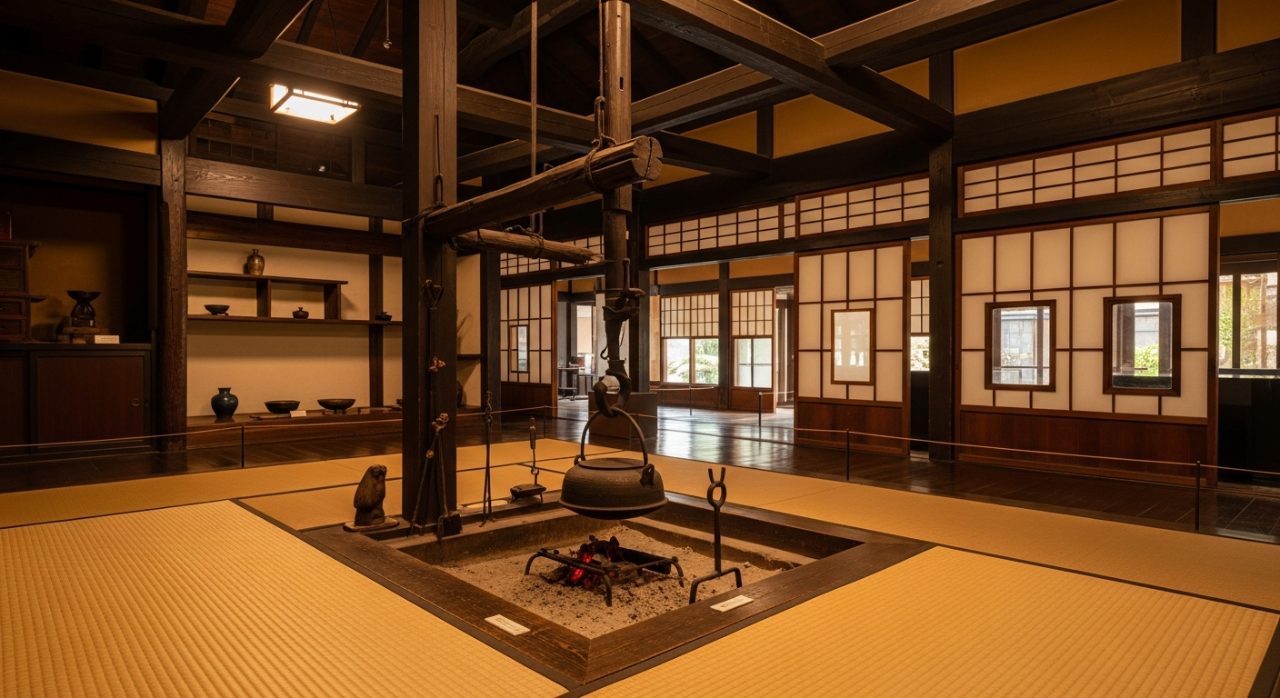
Nestled on the western banks of Lake Saiko, Saiko Iyashi no Sato Nenba (The Healing Village) offers a captivating glimpse into Japan's pastoral past. This open-air museum features over twenty reconstructed traditional houses with thatched roofs, standing on the site of a farming village that was once lost to a typhoon. Today, it has been beautifully restored as a hub of culture and craft. Visitors can explore the charming structures, which now serve as museums, galleries, and artisan workshops. Whether you are trying your hand at traditional pottery, dressing up in samurai armor for a memorable photo against the backdrop of Mount Fuji, or simply enjoying the serene atmosphere of the countryside, a visit here provides a peaceful retreat from the modern world and a deep connection to Japanese heritage.
We partner with top-rated operators like Viator to ensure your booking is secure and your experience is verified
From budget-friendly bus tours to private luxury vans, we select only the highest-rated options
Make informed decisions based on thousands of authentic reviews from travelers who have actually visited
Competitive pricing on all day trips and guided experiences compared to booking directly
Secure your spot immediately for popular dates, especially during cherry blossom and autumn seasons
Most of our partner tours offer free cancellation up to 24 hours before the experience
Spring (Sakura)|Autumn (Foliage)|Winter (Clear Views)
Comfortable walking shoes (essential)|Layers for changing mountain weather|Sun hat and sunglasses|Warm coat in winter (Nov-Mar)
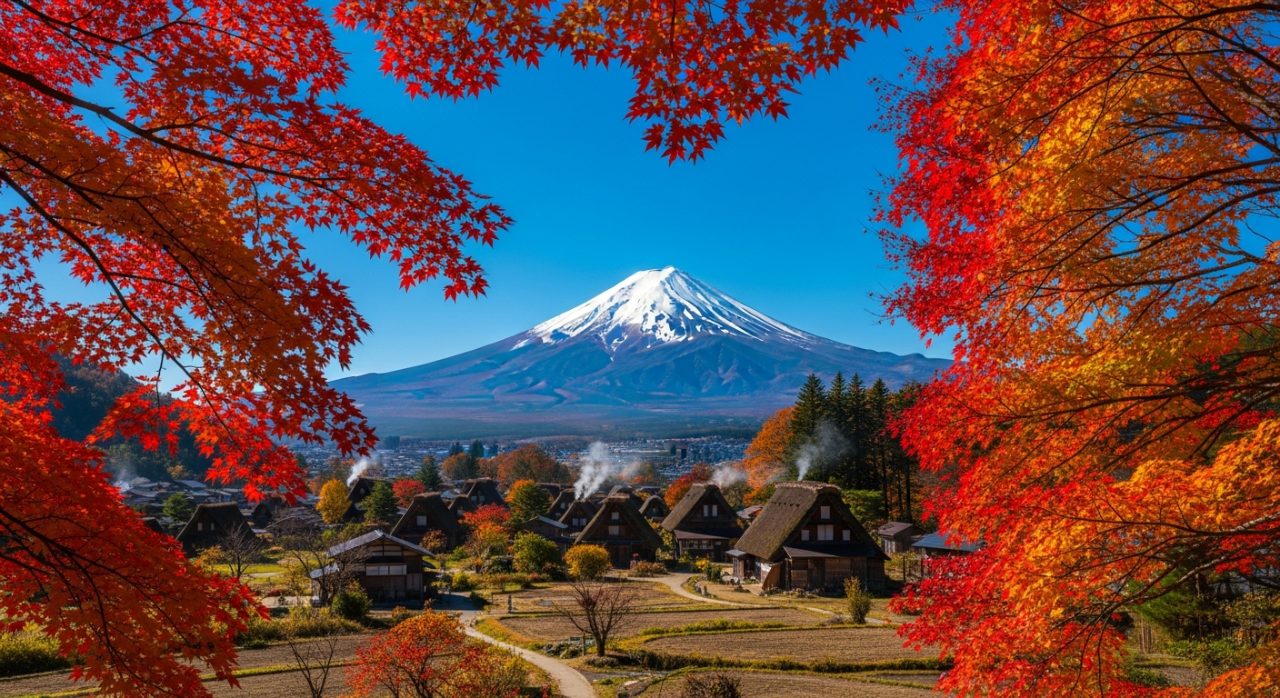
Originally a farming settlement called 'Nenba', the village was devastated by a typhoon. The reconstruction project 'Iyashi no Sato' (Healing Village) aims to restore the original landscape and preserve the thatched-roof culture unique to this region.
Free cancellation up to 24 hours in advance for a full refund on most partner tours. Check specific ticket details at checkout.
Share your experience: #IyashiNoSato #MtFuji #JapanTravel #HealingVillage #Fujikawaguchiko
Real experiences from real travelers
The village is absolutely beautiful. We rented kimonos and took hundreds of photos. The view of Fuji was shy that day, but the atmosphere of the thatched houses made up for it. Booking the bus tour from Tokyo was so easy.
We took the Muslim-friendly tour option and it was perfect. Halal lunch was delicious, and we had time for prayers. The village itself is serene and the autumn colors were breathtaking.
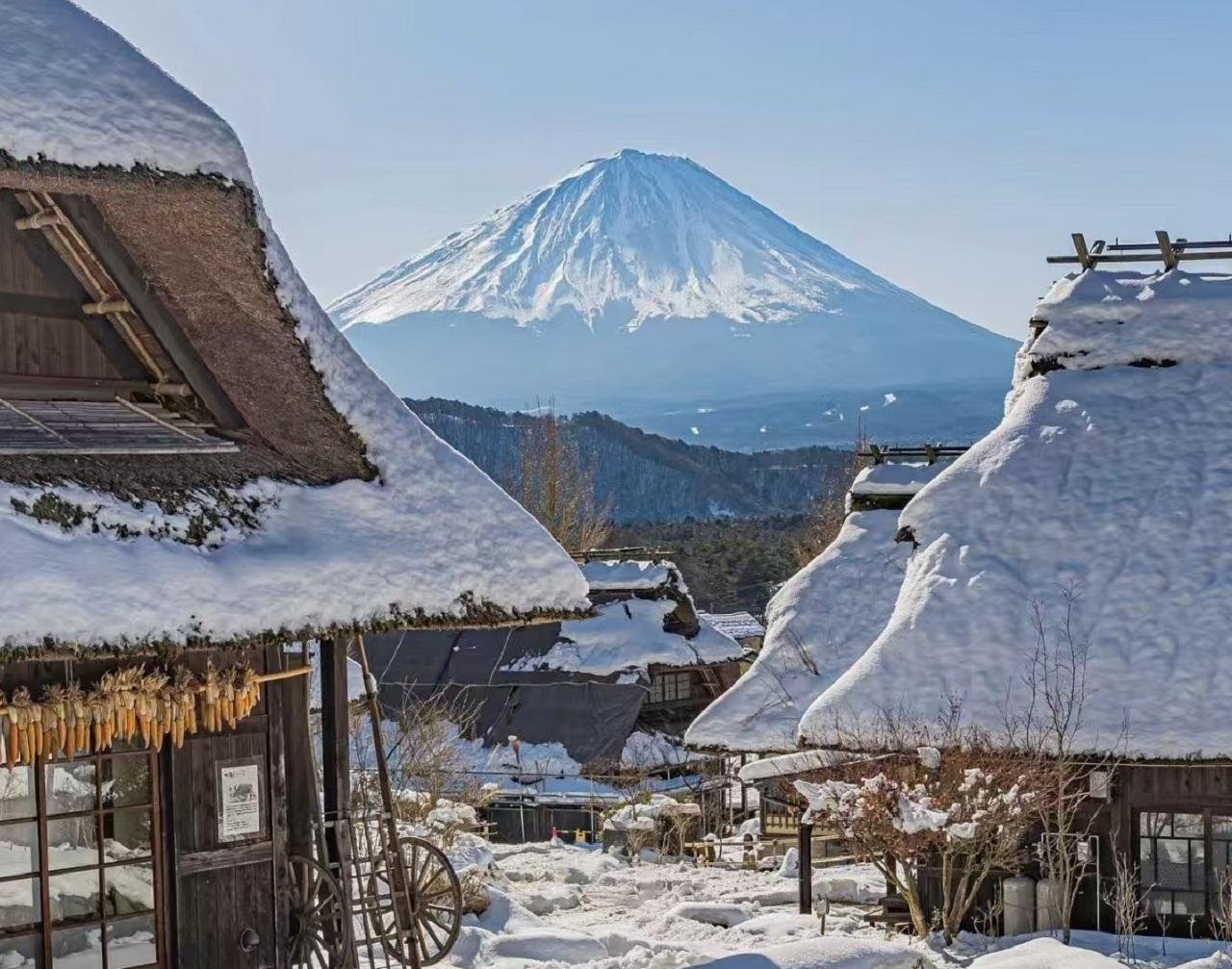
Great place to see the old style of Japan. The winter view with snow is stunning, but dress warmly! The wind from the lake can be chilly. The soba noodles at the restaurant warmed us up.
I loved the craft workshops. We made our own postcards with washi paper. It's not just a museum, it feels alive. The guide from our tour was very knowledgeable about the history of the typhoon and reconstruction.
A nice break from the busy Tokyo streets. The air is fresh and the scenery is like a painting. We combined this with the Ice Cave tour which was nearby. Highly recommended for families.
Everything you need to know for your journey
Spring (April) for cherry blossoms and Autumn (November) for red leaves are the most popular times. However, Winter (December-February) often offers the clearest views of Mount Fuji, despite the cold.
Yes, largely. There are paved paths and wheelchair-accessible routes to the main areas, though some specific houses may have raised steps or steep entryways. The village is on a slope, so assistance is recommended.
Most visitors spend between 1.5 to 2 hours exploring the houses, taking photos, and perhaps doing a quick craft activity. If you plan to eat lunch and do a longer workshop, allow 3 hours.
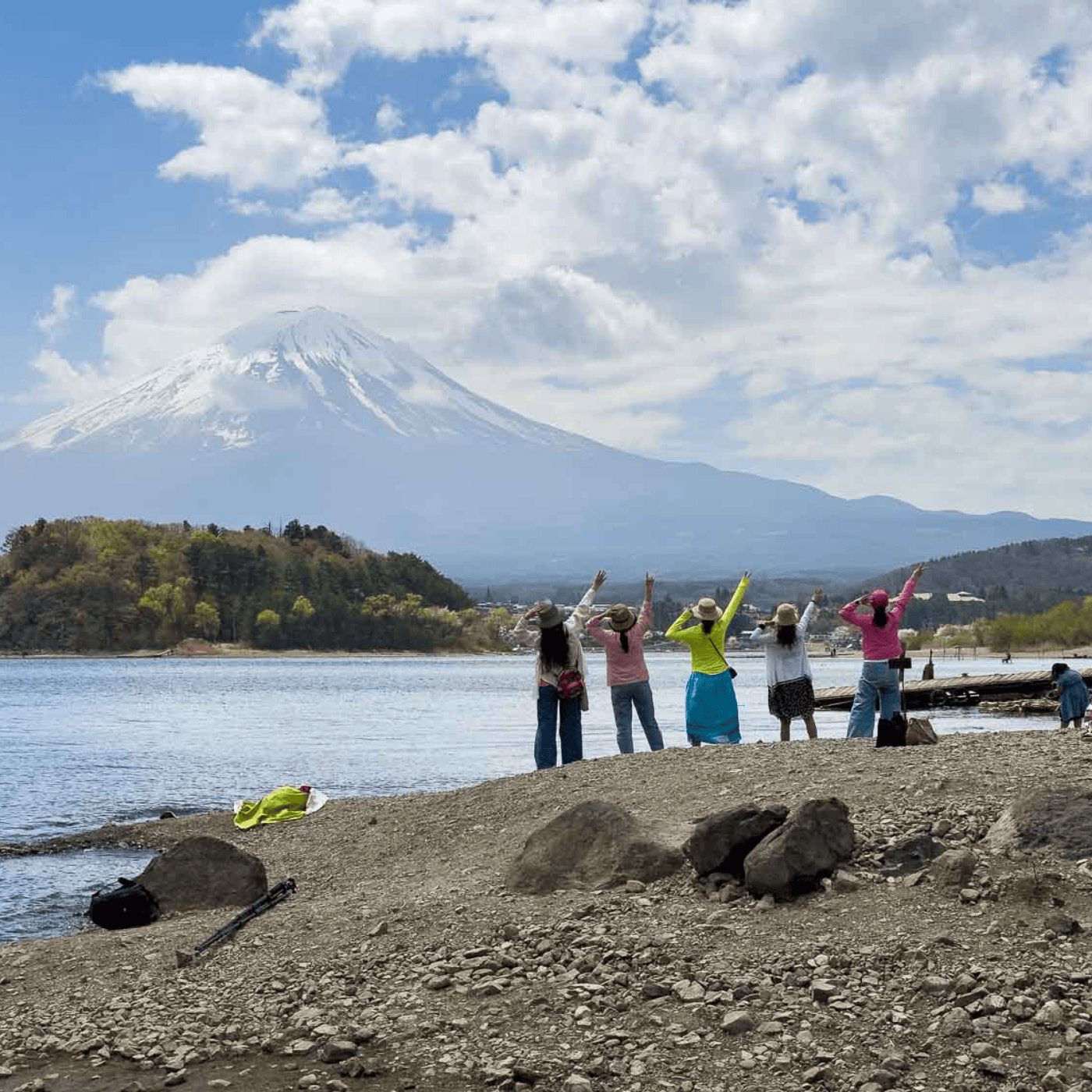
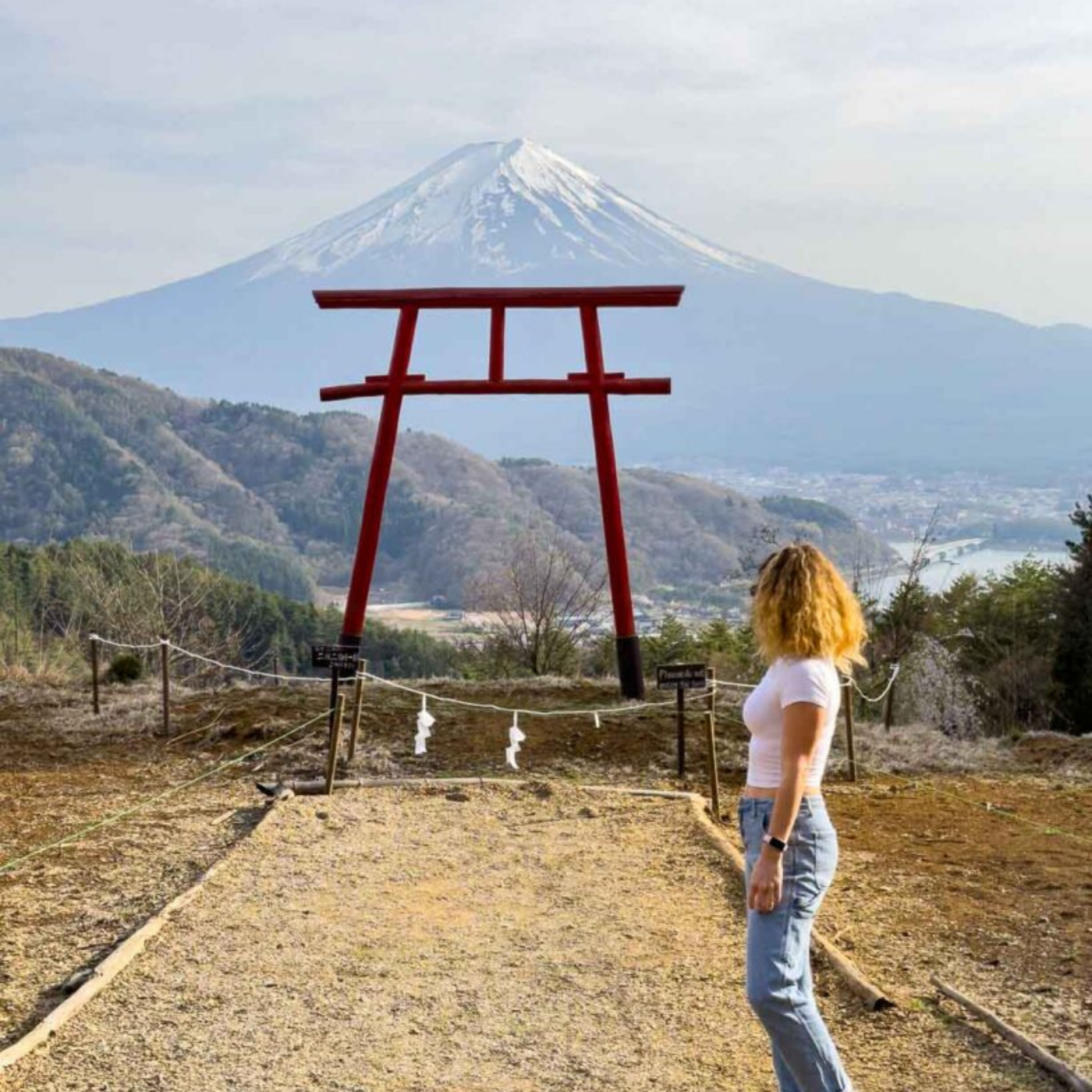
Yes! On clear days, the village offers one of the most iconic views of Mount Fuji, framed by the traditional thatched roof houses. Visibility is best in the early morning.
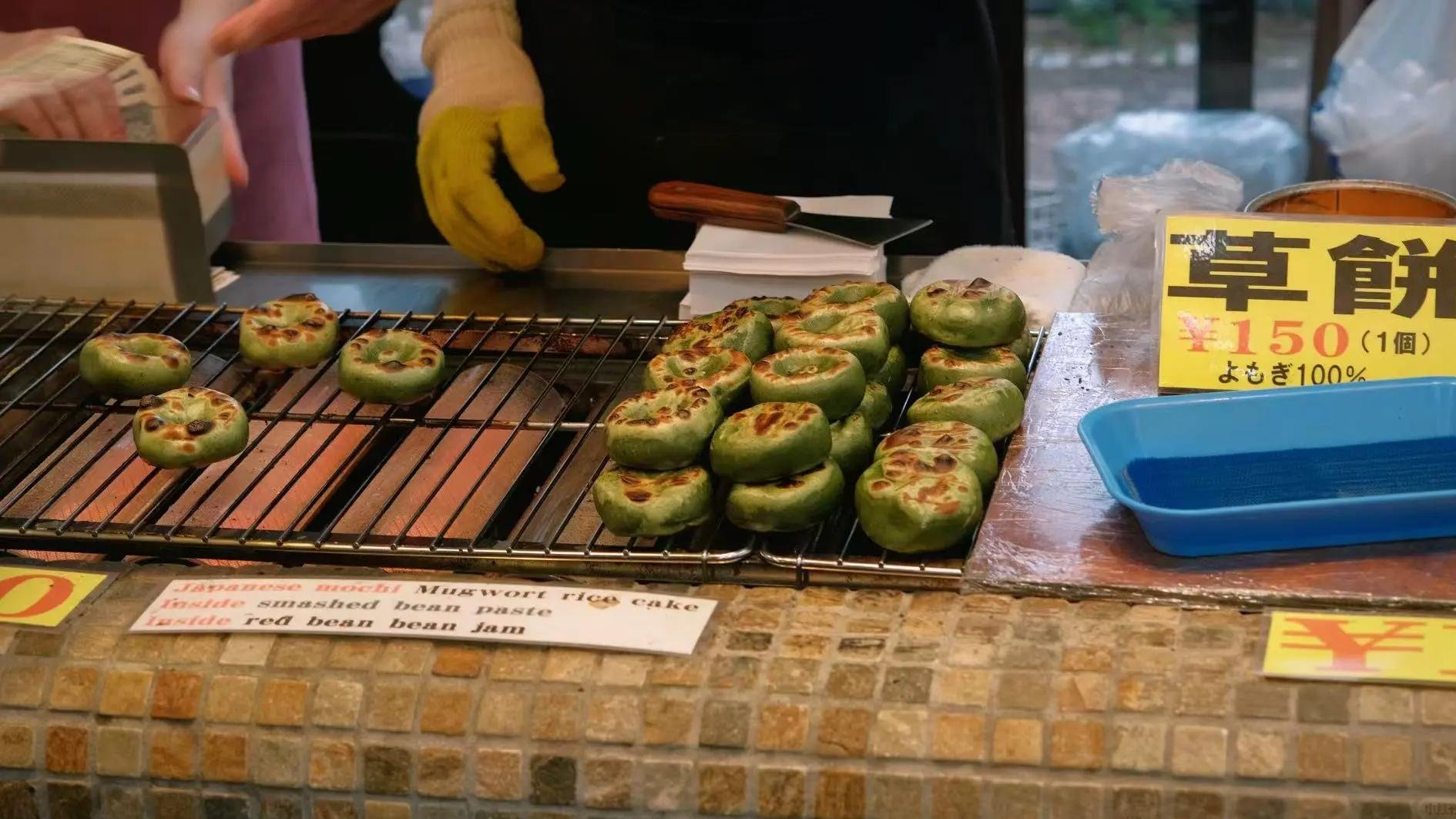
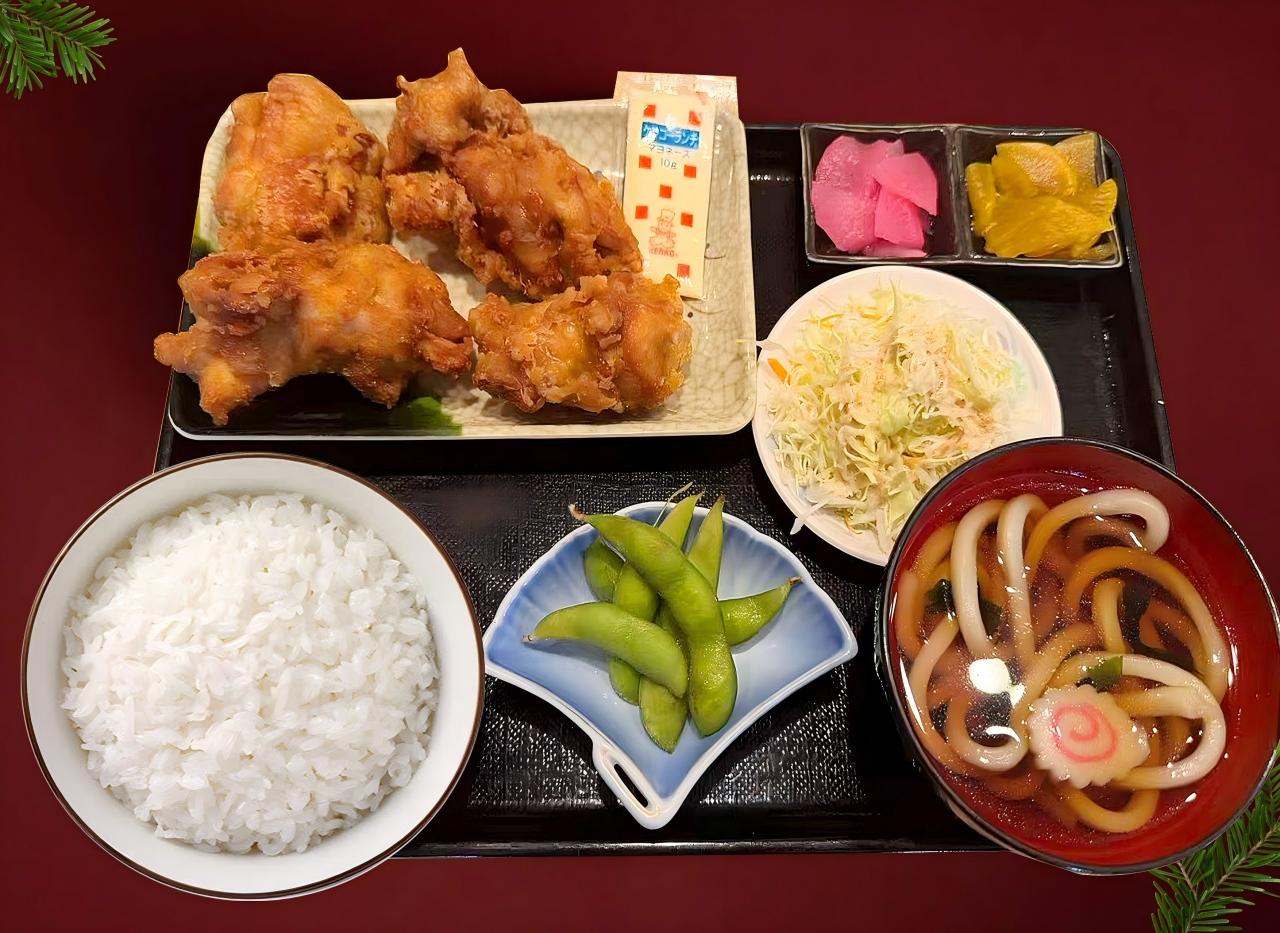
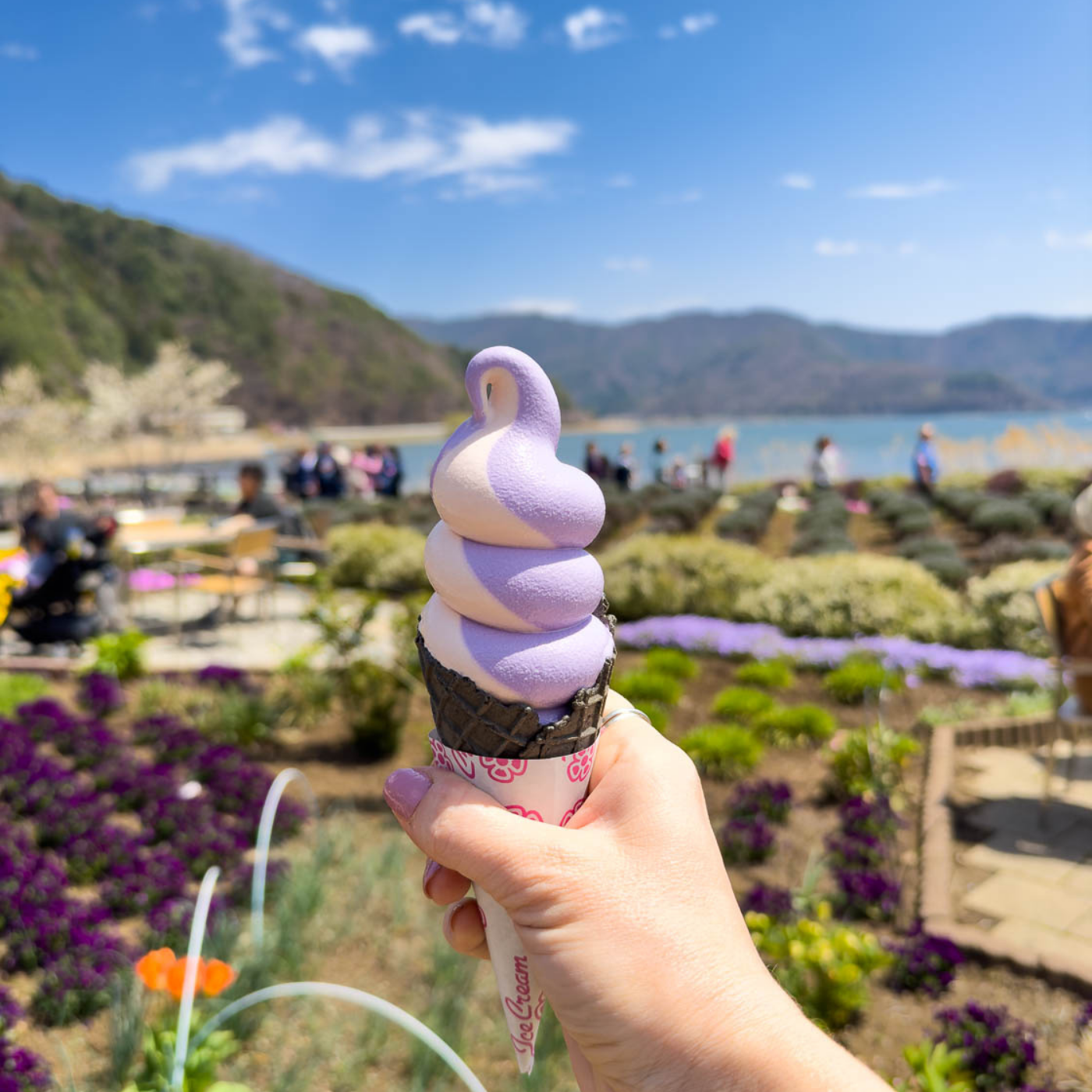
Yes, there are restaurants within the village serving local specialties like Hoto noodles and Soba, as well as shops selling snacks and soft serve ice cream.
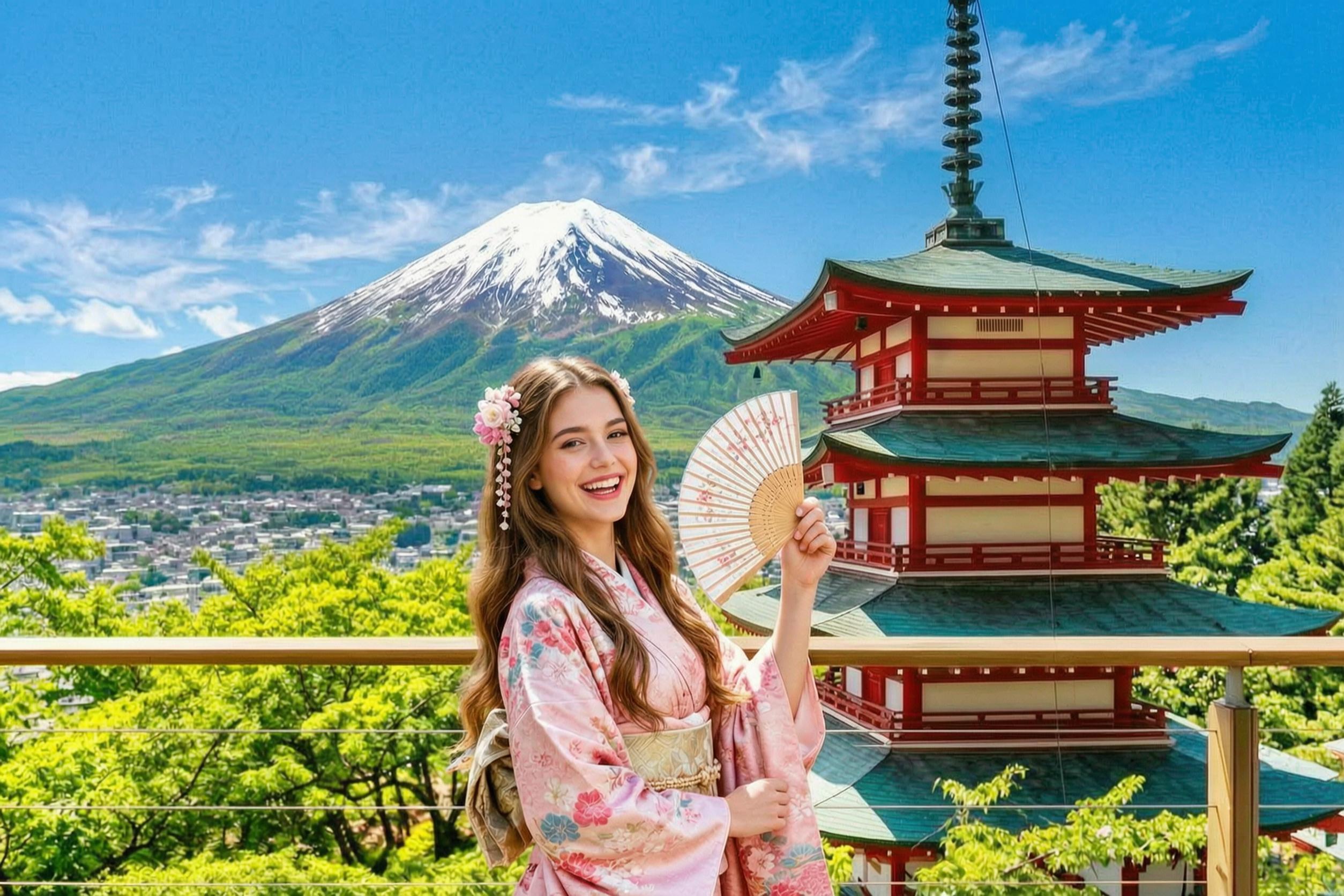
Yes, the 'Hinomi-ya' house offers rentals for kimonos and samurai armor for both adults and children, allowing for fantastic photo opportunities around the village.
While the mountain view might be obscured, the village itself is atmospheric in the rain. The indoor museums and craft workshops provide plenty to do under cover.
The easiest way is booking a day tour from Tokyo. Alternatively, take a bus from Kawaguchiko Station (Green Line Omnibus) which takes about 40 minutes.
Yes, pets are generally allowed in the outdoor areas if kept on a leash, making it a dog-friendly destination.
Join thousands of happy travelers who have discovered this incredible experience
Book Your Experience Now