English| EUR
Suggested for you
More currencies
Choose a language
Witness the majesty of Japan's sacred peak with our curated selection of day trips, private charters, and cultural experiences departing daily from Tokyo.
Disclaimer: This is not an official website. All content is for informational purposes only. We may earn commission from bookings.
Hand-picked experiences loved by thousands of travelers
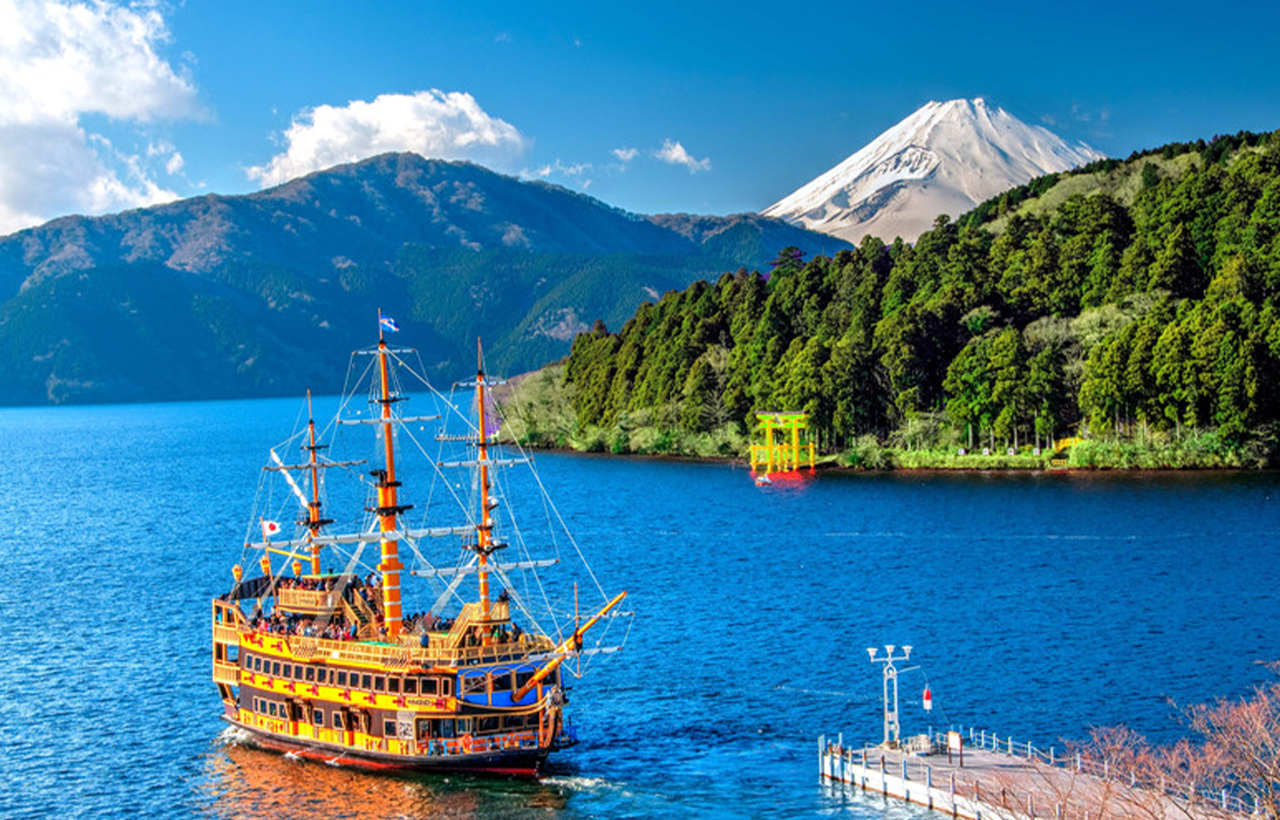
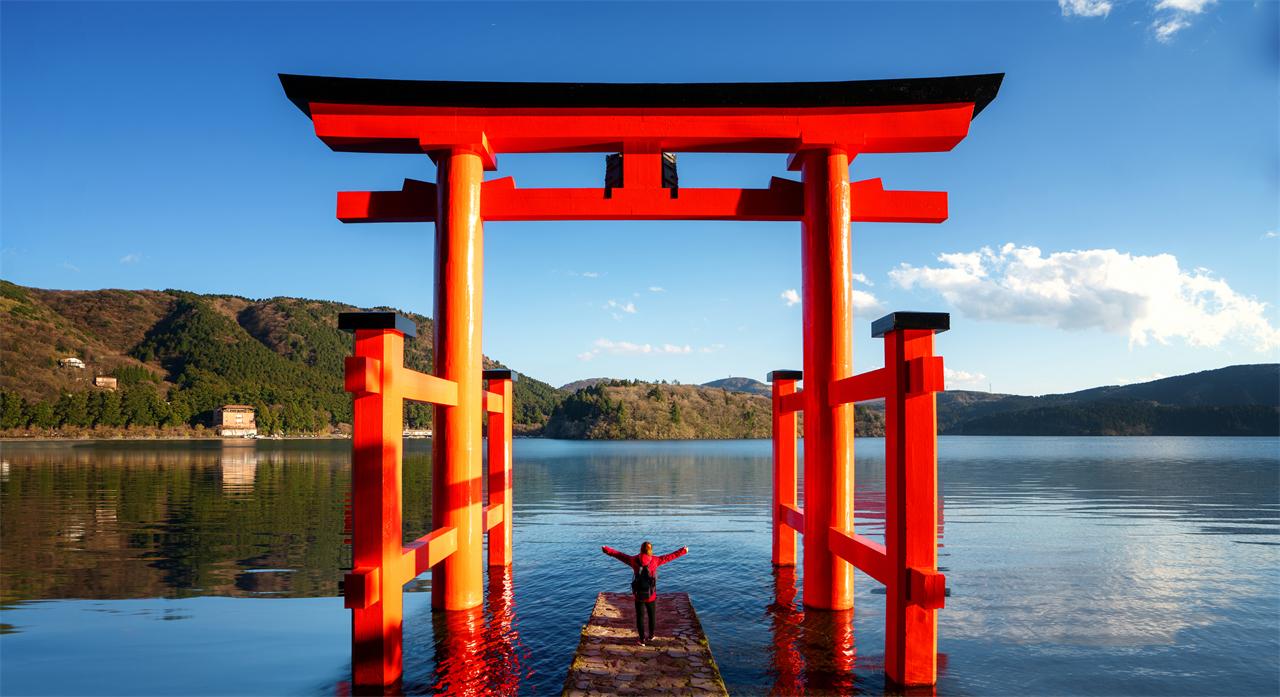
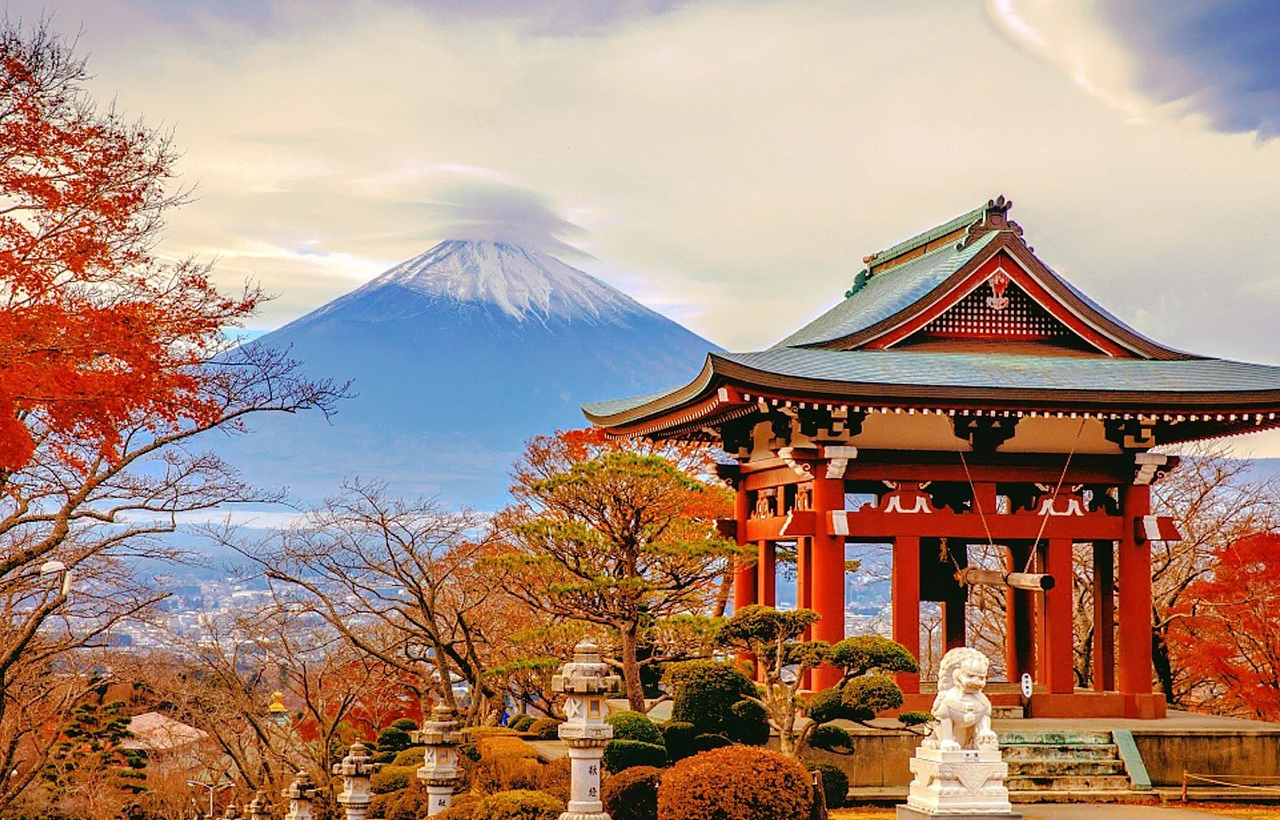
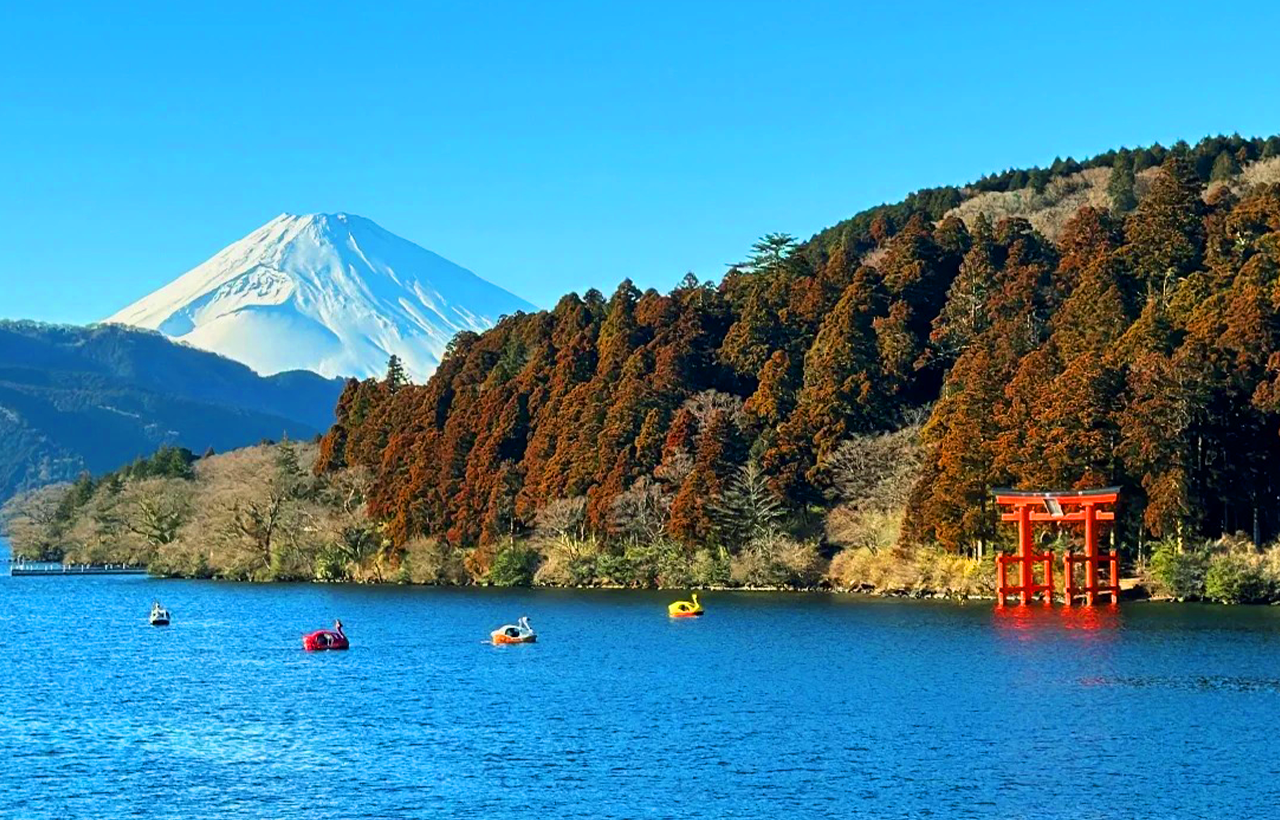
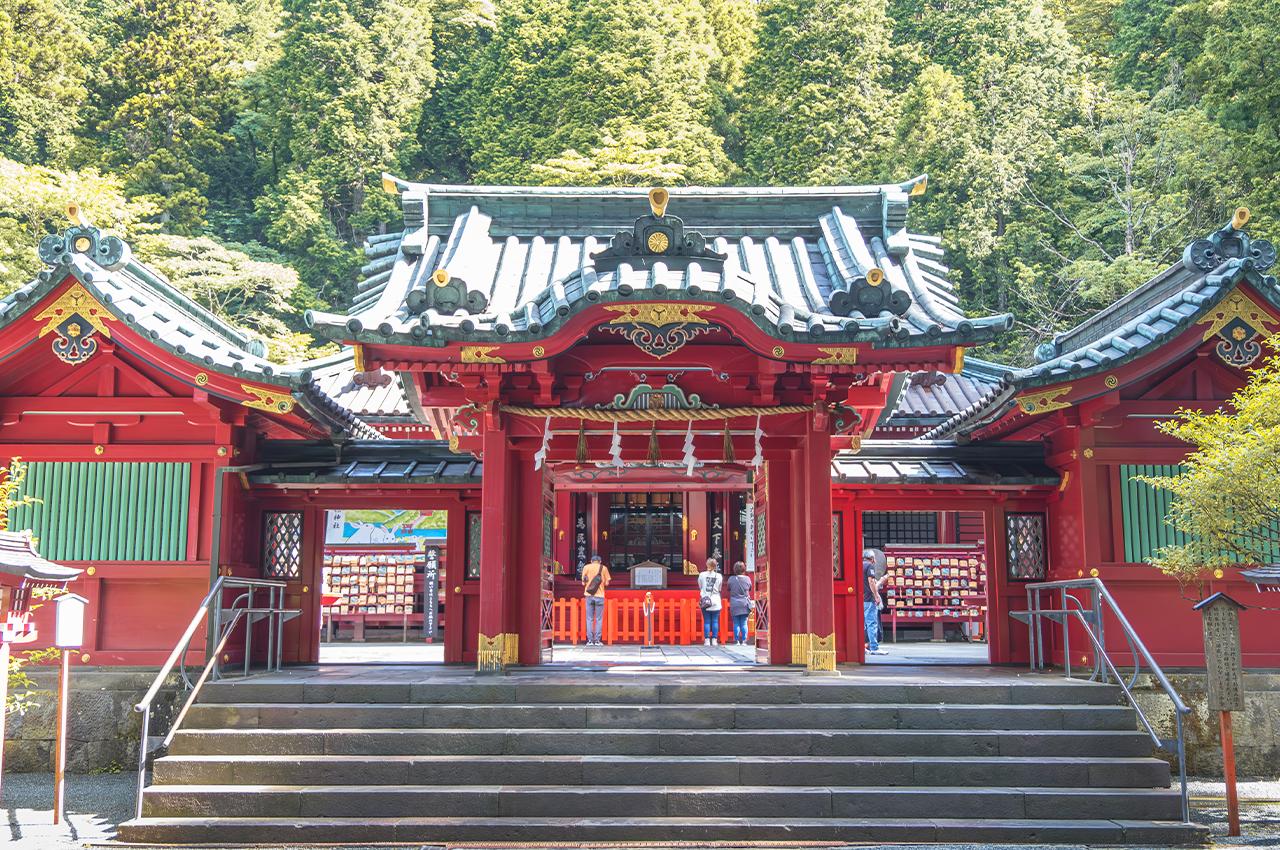
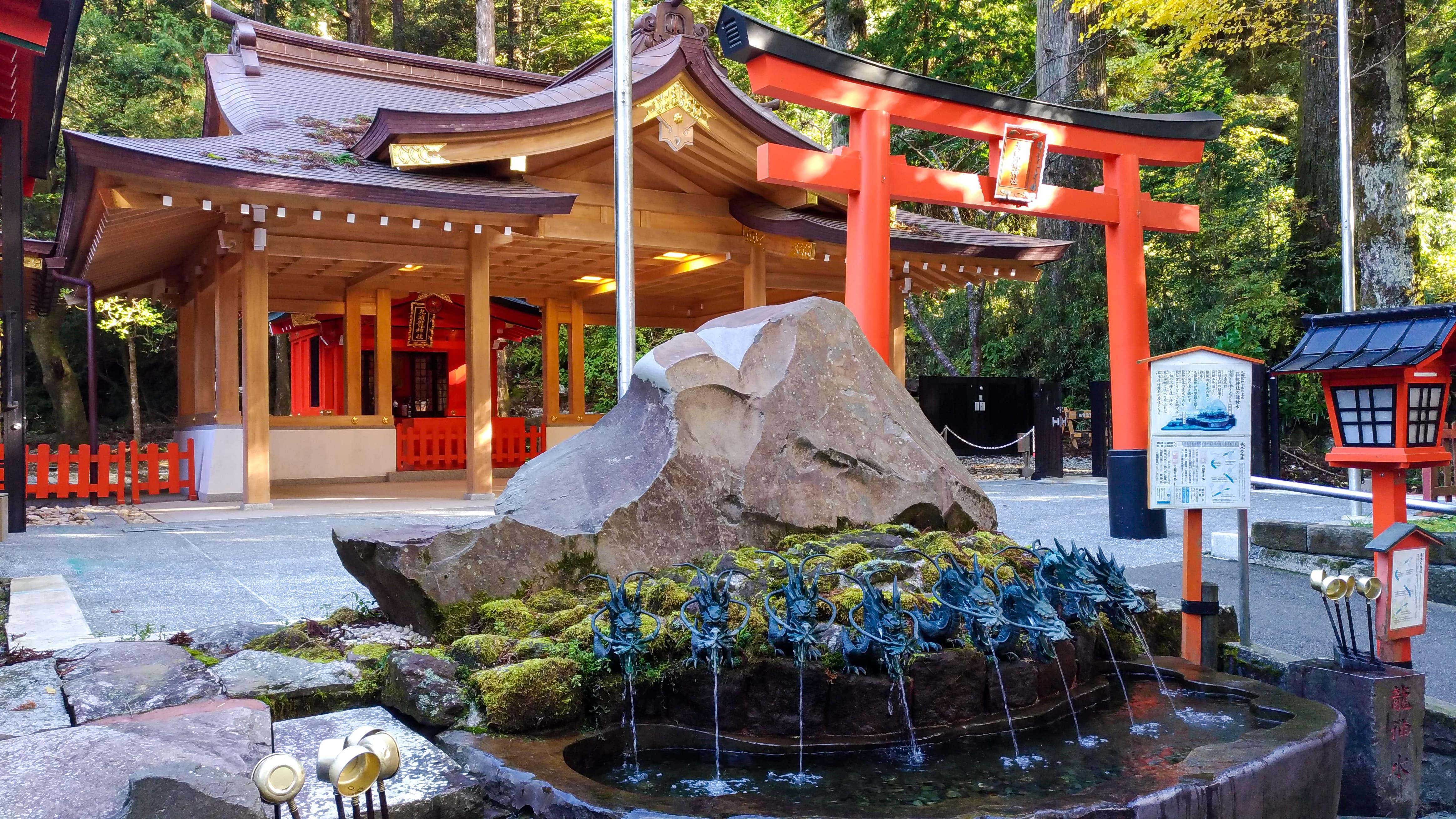
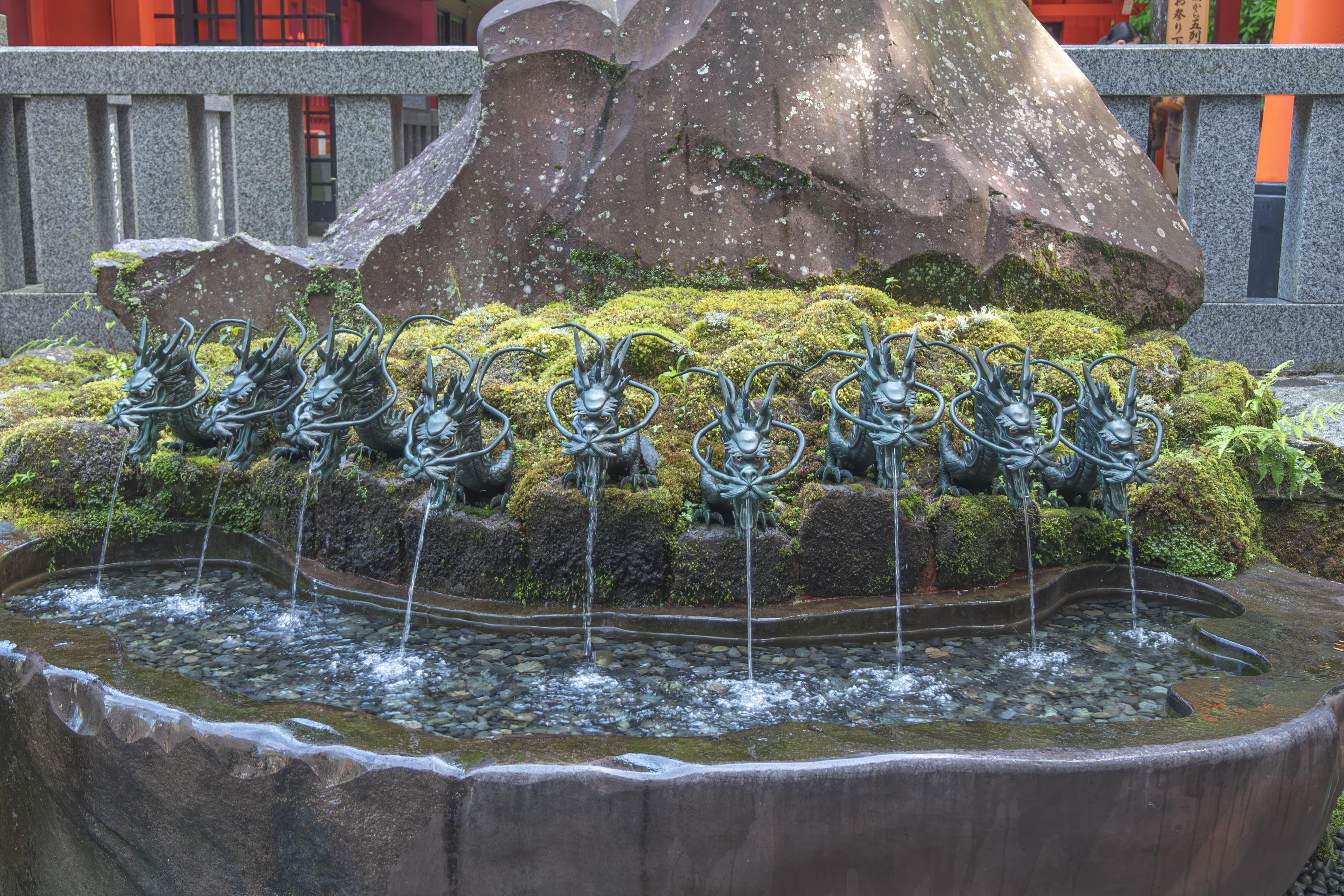
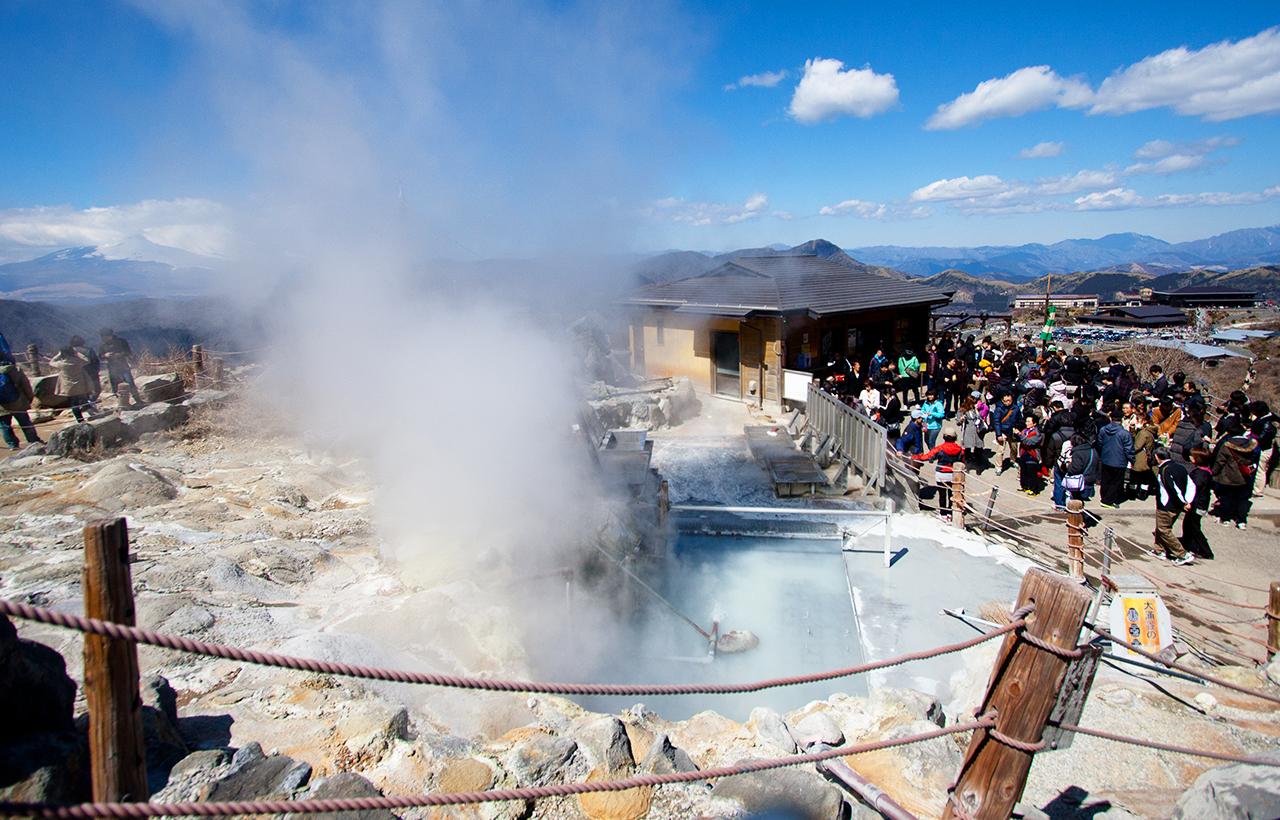
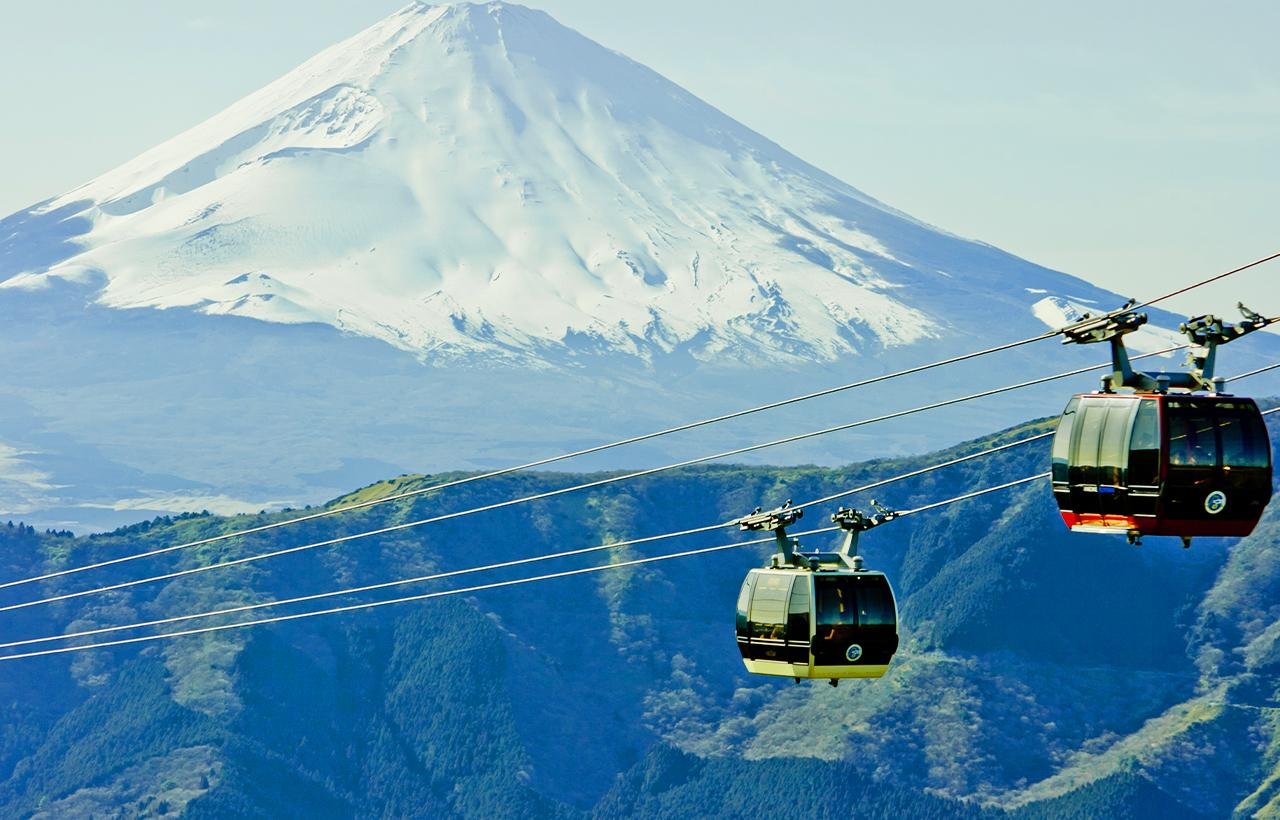
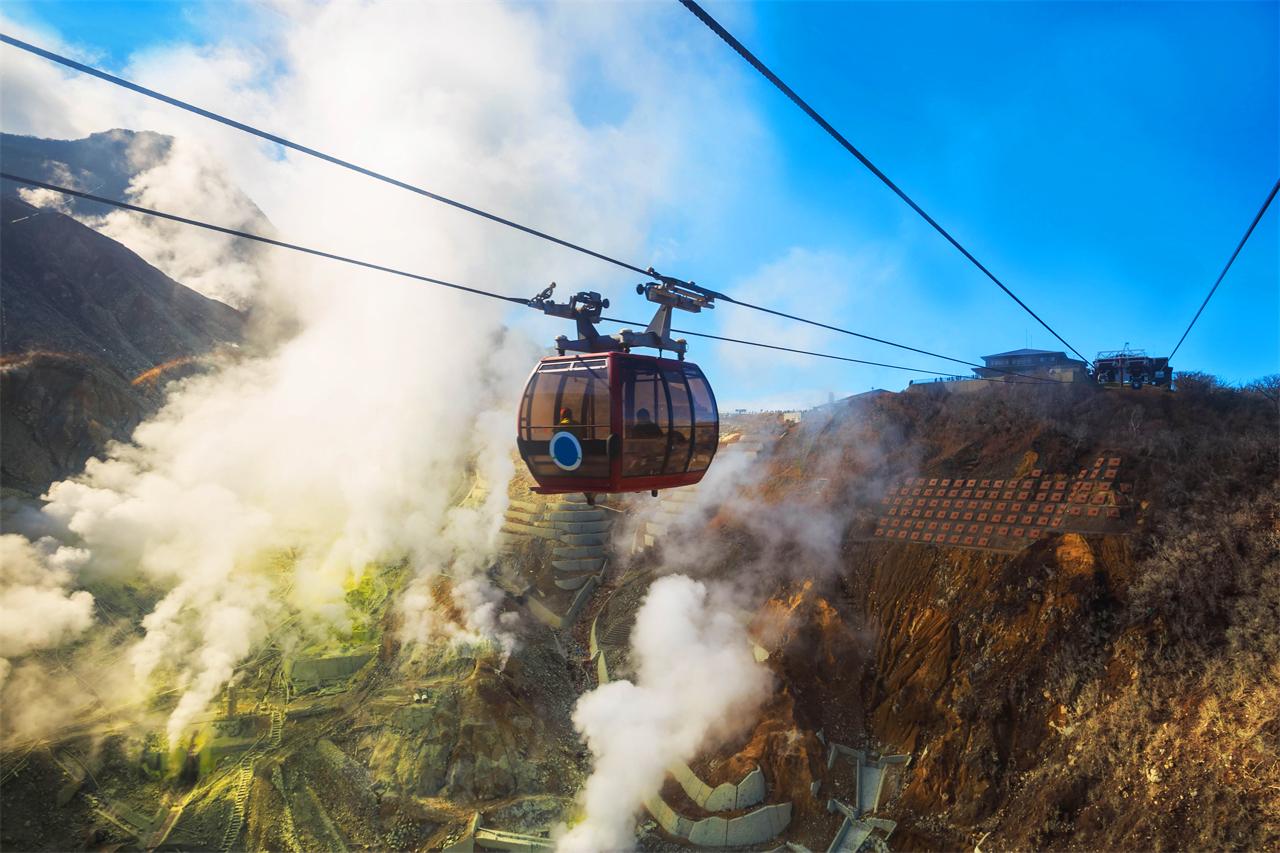
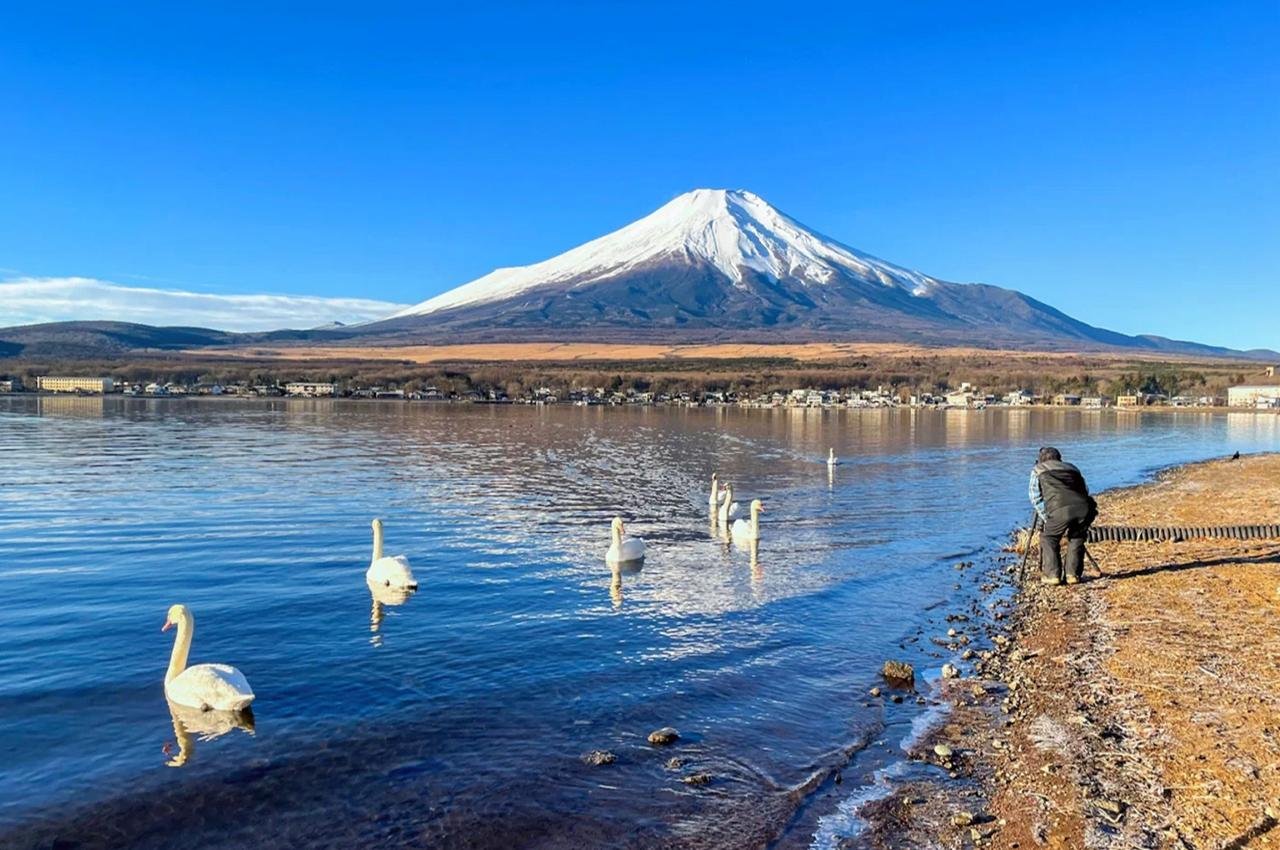
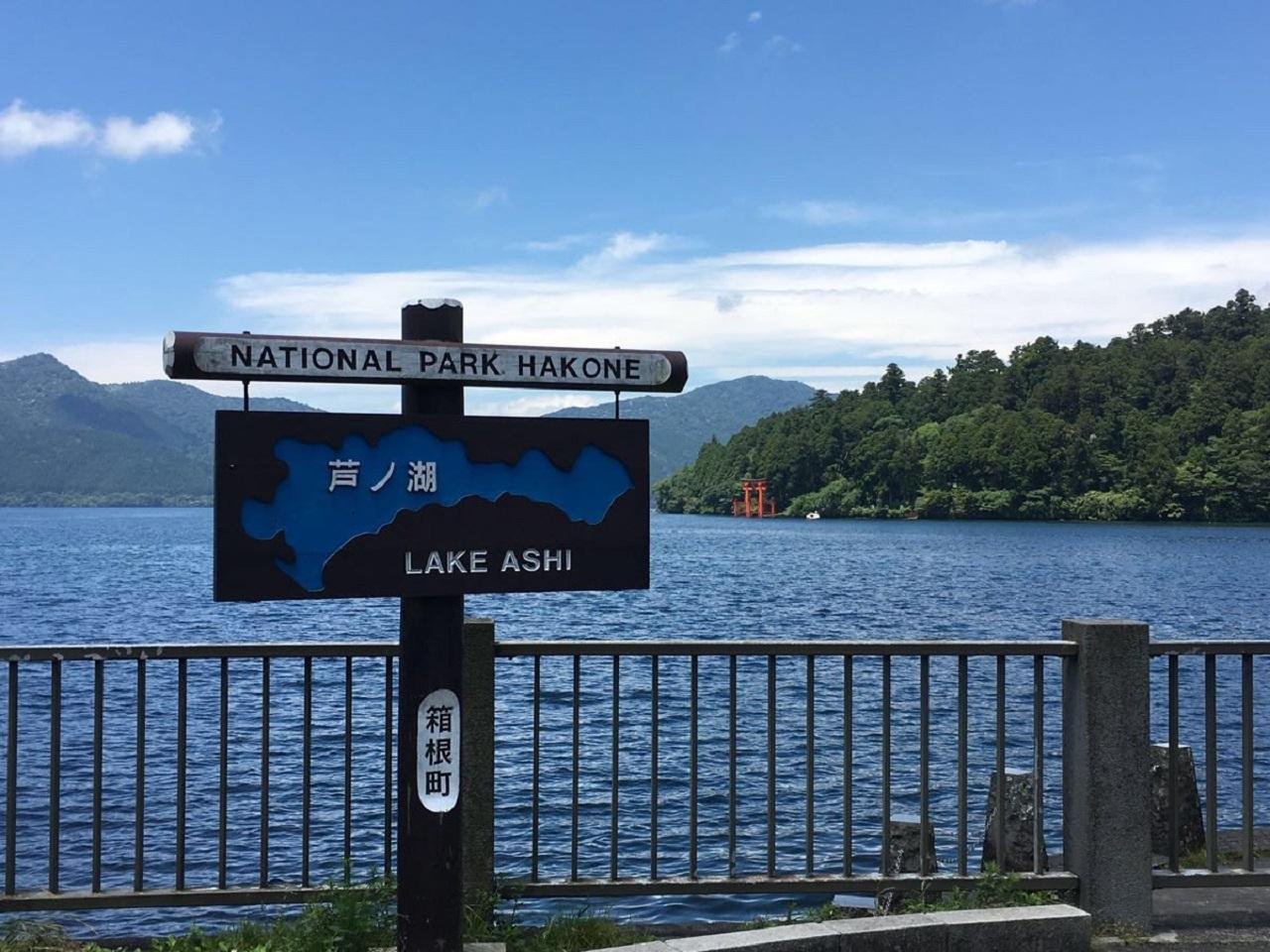
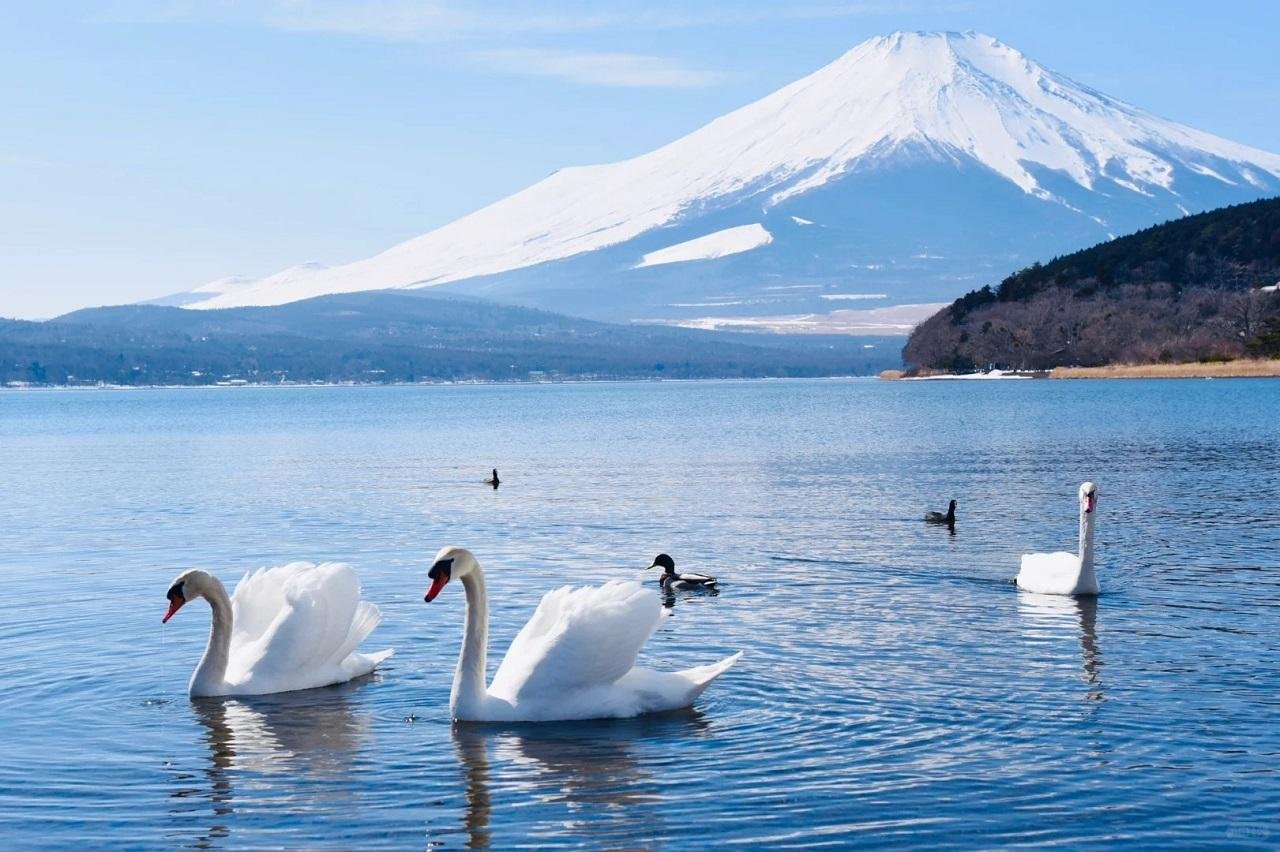

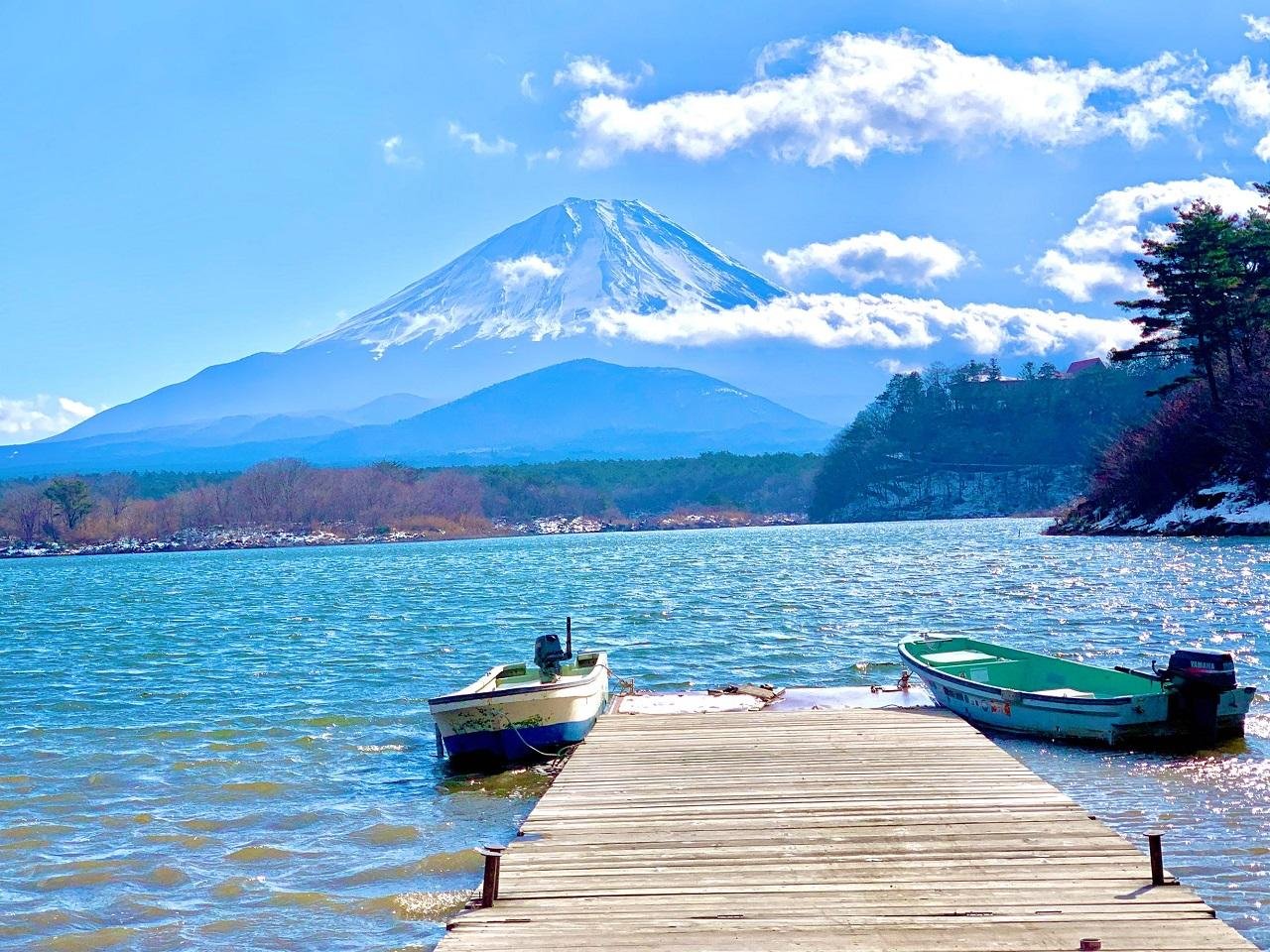
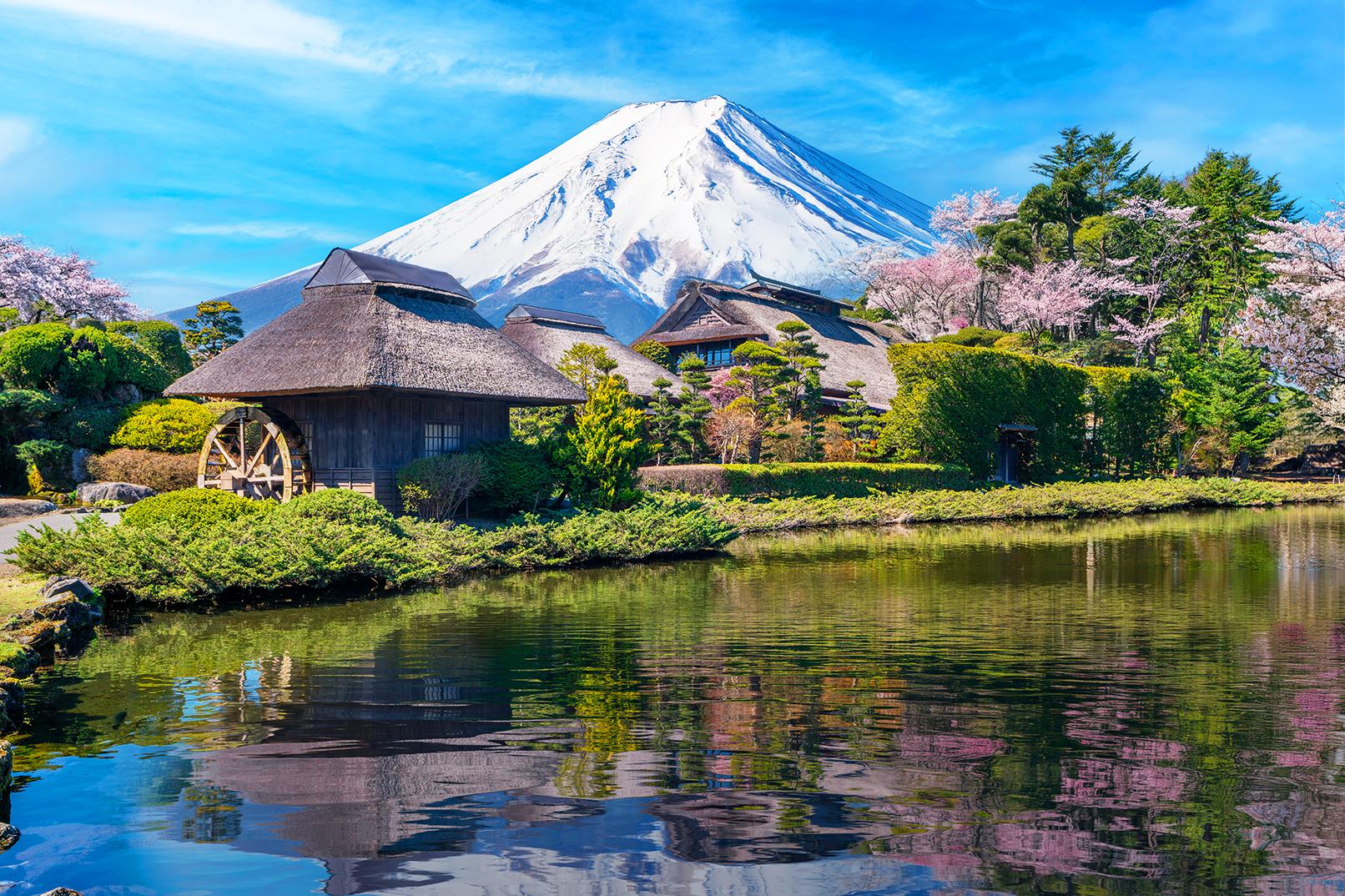
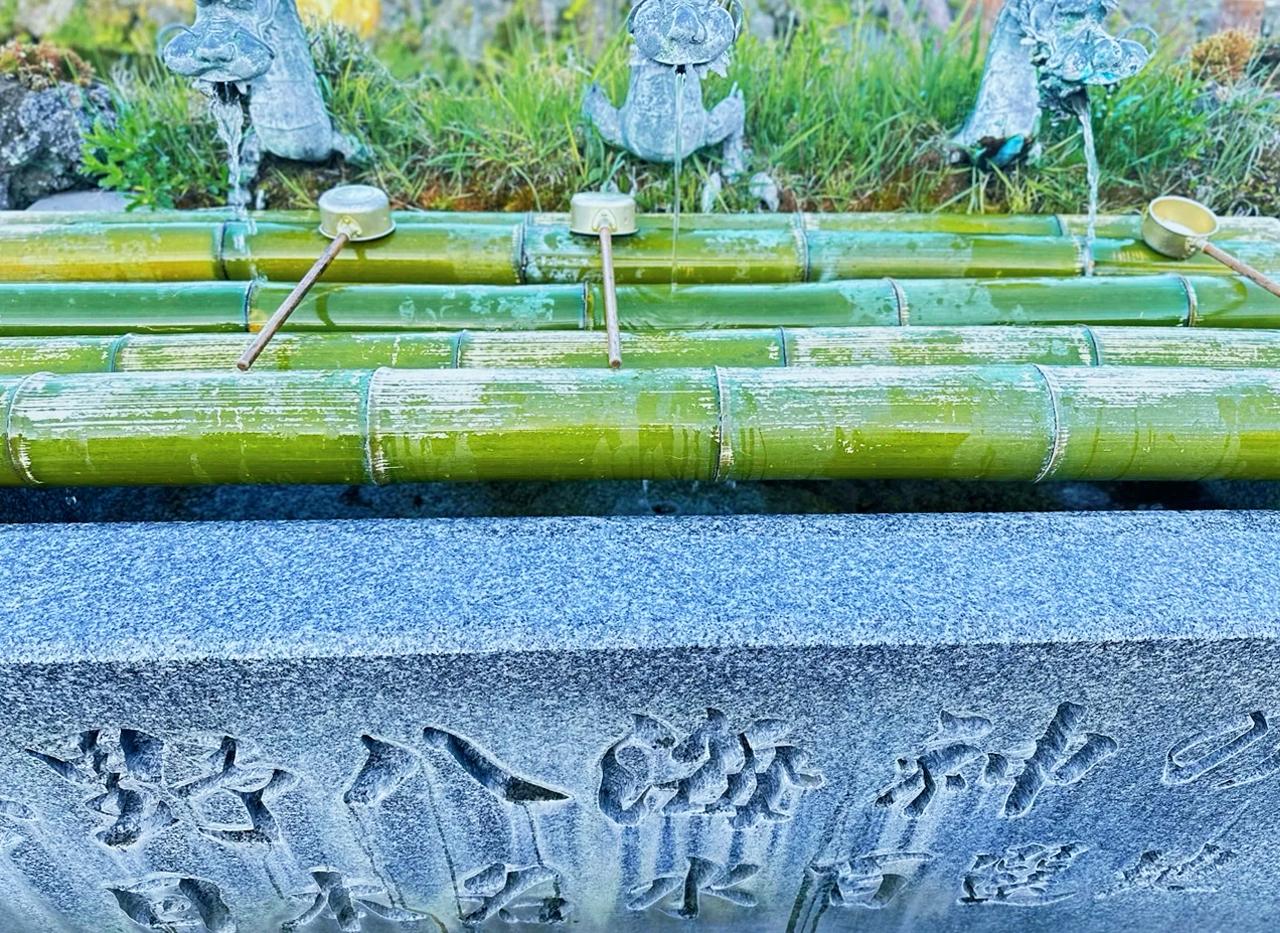
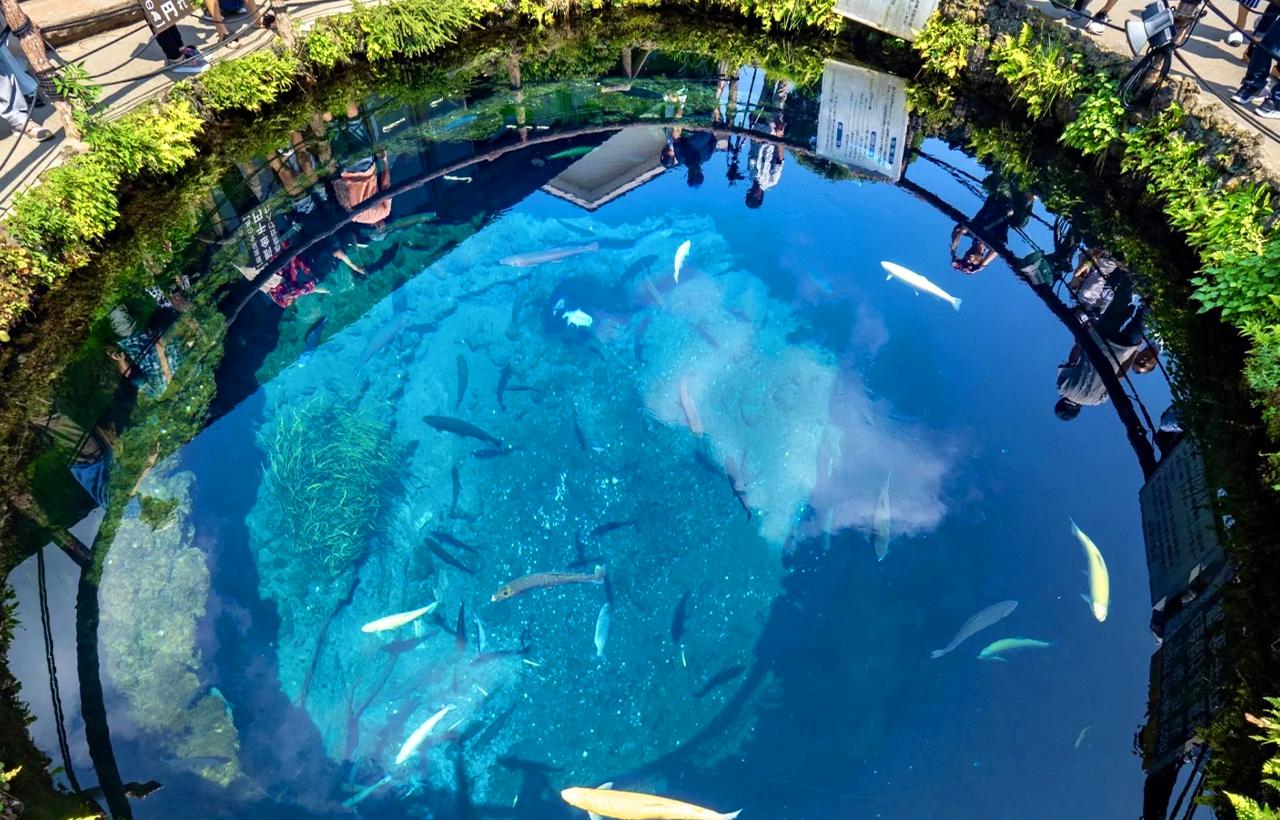
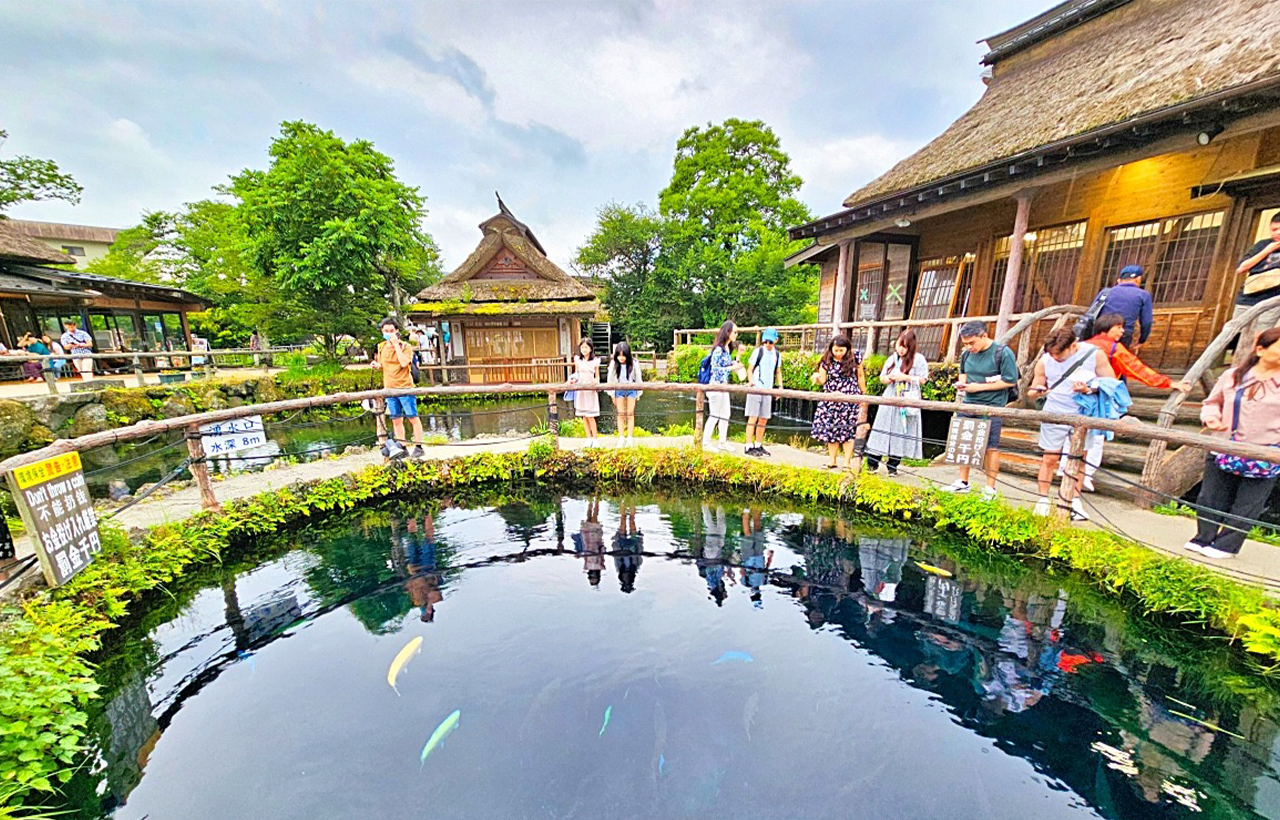
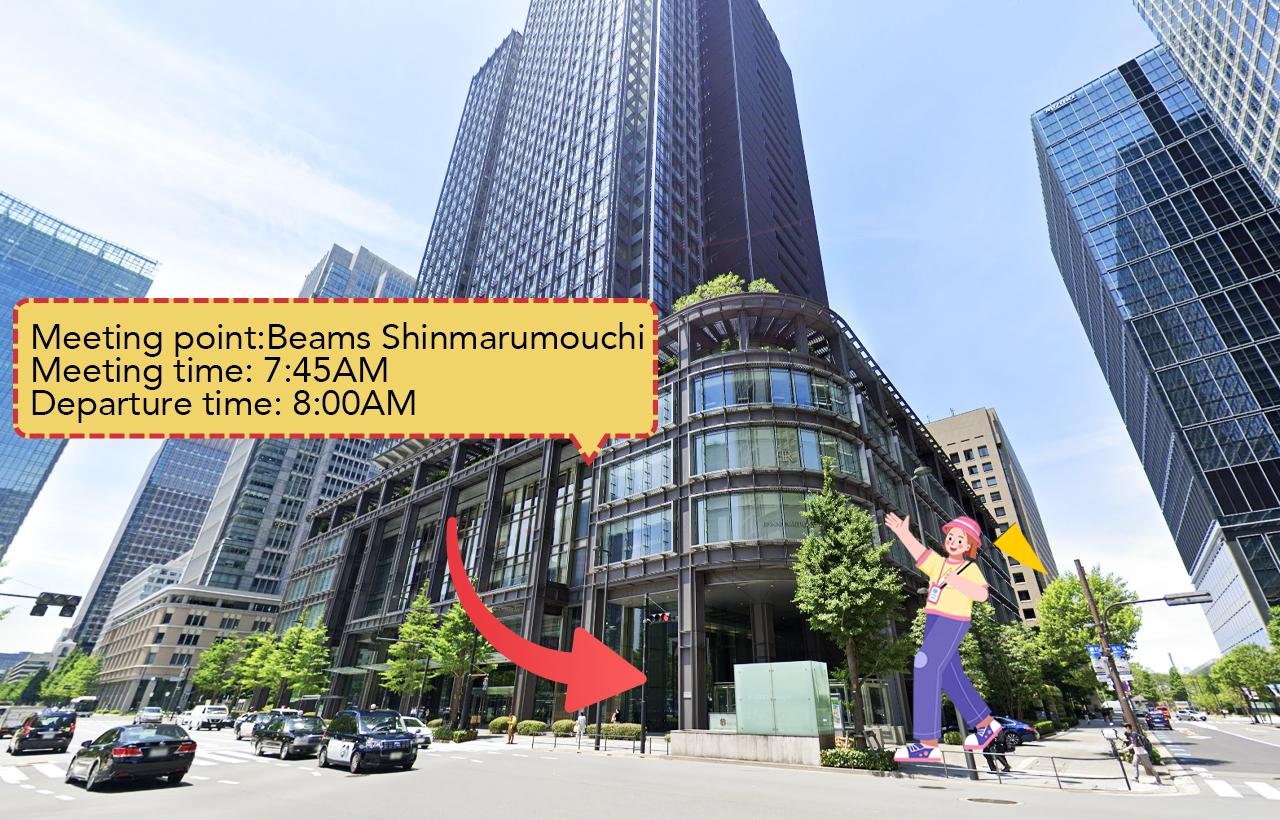
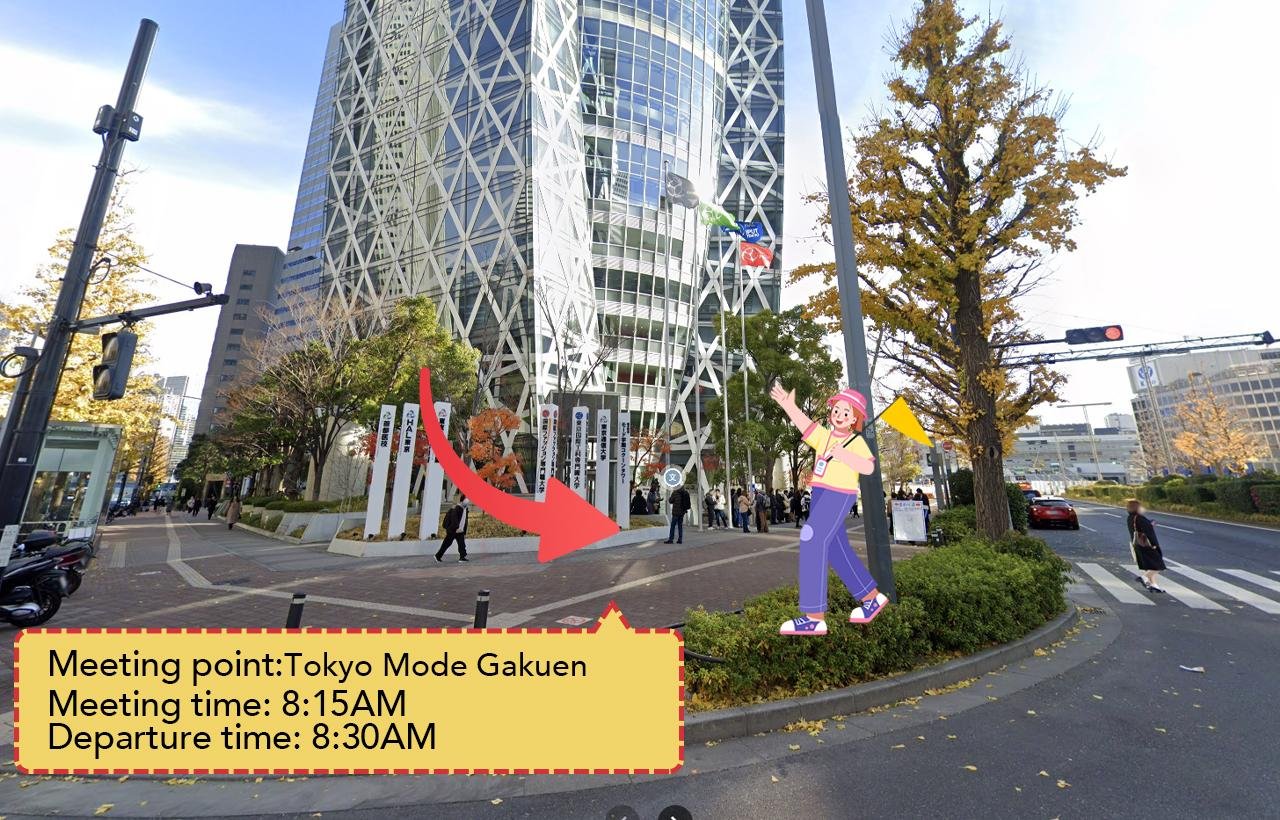
A sweeping 10-hour journey from Tokyo through Hakone's shrines, volcanic valleys, and Fuji Five Lakes.
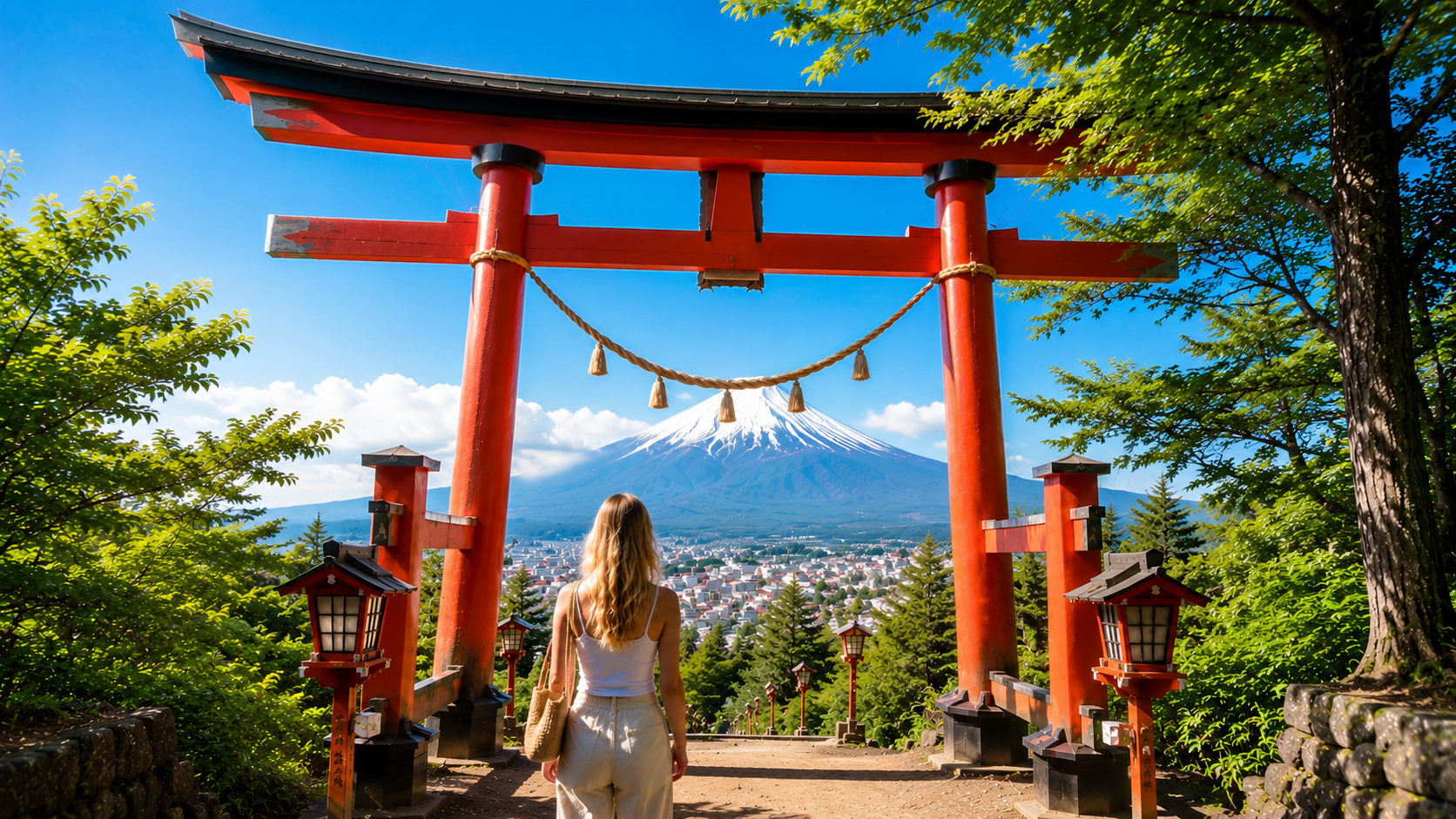
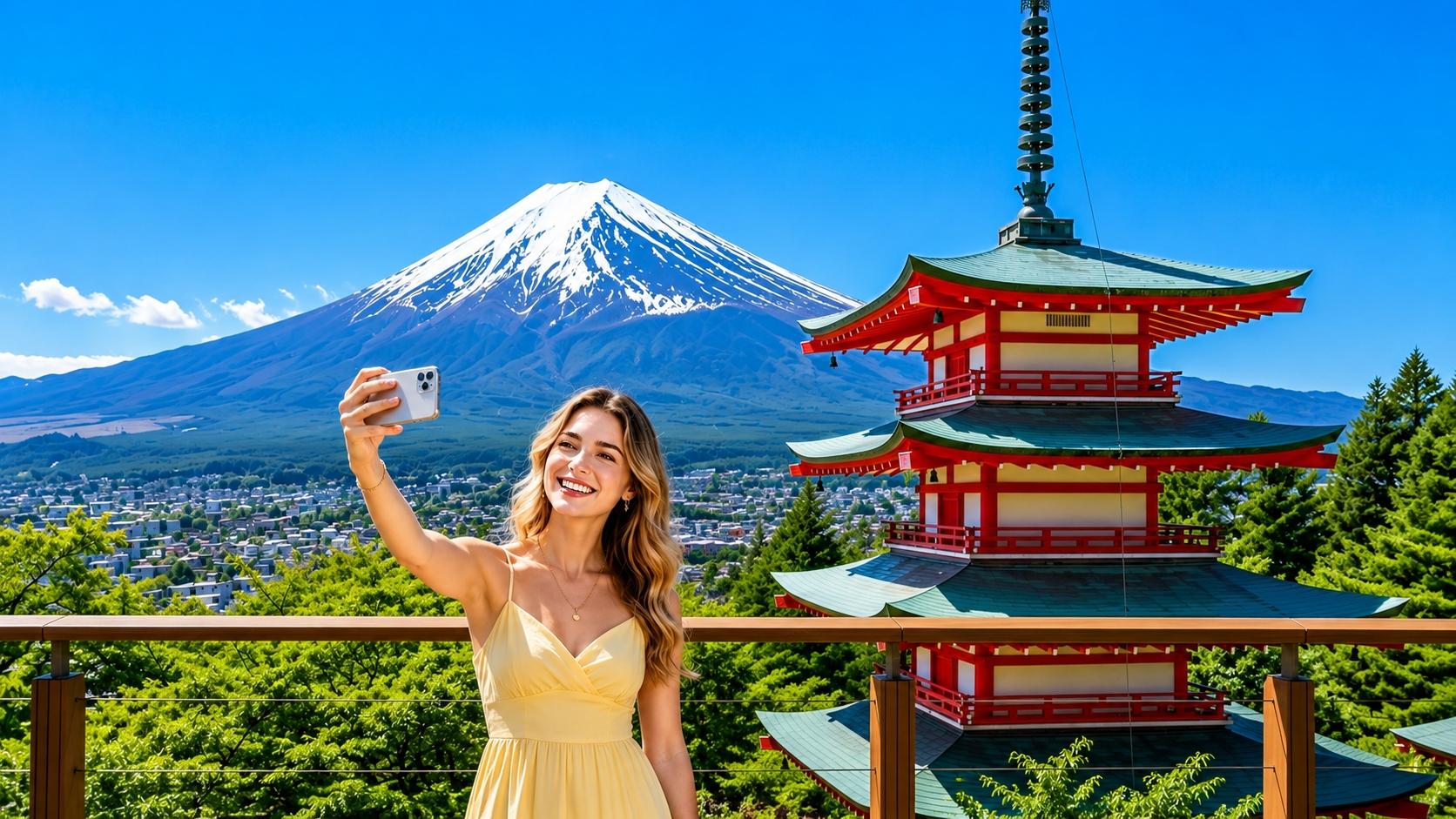
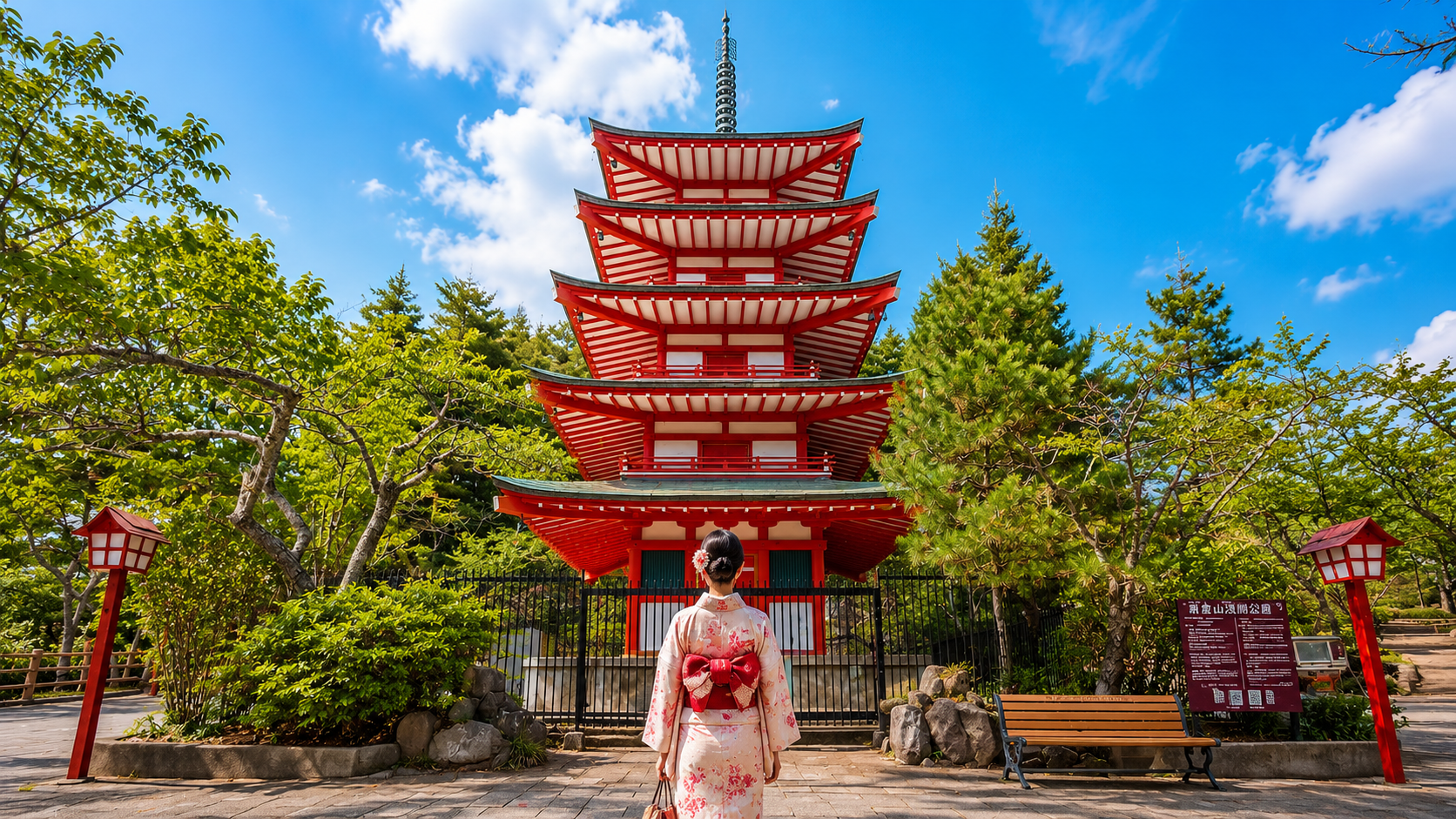
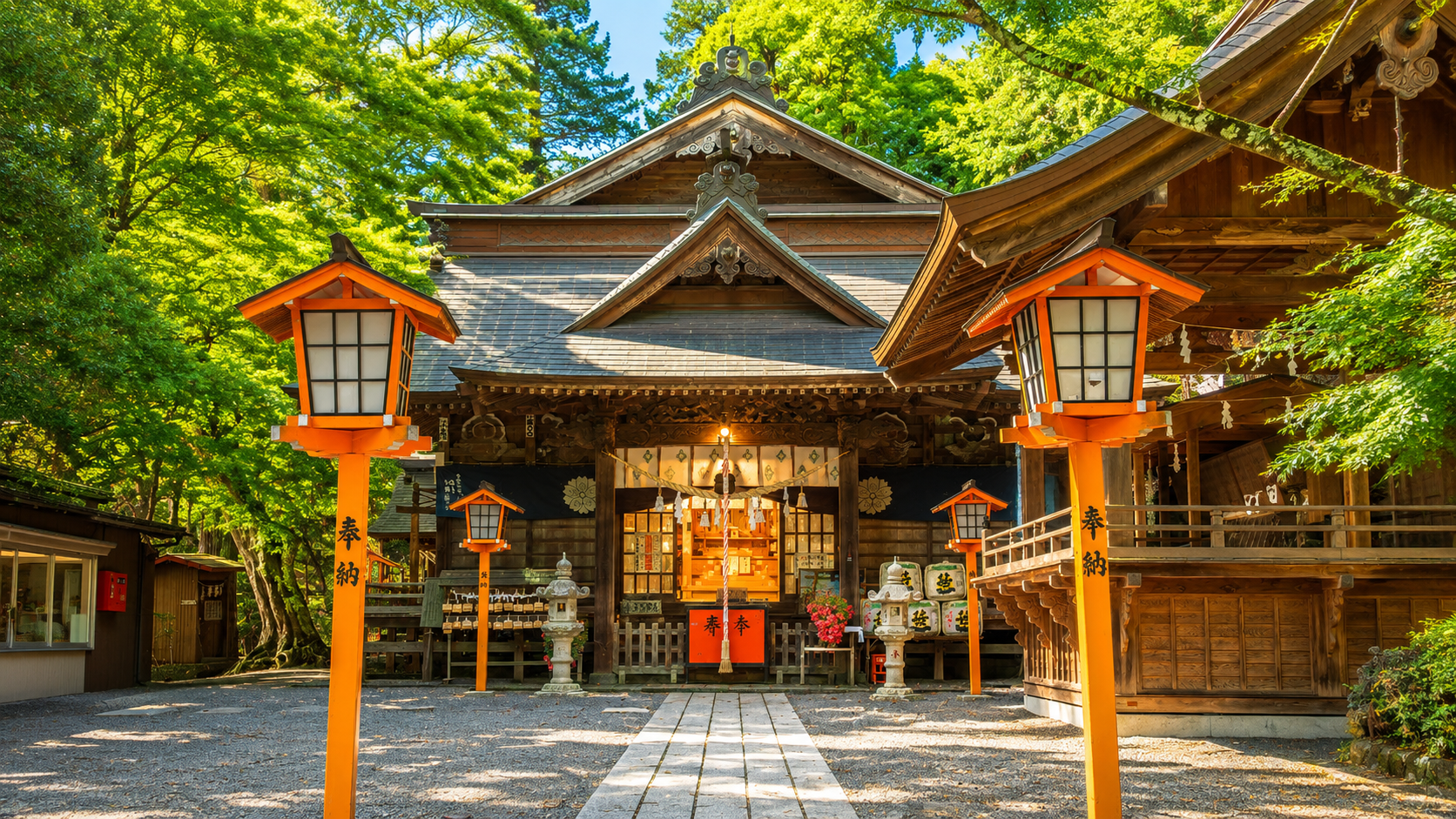
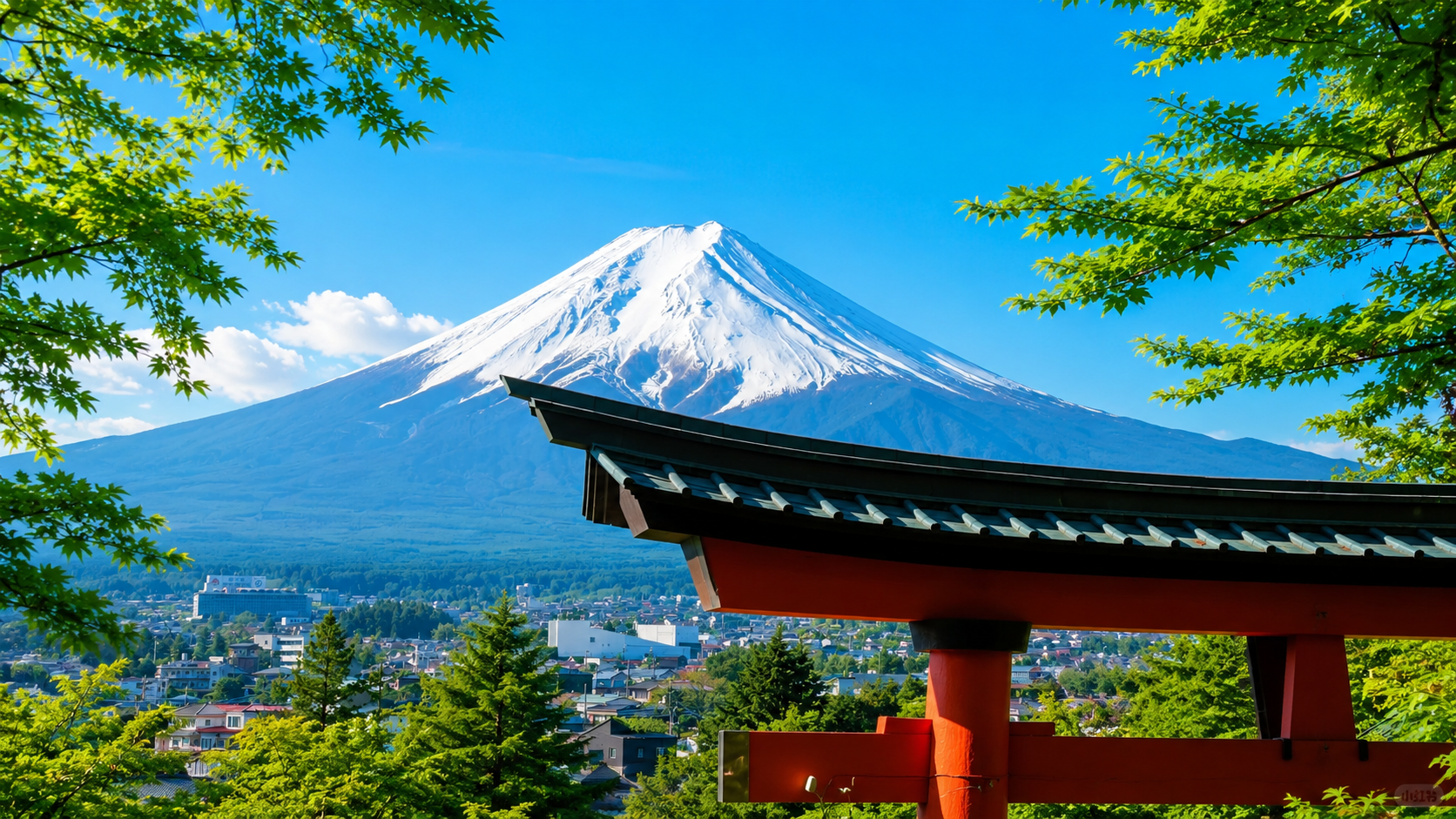
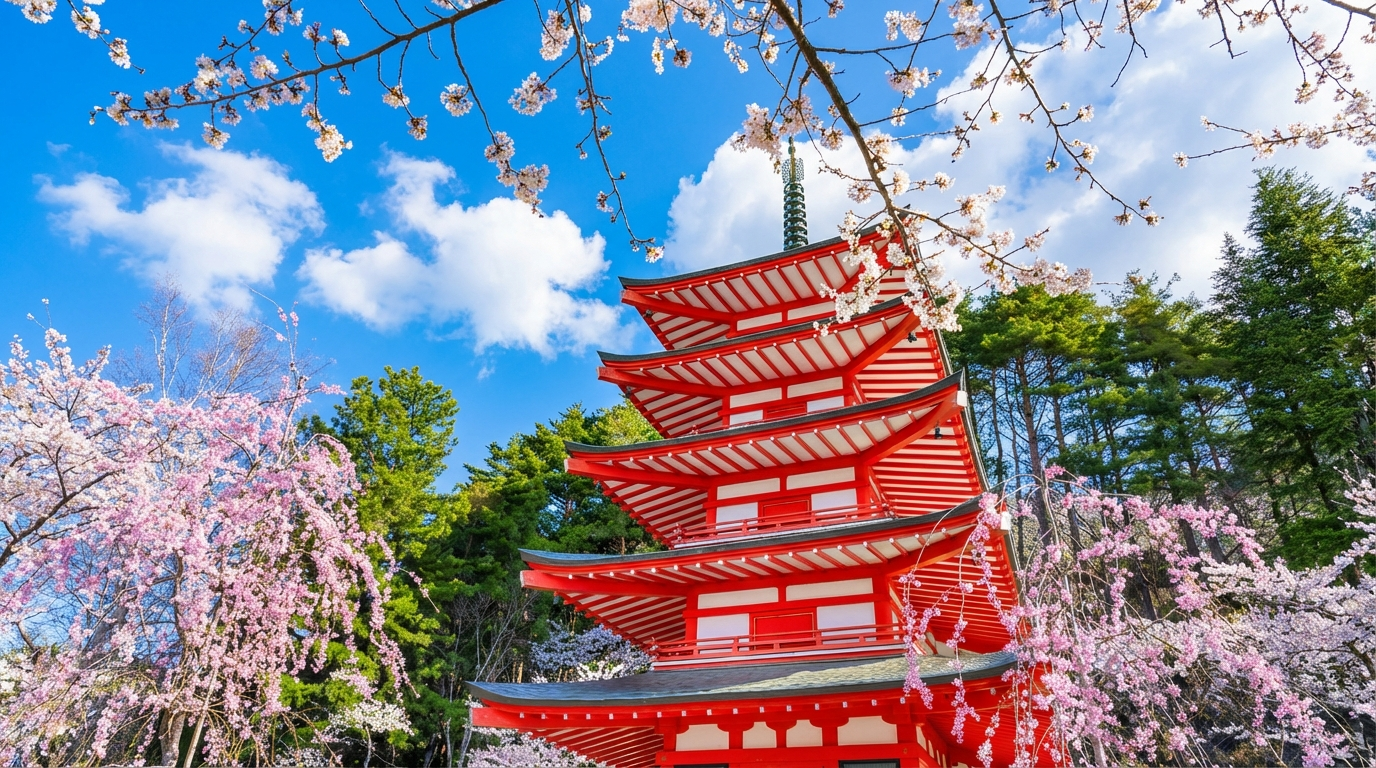
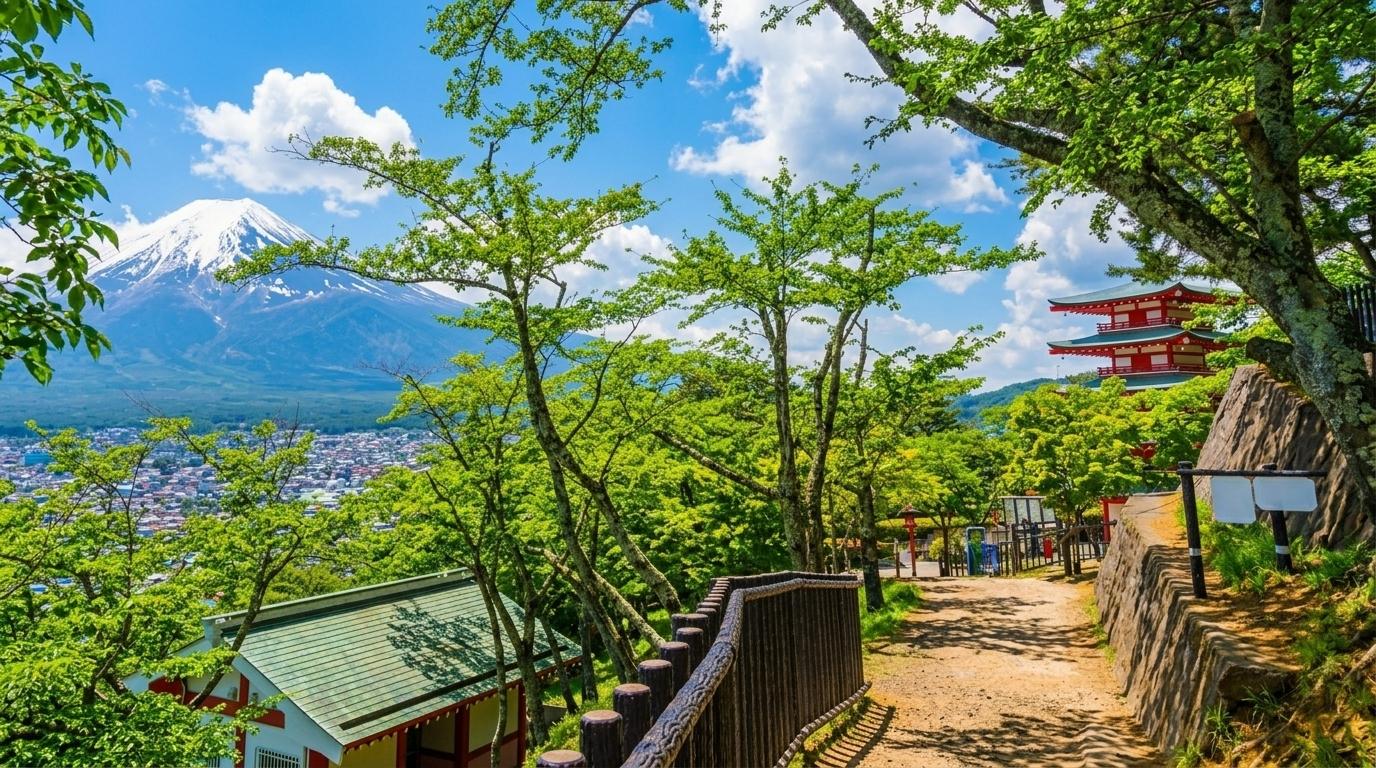
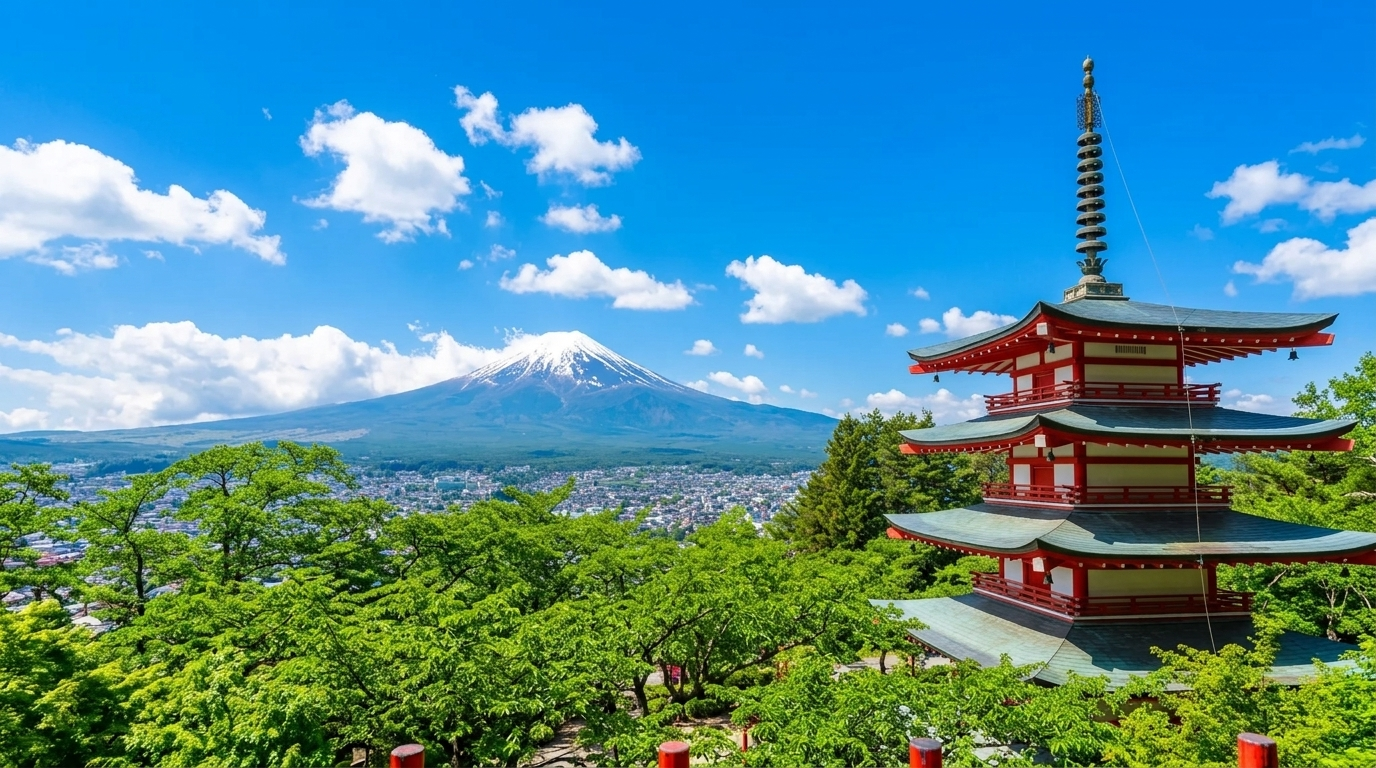
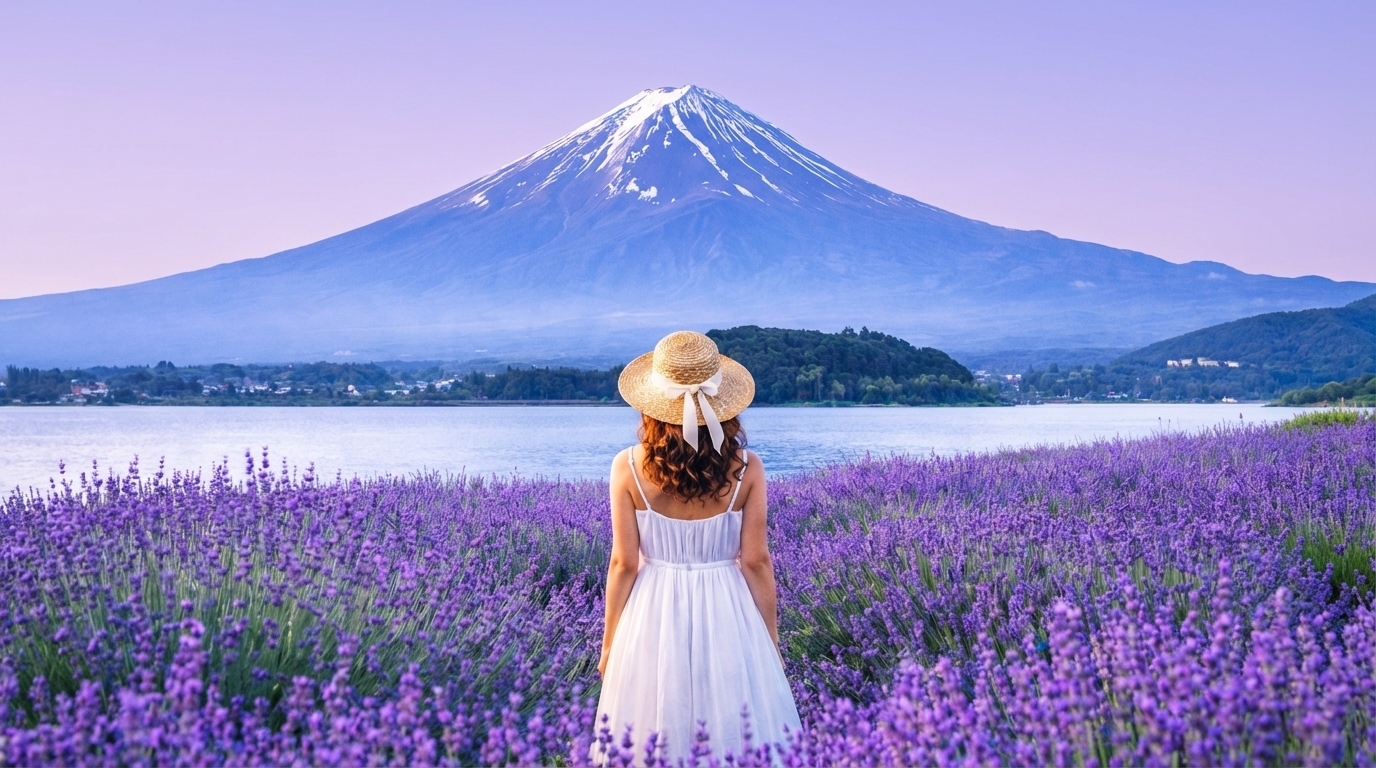
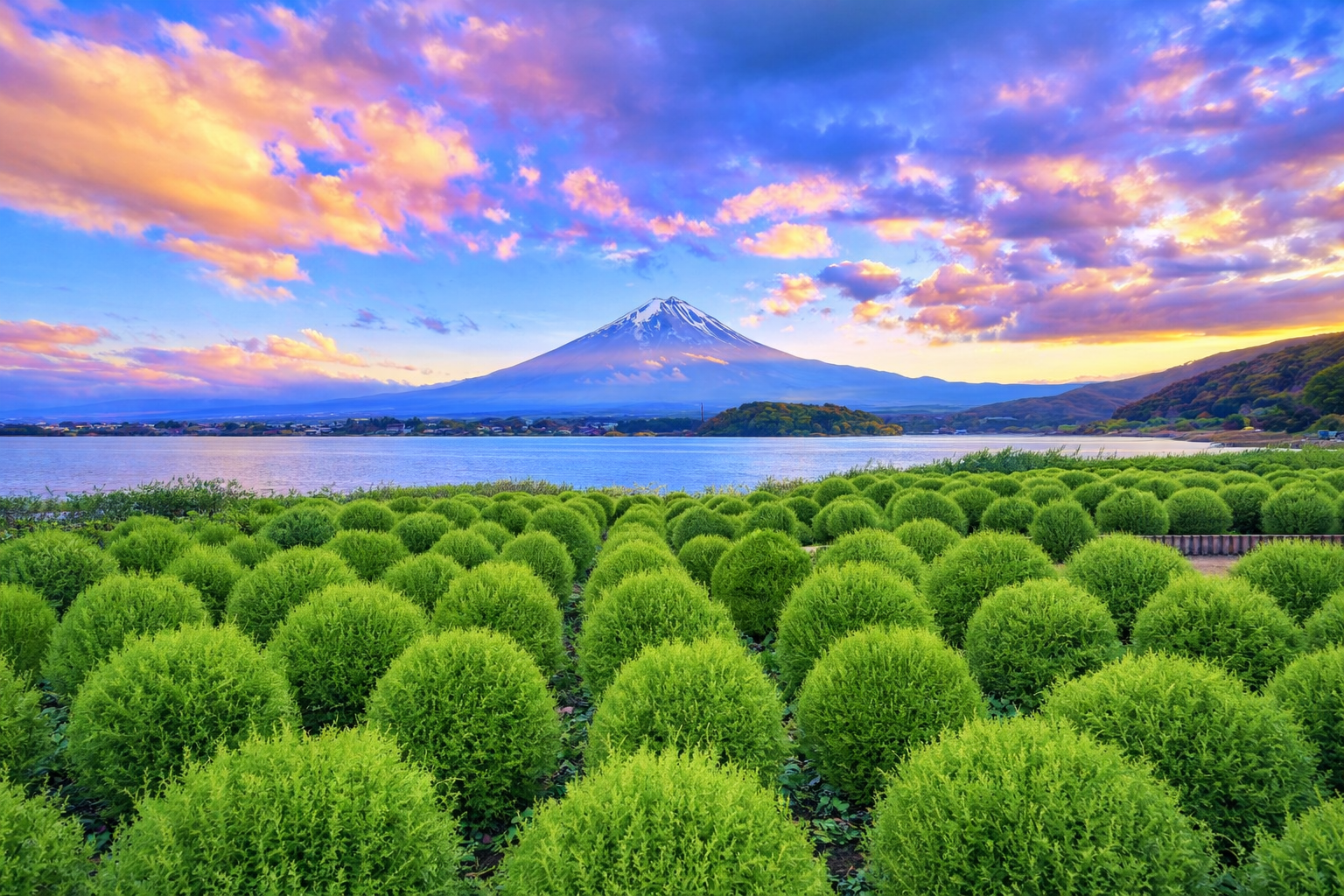
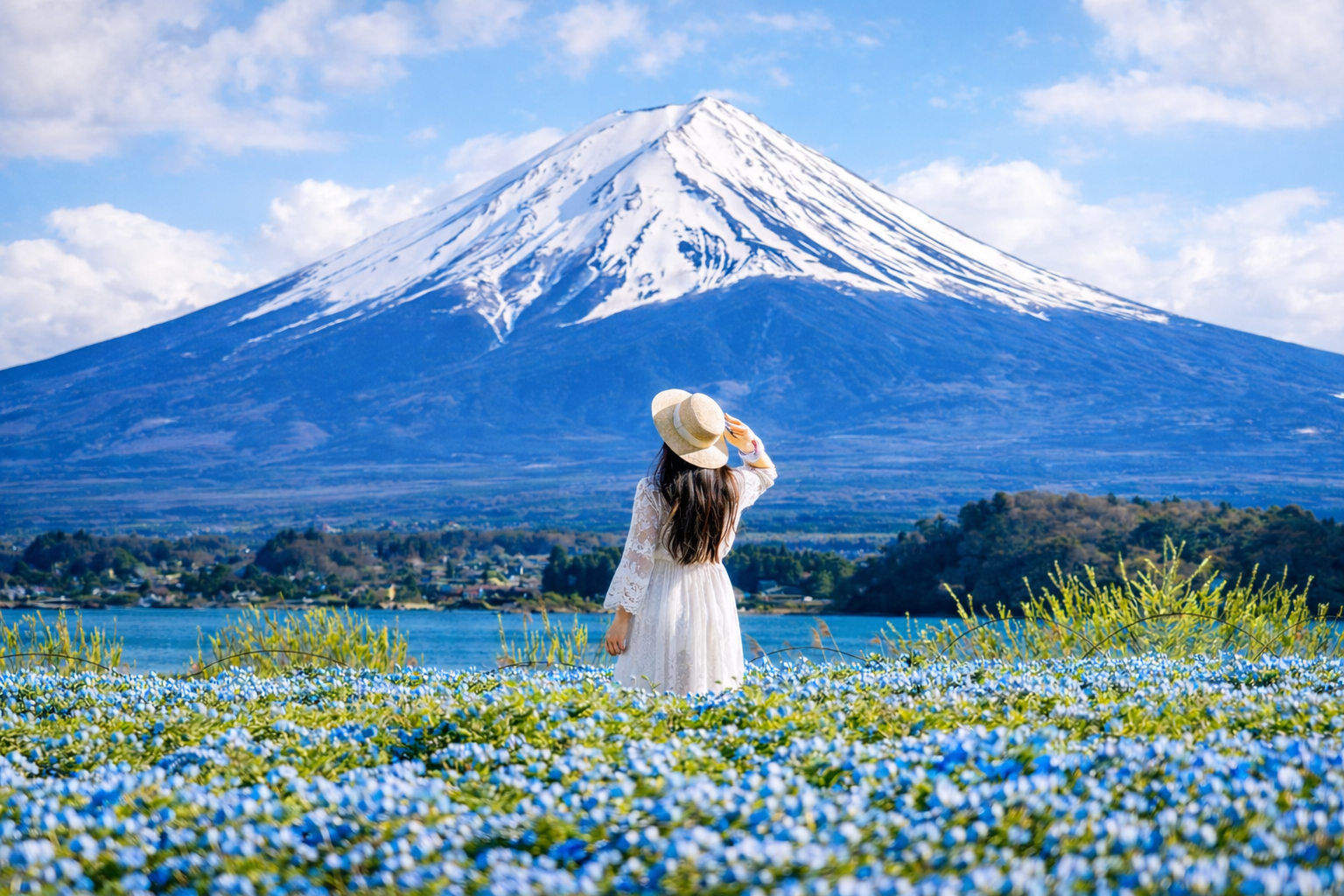
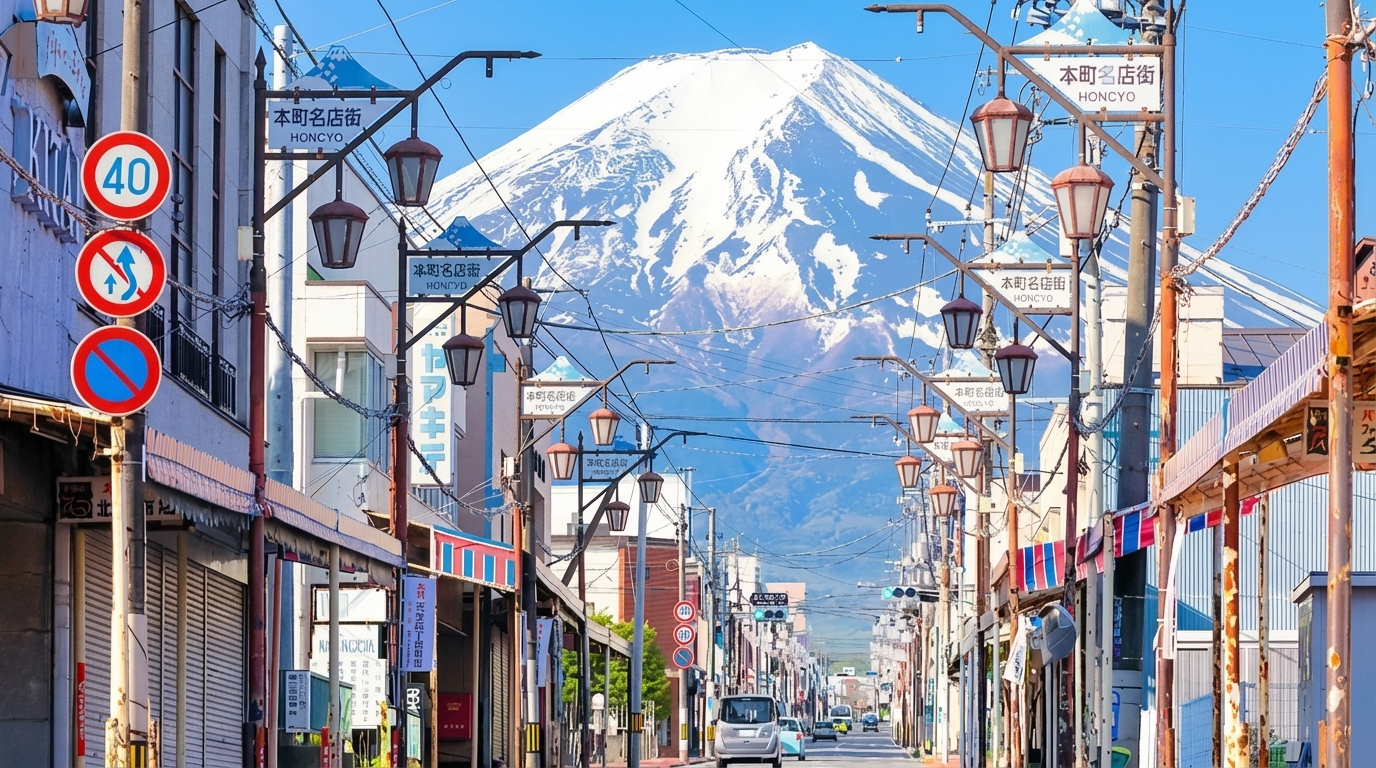
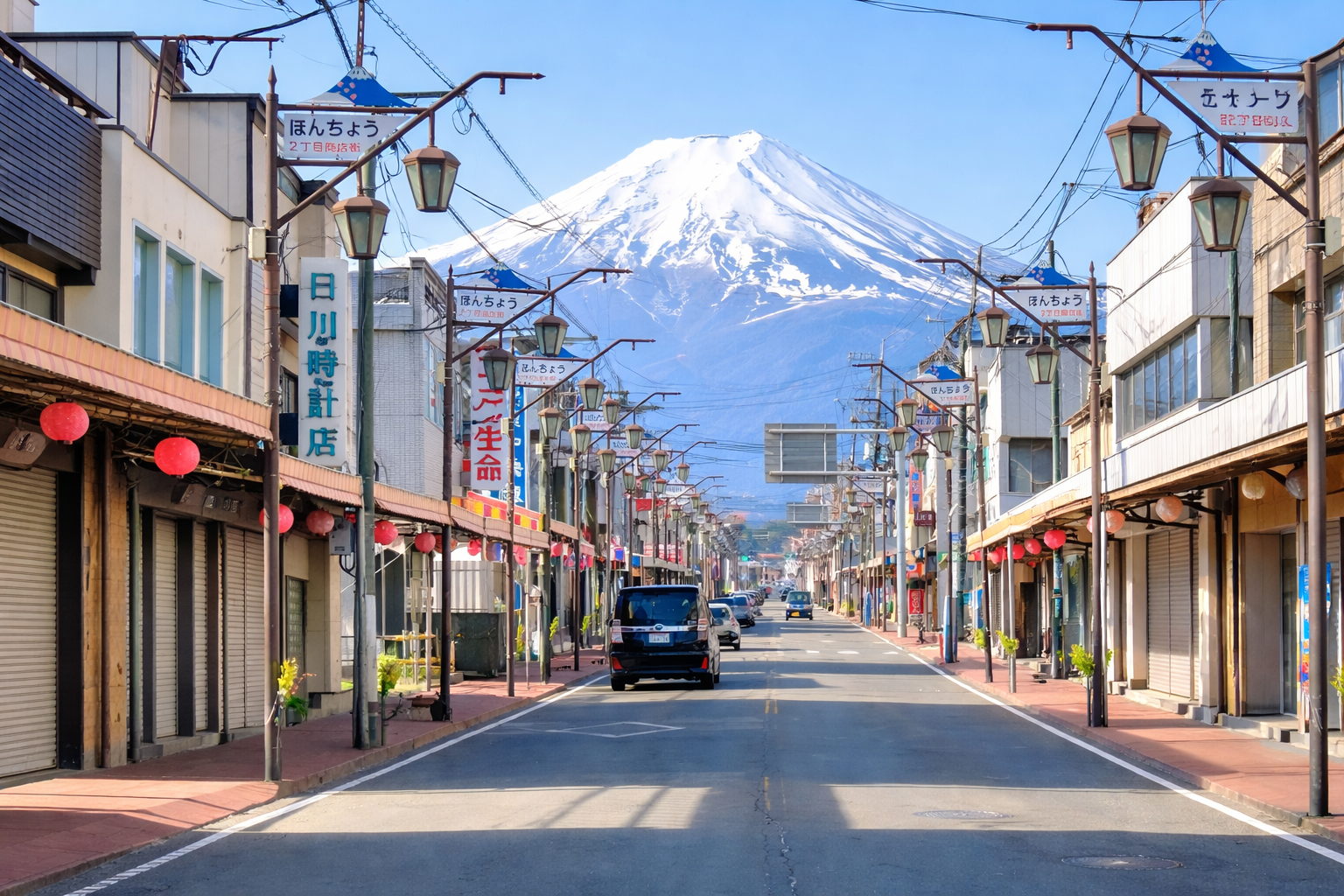
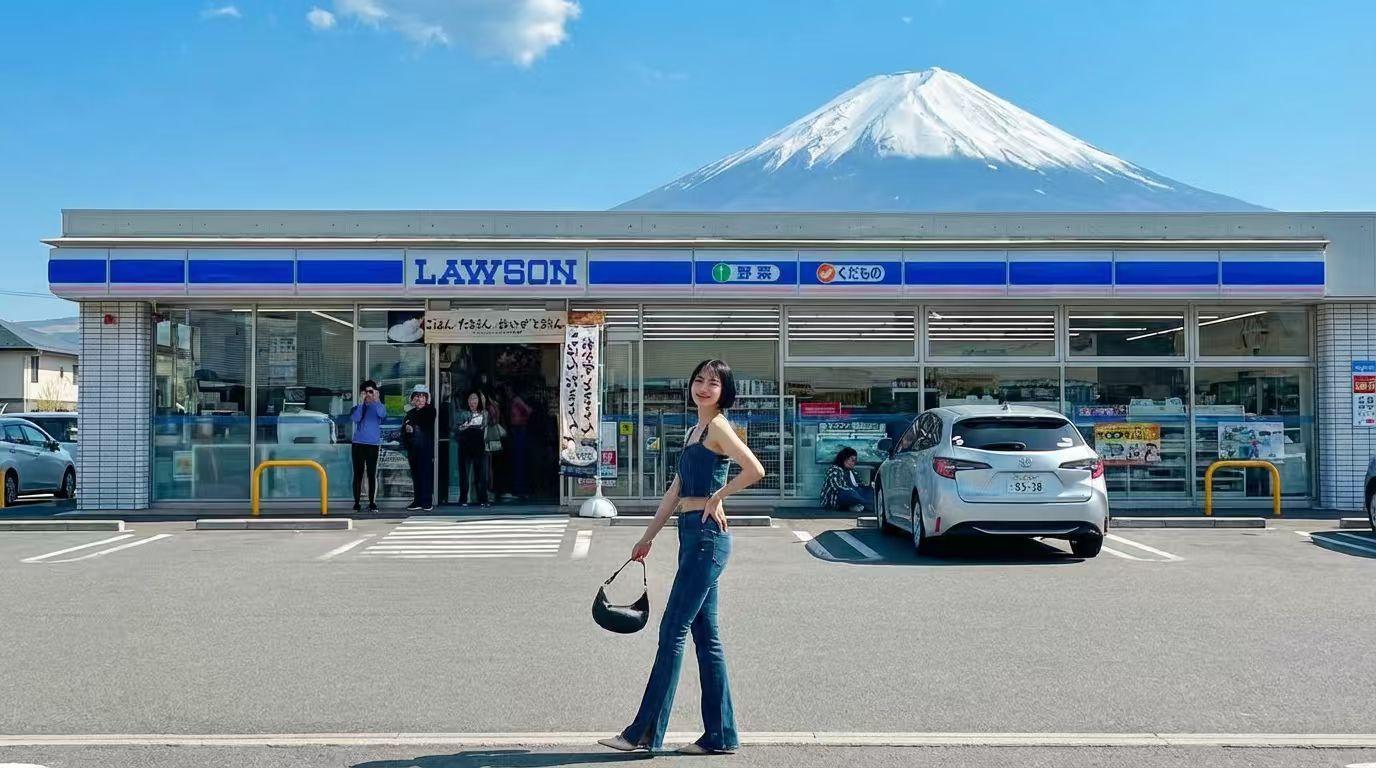
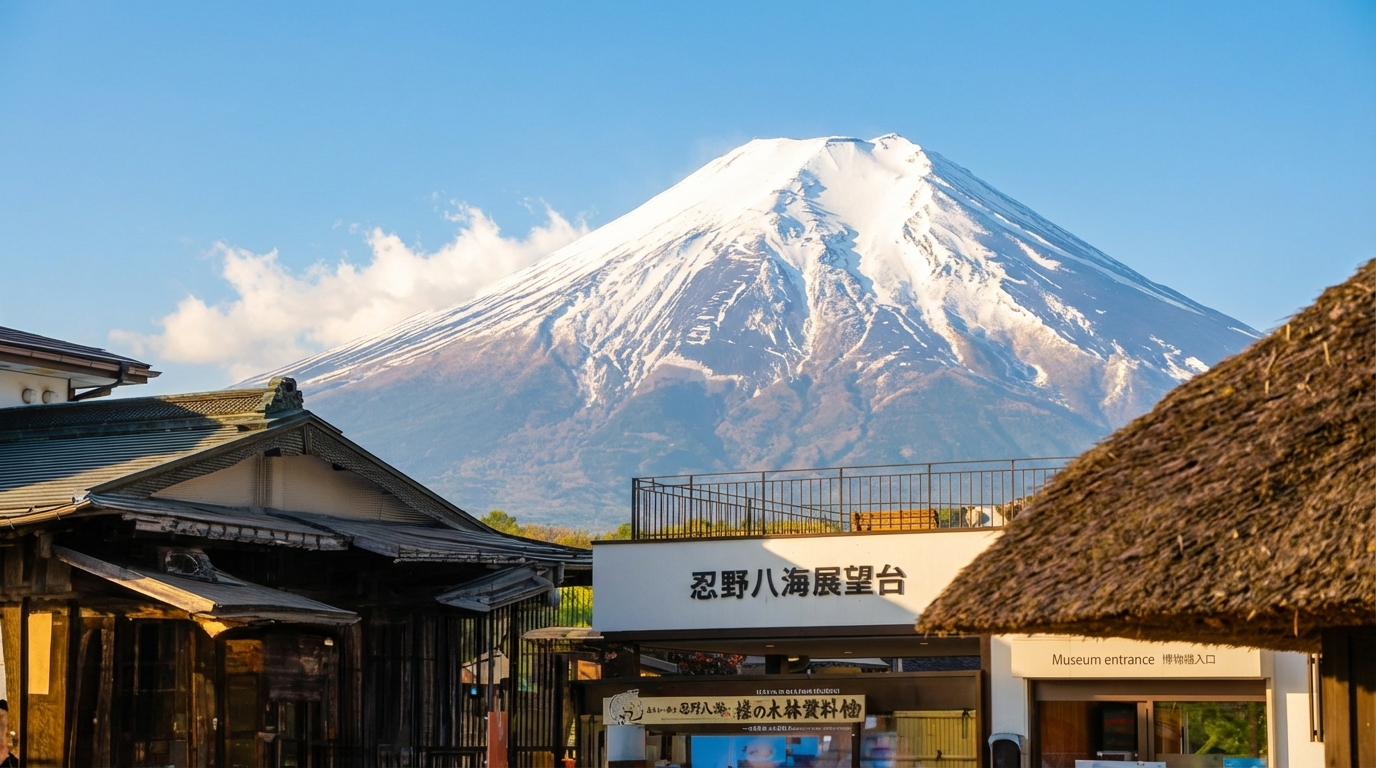
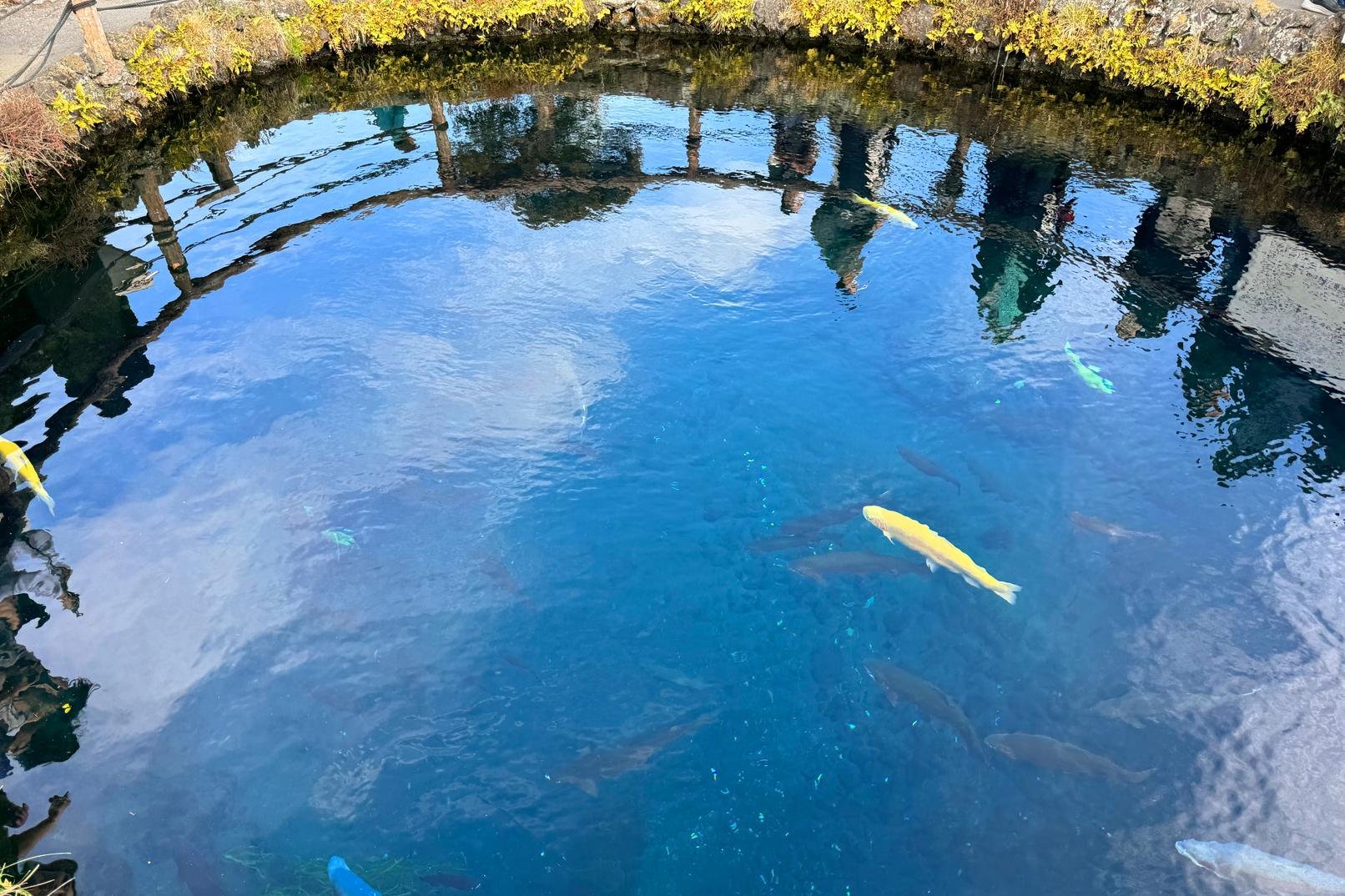
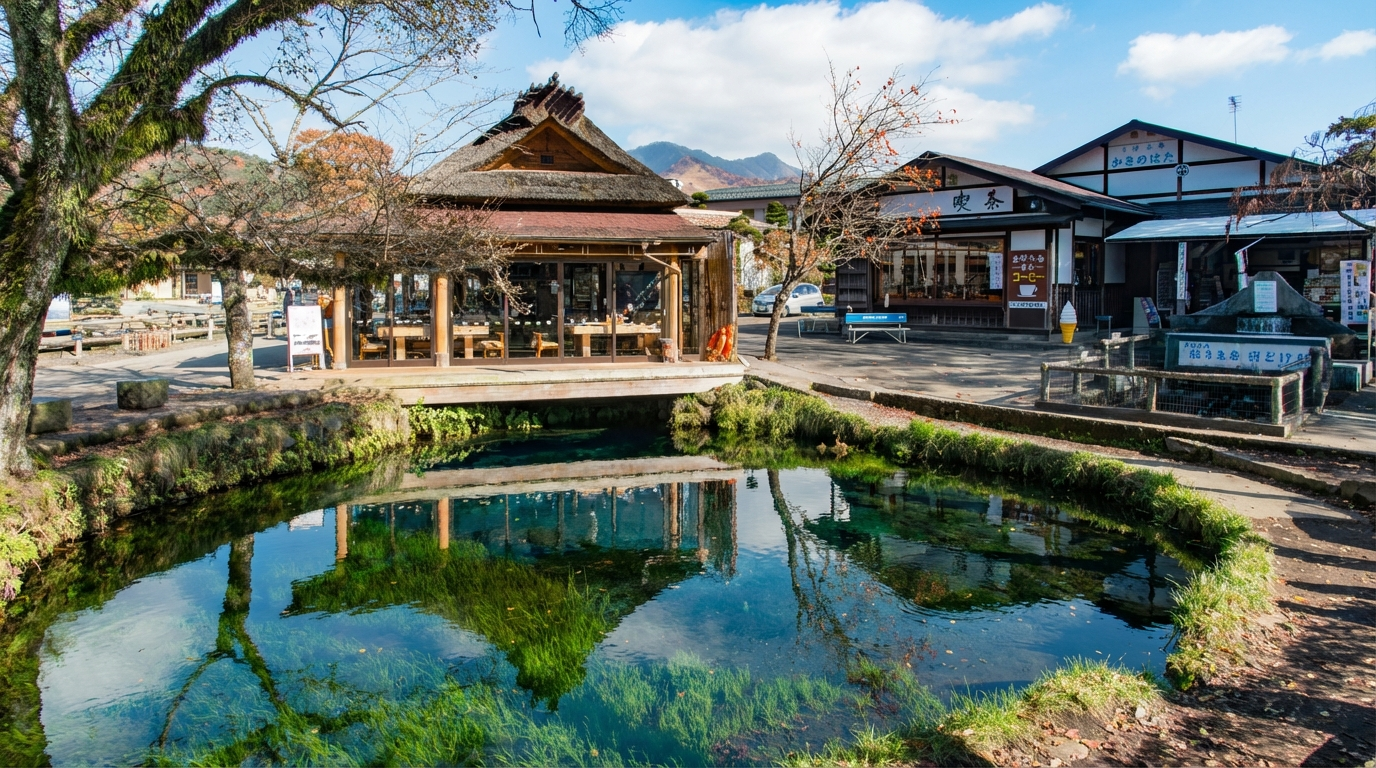
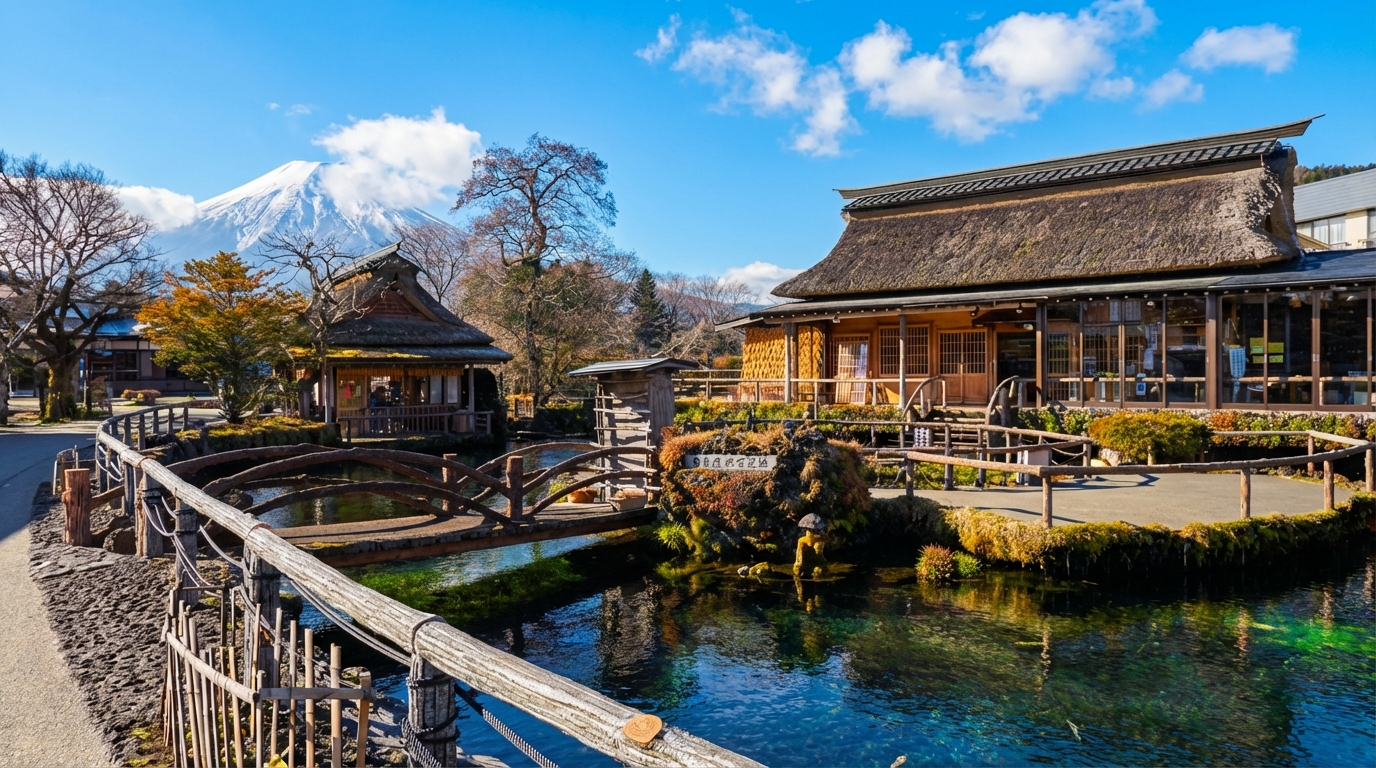
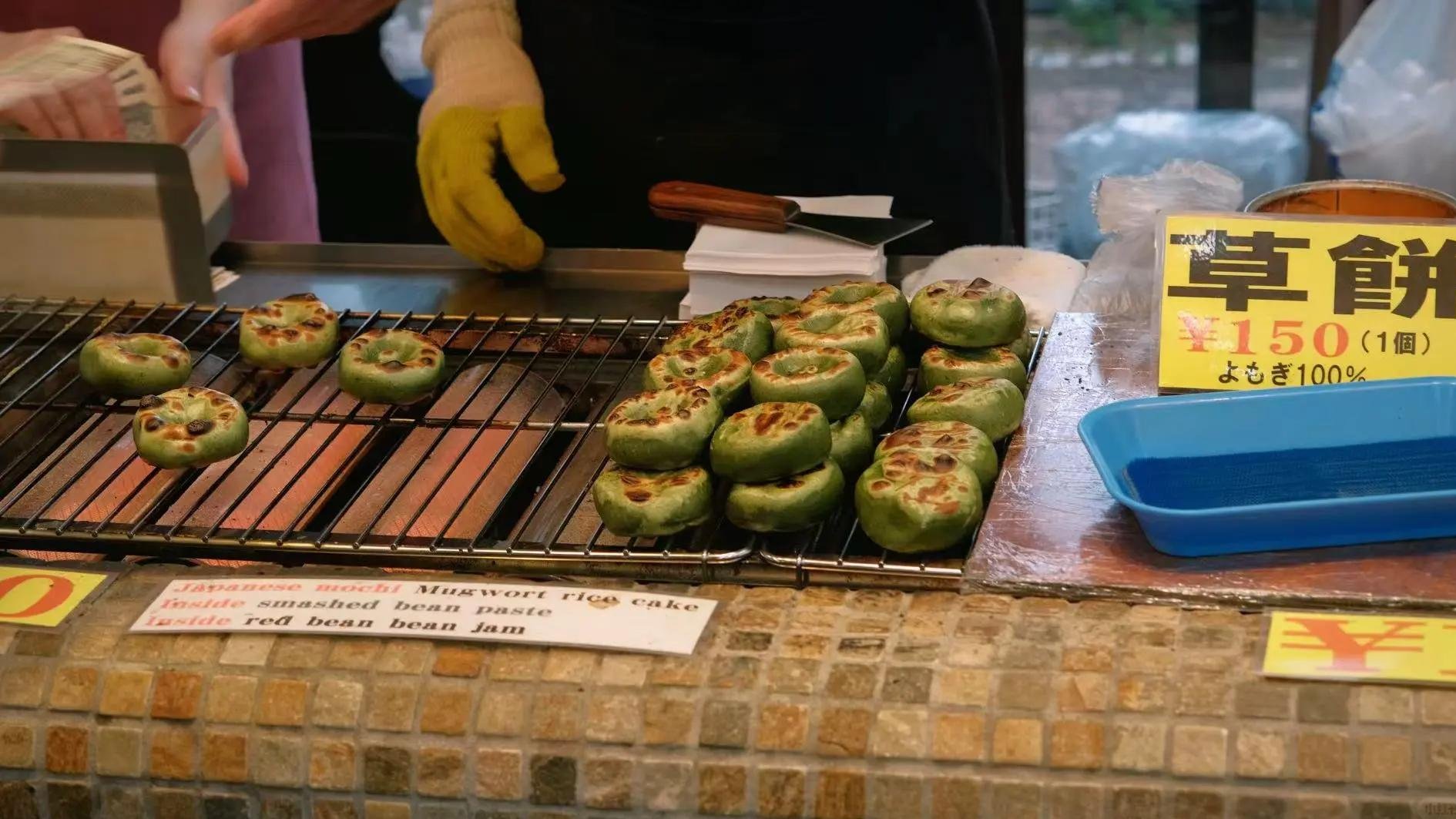
Chase Japan's iconic peak across six stunning viewpoints on this 10-hour small-group tour from Tokyo.
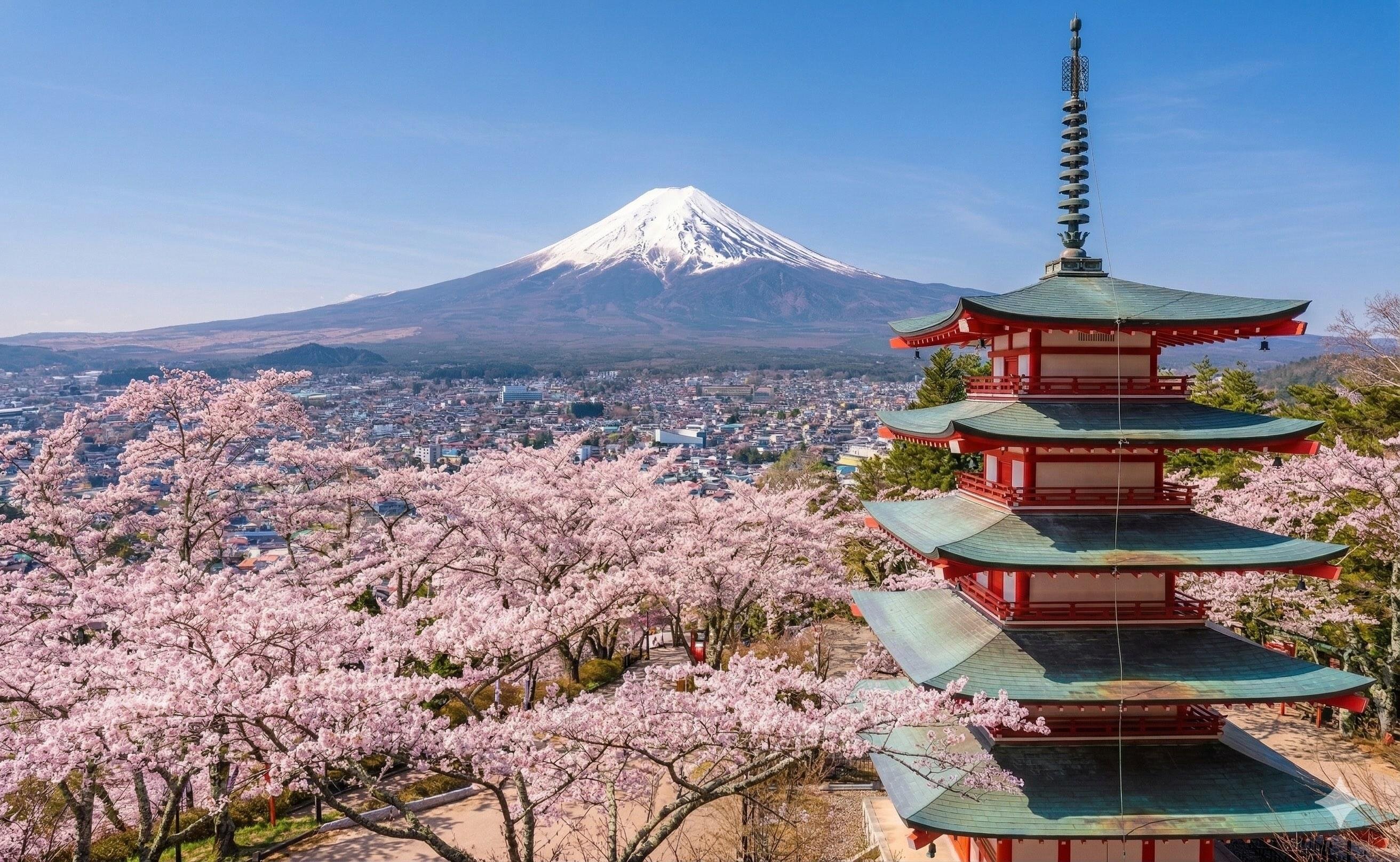
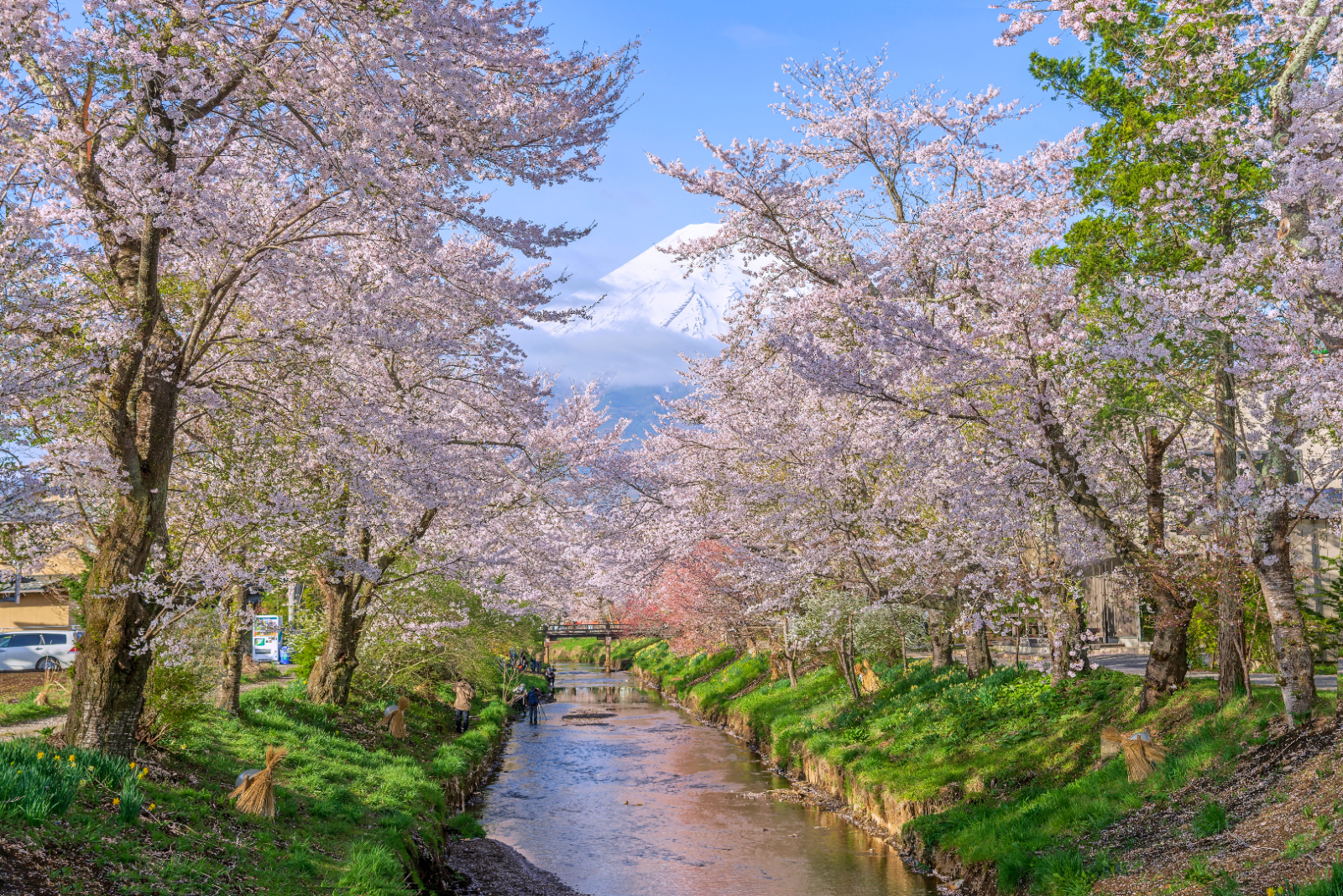
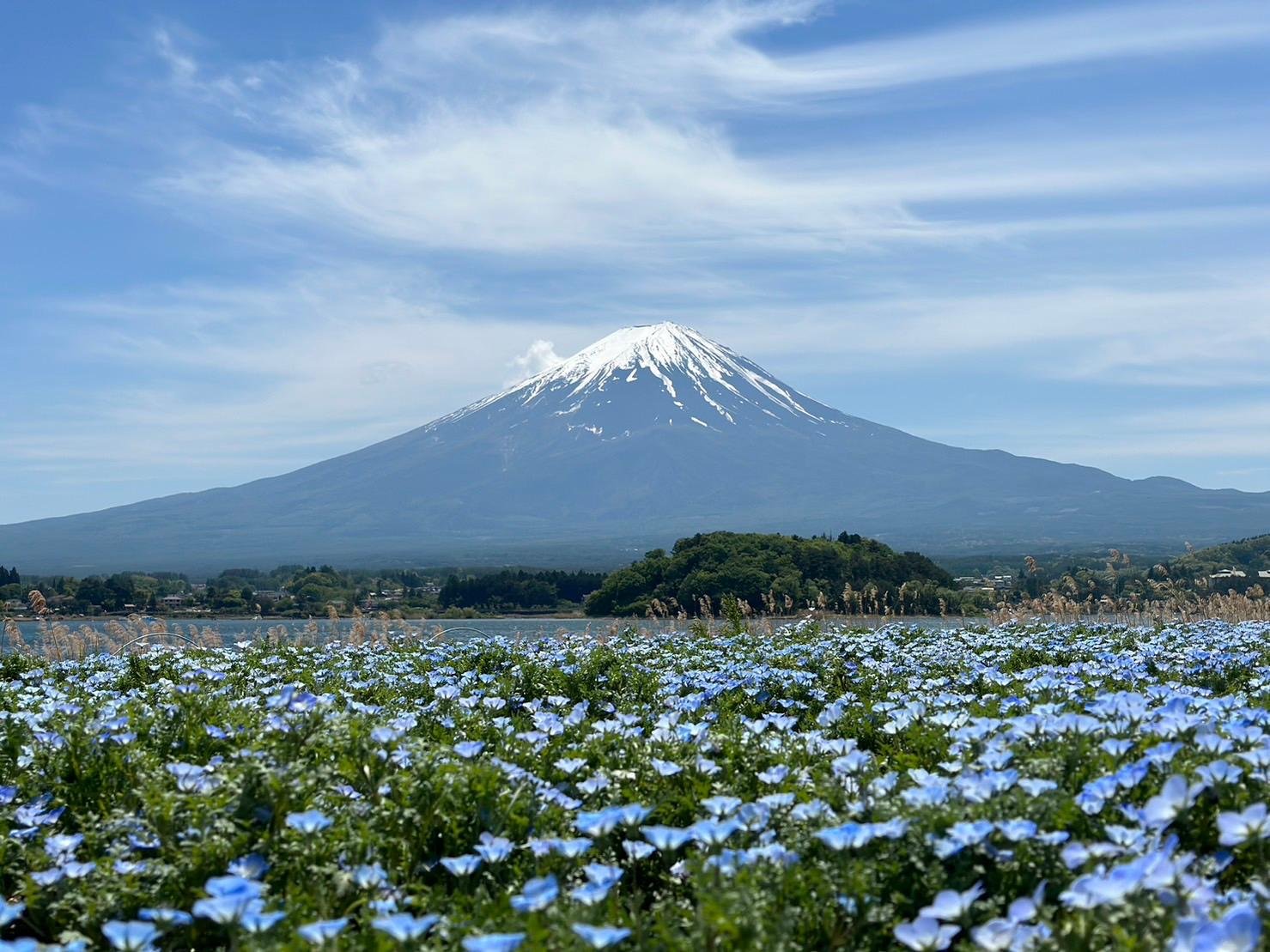
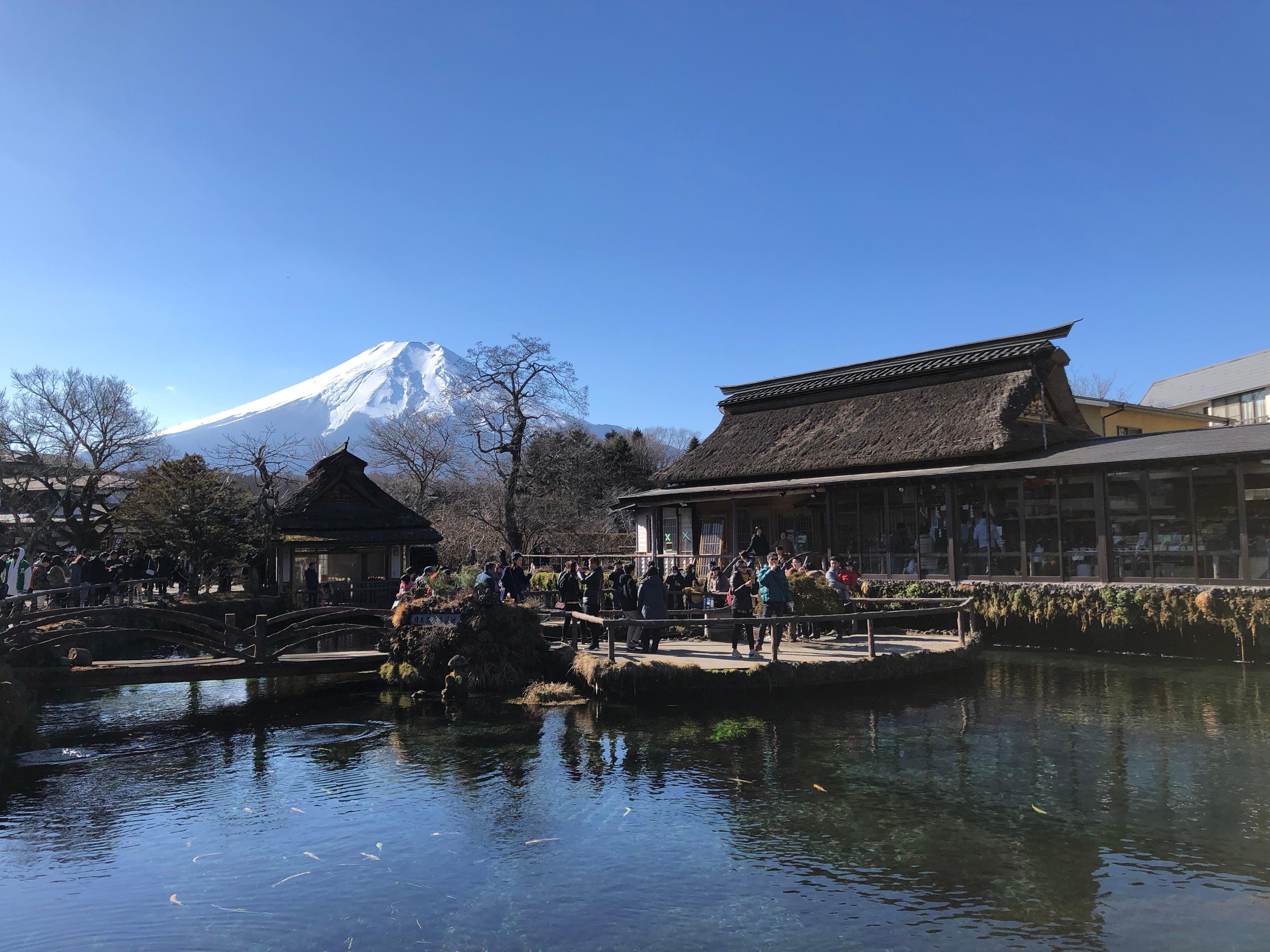
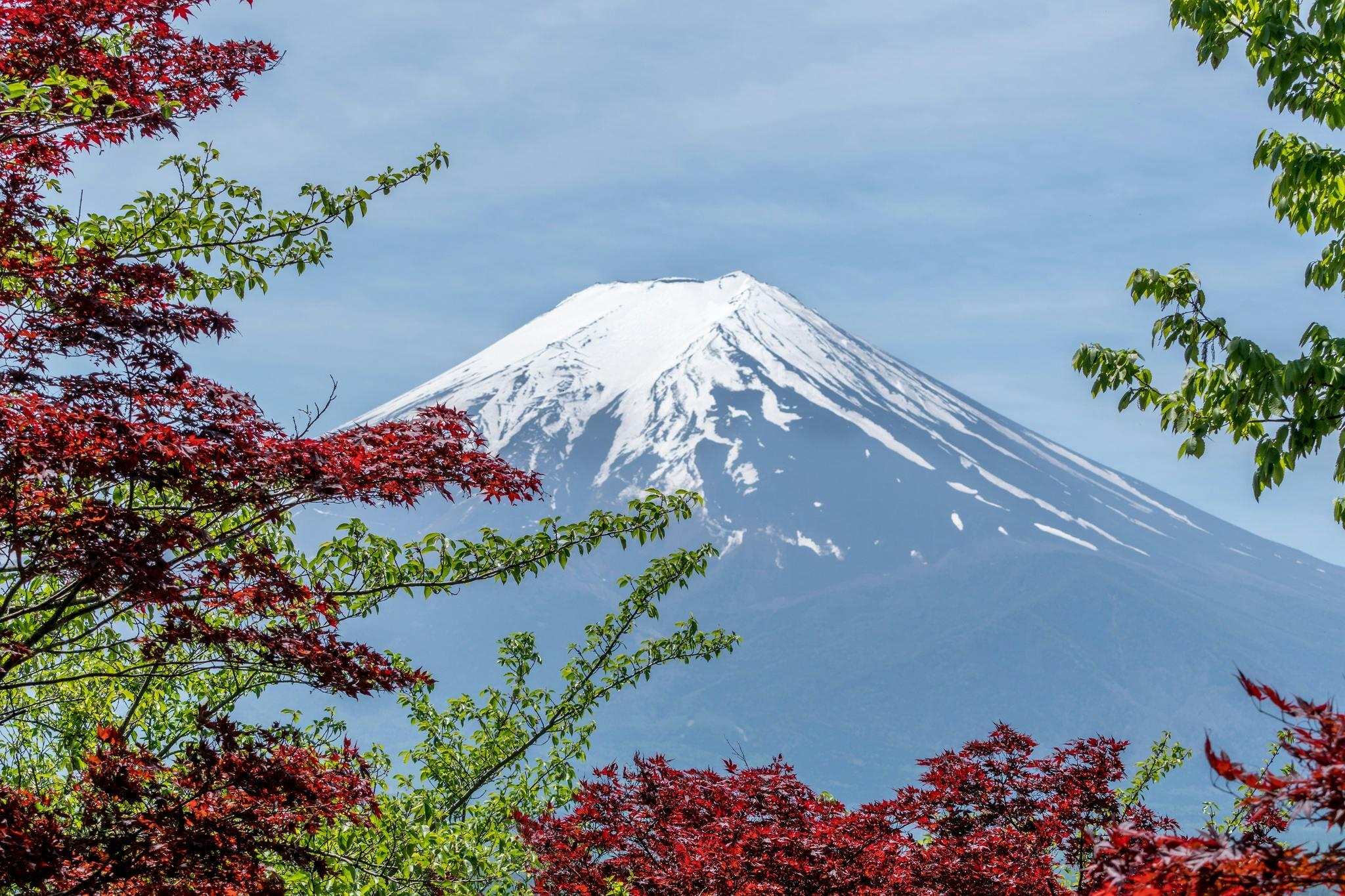
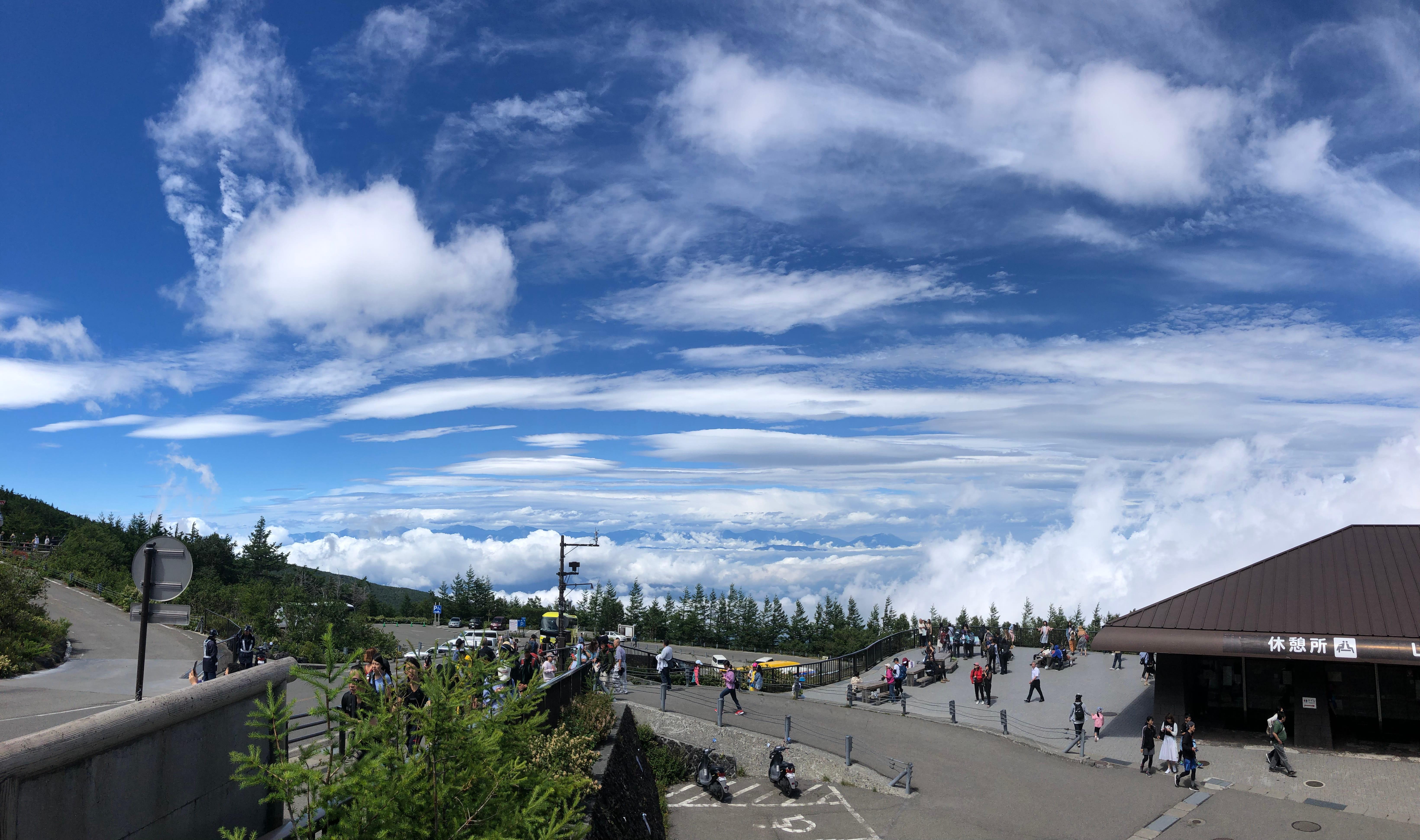
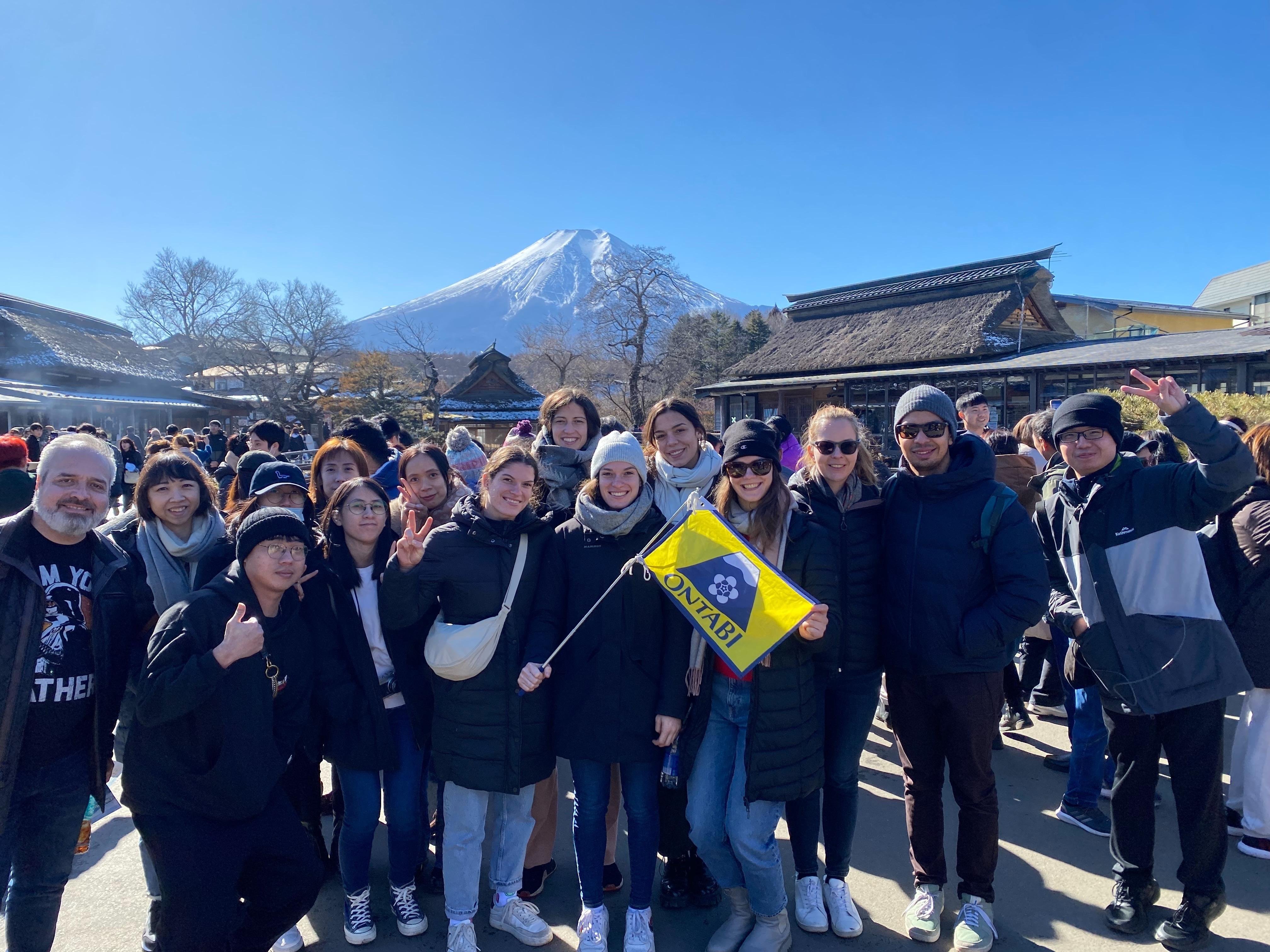
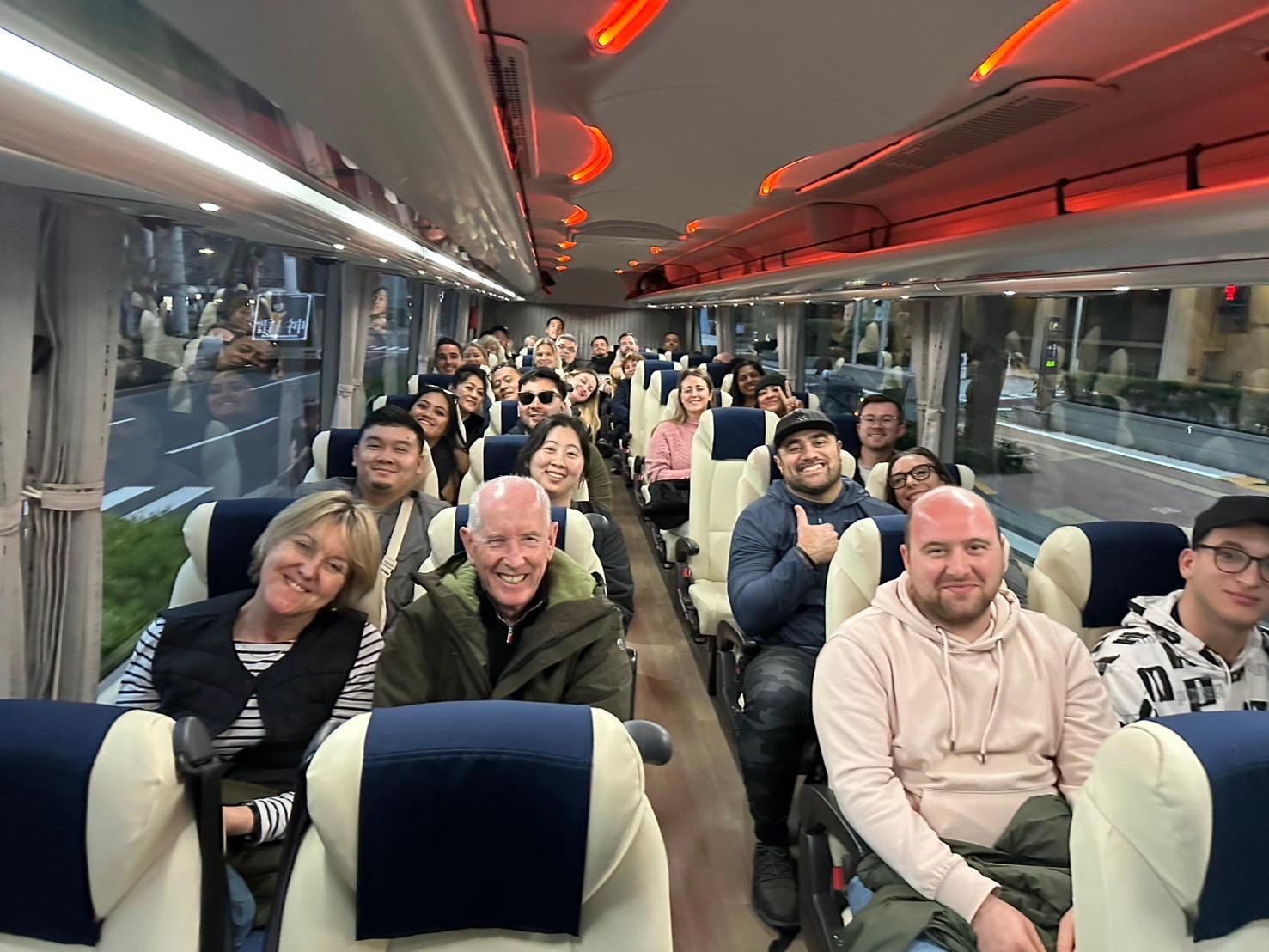
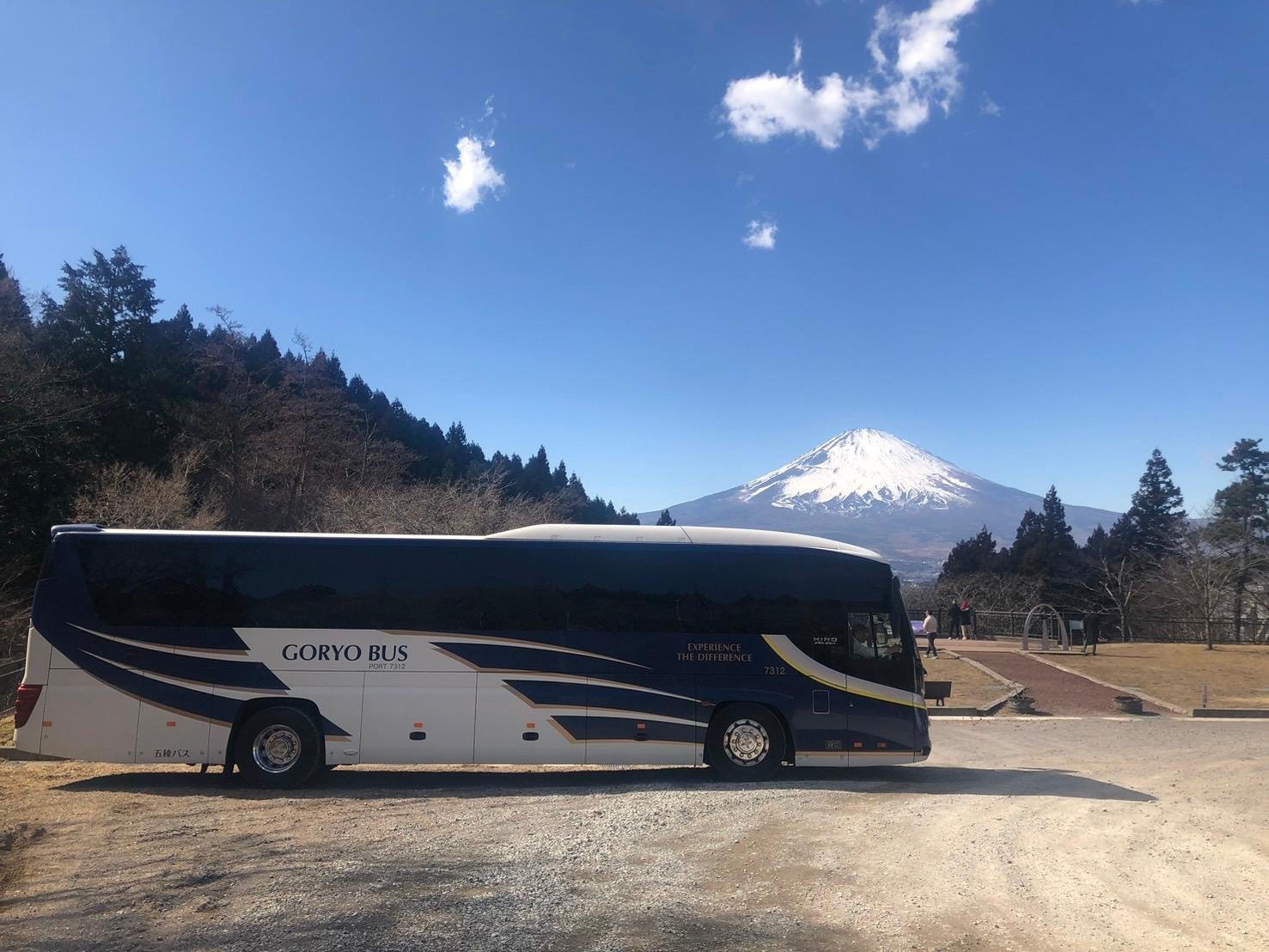
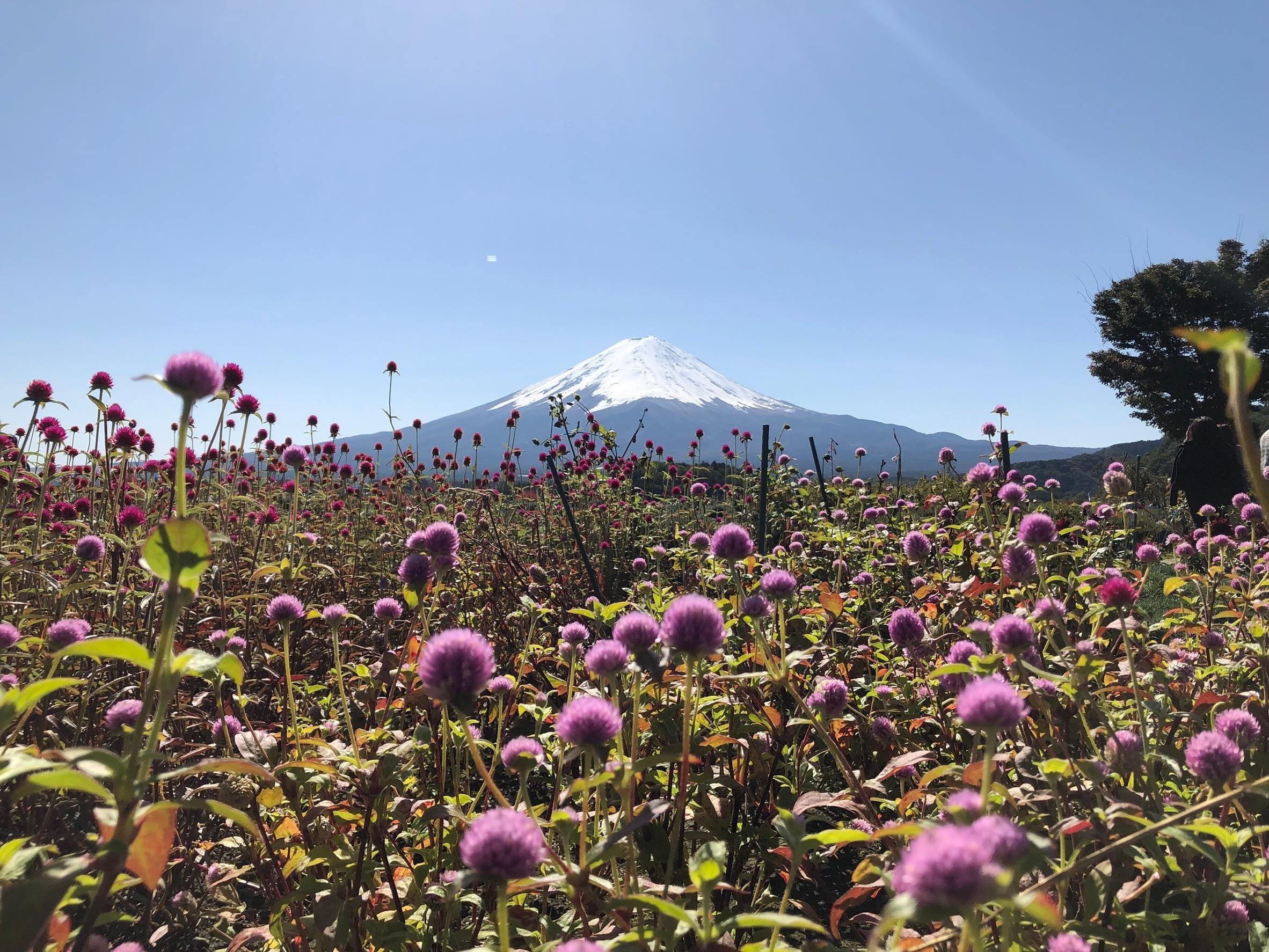
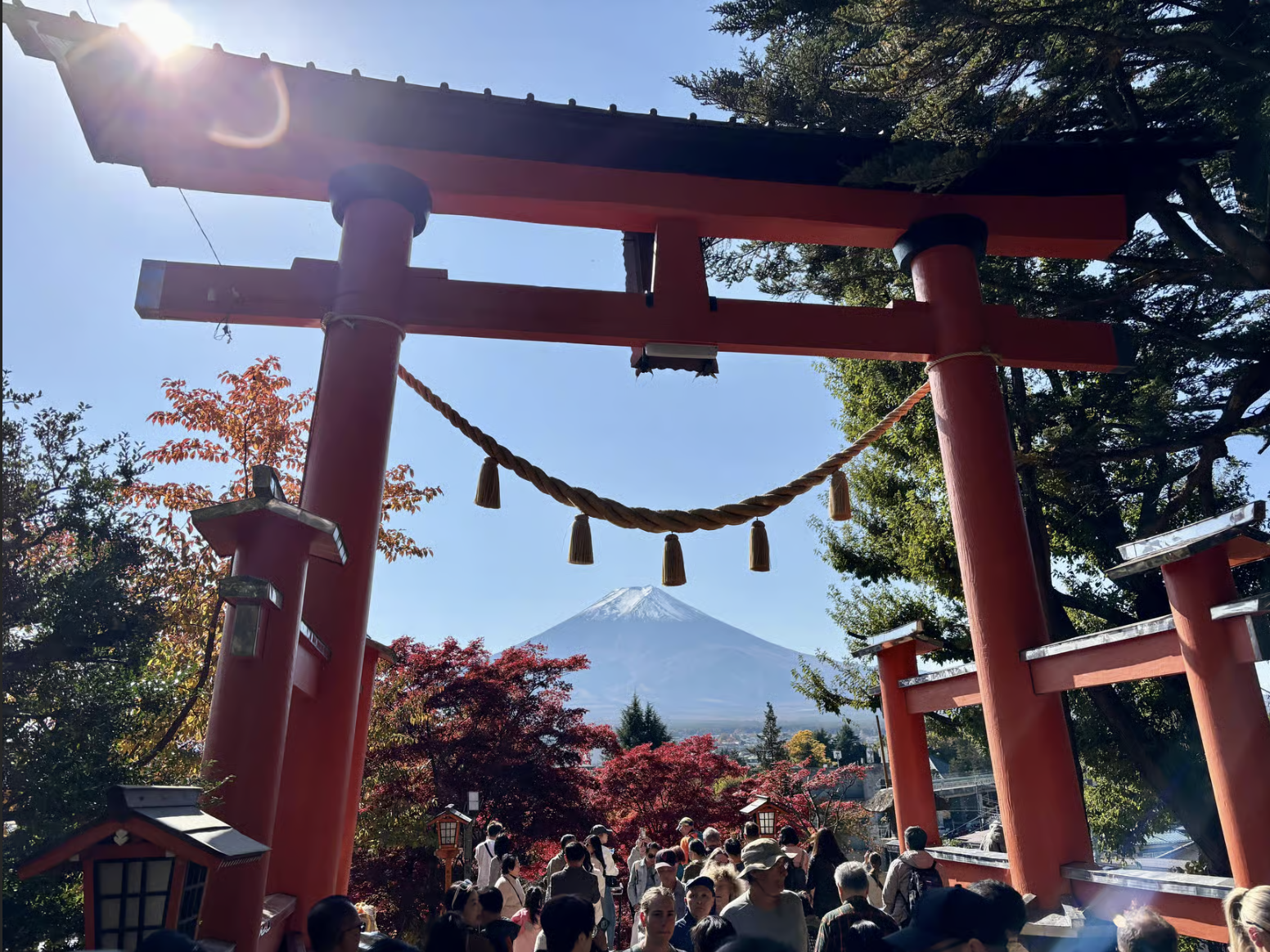
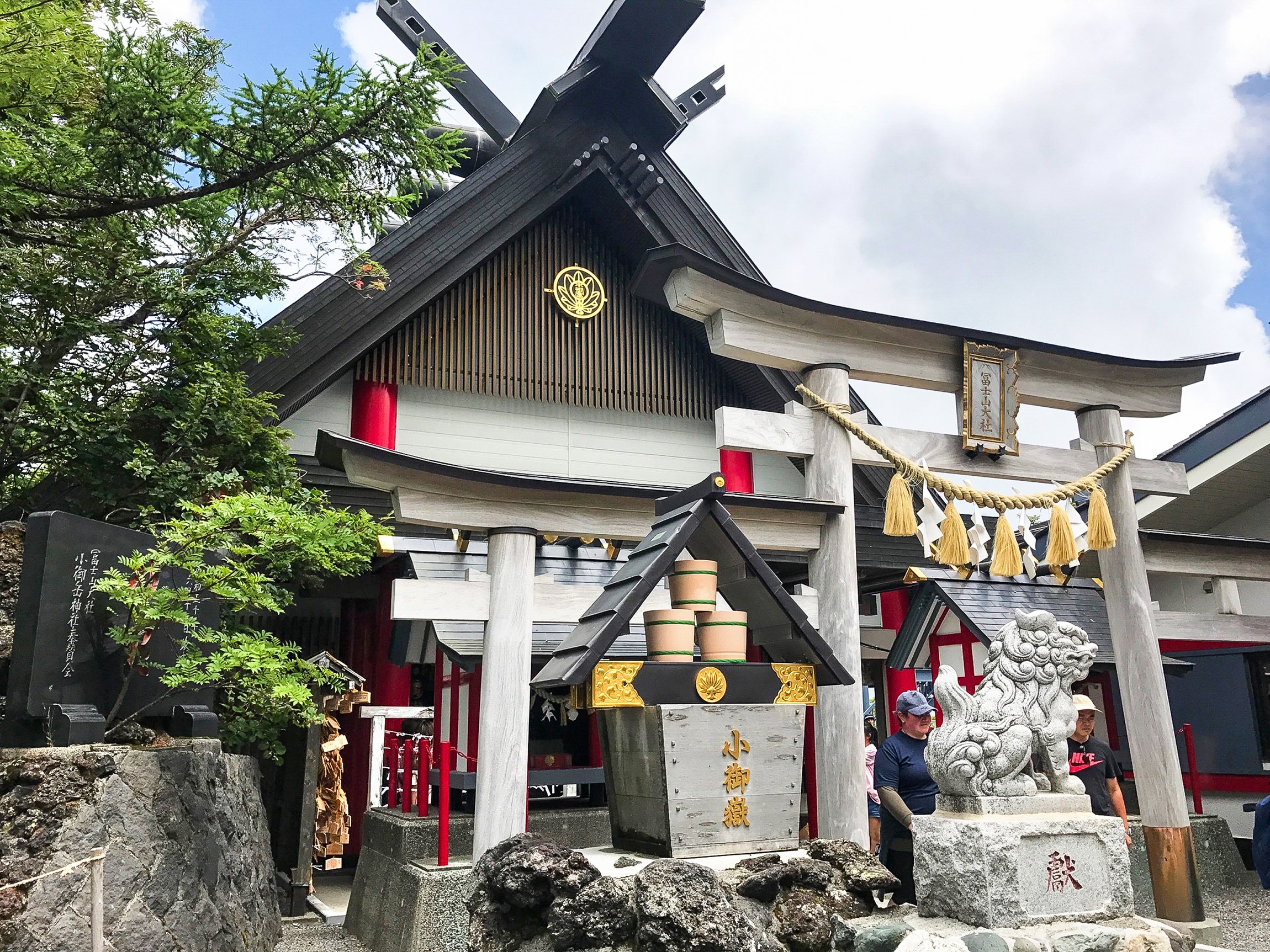
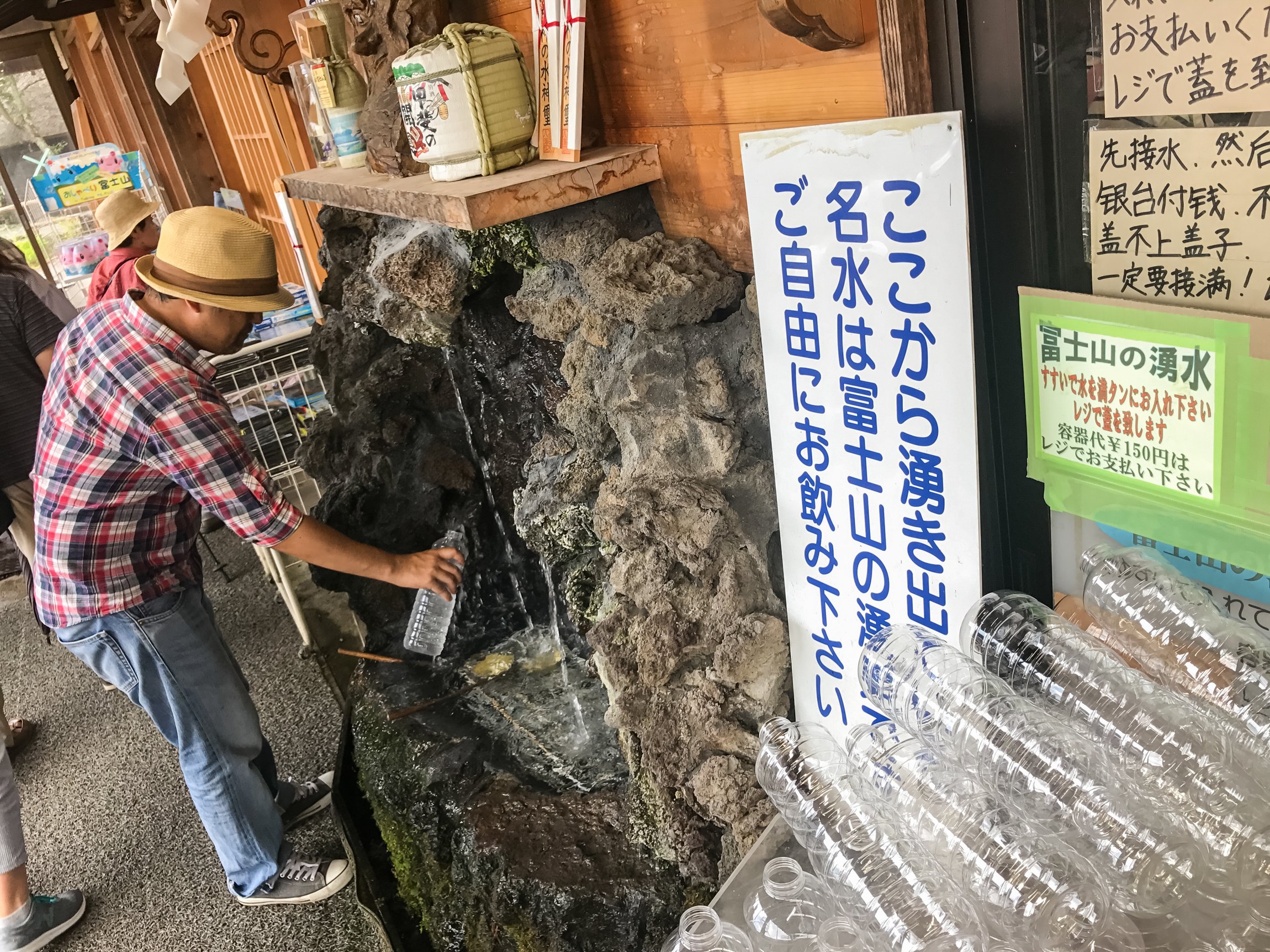
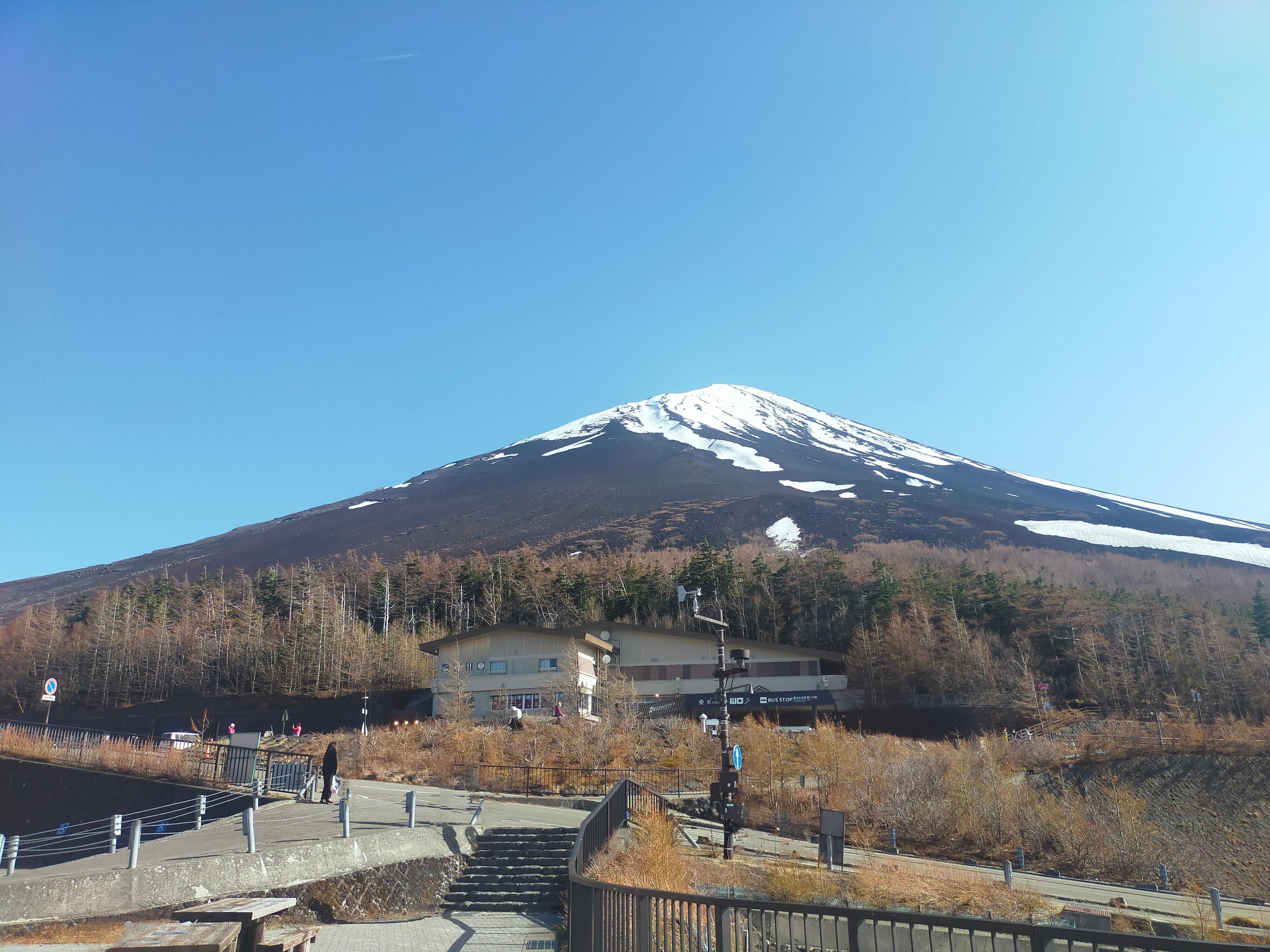
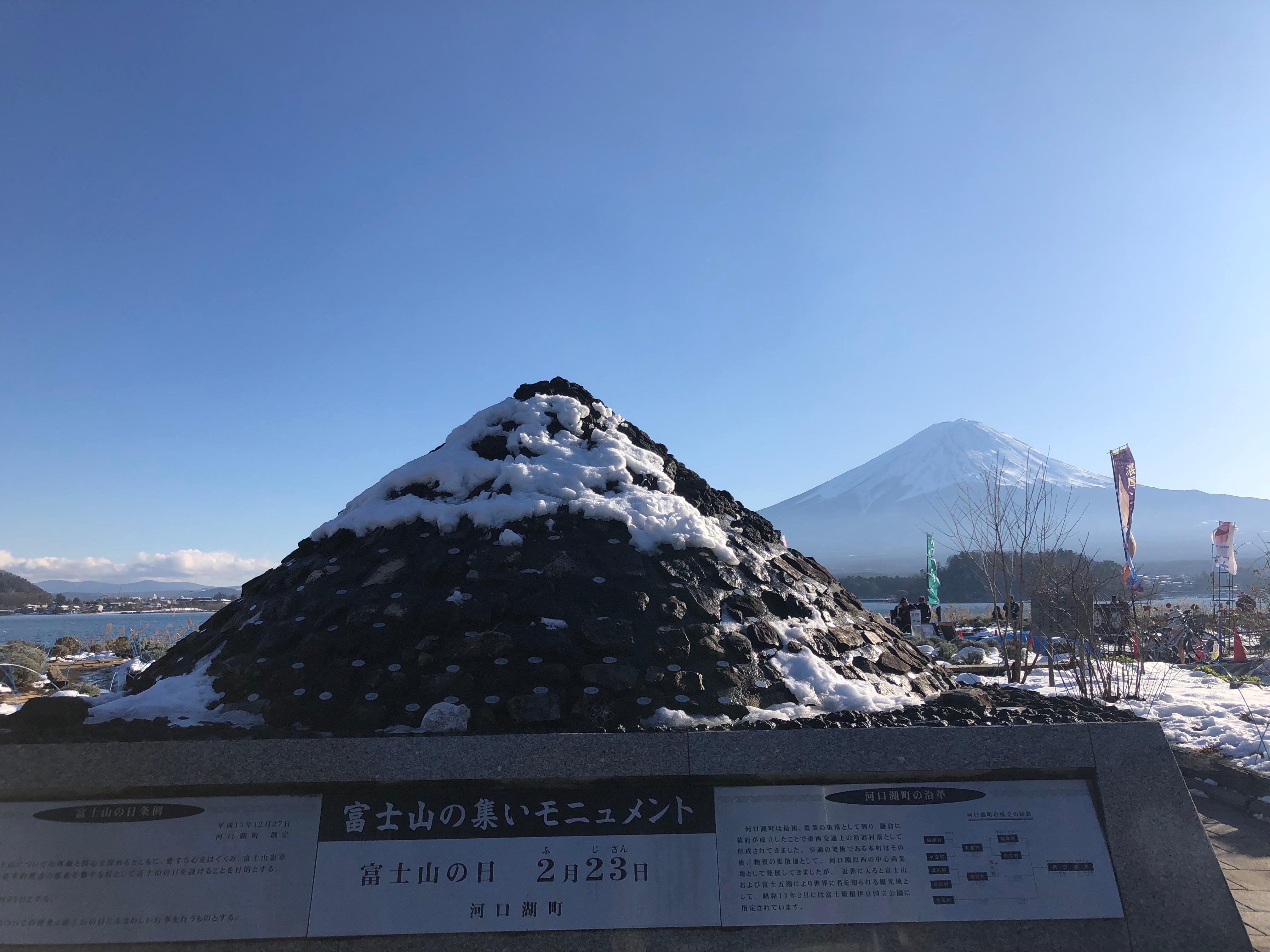
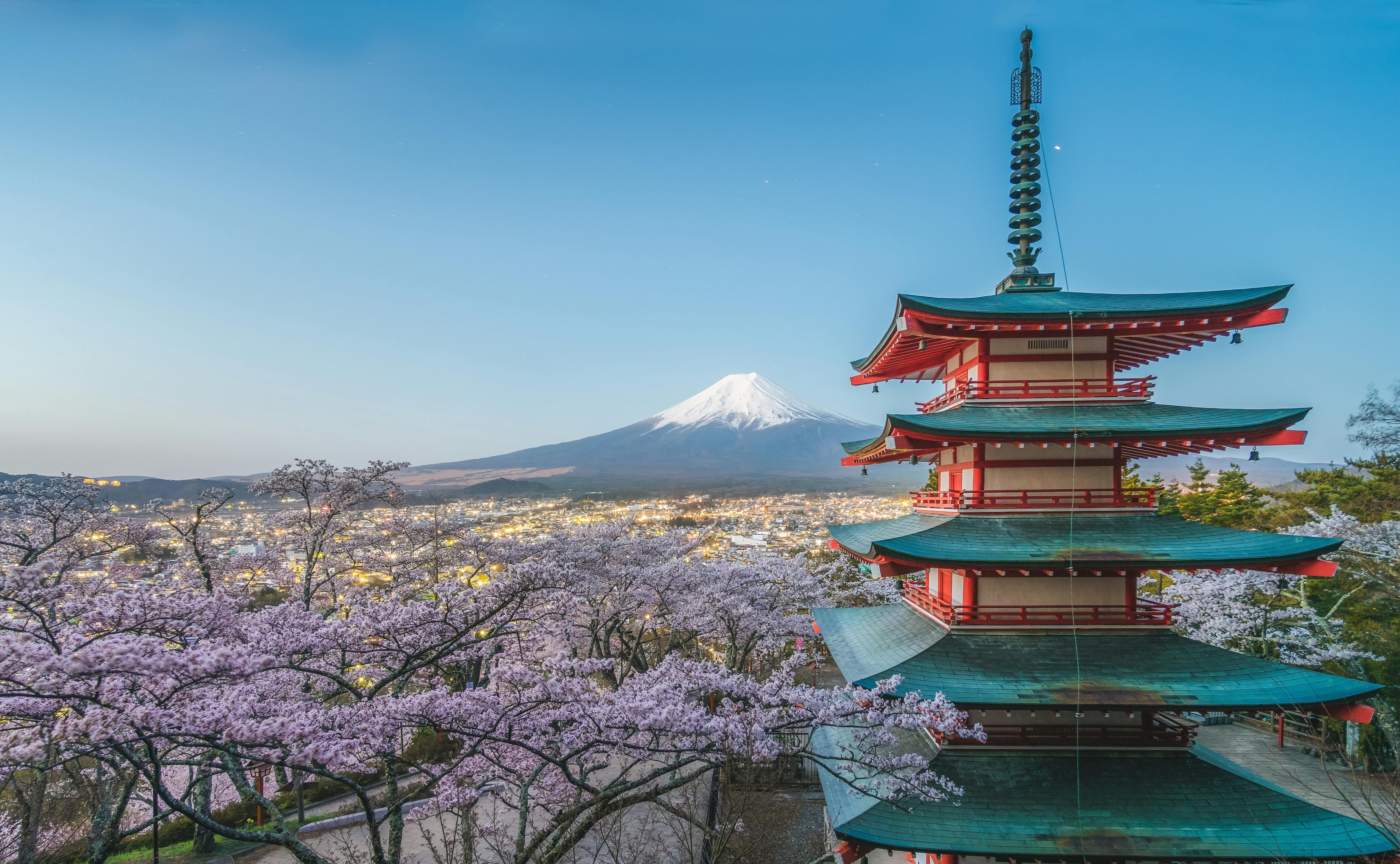
Spend 10 hours exploring Fuji's iconic lakes, shrines, and mountain stations from Tokyo.
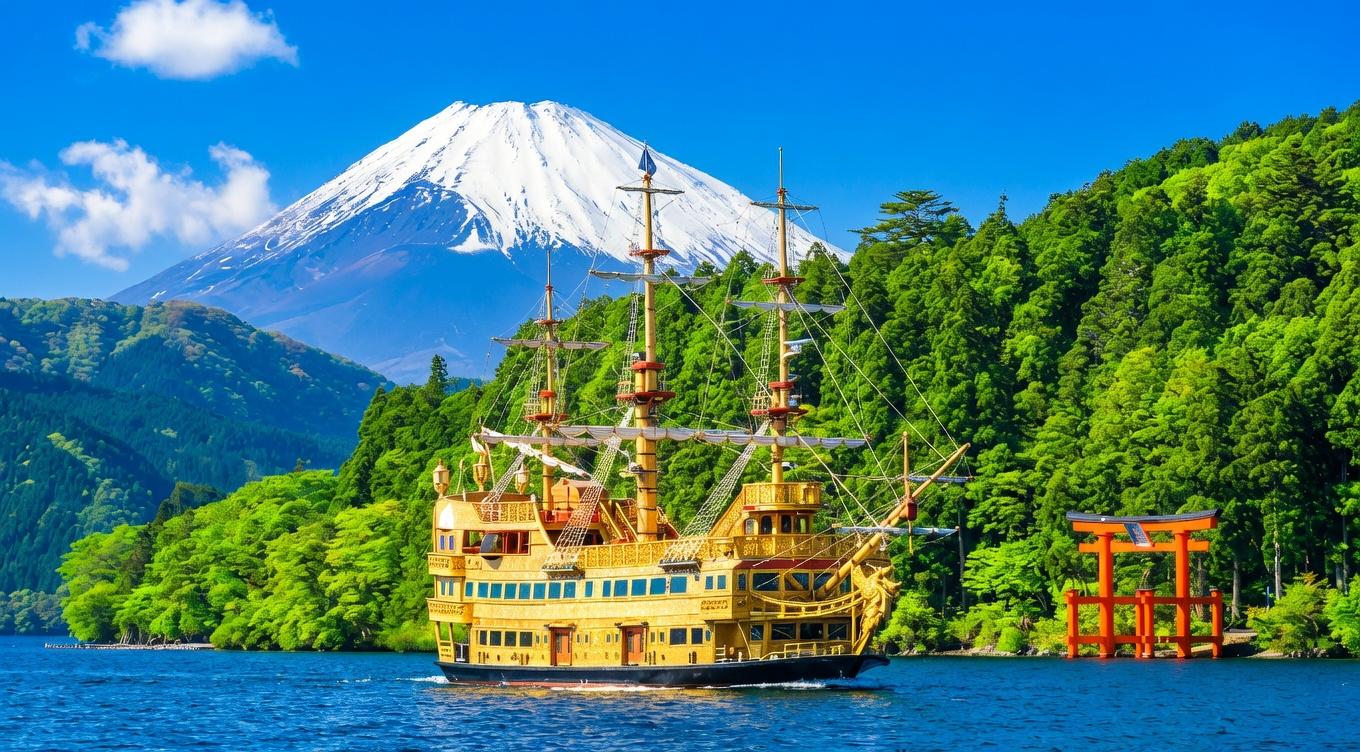
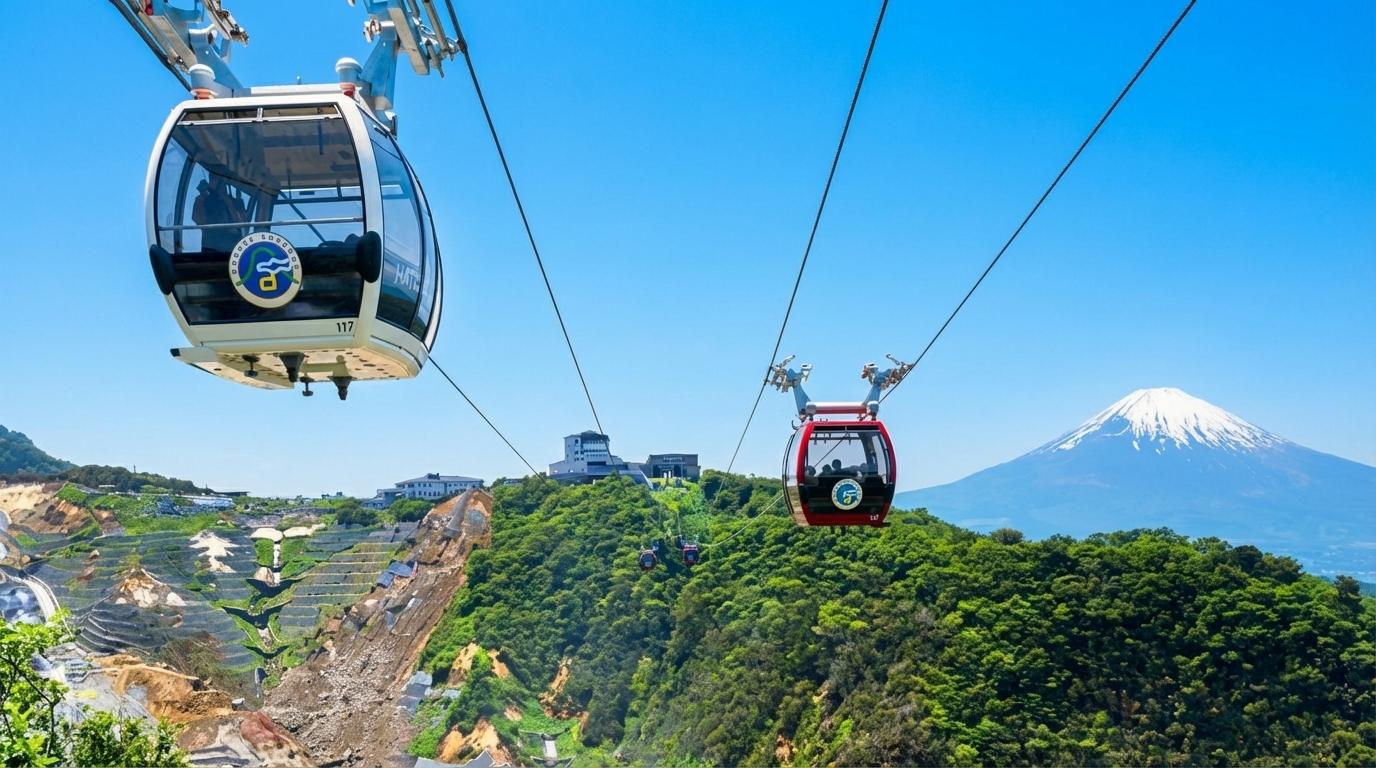
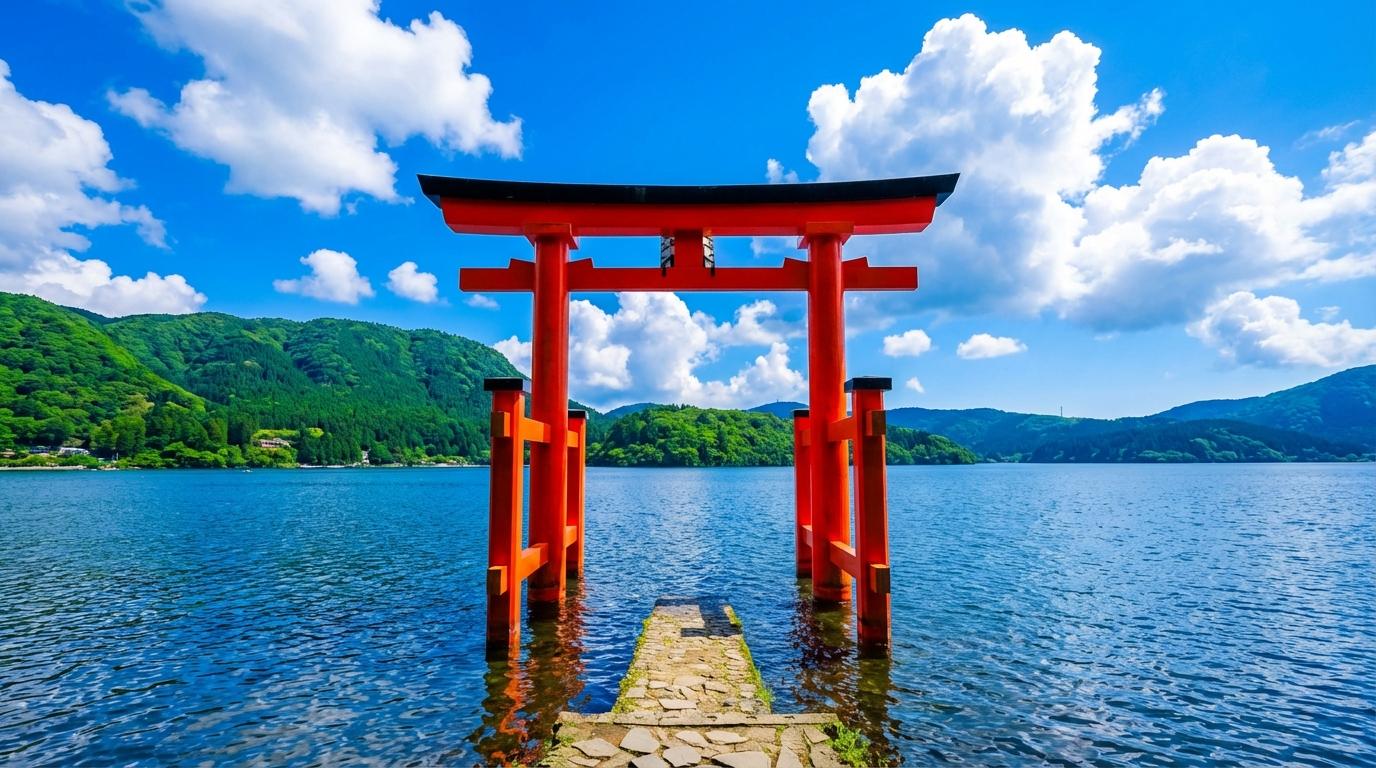
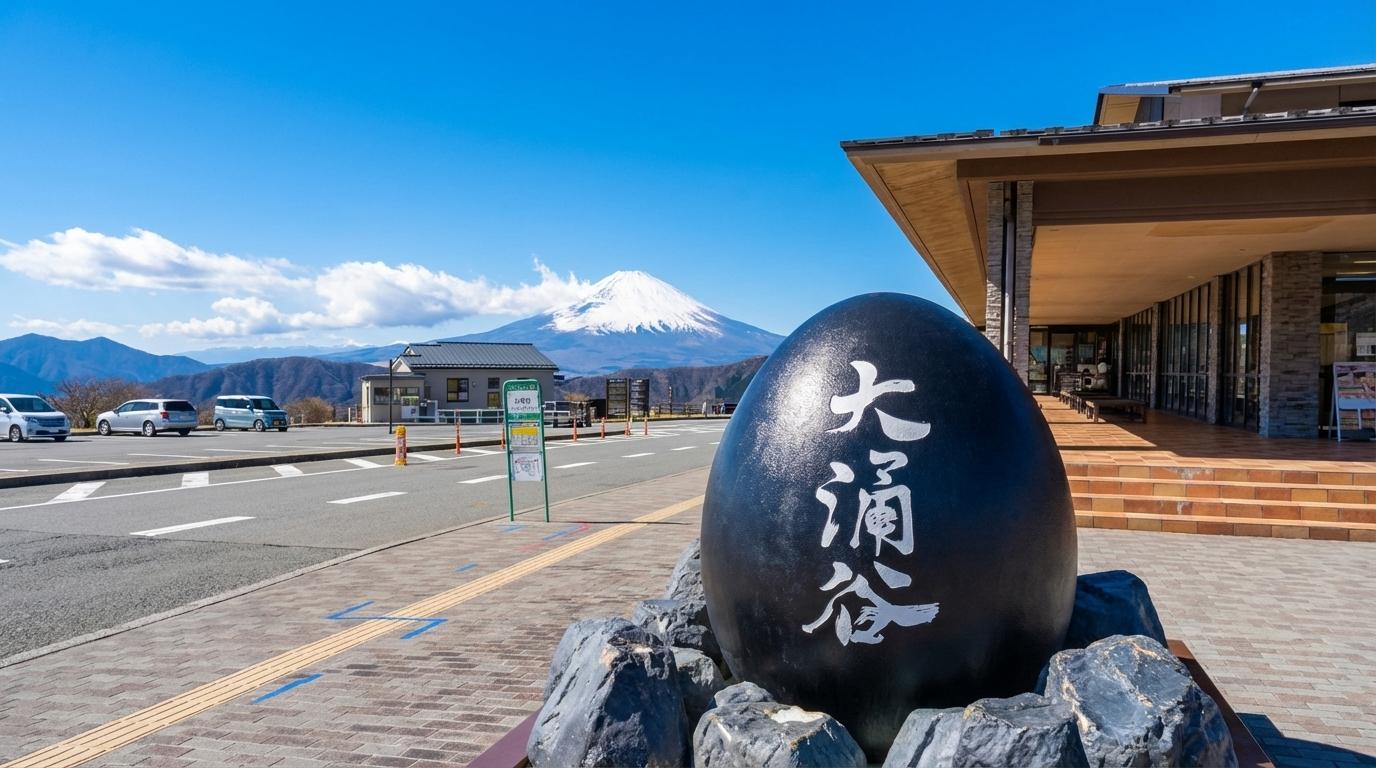
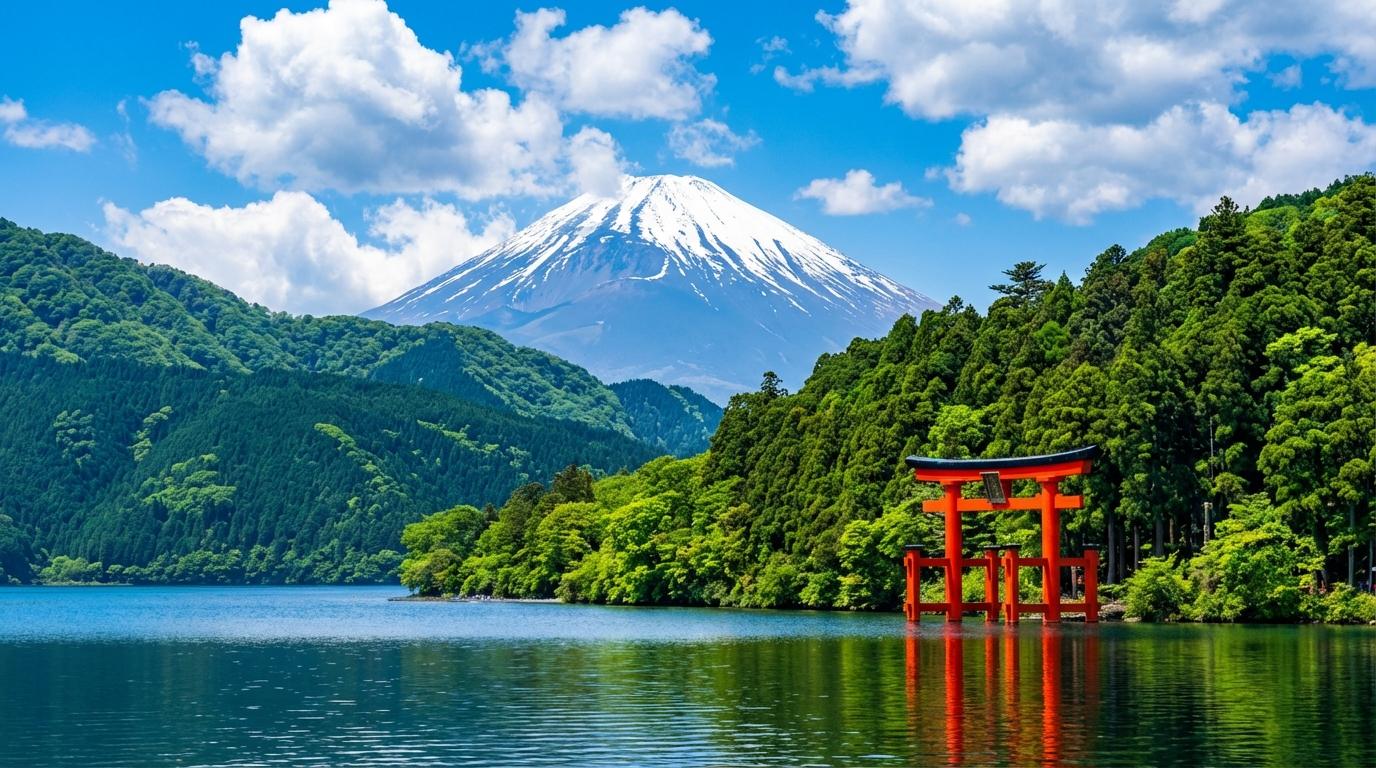
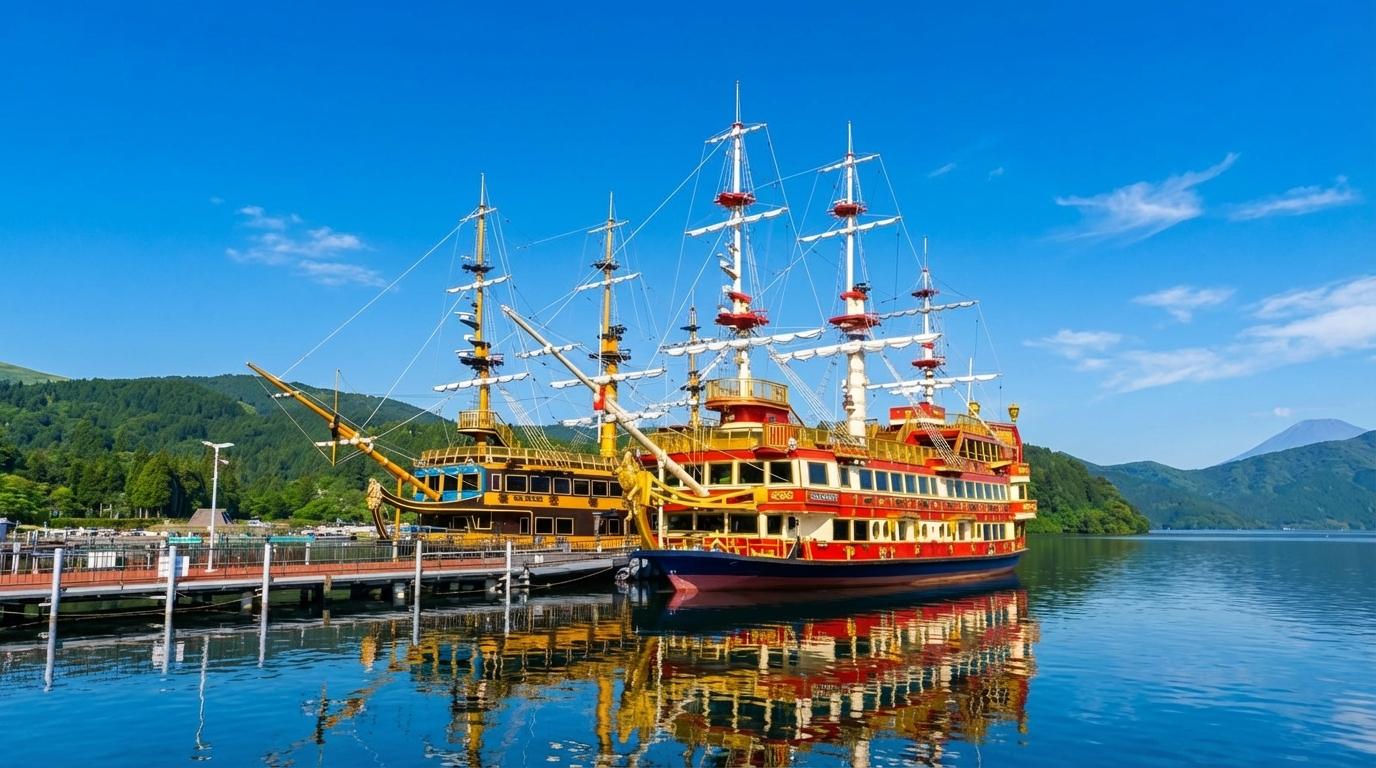
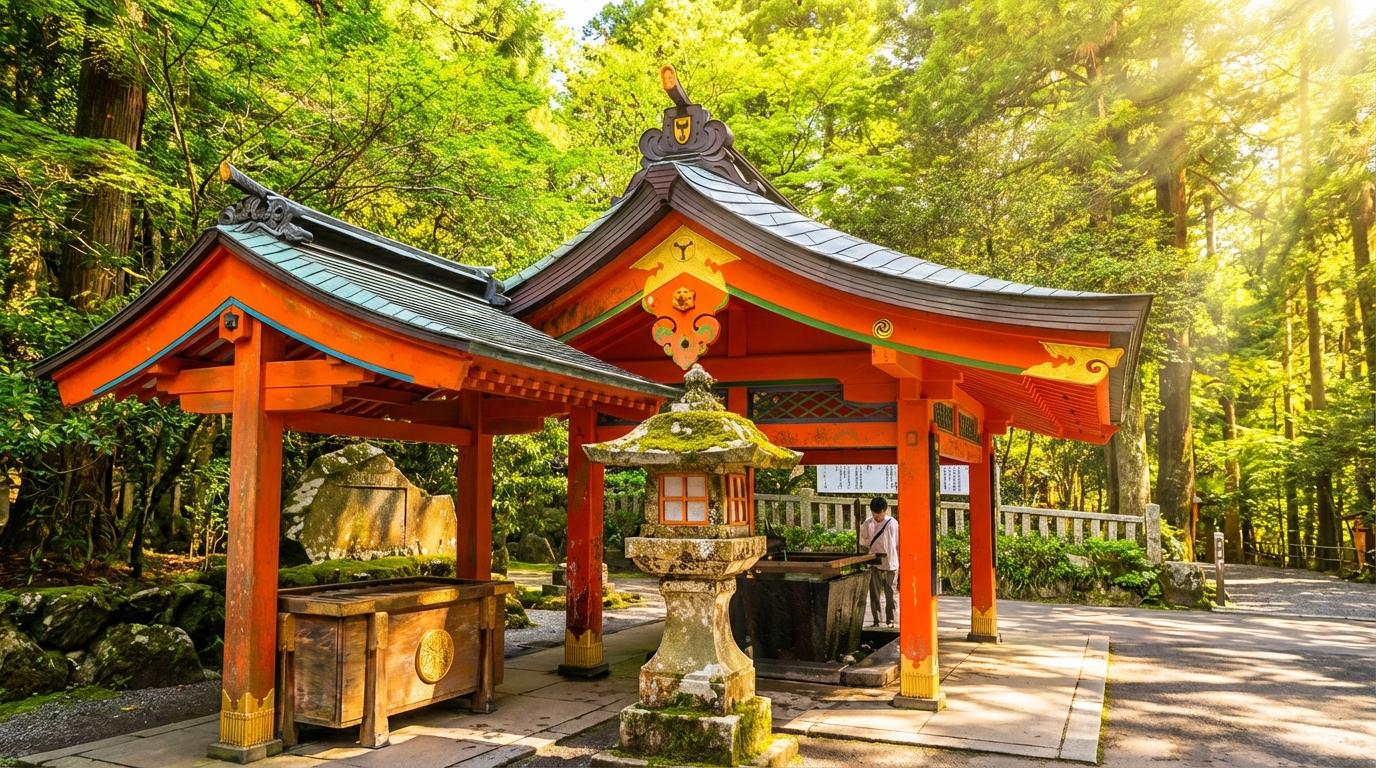
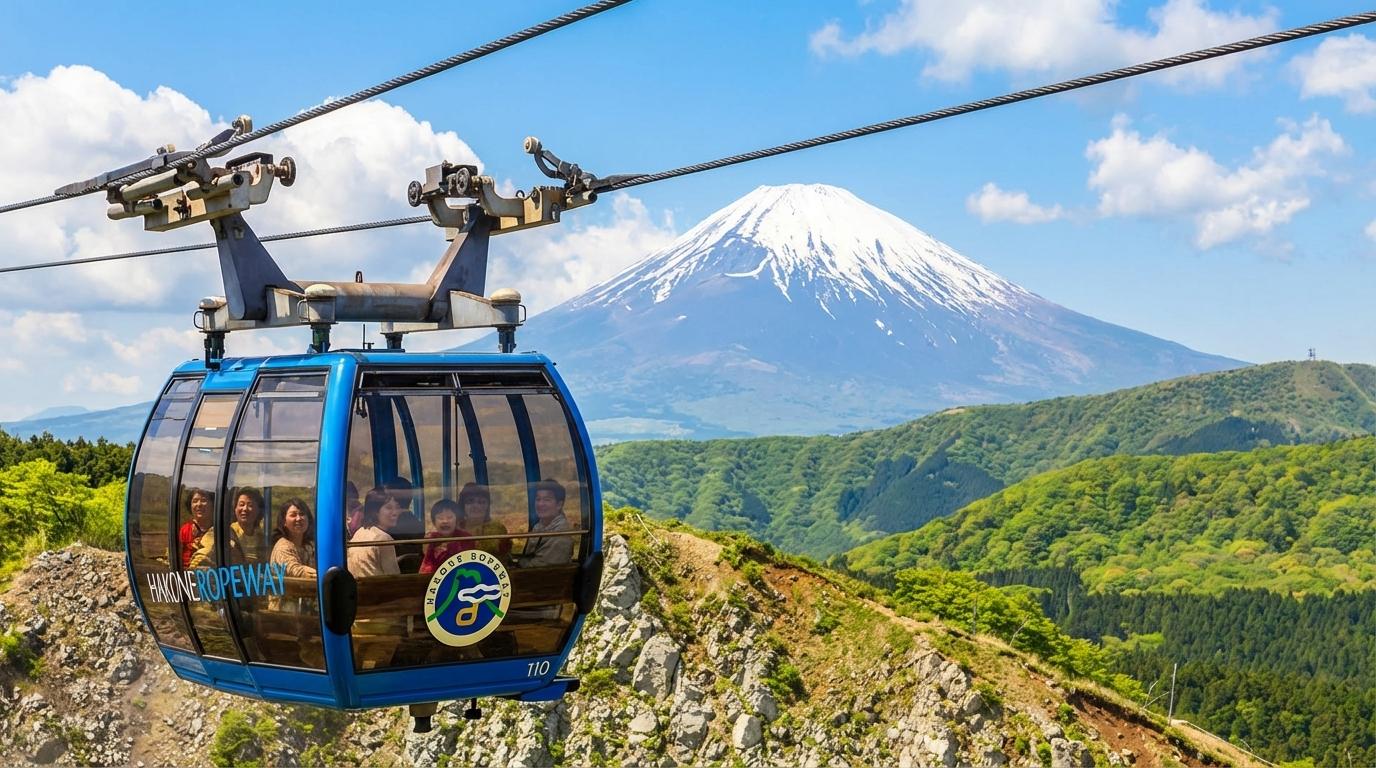
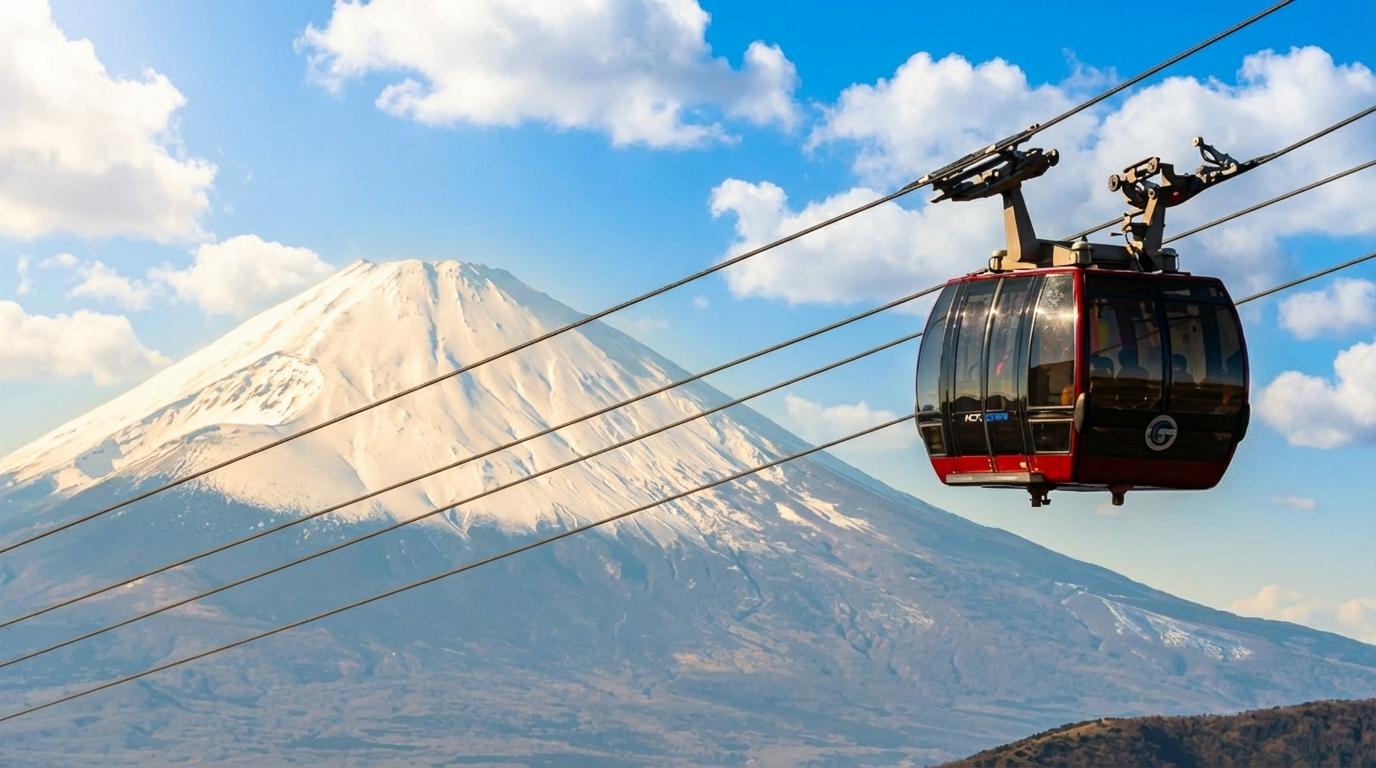
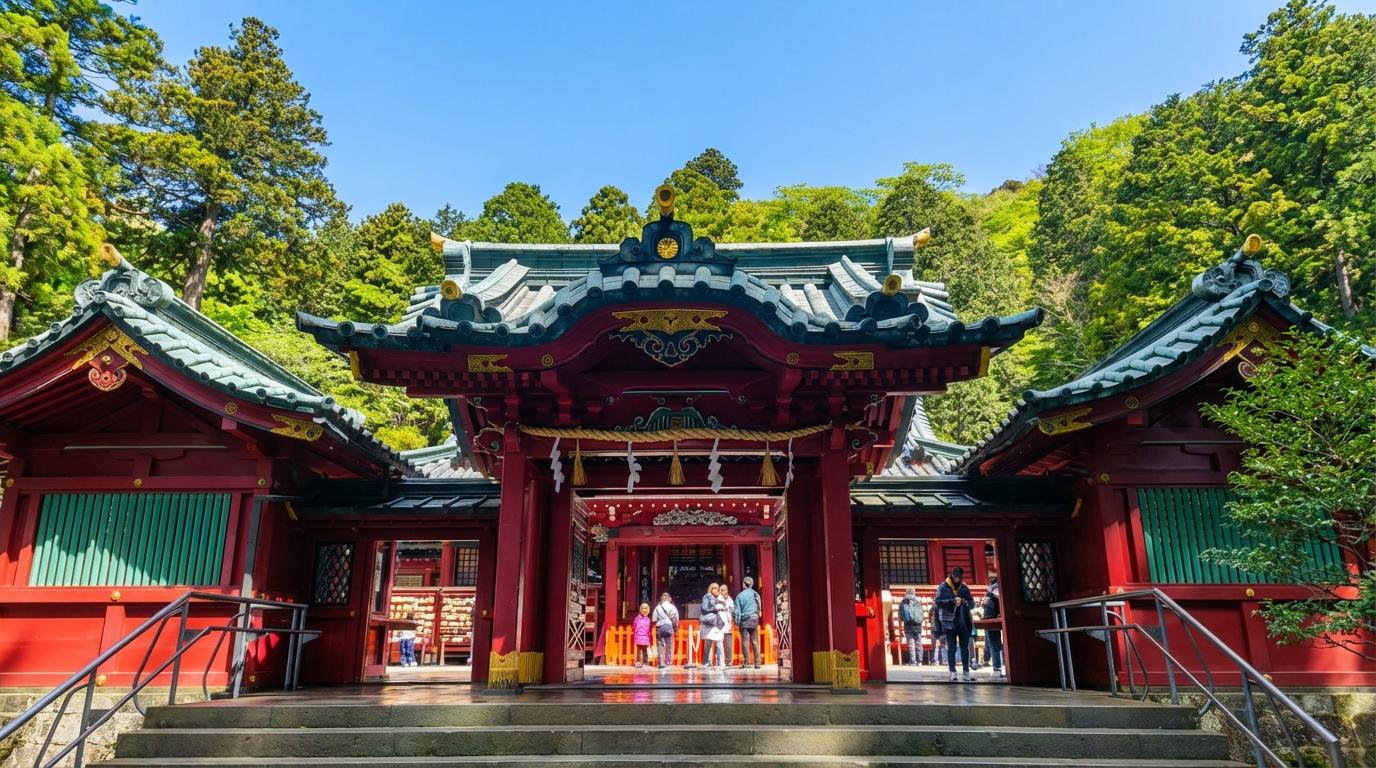
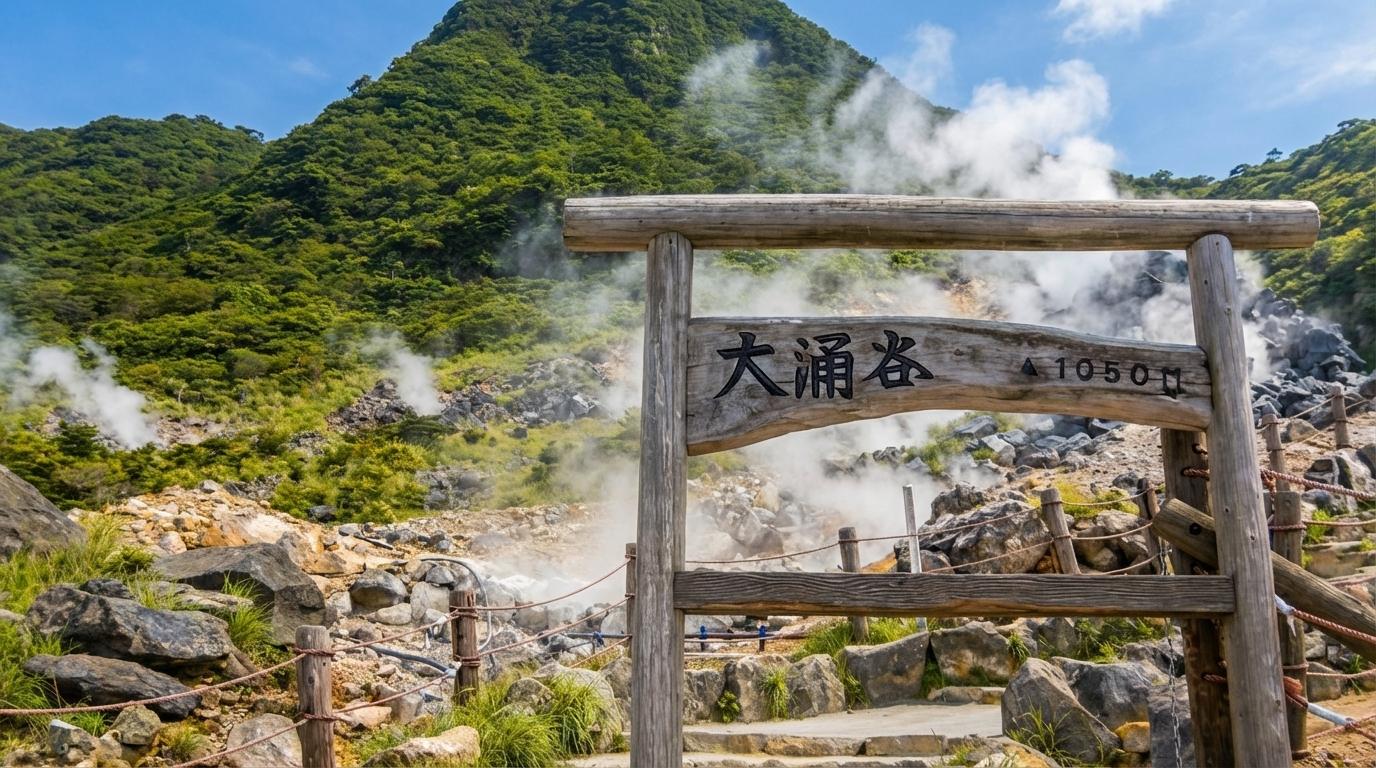
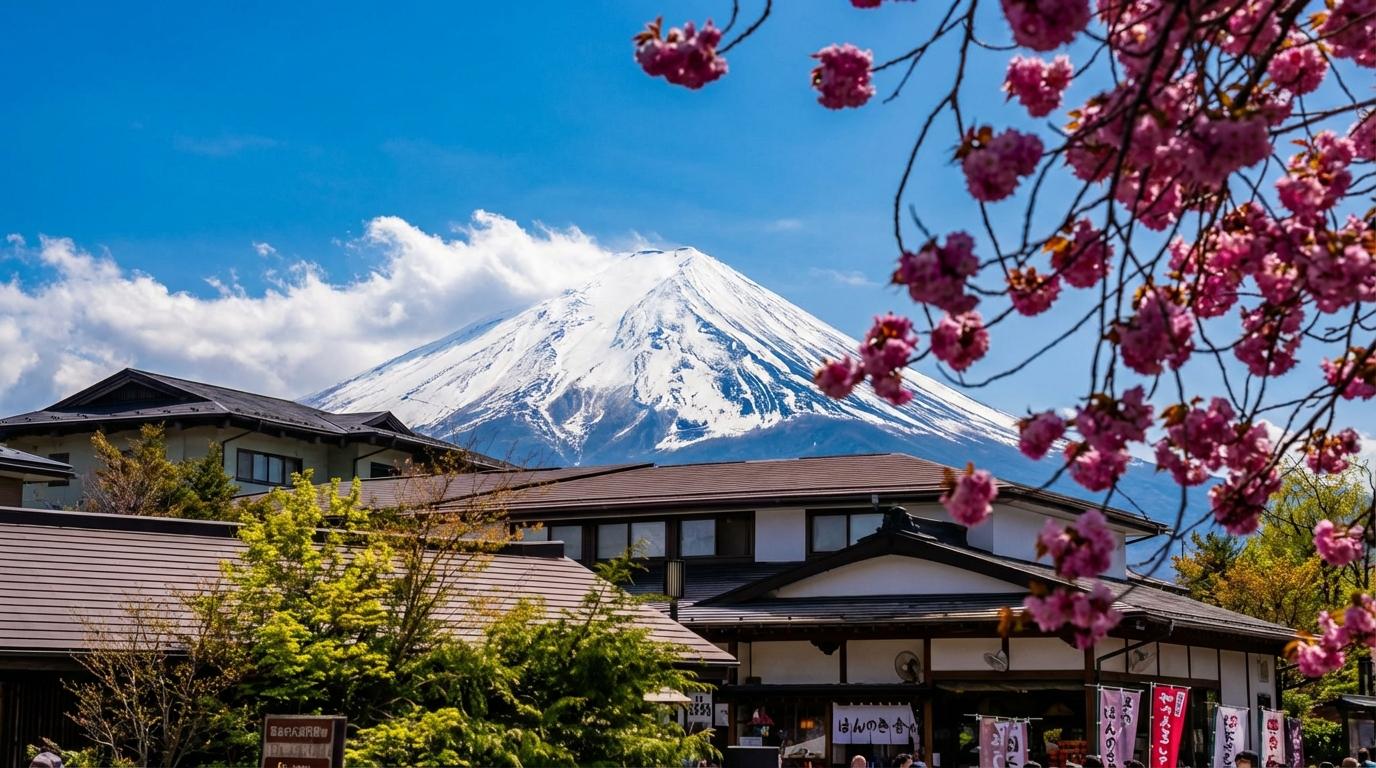
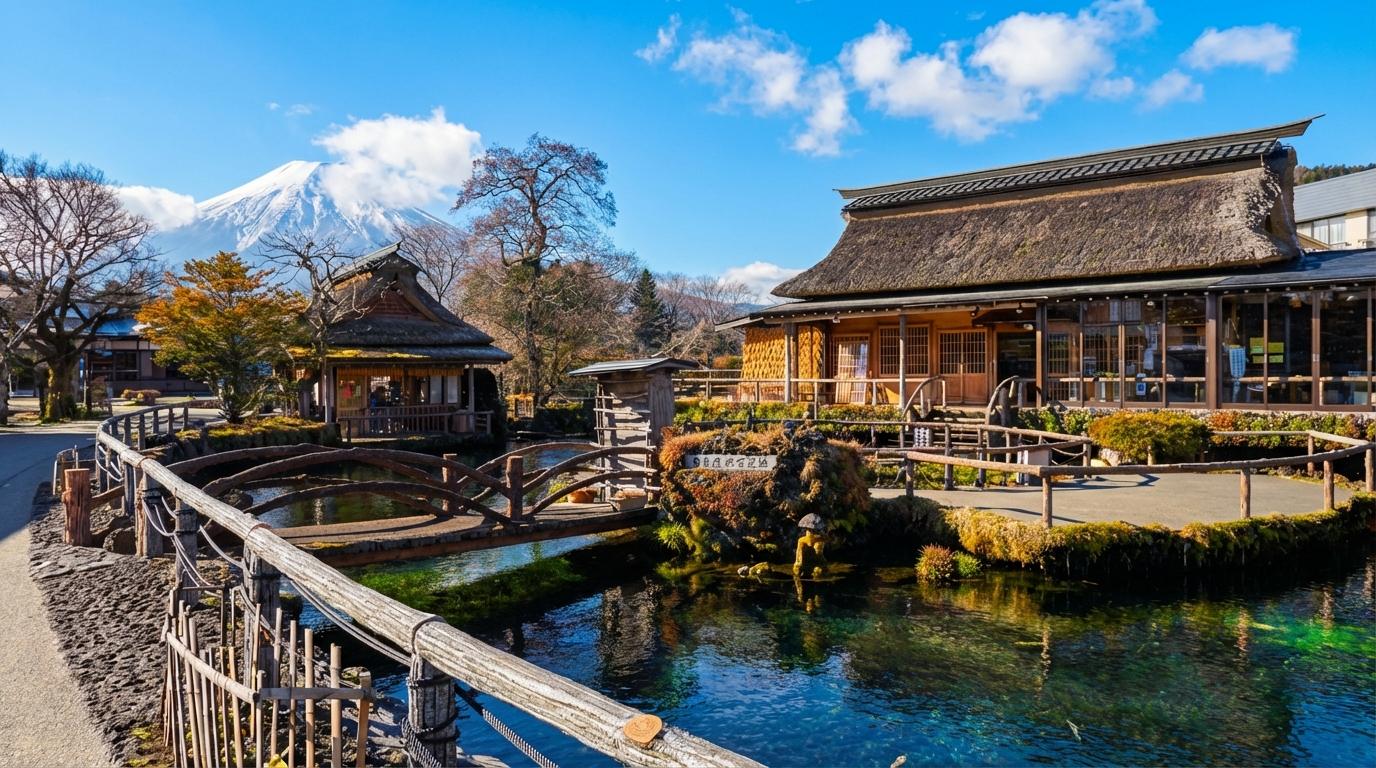
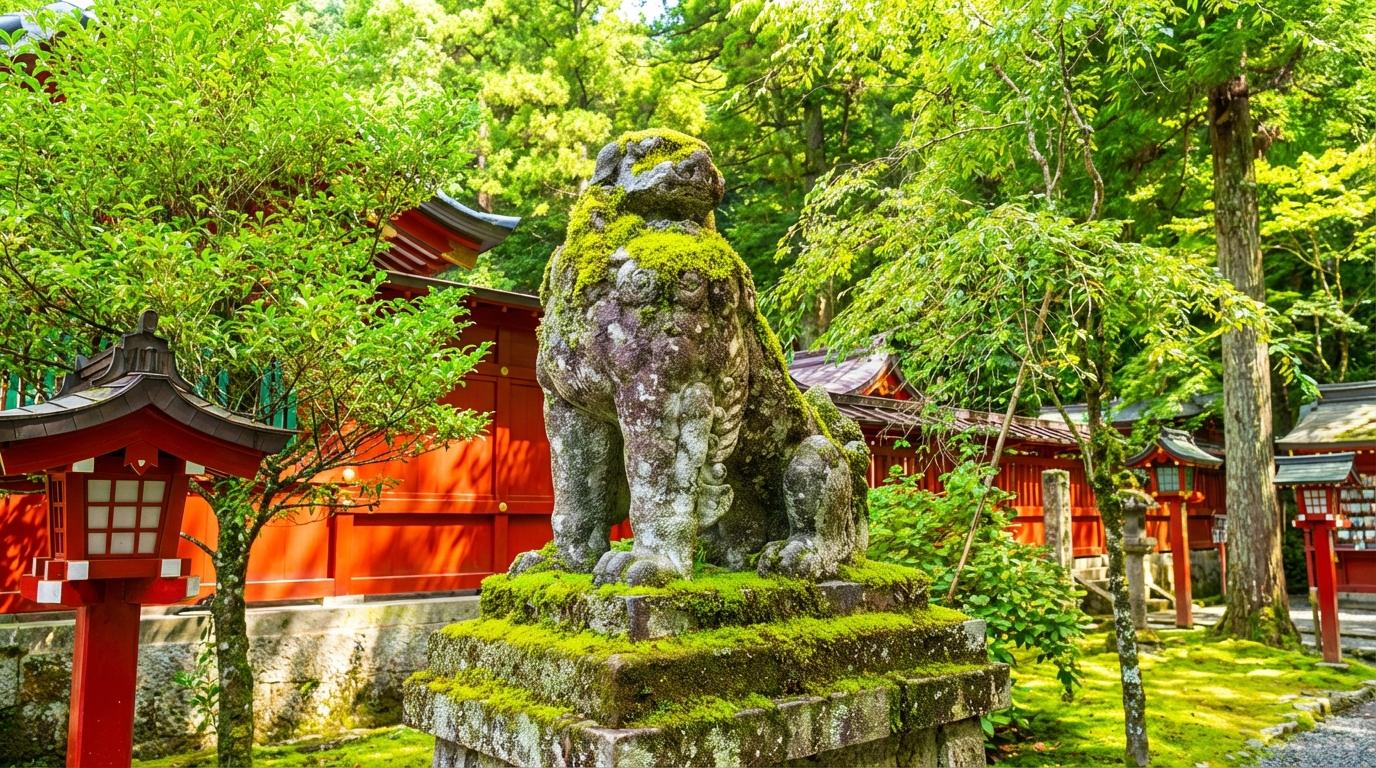
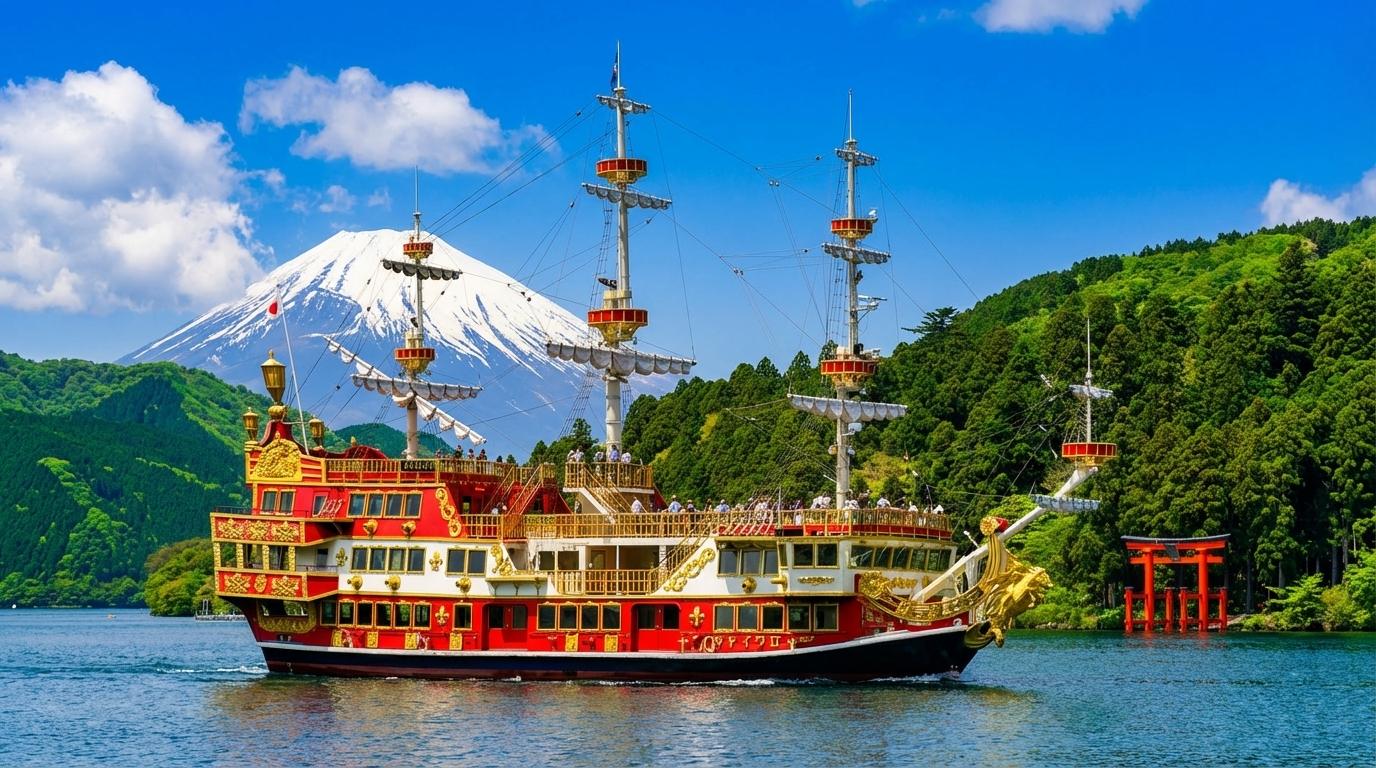
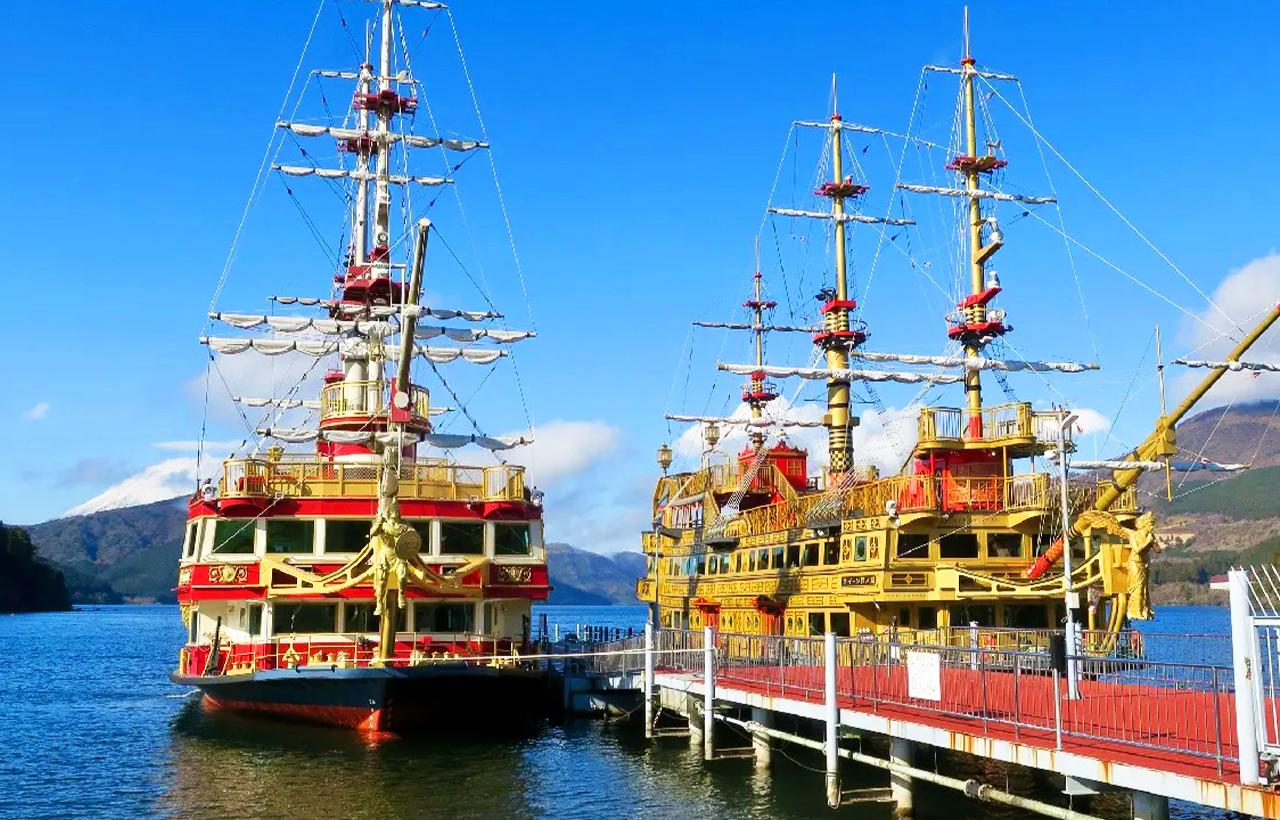
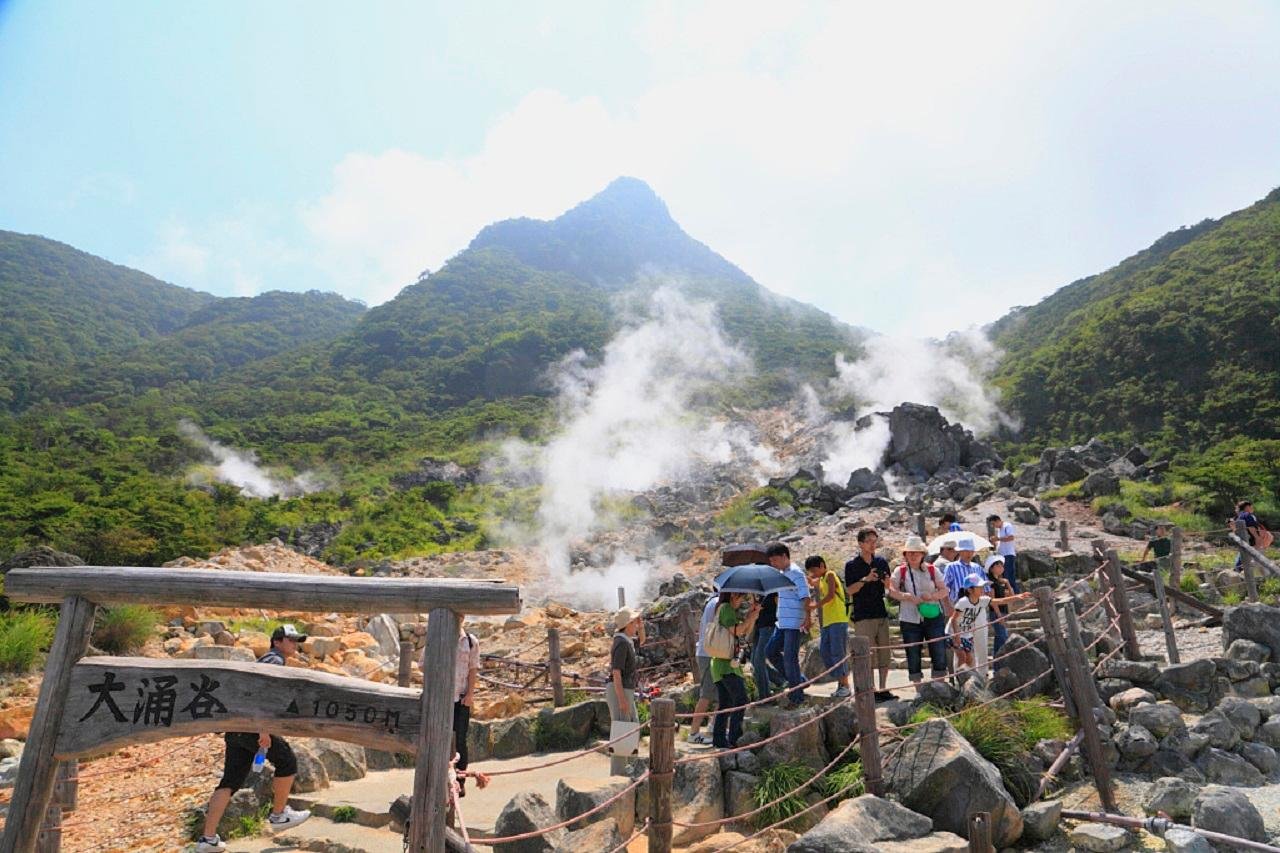
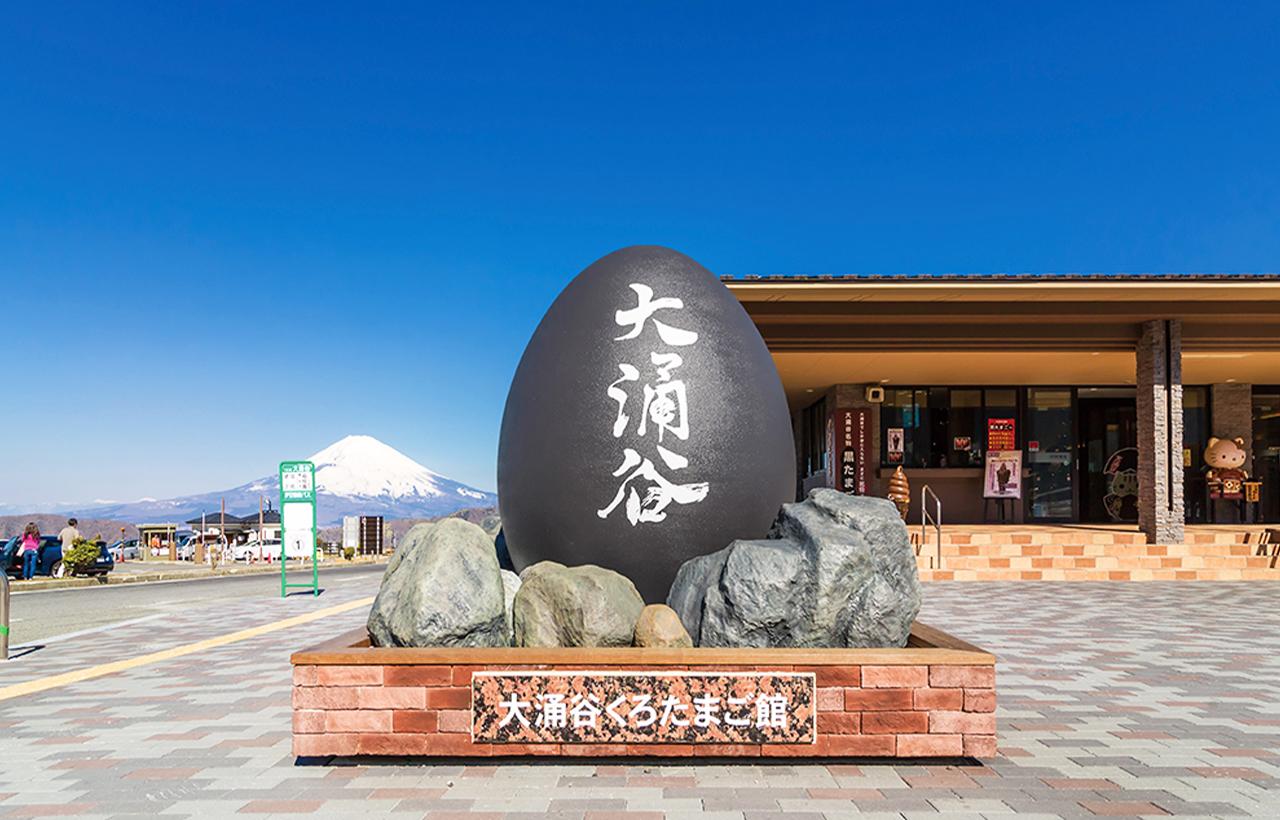
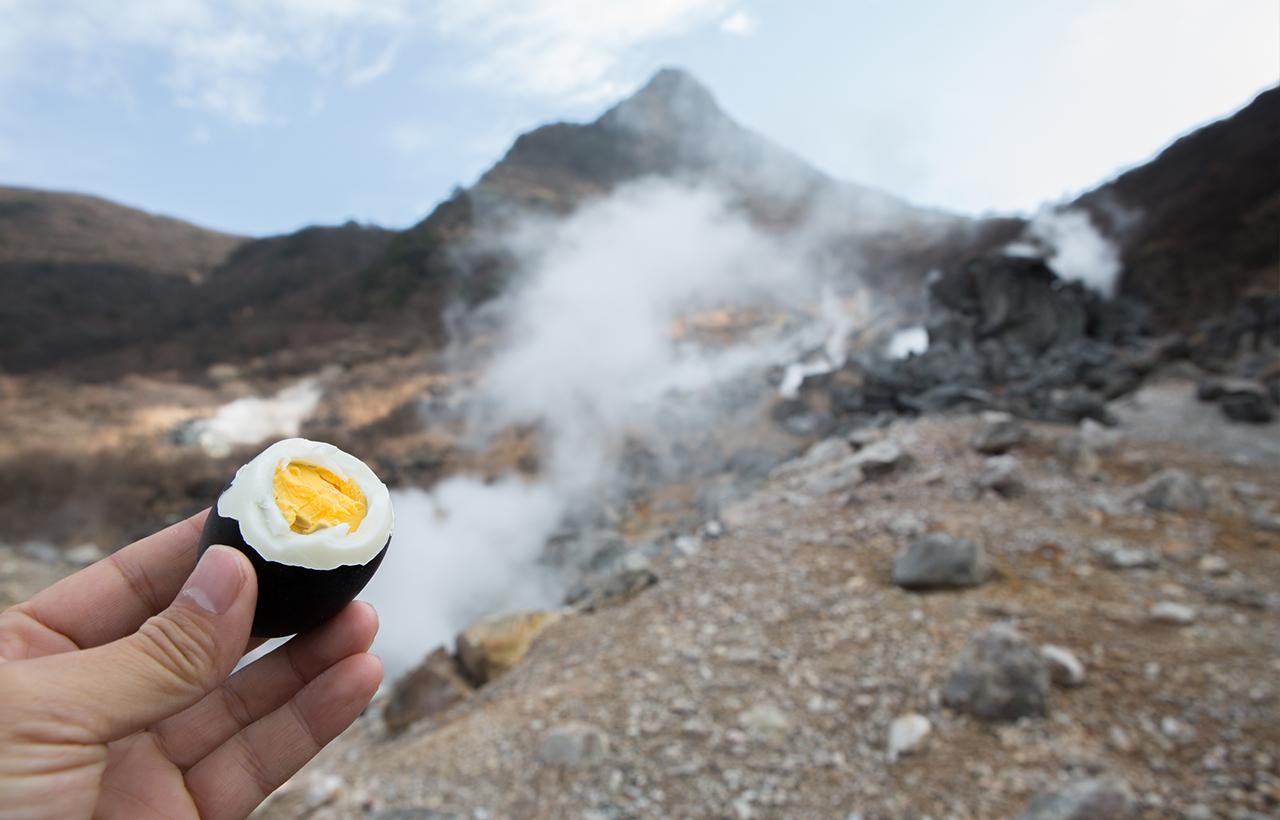
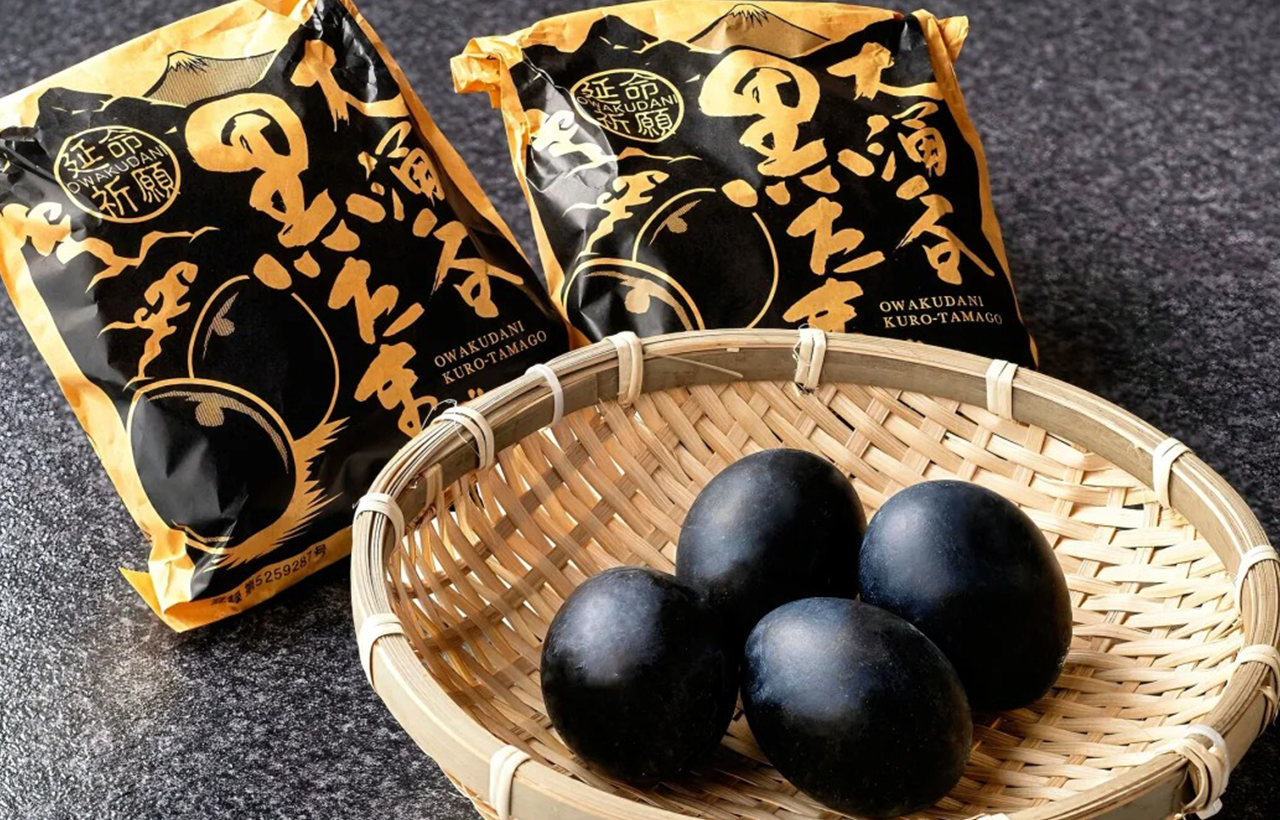
Chase Fuji's reflection, sail a pirate ship & taste legendary black eggs on this epic Hakone day trip.
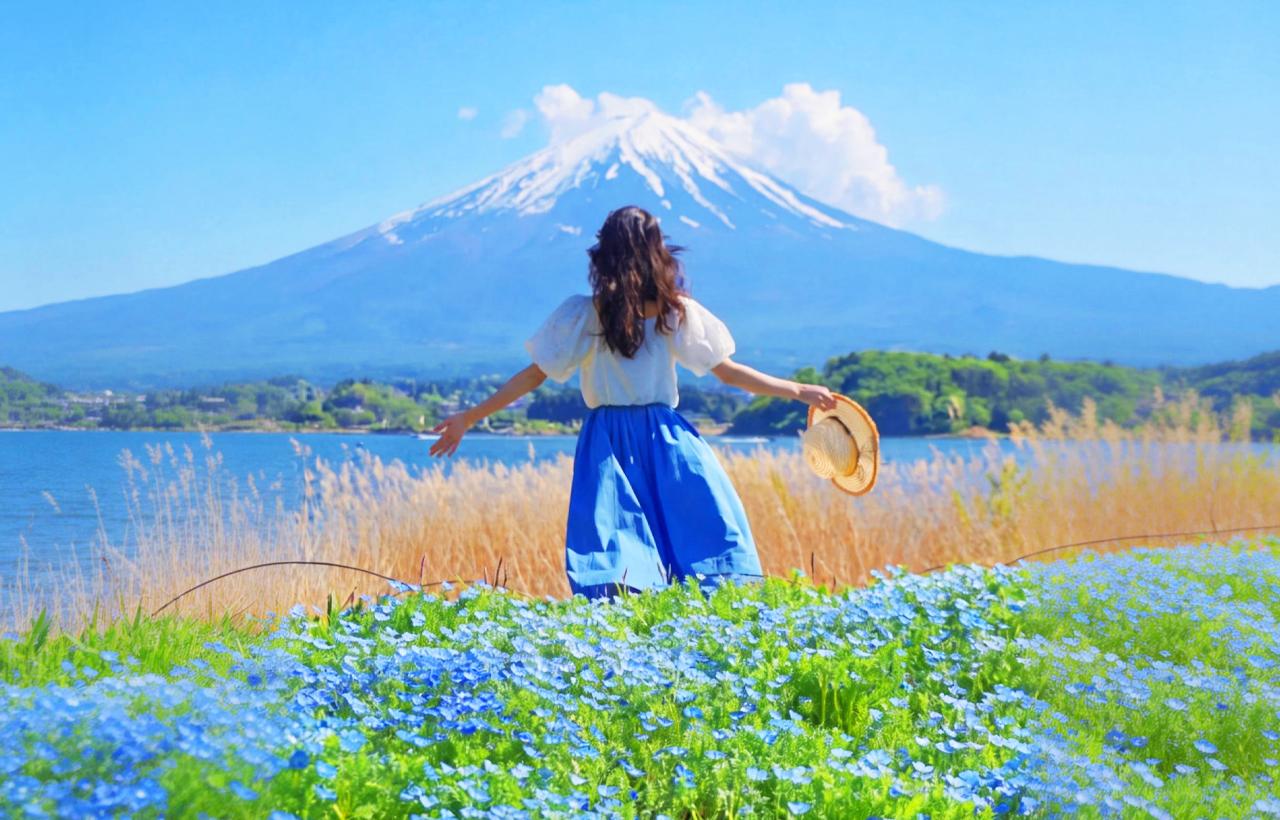
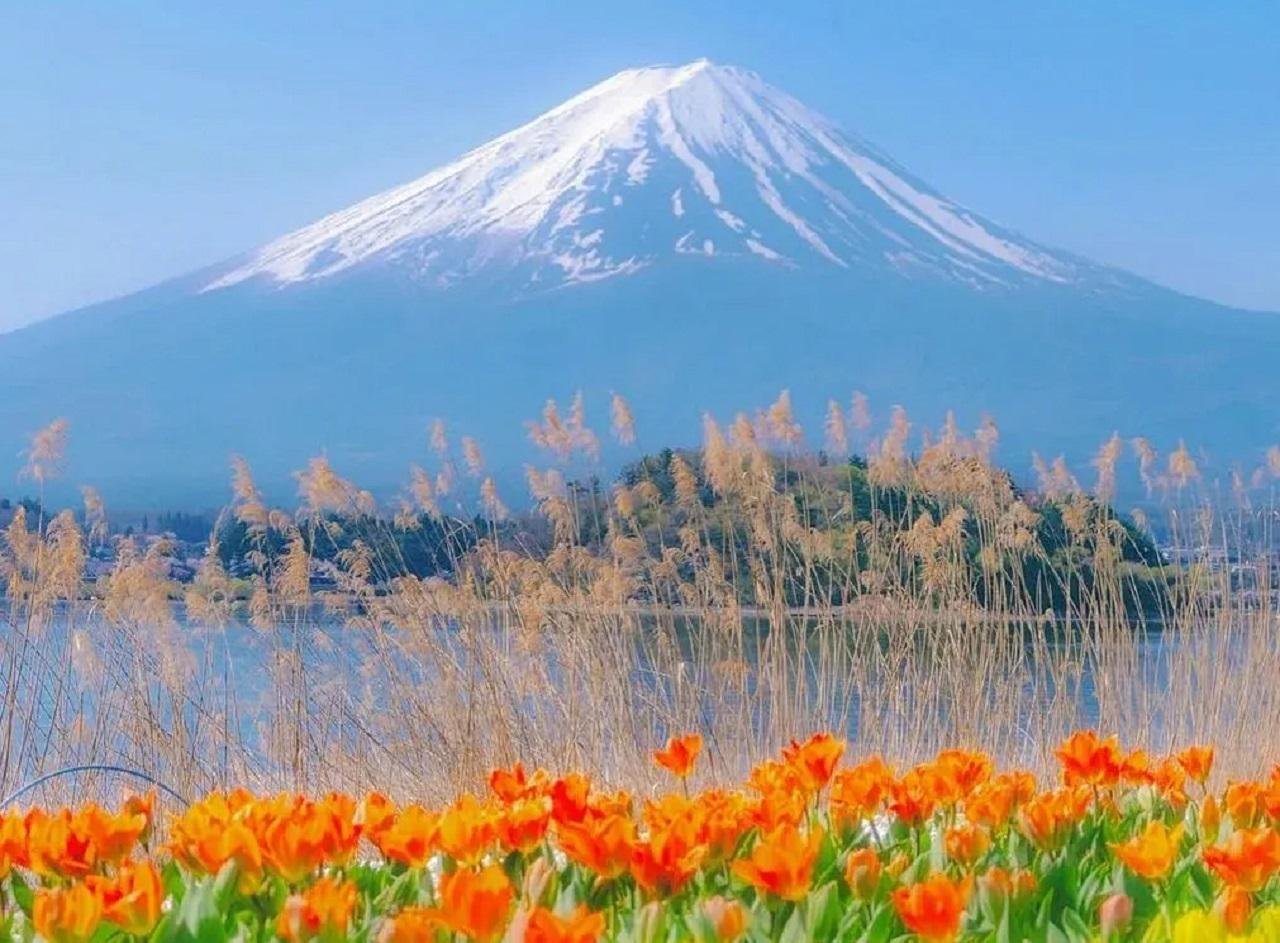
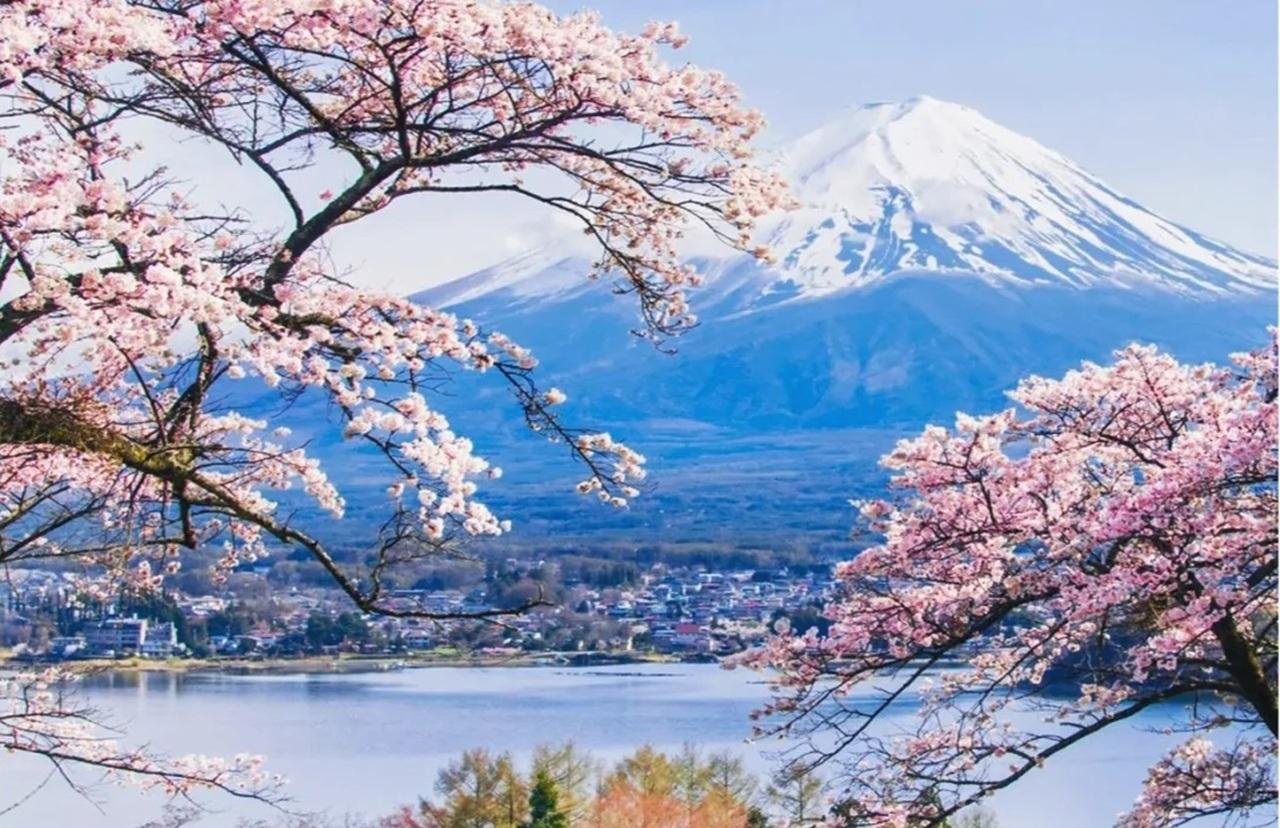
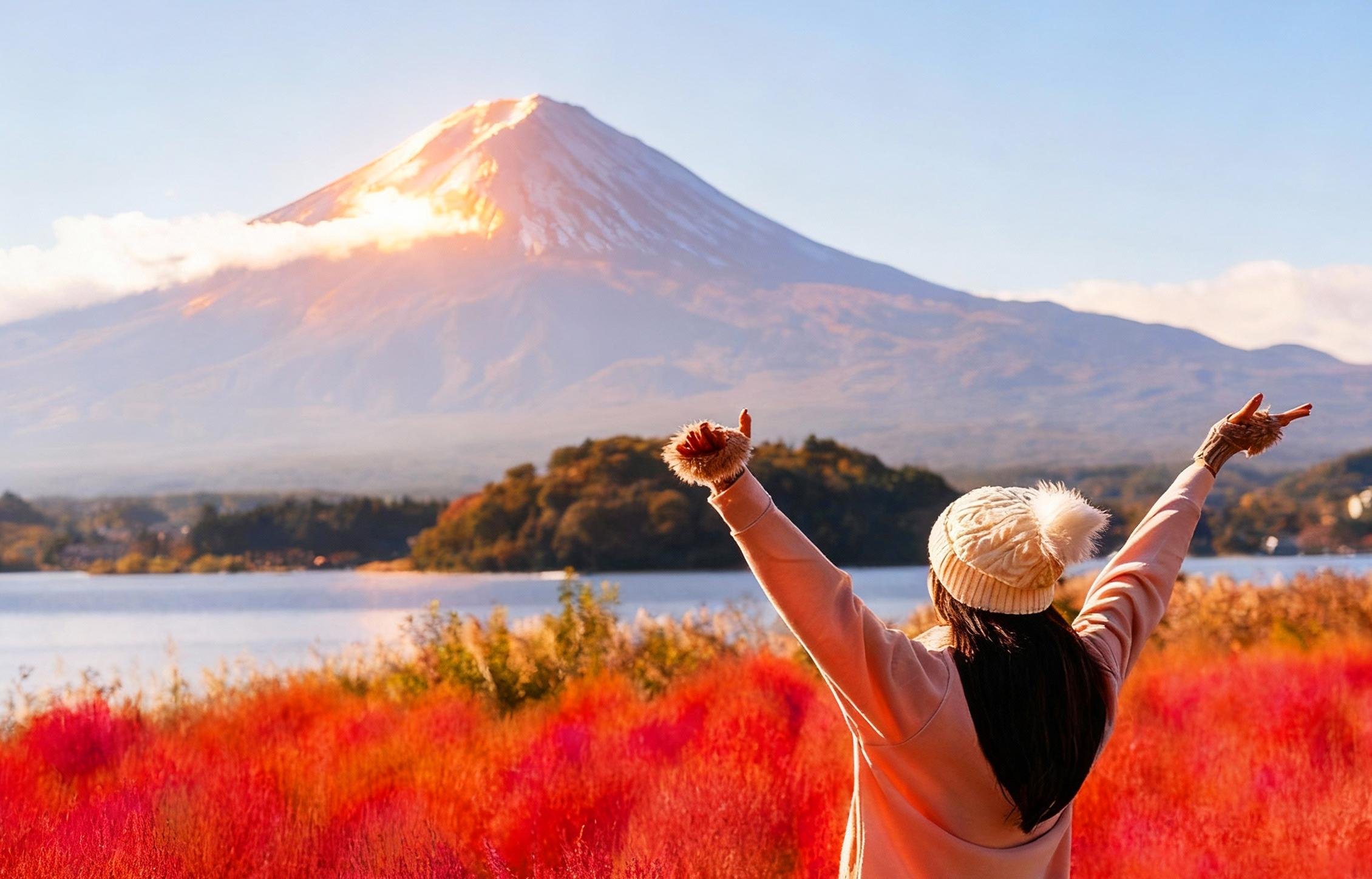
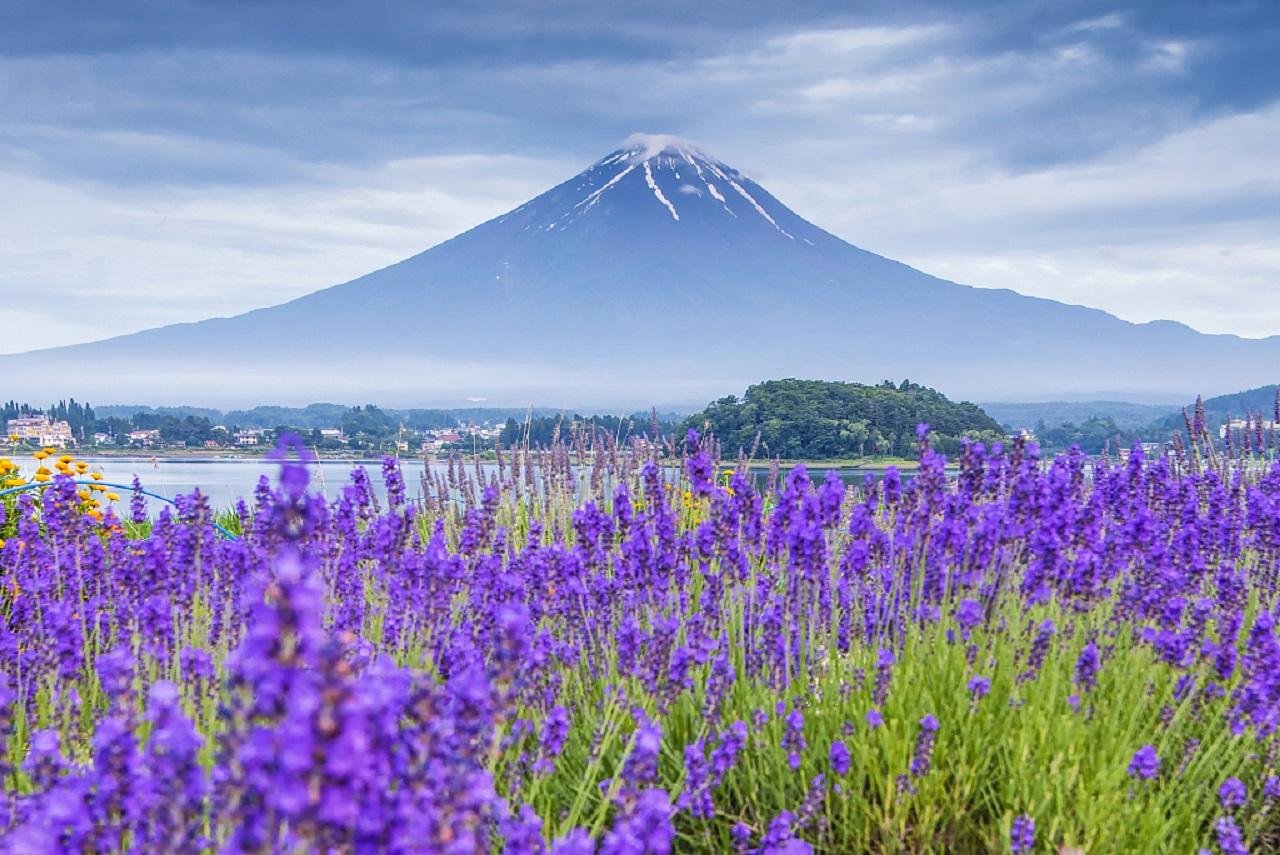
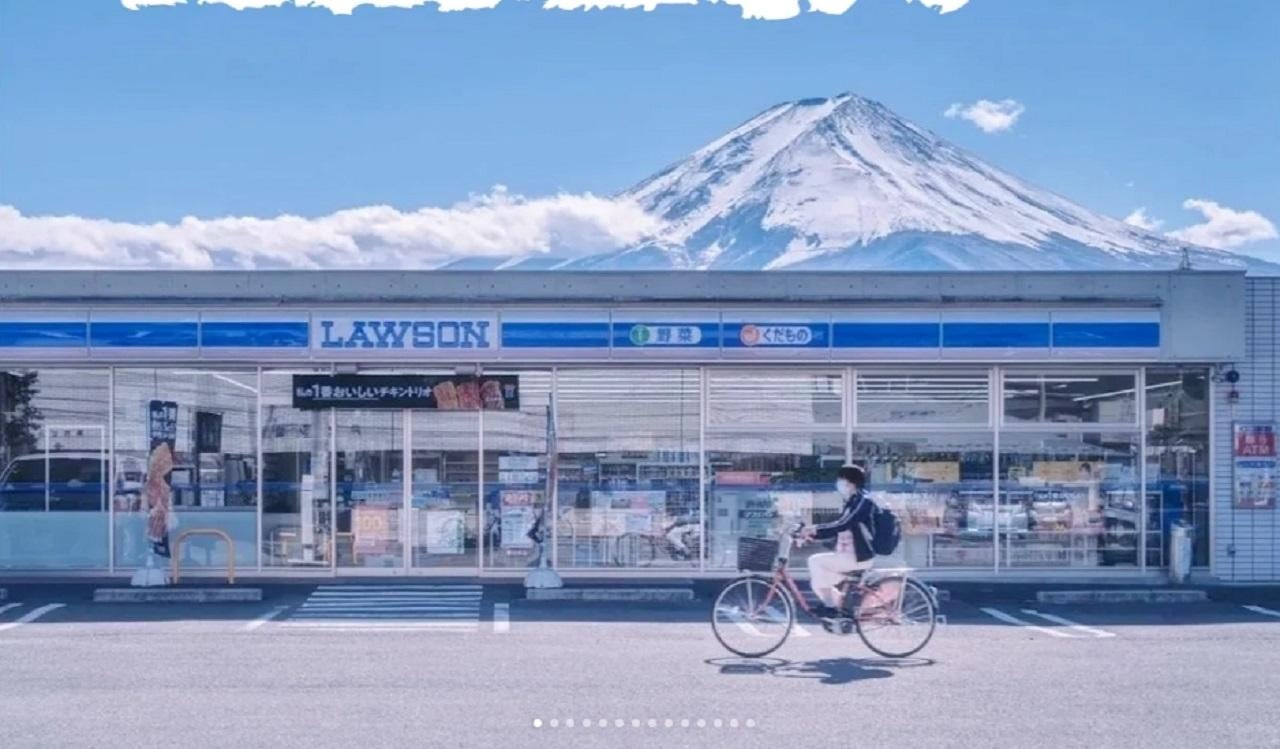
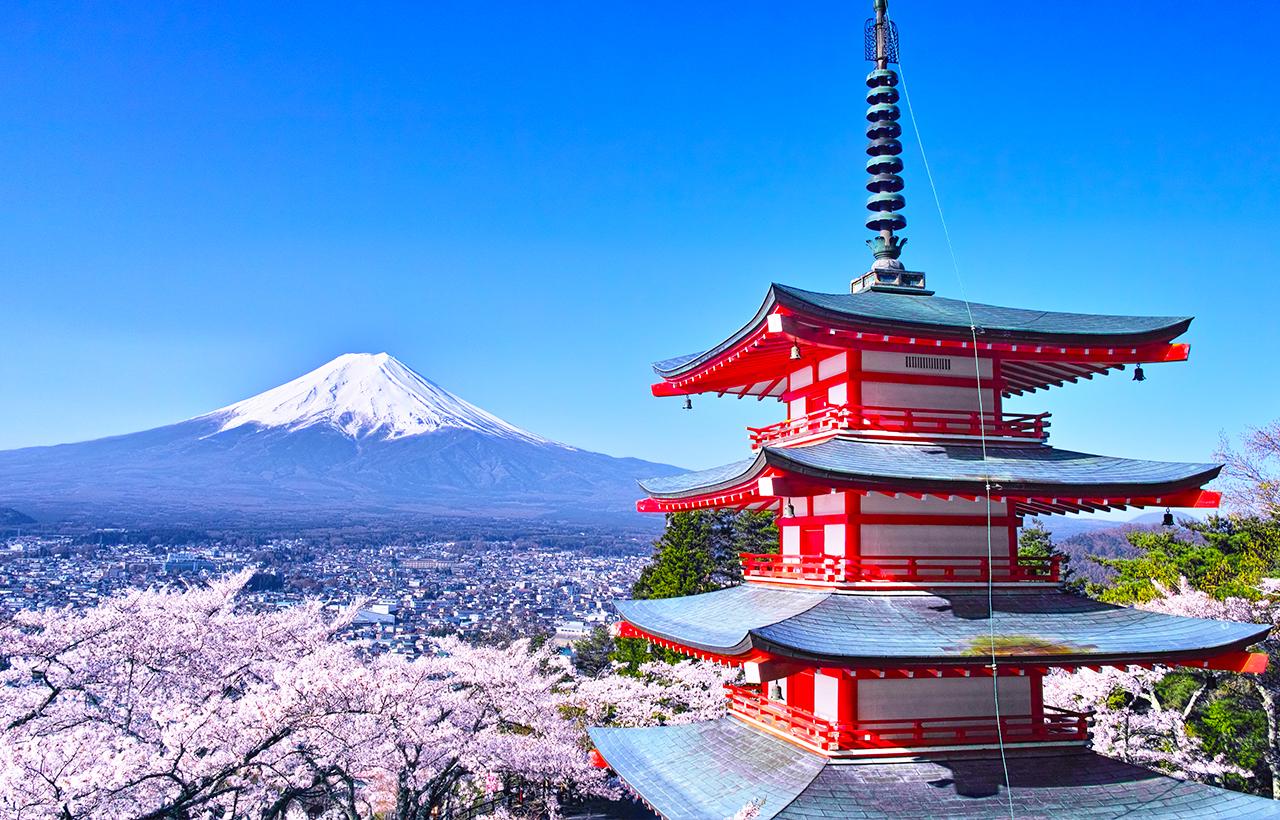
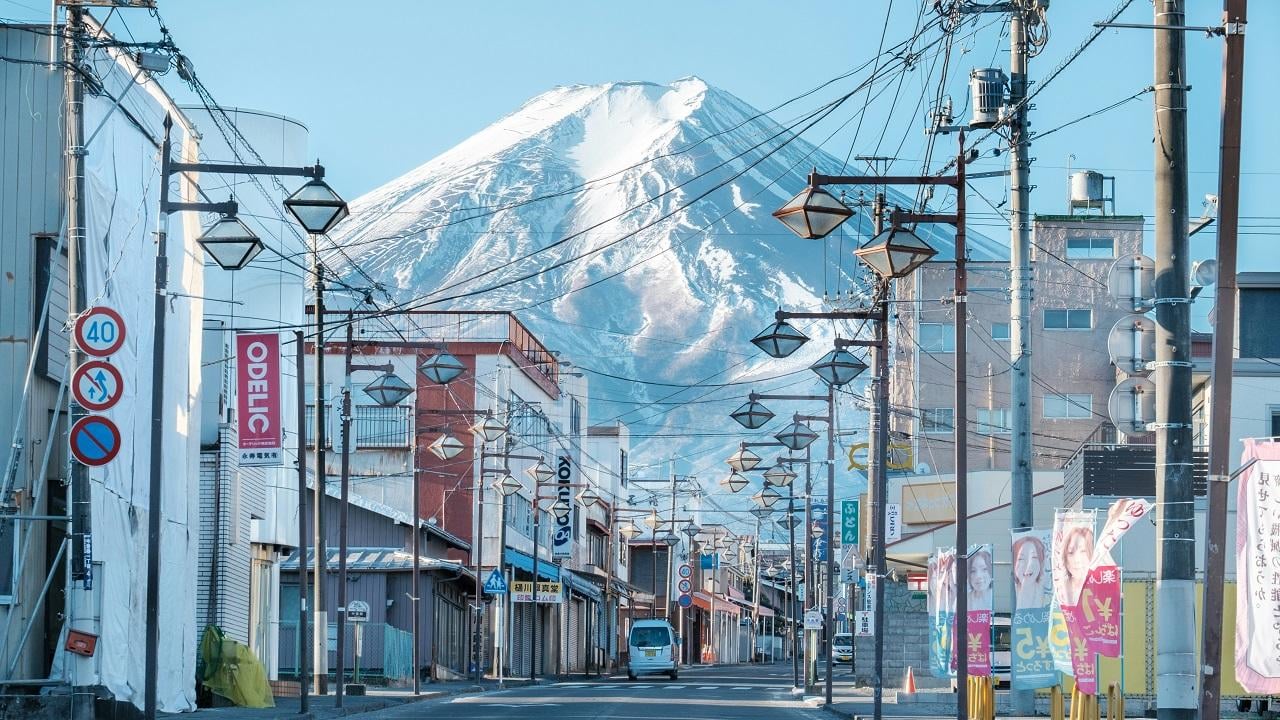
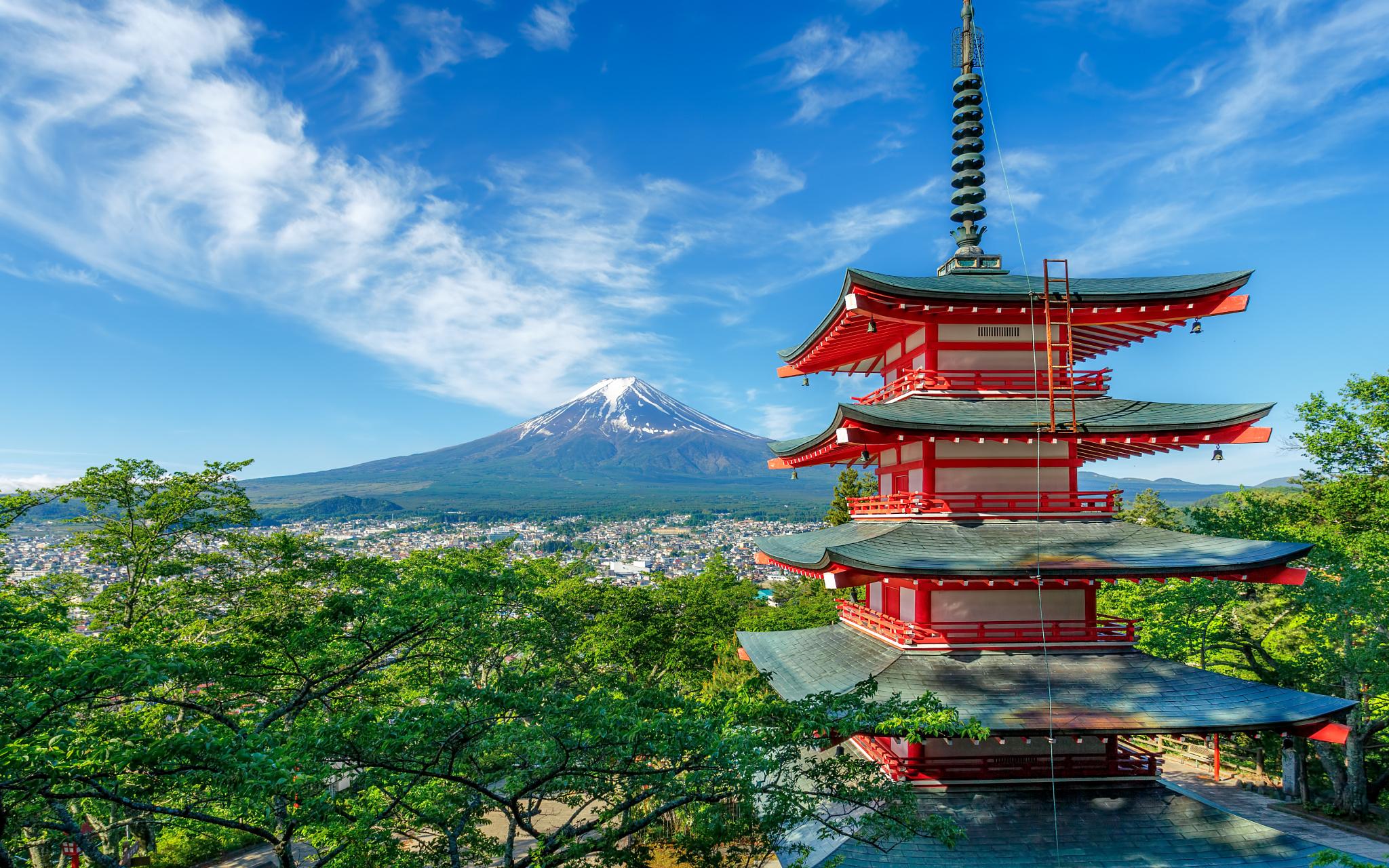
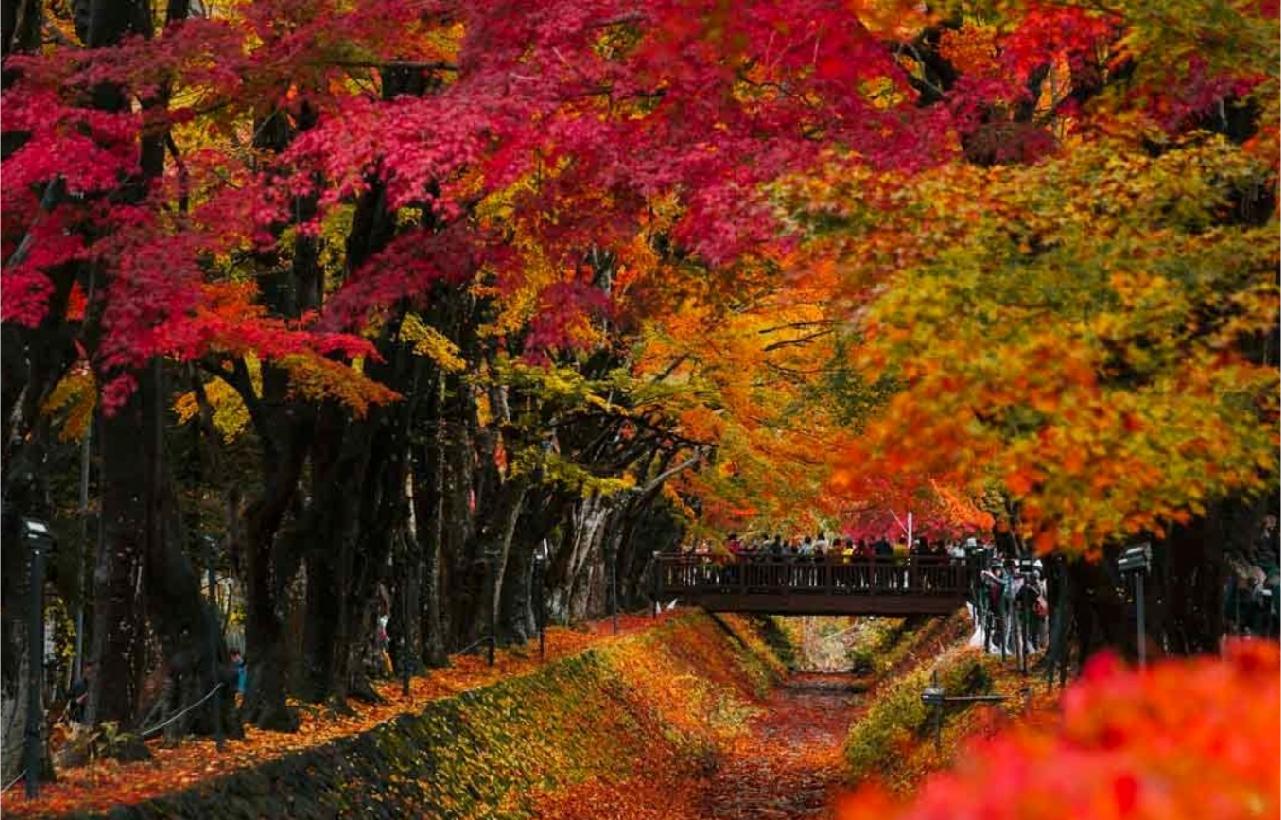
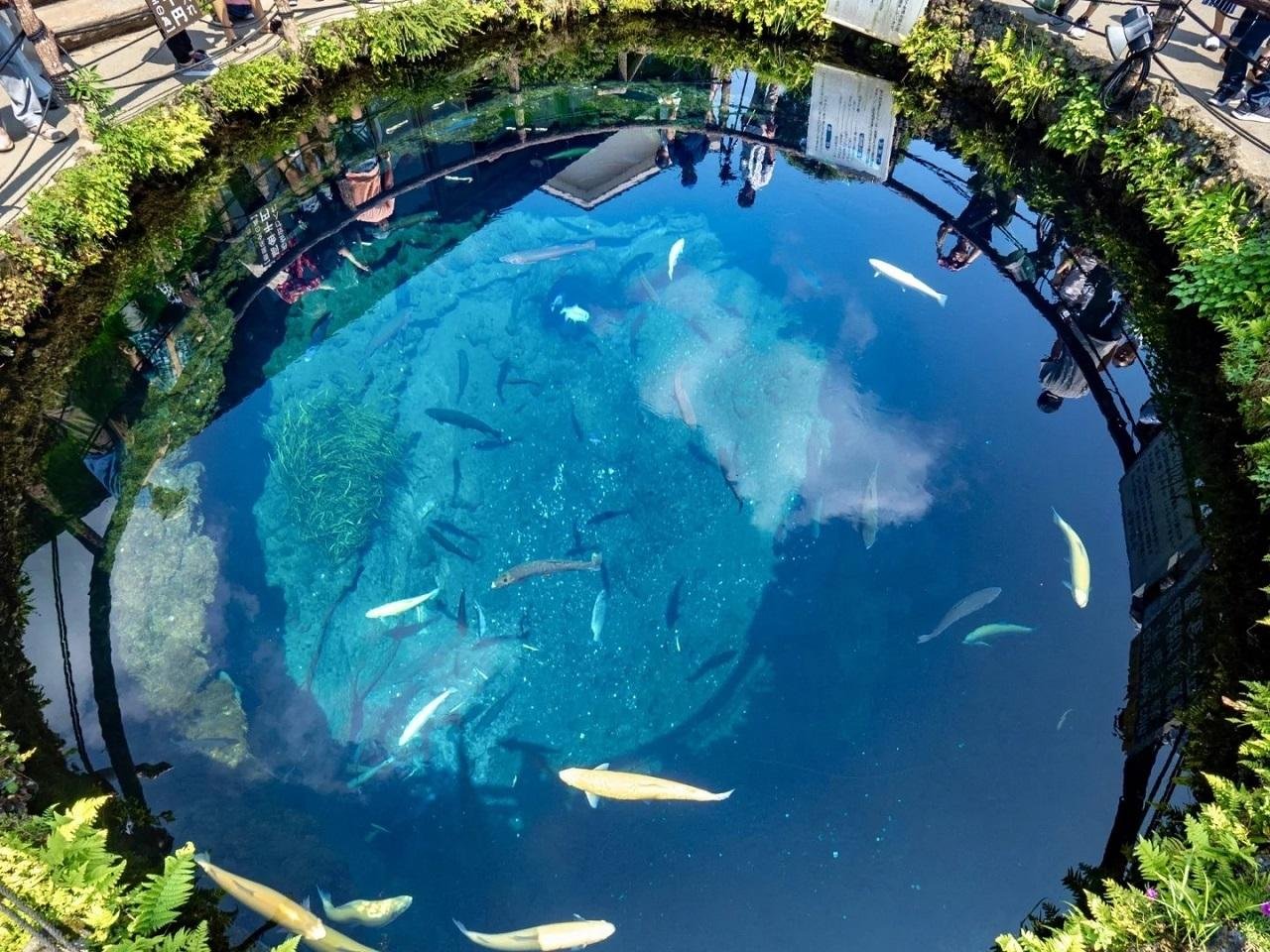
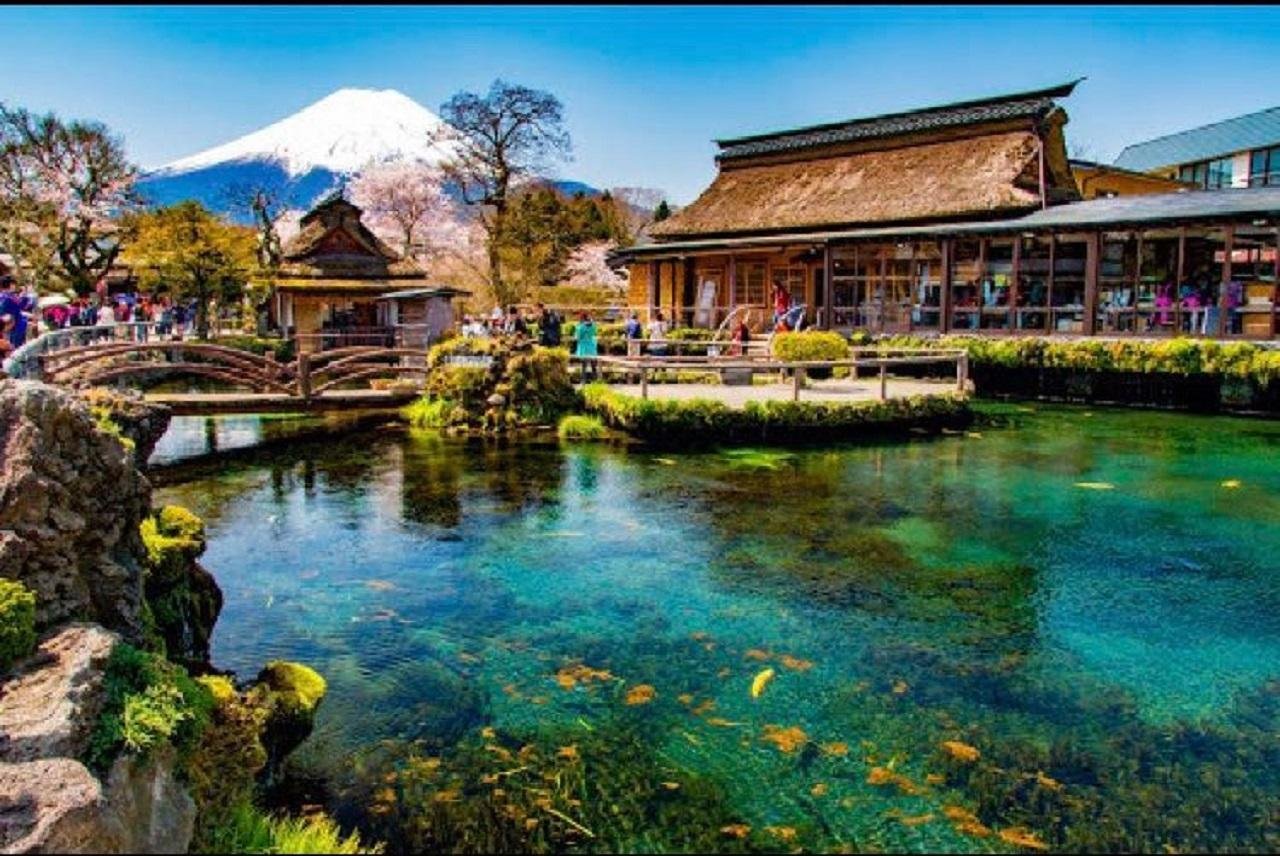
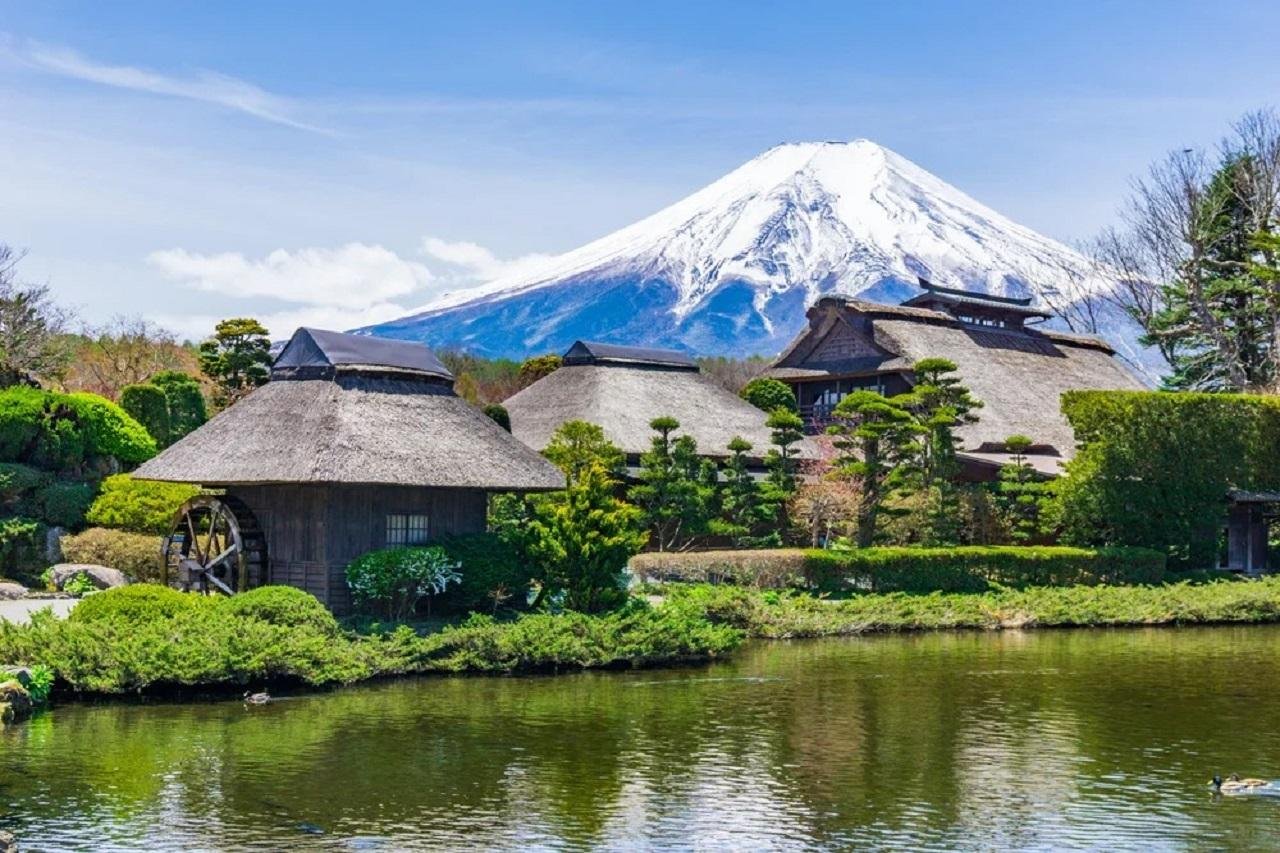
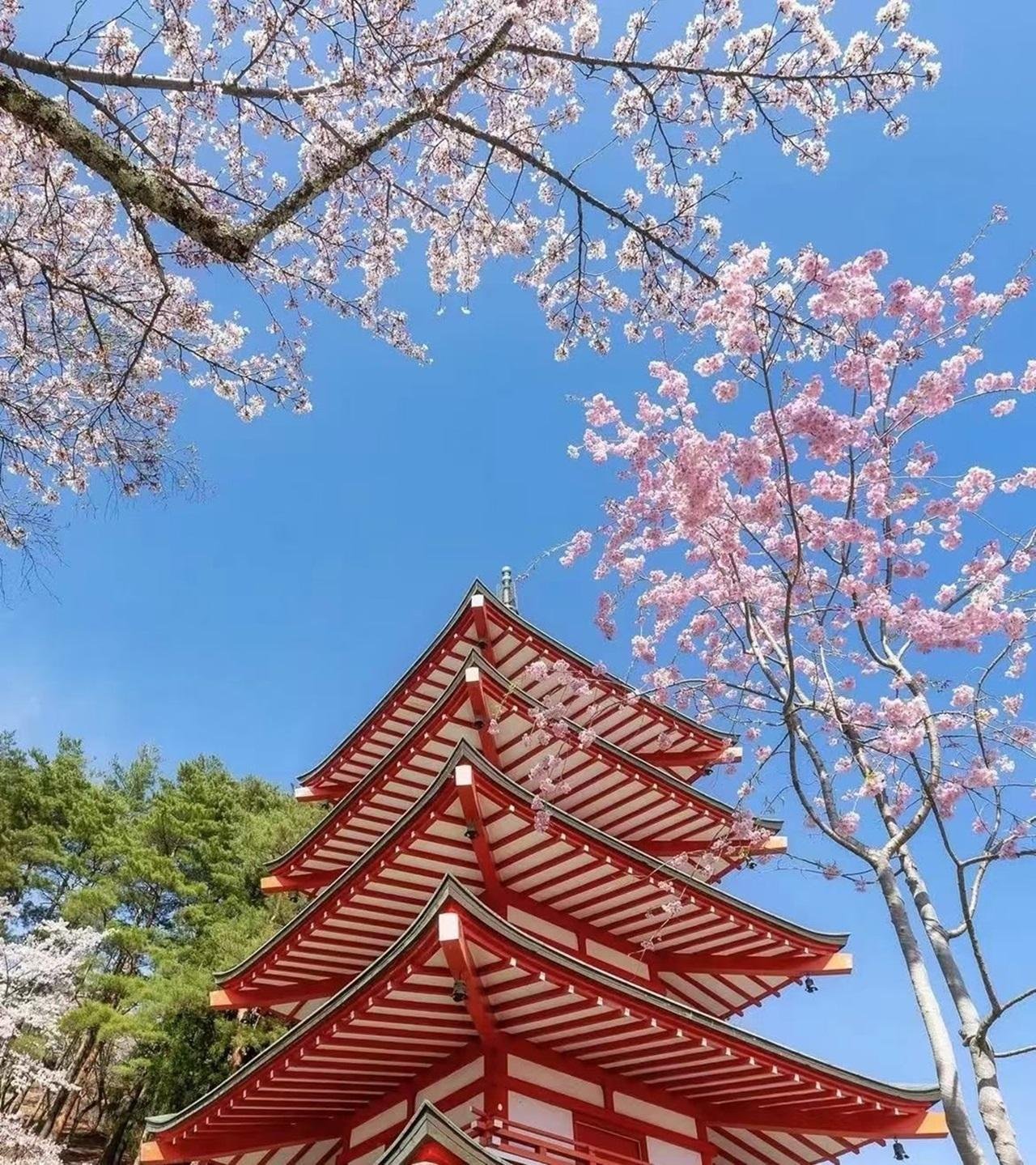
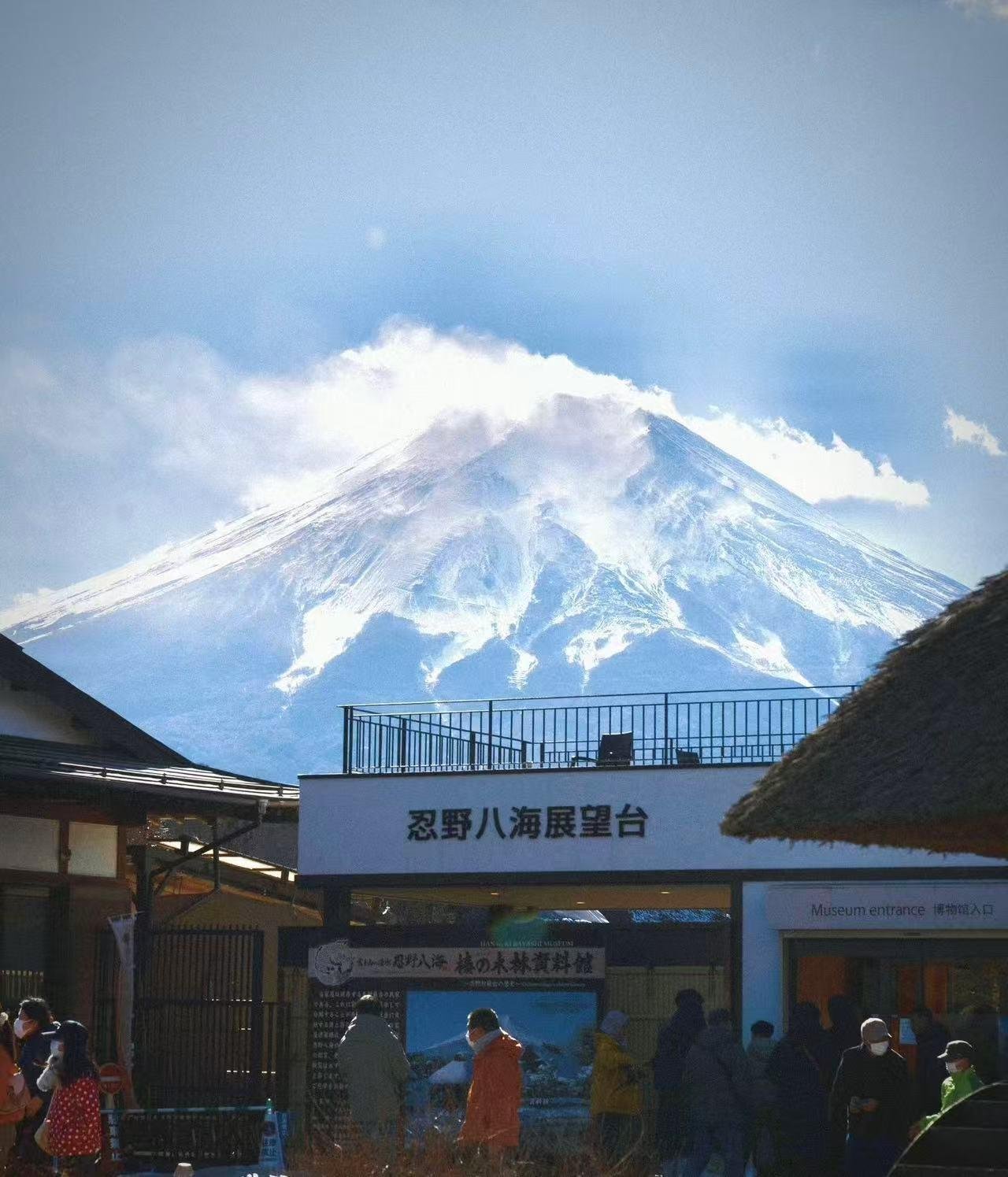
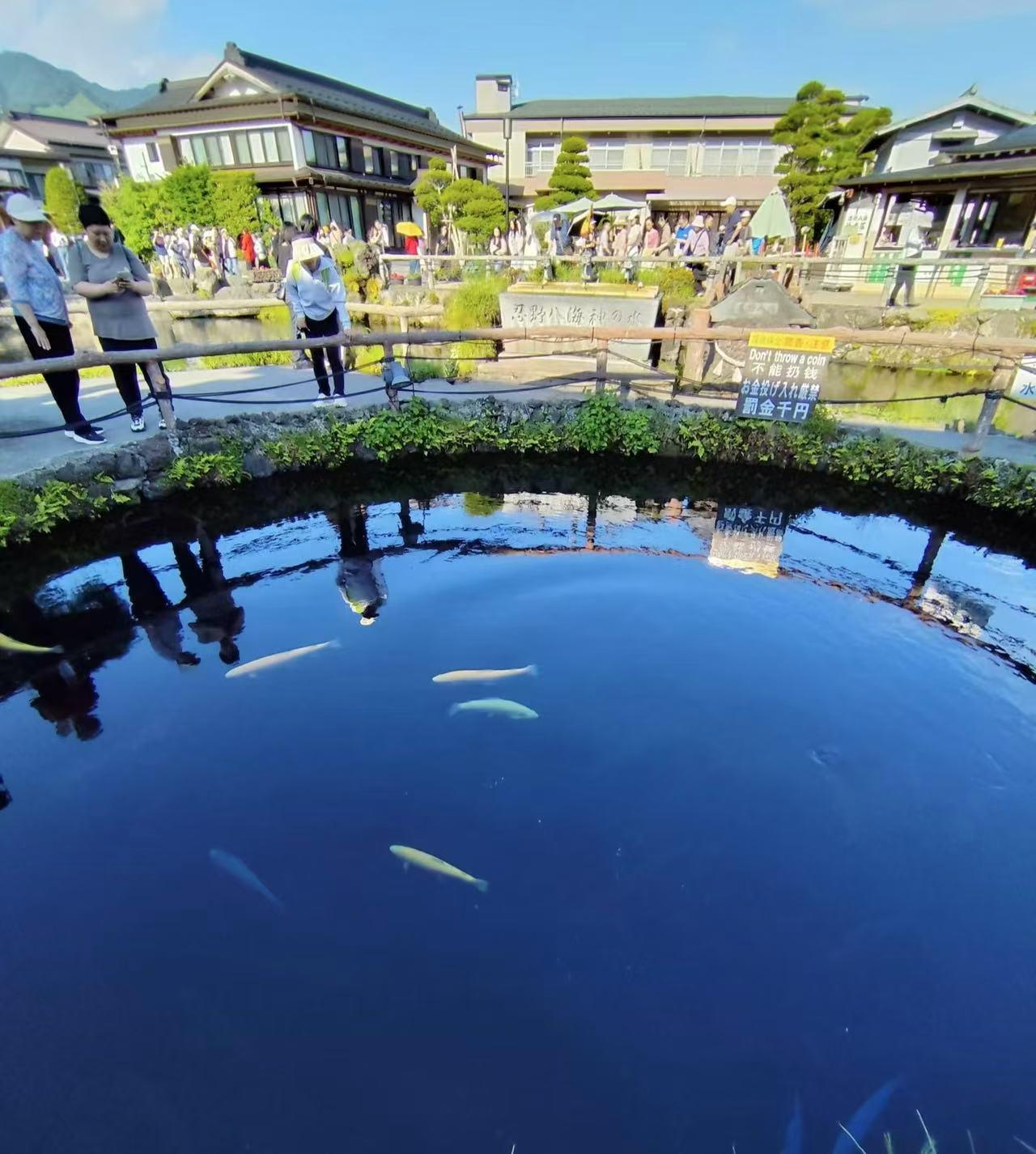
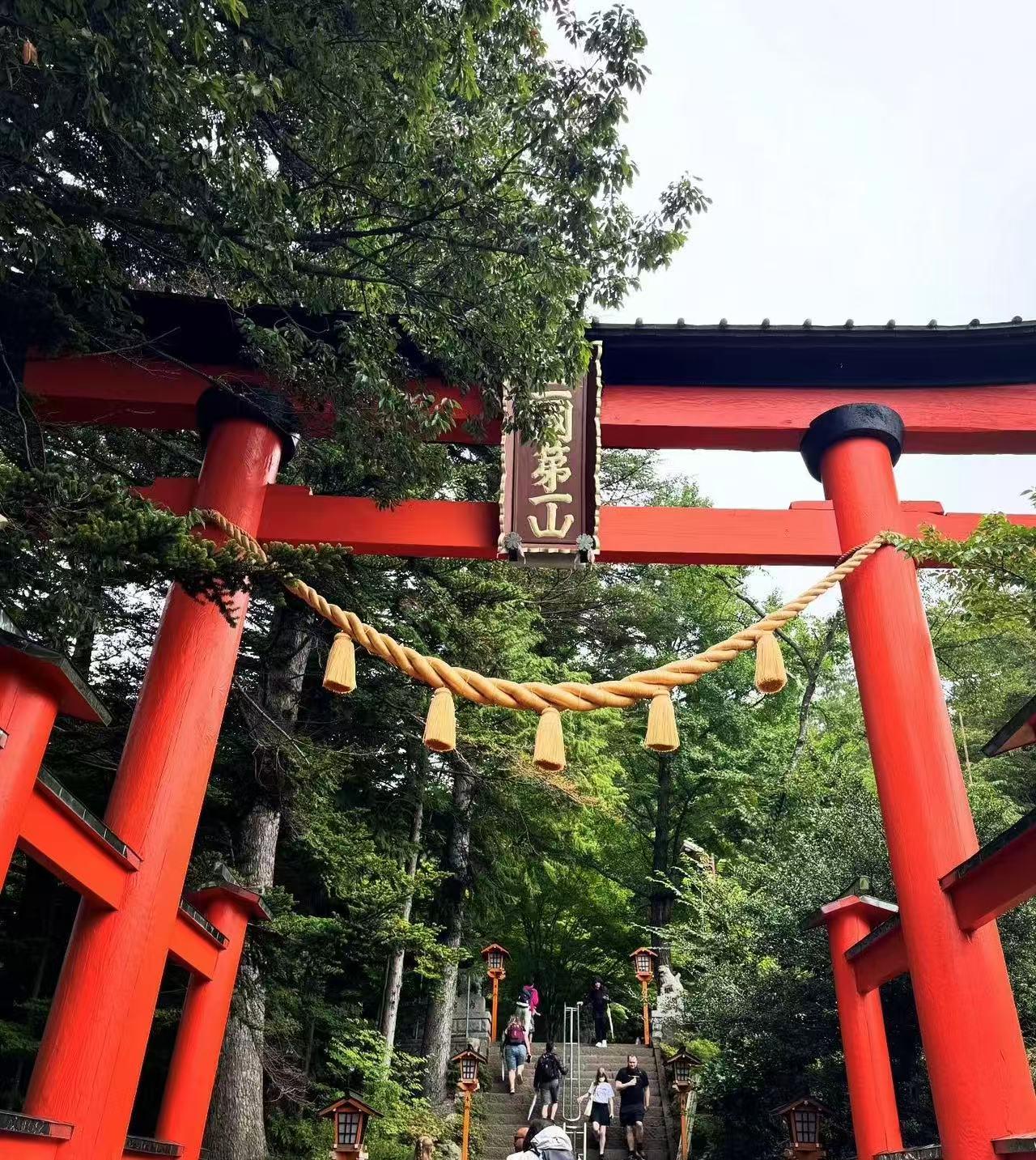
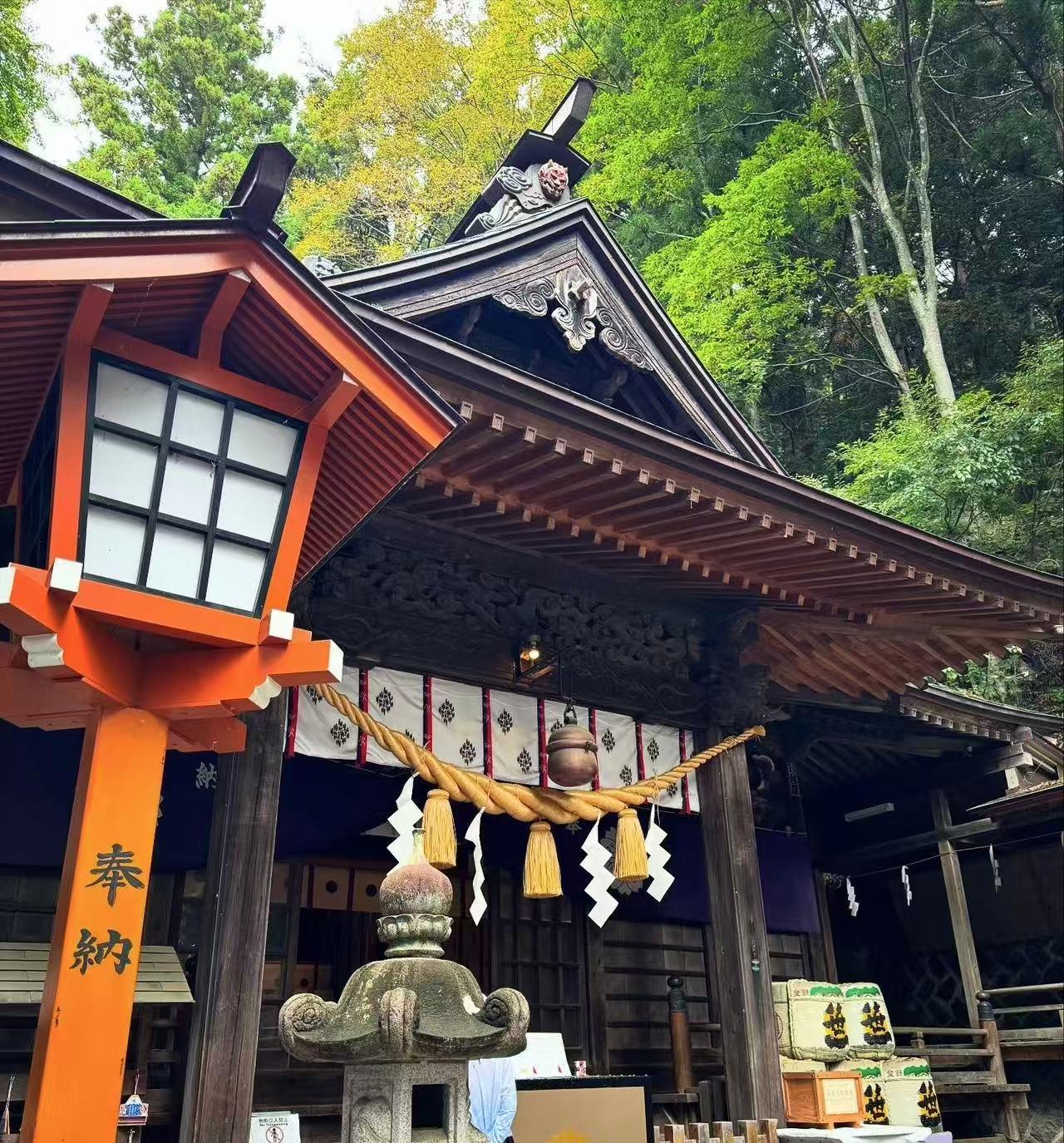
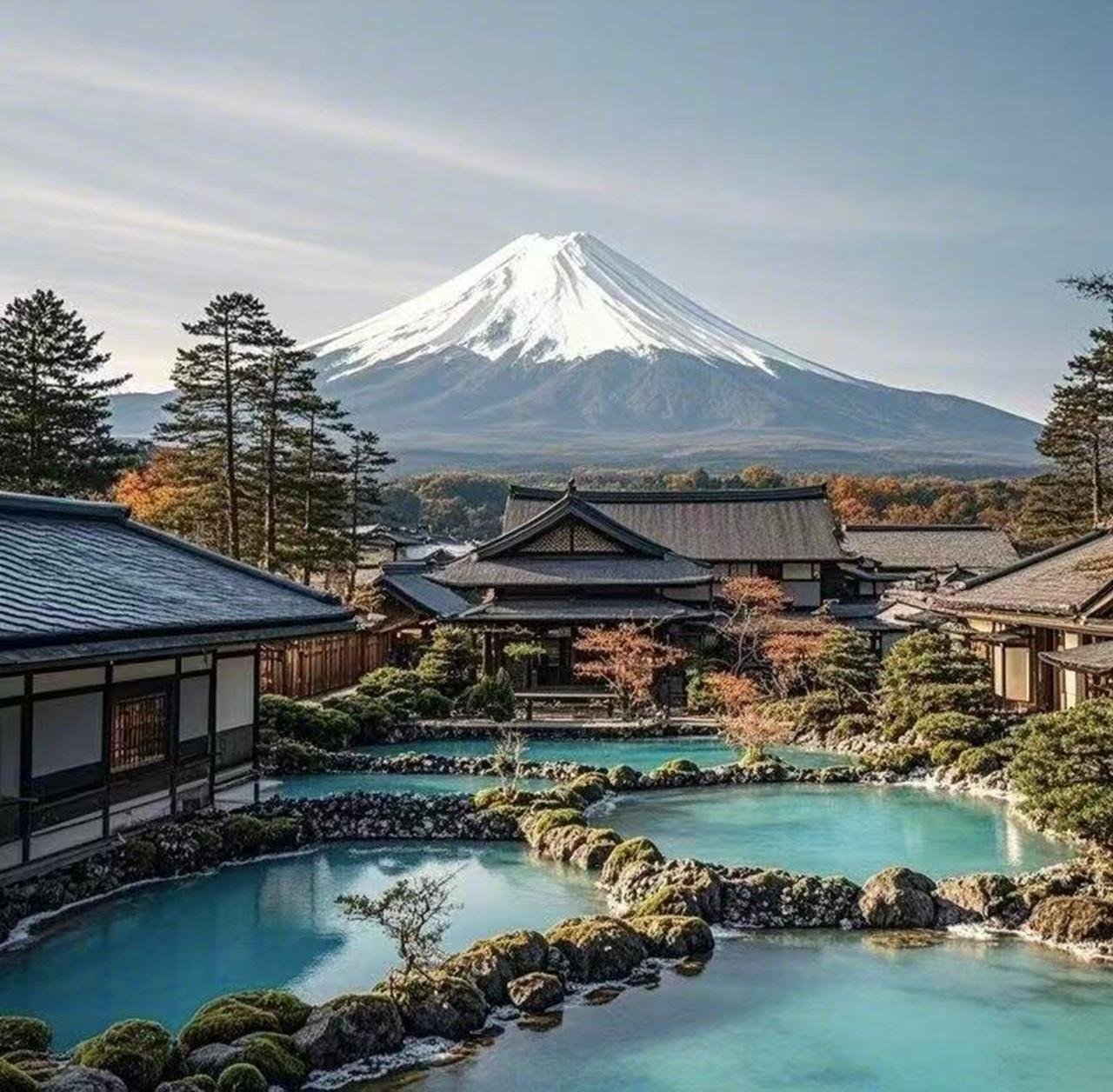
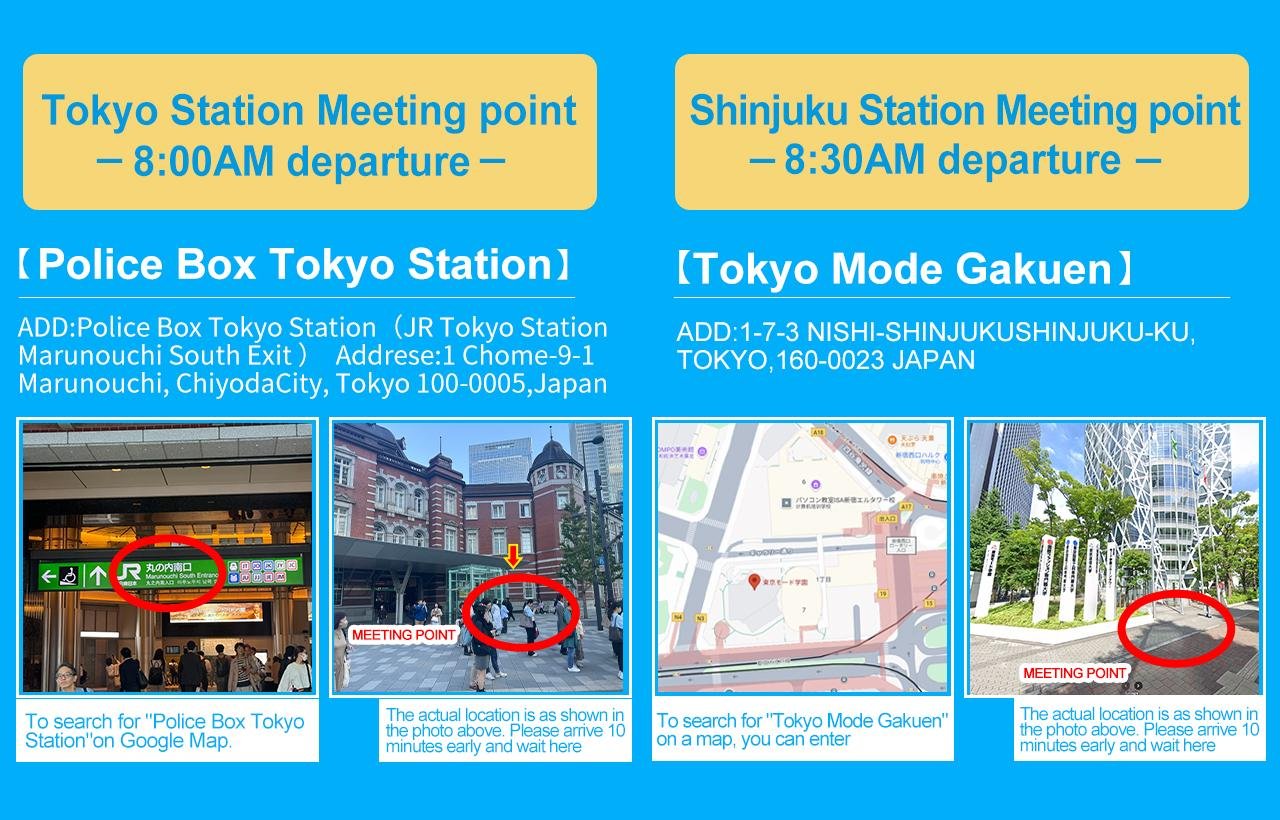
Chase iconic Fuji views across five legendary spots — from pagoda peaks to crystal springs — in one guided day.
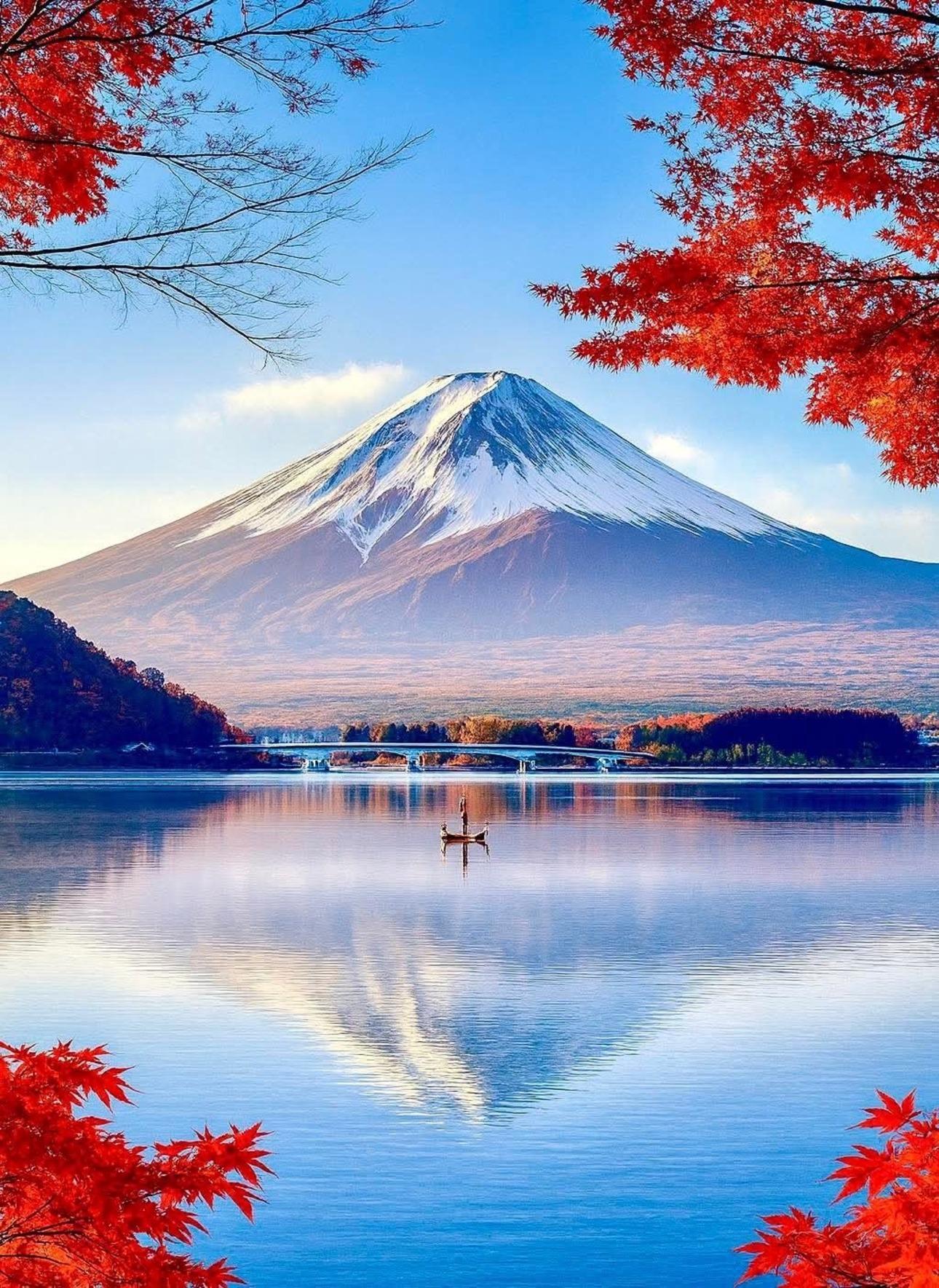
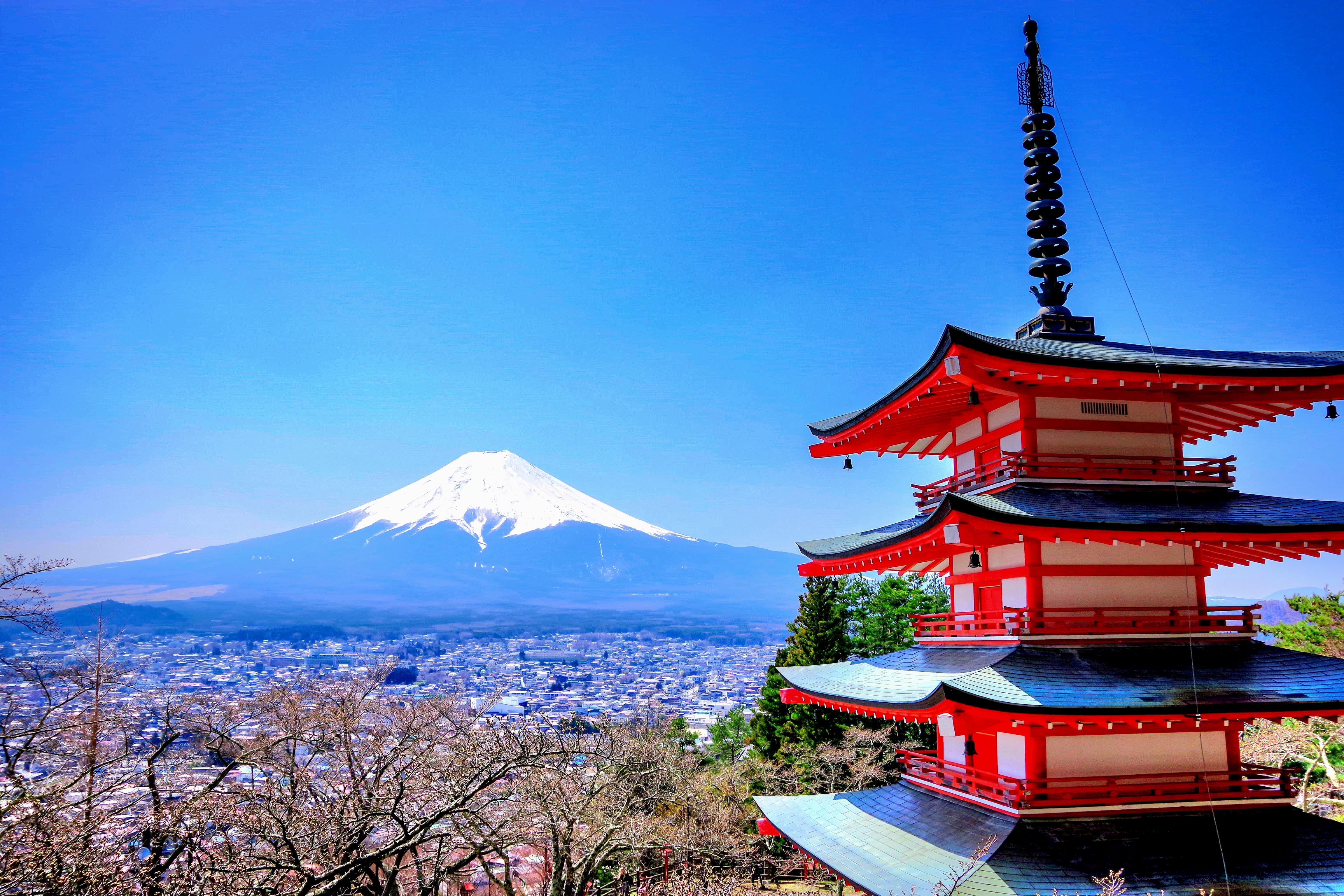
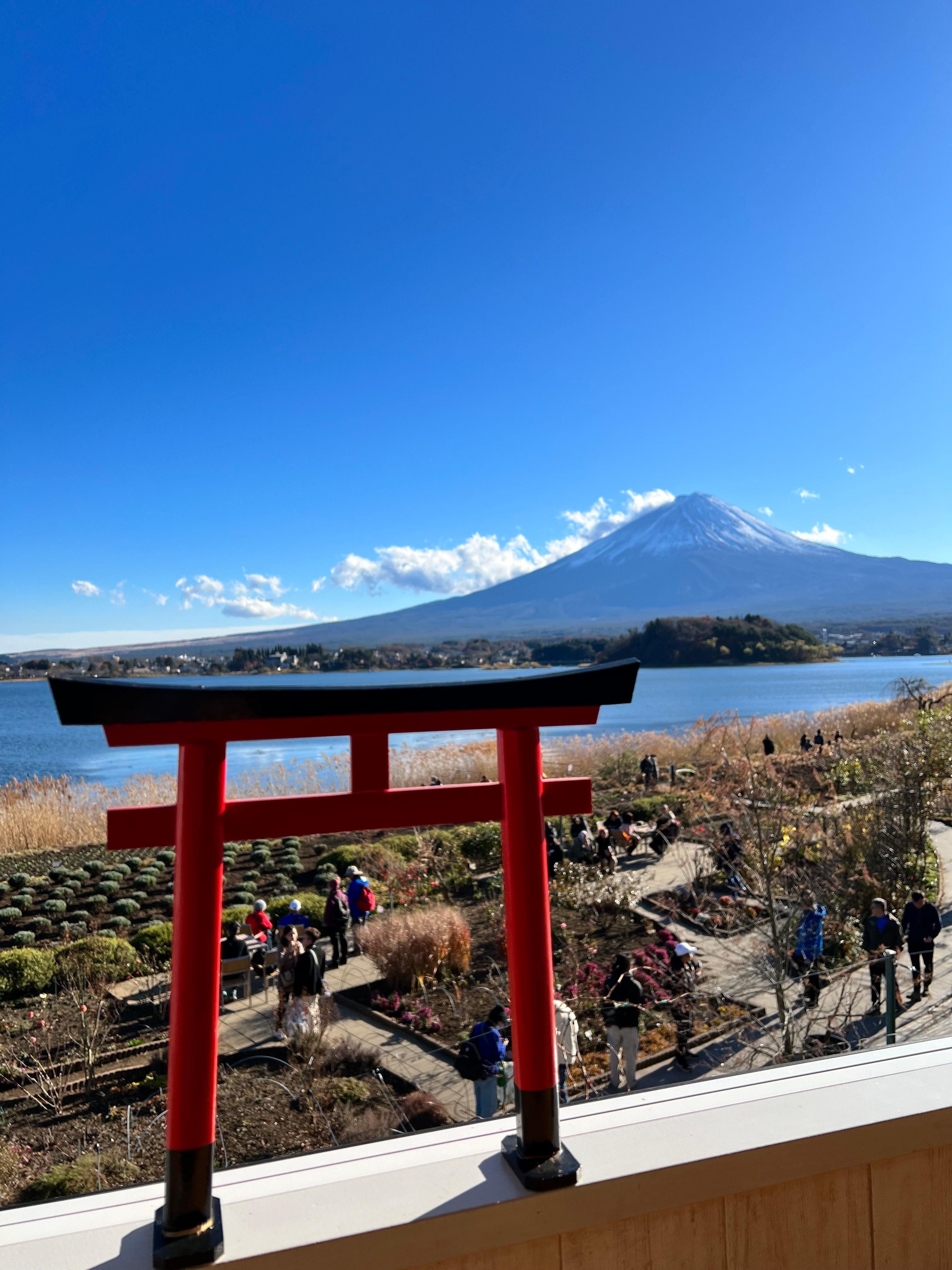
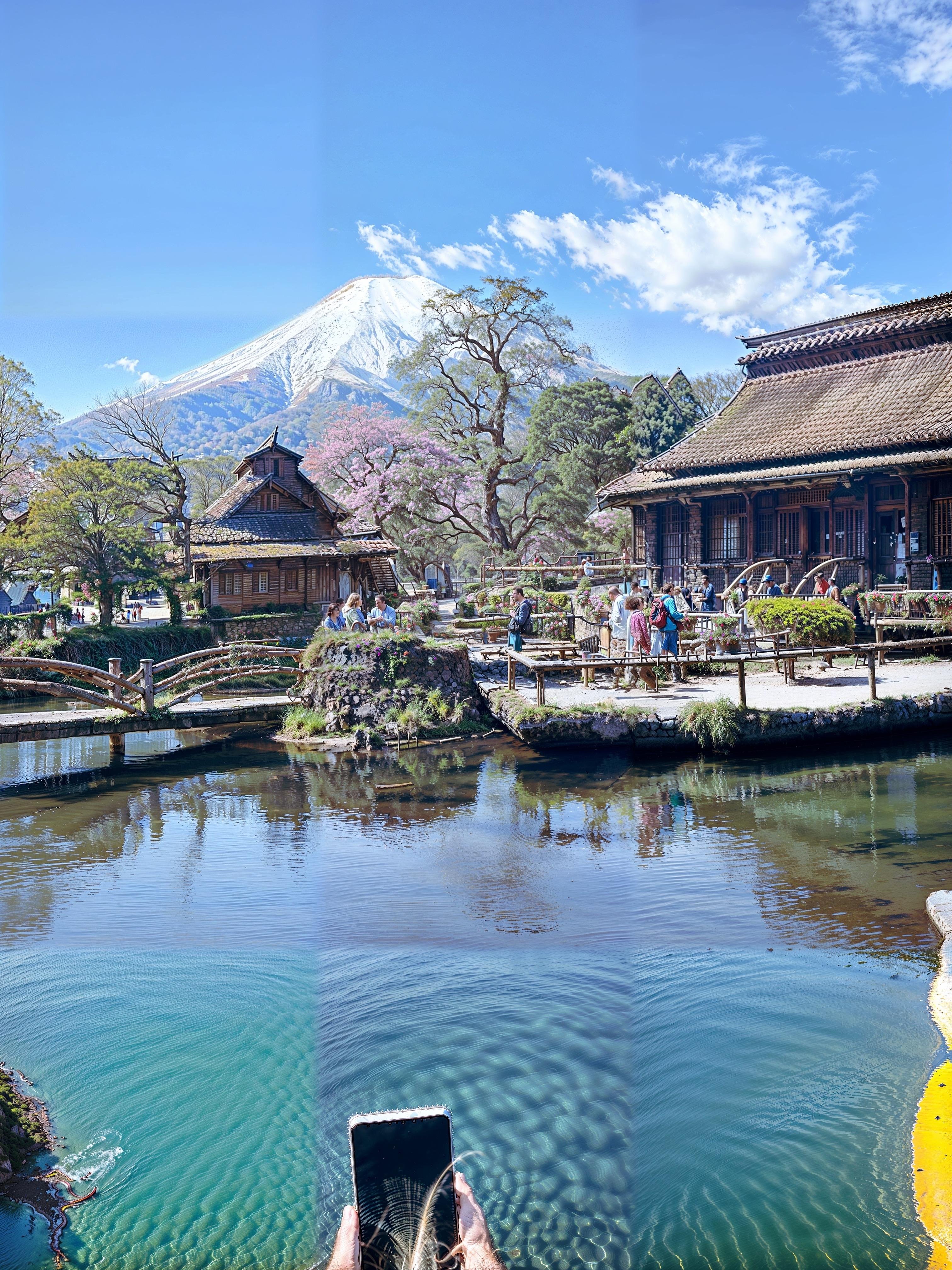
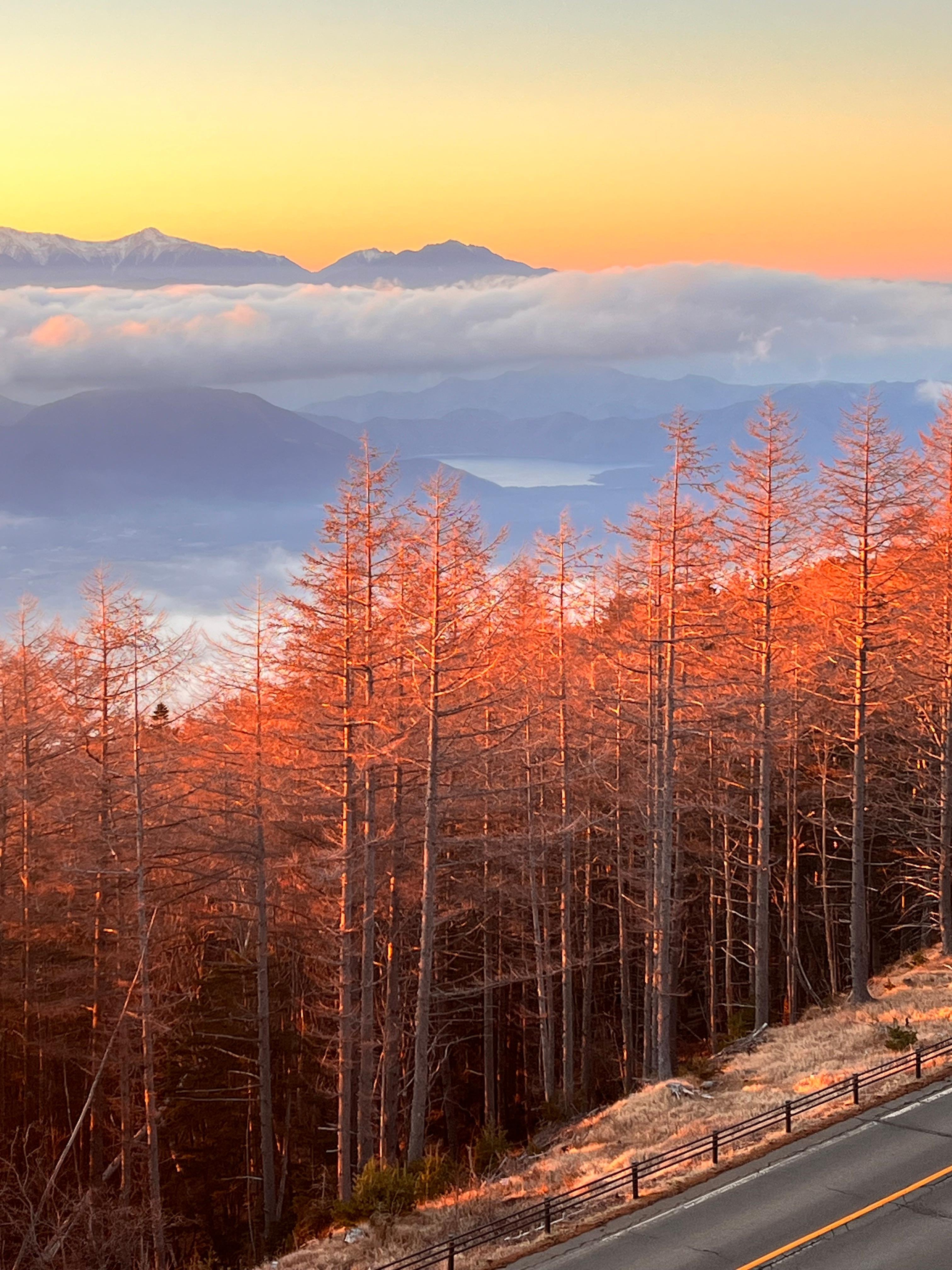
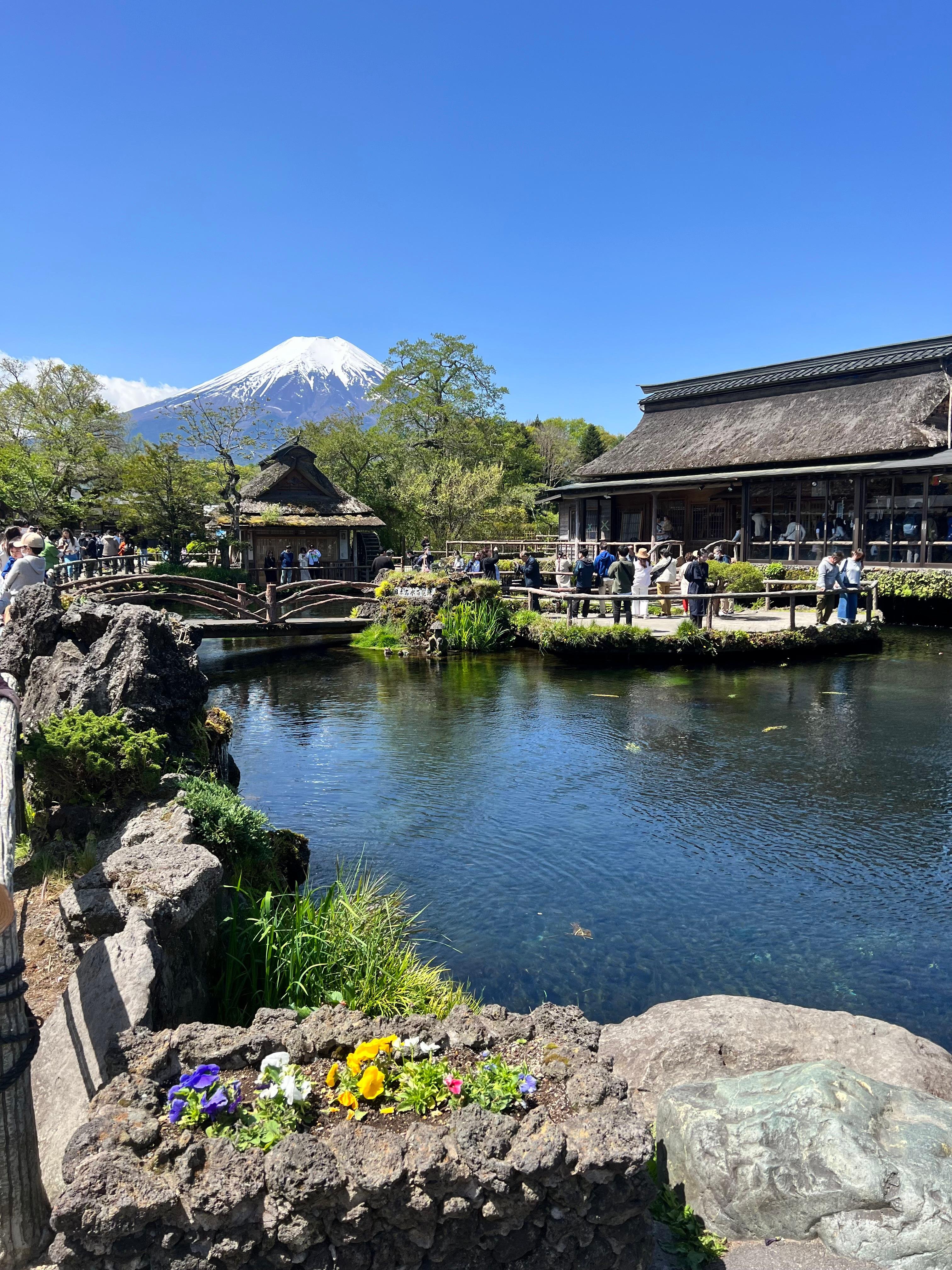
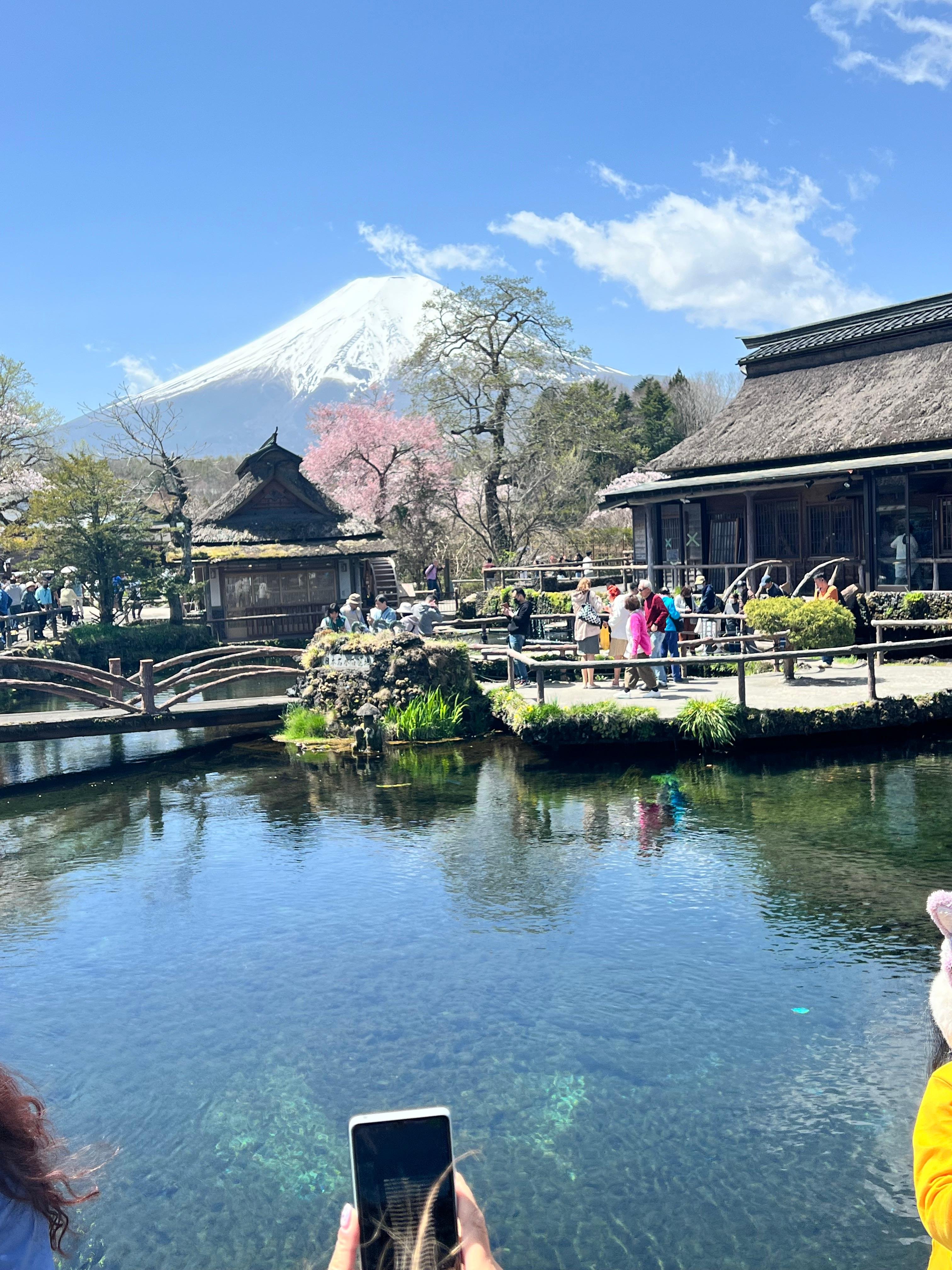
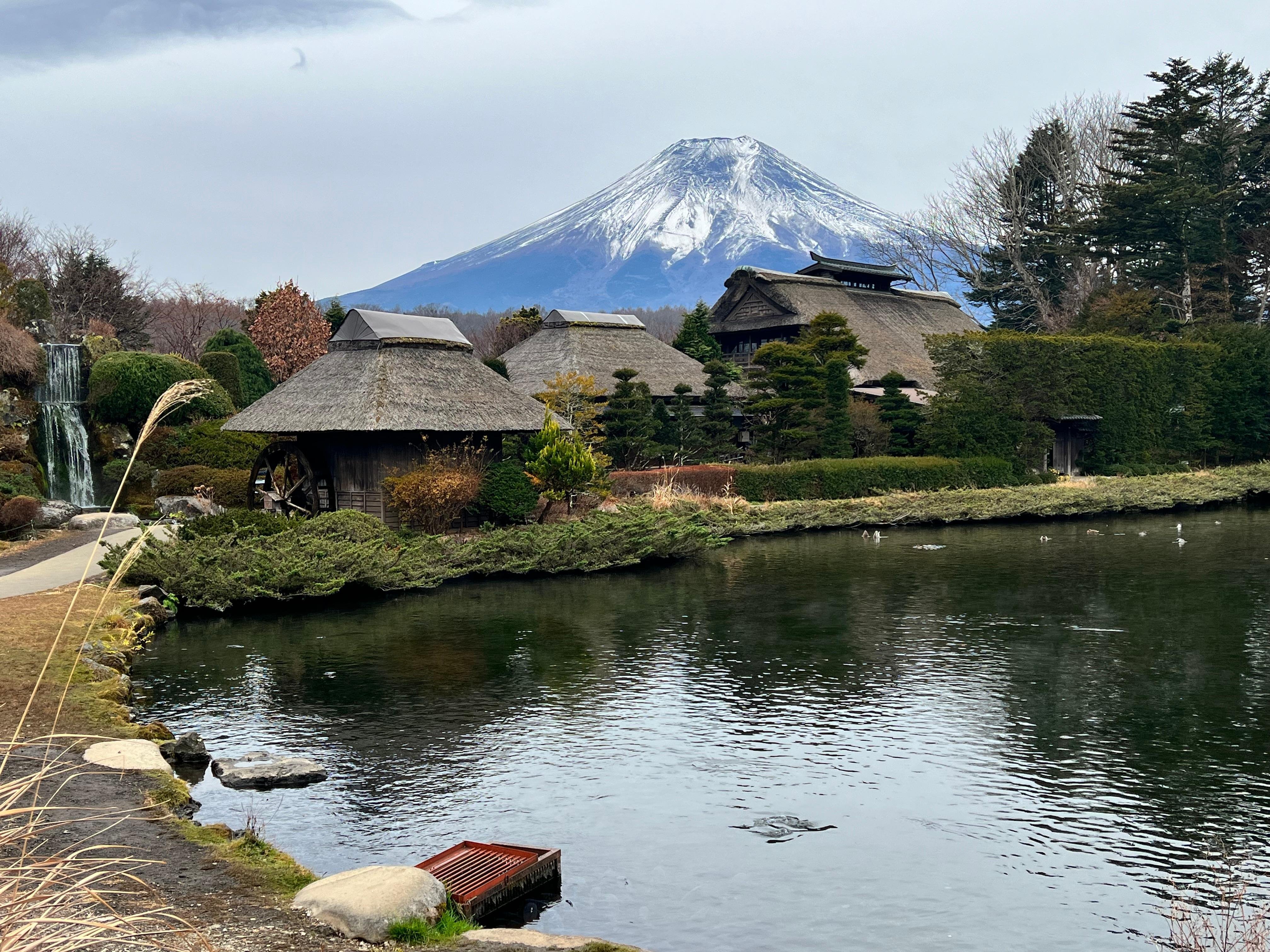
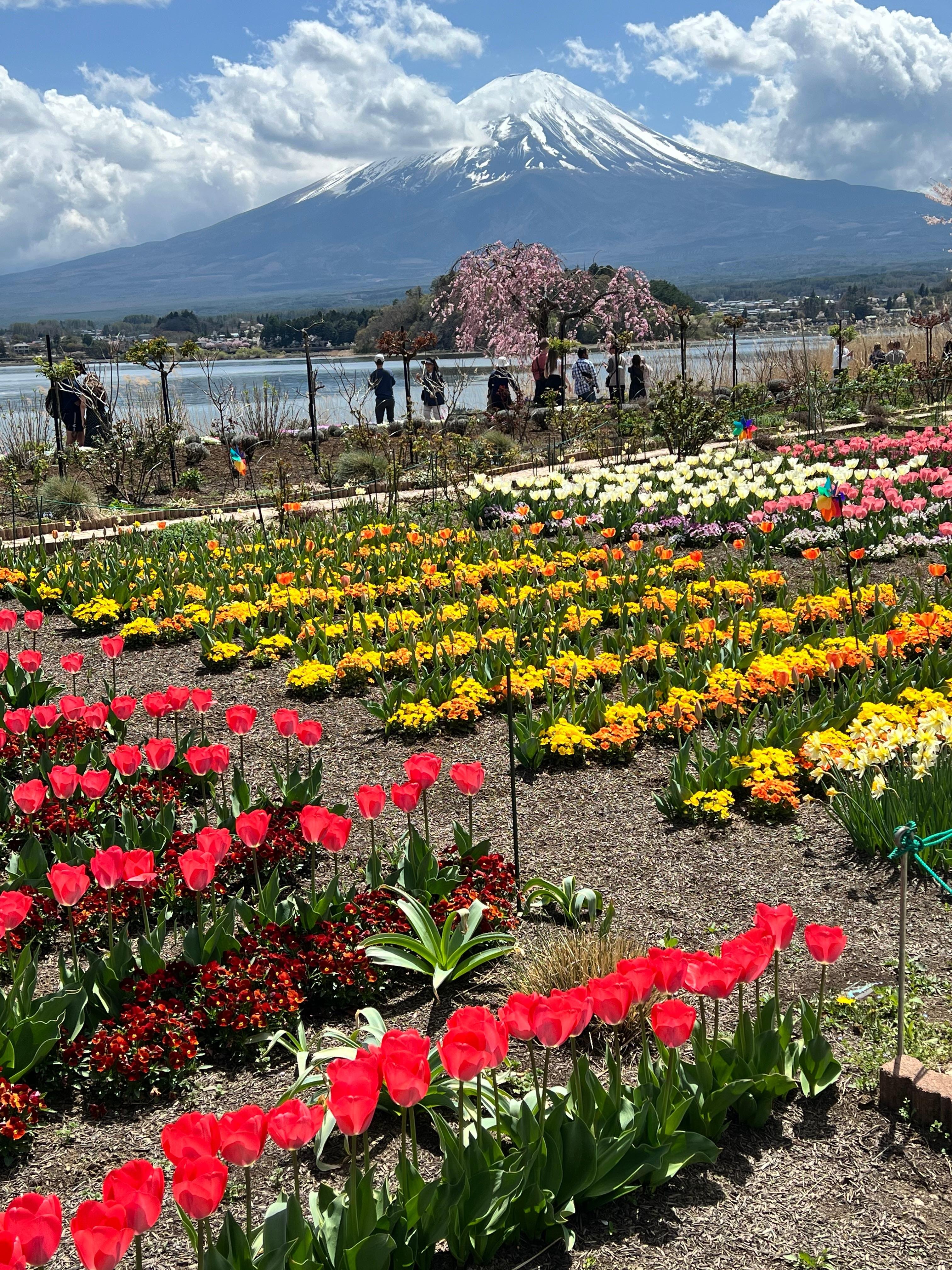
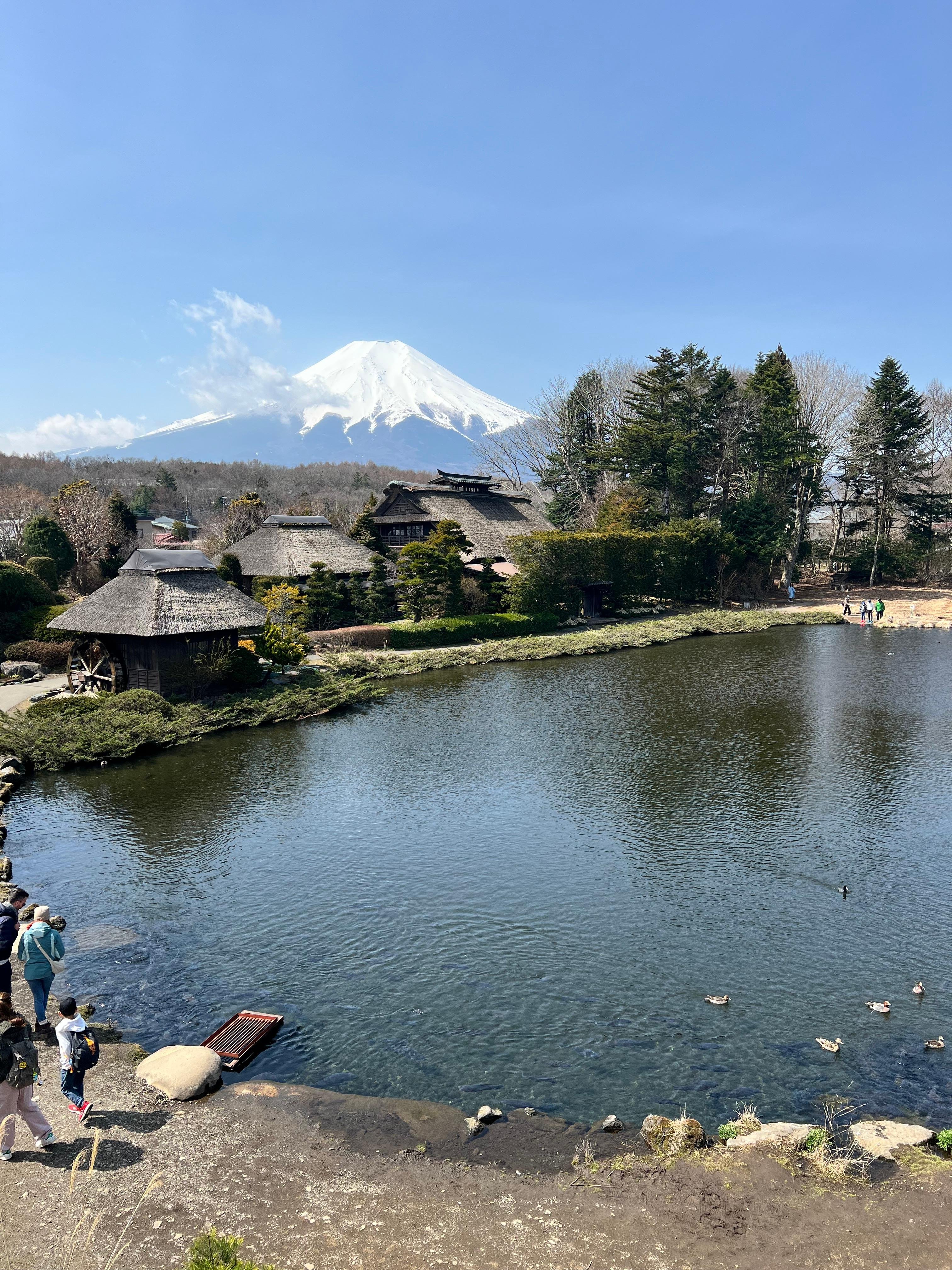
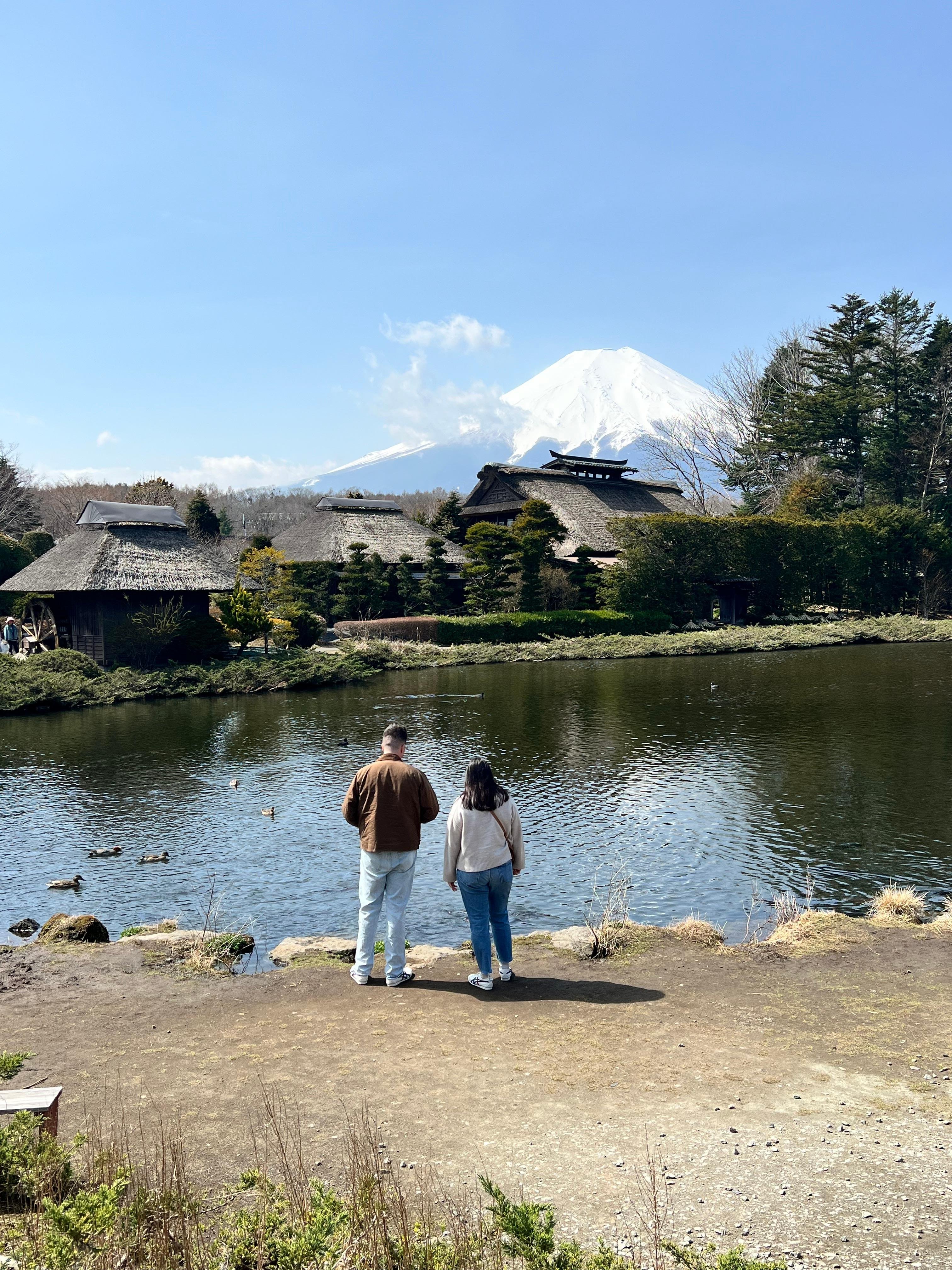
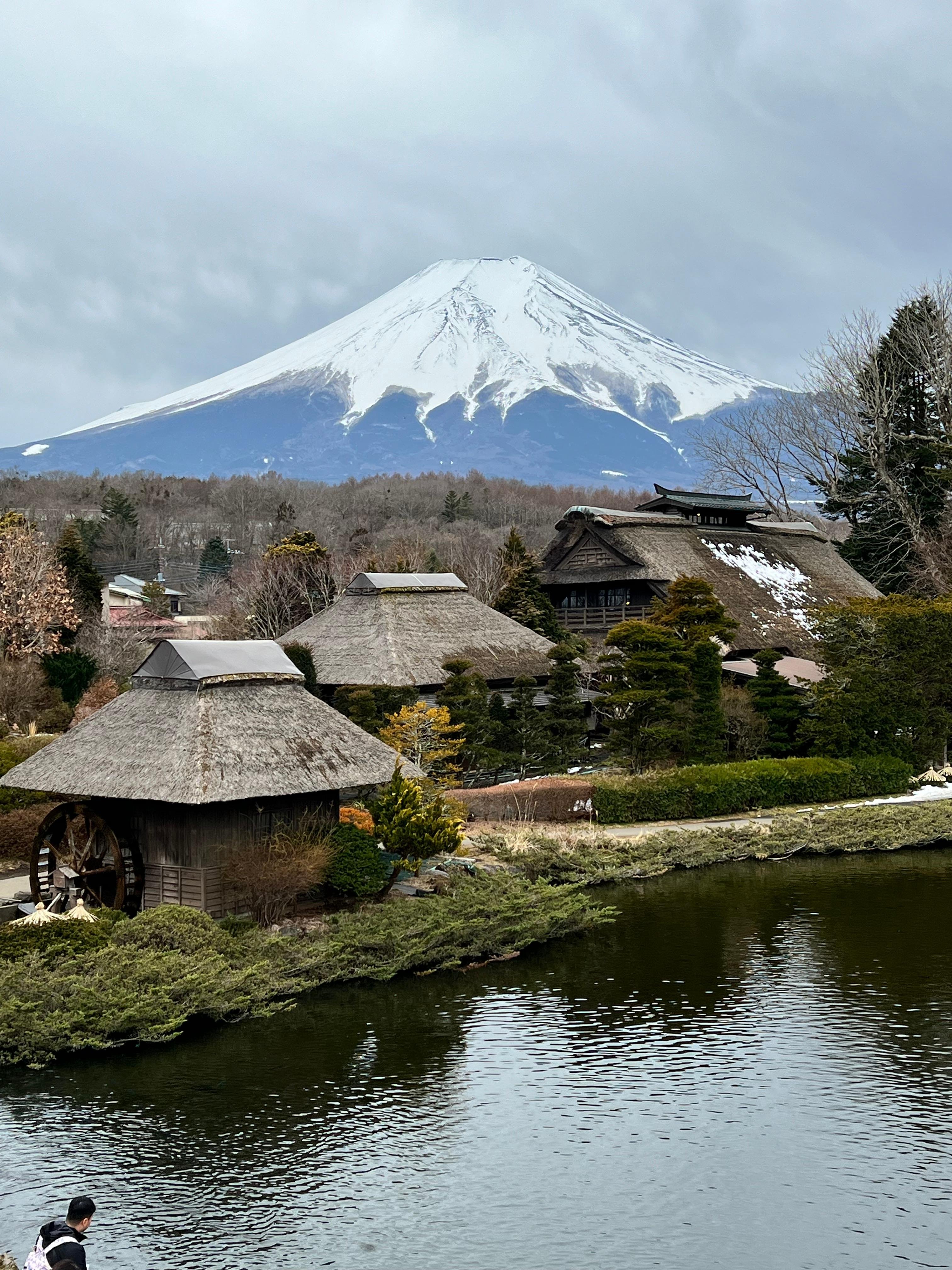
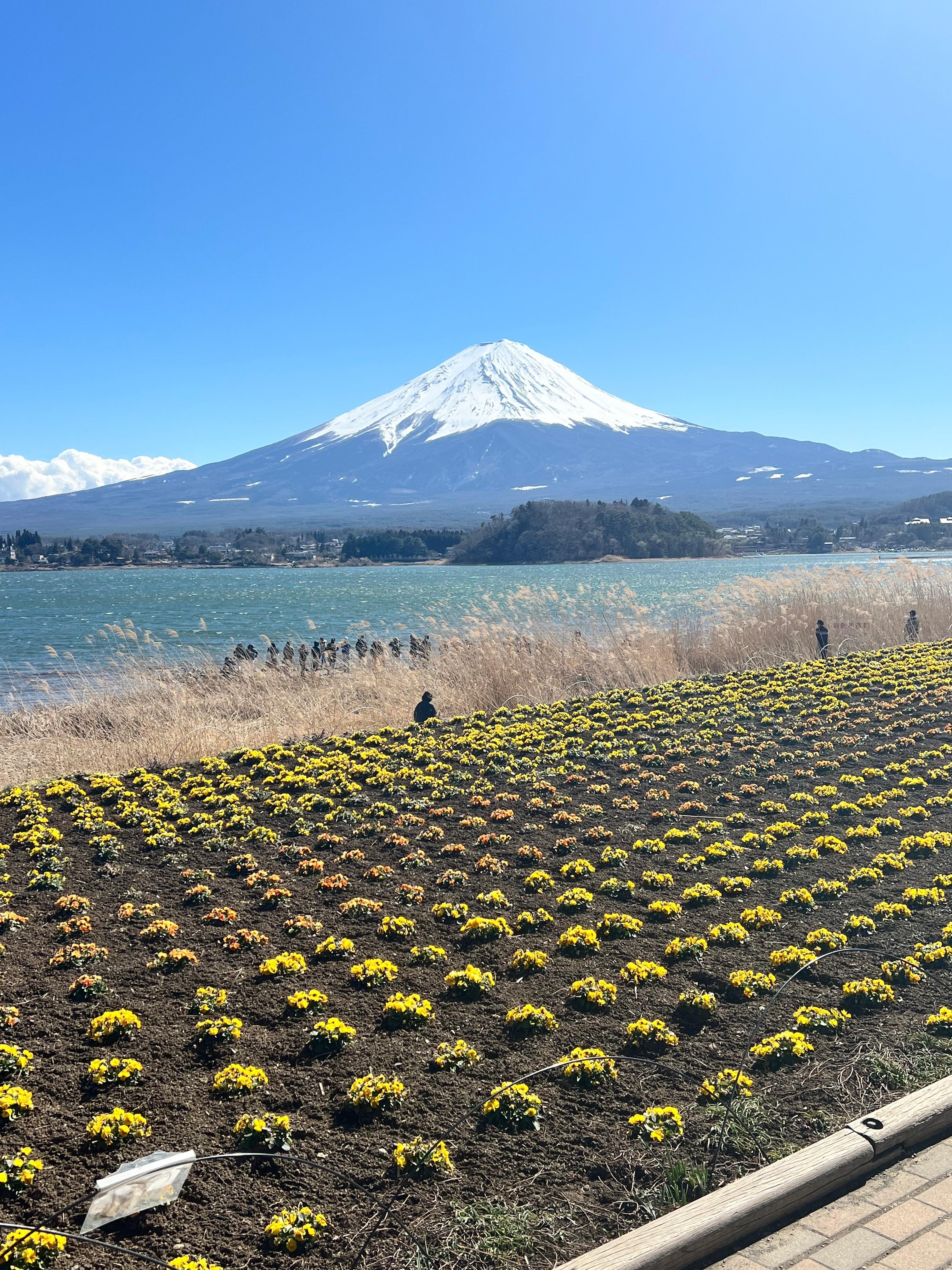
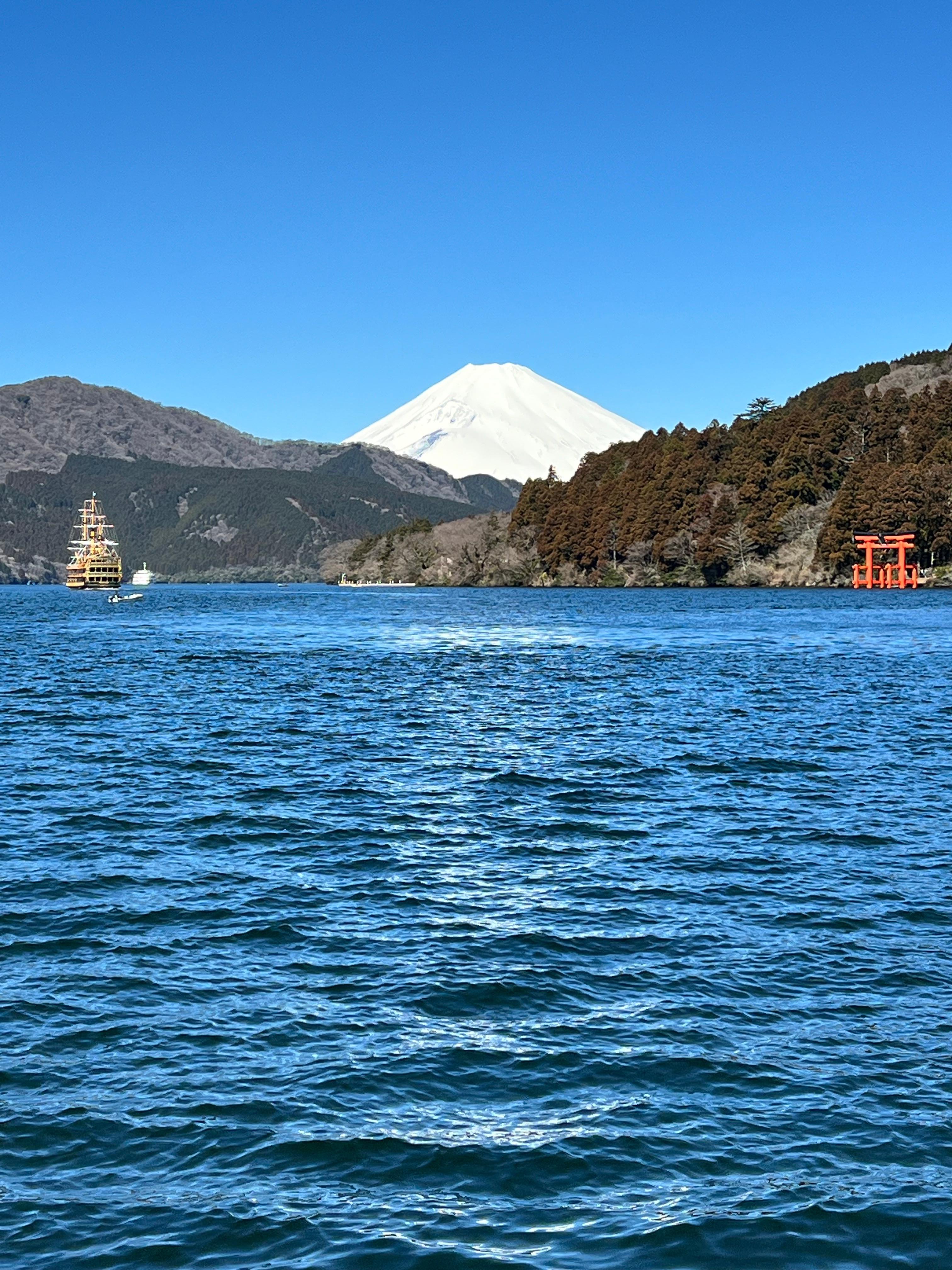
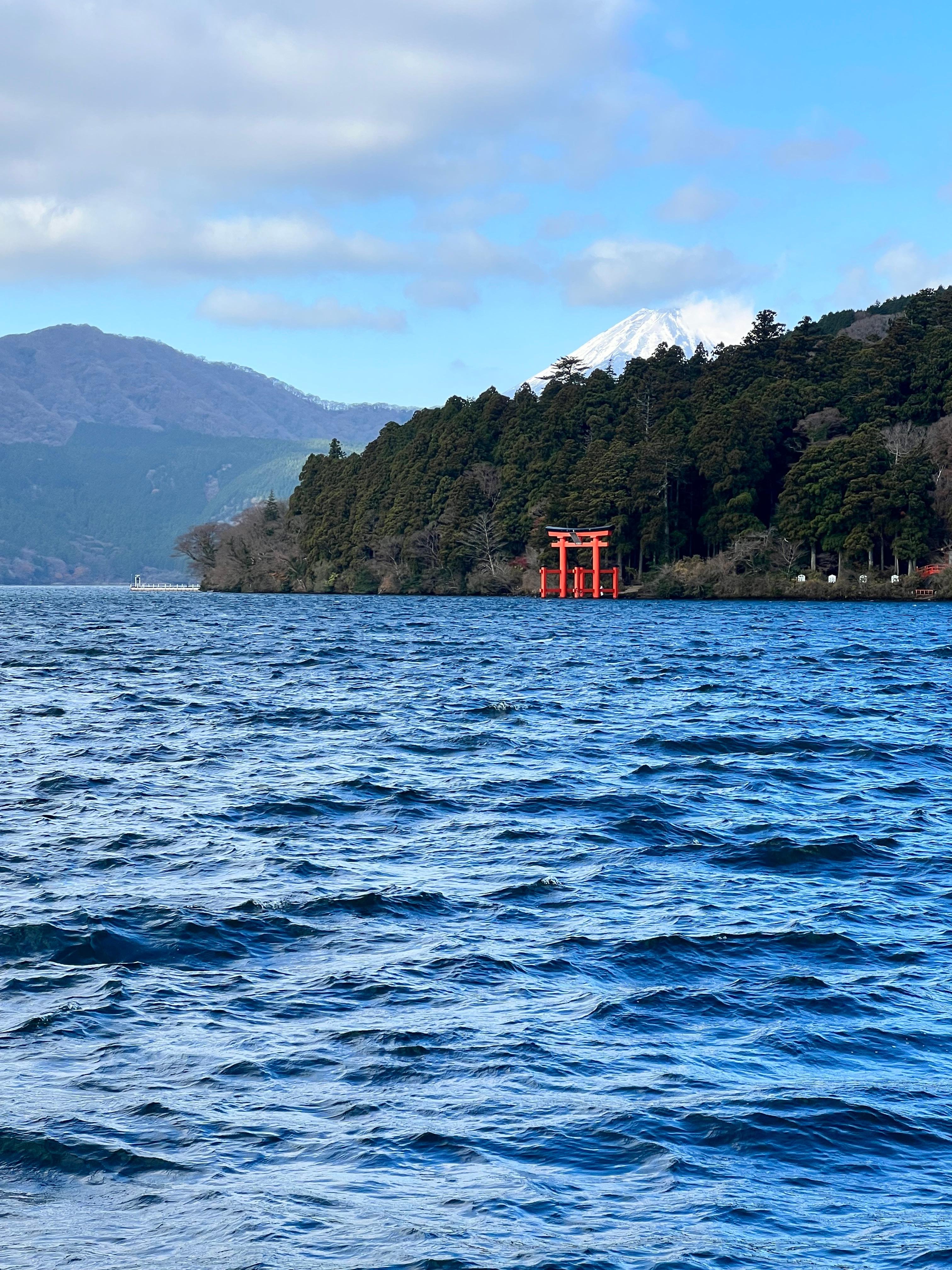
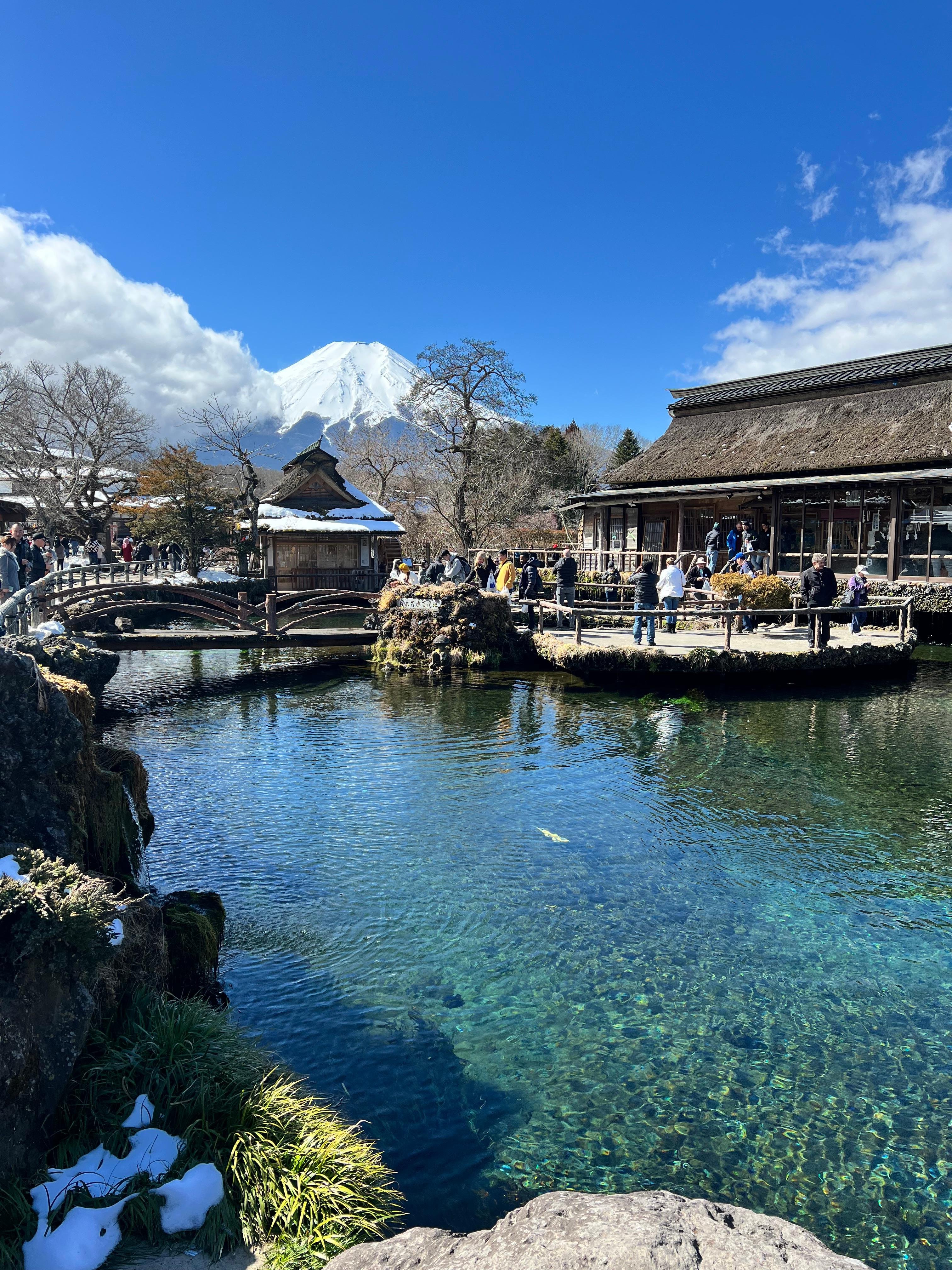
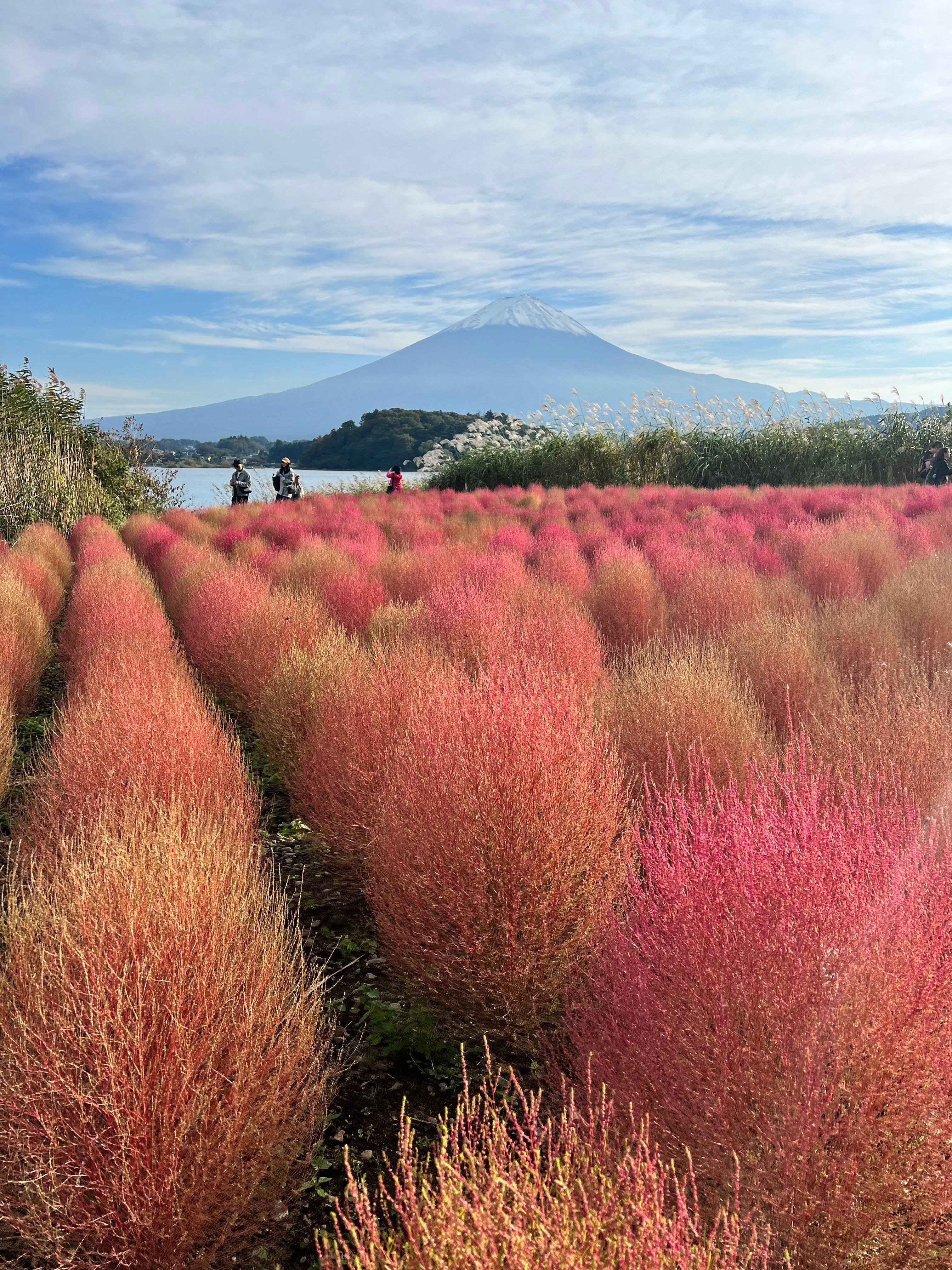
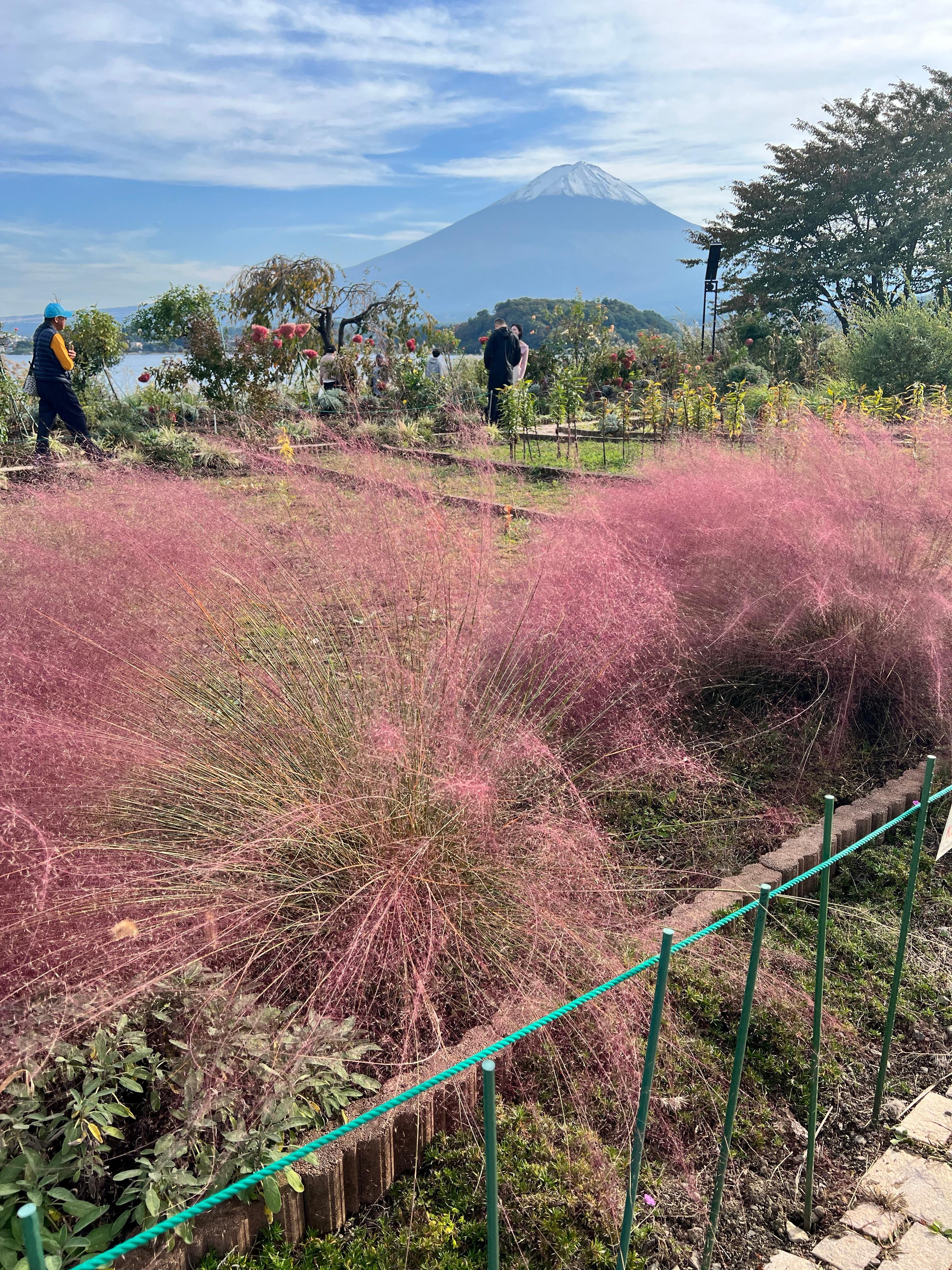
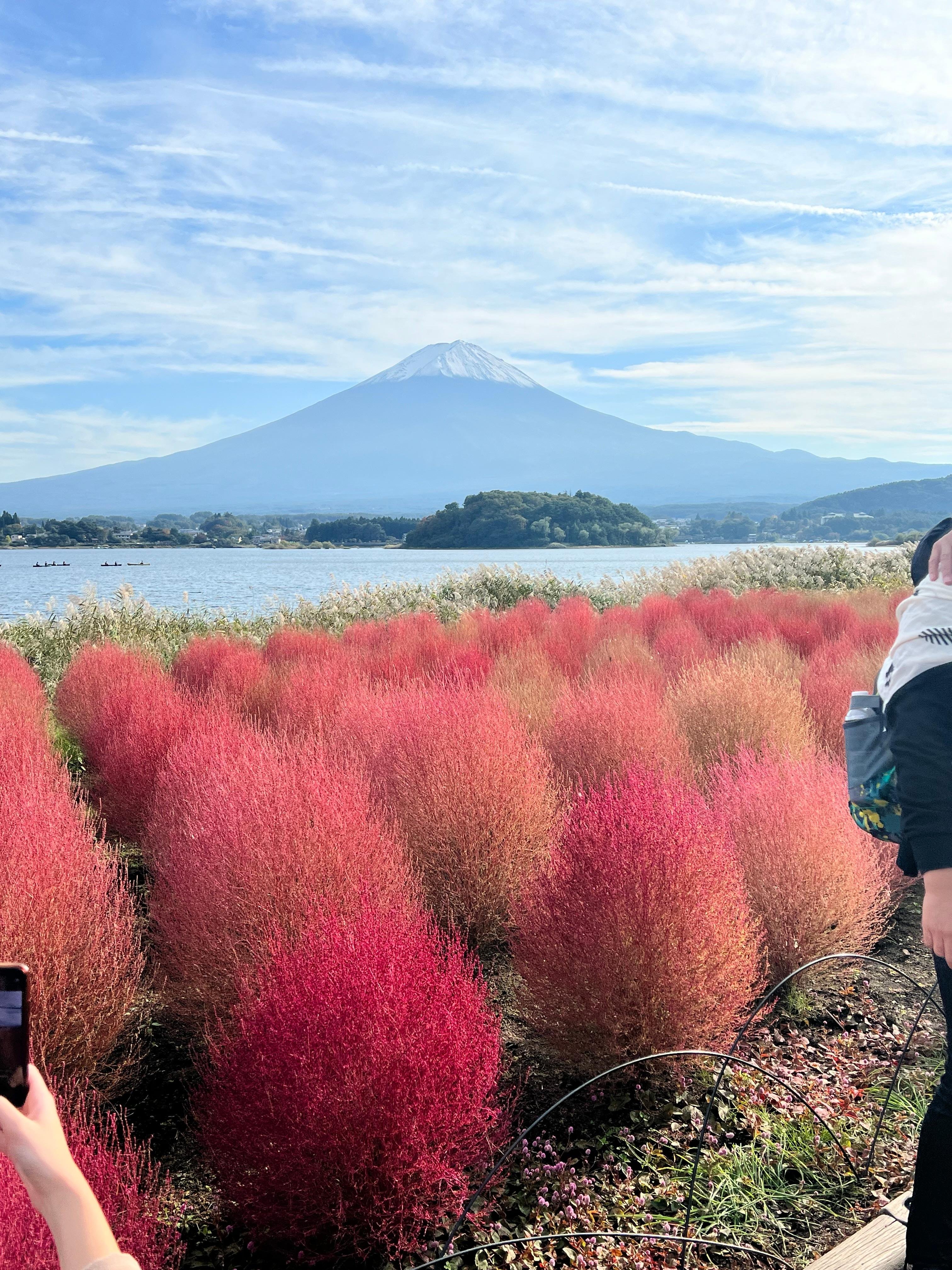
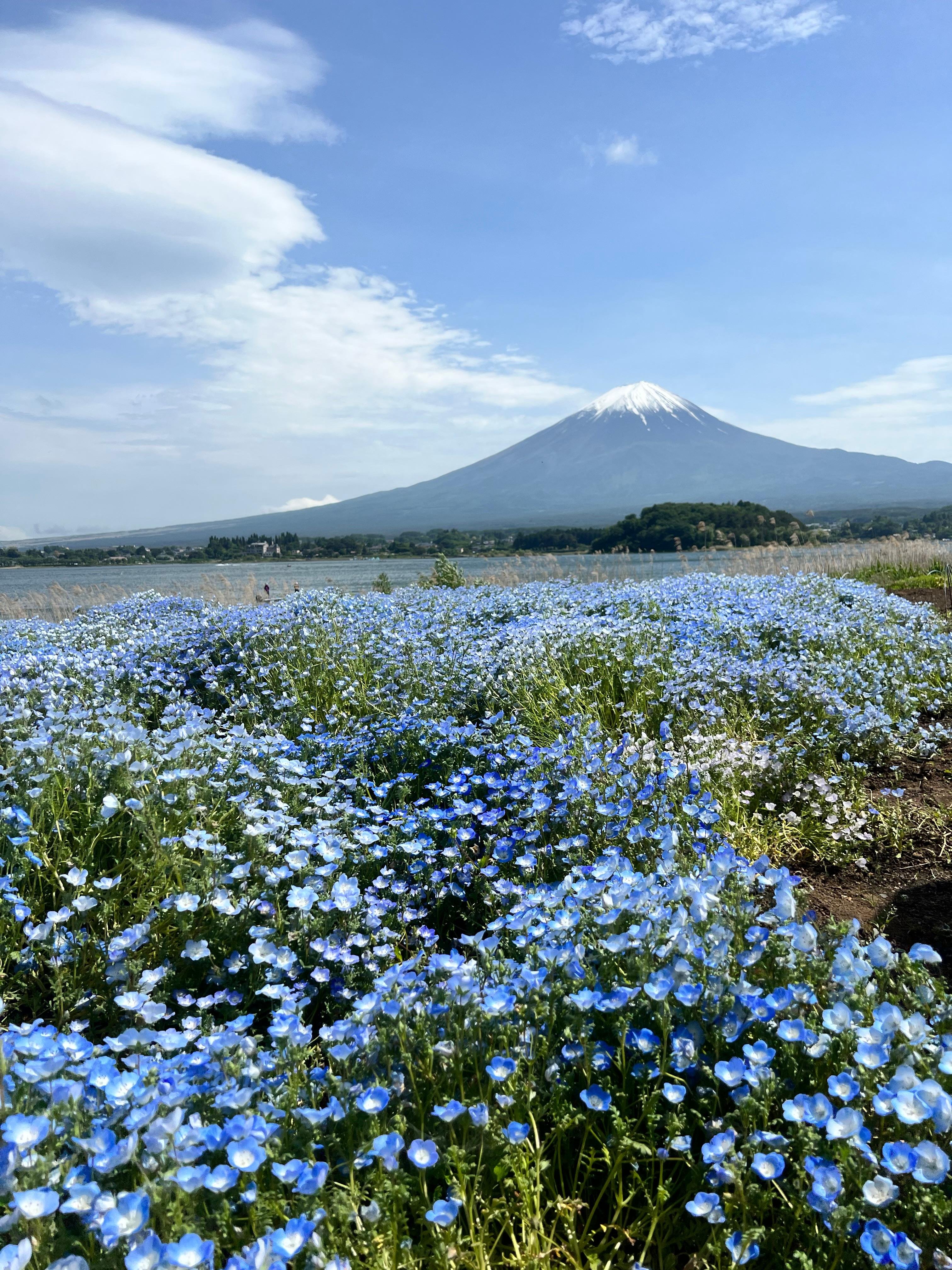
A customizable 10-hour private escape to Mount Fuji's slopes, sacred shrines, and Hakone's volcanic wonders.
All the details about your upcoming adventure in one place
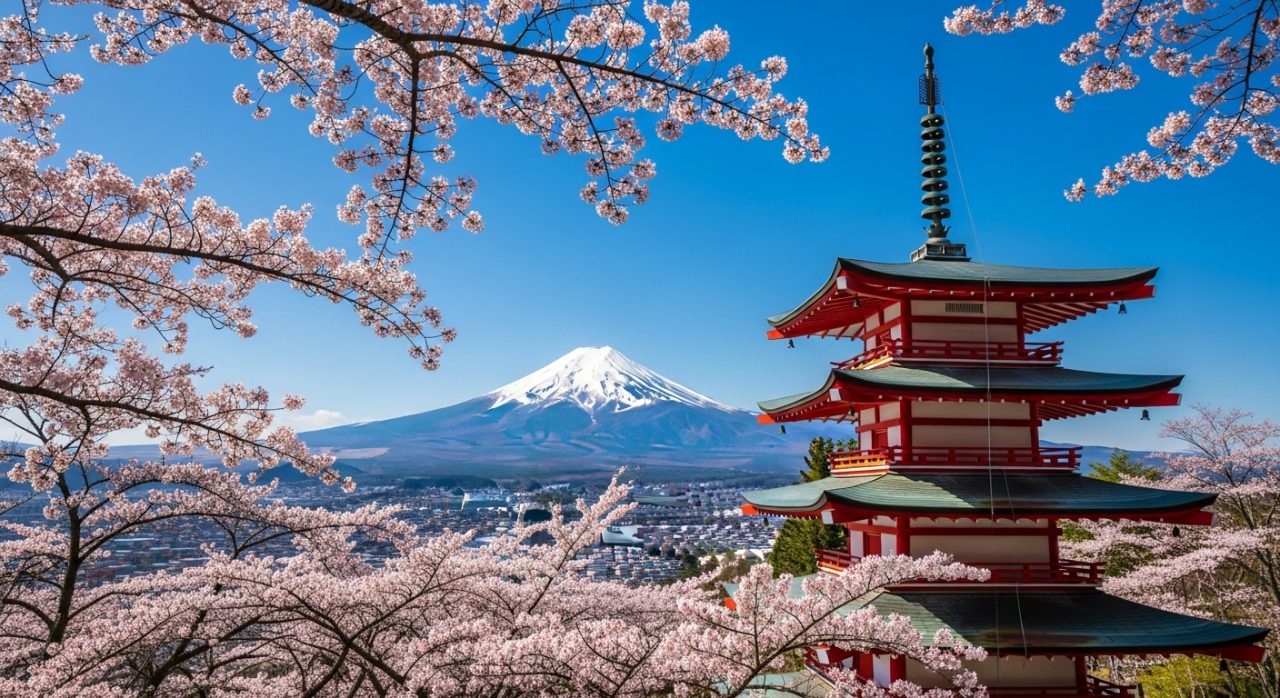
Escape the bustle of Tokyo for a journey to the foot of Japan's highest and most sacred mountain. Our curated collection of Mt. Fuji tours offers something for every traveler, from efficient bus day trips visiting key photo spots like the Chureito Pagoda to luxurious private charters that let you explore at your own pace. Whether you want to cruise Lake Kawaguchi, explore the ancient ice caves of Aokigahara Forest, or shop at Gotemba Premium Outlets with a mountain view, these experiences provide the most convenient and memorable ways to witness the grandeur of Fuji-san.
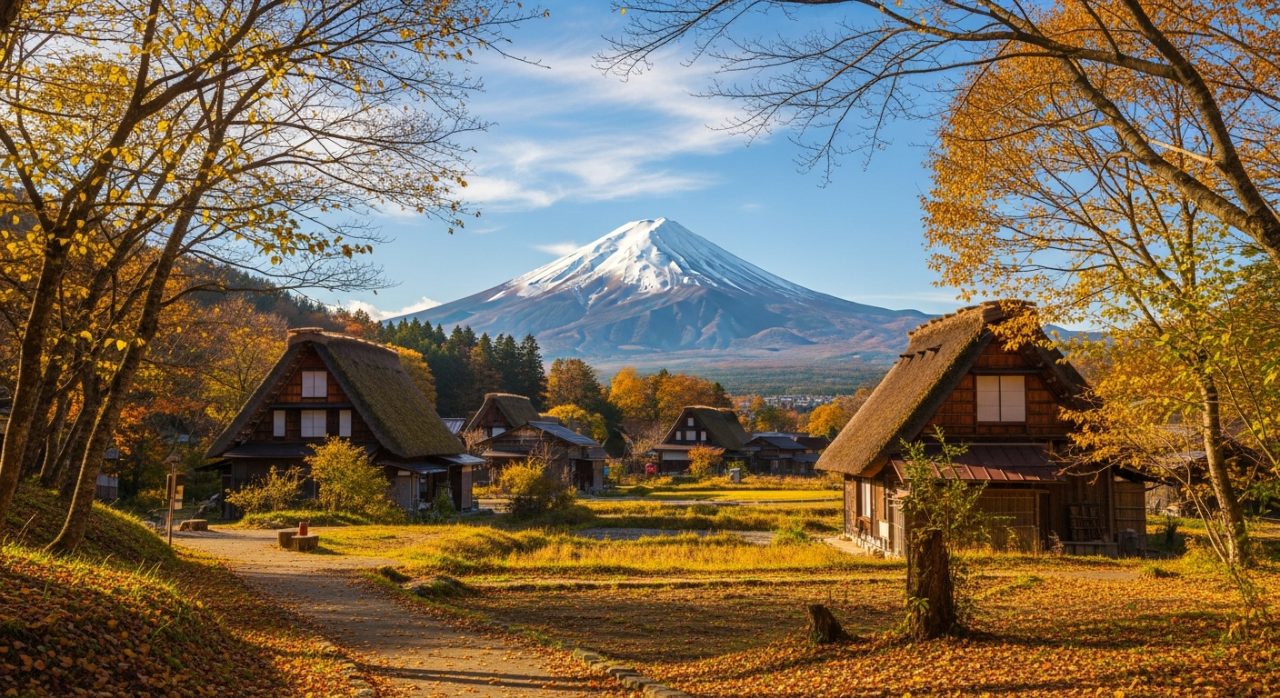
Winter (Nov-Feb) for best visibility; Spring (April) for cherry blossoms; Autumn (Nov) for fall foliage; Summer (July-Aug) for climbing season.
Warm jacket (even in summer for 5th station)|Comfortable walking shoes (sneakers or boots)|Hat and sunglasses for high-altitude sun|Rain poncho just in case
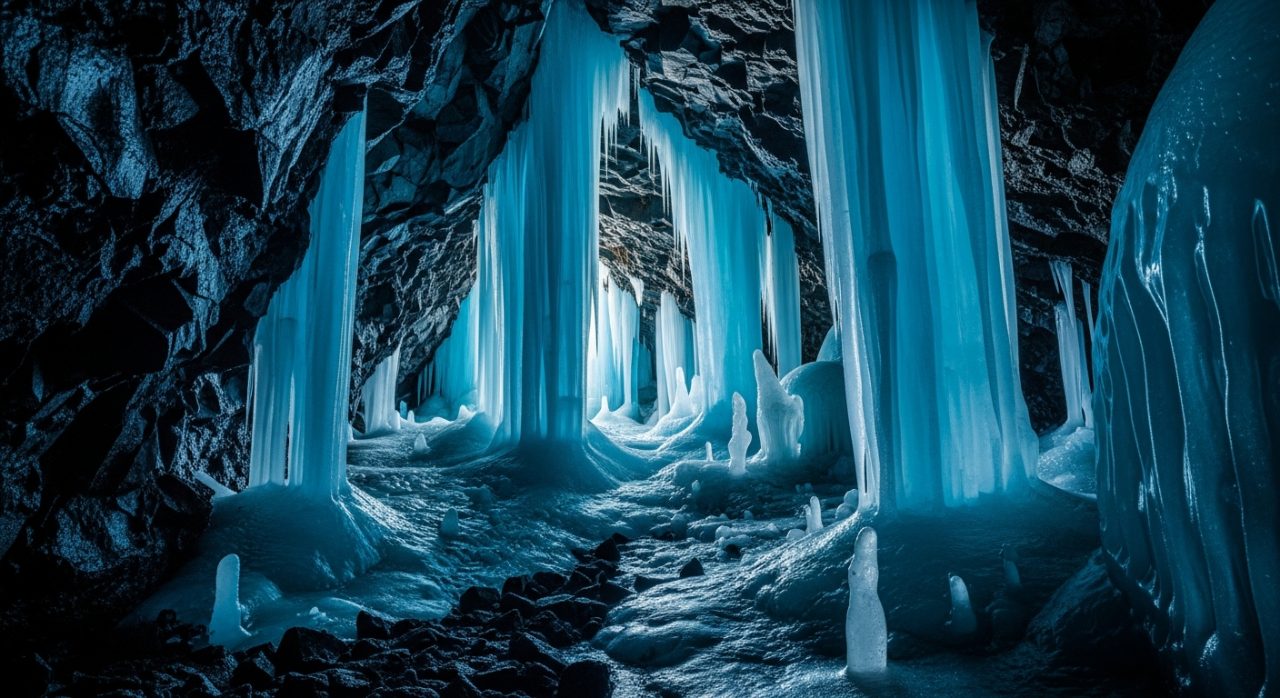
Fuji has been worshipped as a sacred mountain for over 1,000 years. During the Edo period, 'Fuji-ko' climbing cults became popular, leading to the establishment of the pilgrimage routes used today.
Most tours offer a full refund if canceled at least 24 hours before the start time. Please check the specific policy for your selected tour option before booking.
Share your experience: #MtFuji #JapanTravel #TokyoDayTrip #FujiSan #TravelJapan #BucketList #Japow
Real experiences from real travelers
Everything you need to know for your journey
Winter (November to February) offers the highest chance of clear visibility due to dry air. Summer months often have hazy or cloudy views, though early mornings can still be clear.
It is unlikely. Mt. Fuji weather is independent but often correlated with Tokyo. If it's raining in the city, the mountain is likely obscured by clouds. Check the forecast for Fujikawaguchiko specifically.
Tours usually run rain or shine. If visibility is poor, guides often focus more on cultural activities like shrines, museums, or the ice caves. Refunds are generally not given for poor visibility unless the operator cancels the tour.
There are 398 steps to reach the famous viewing deck. It takes about 15-20 minutes for an average person. There is also a winding ramp available for a gentler ascent.
Dress in layers. The temperature at Mt. Fuji 5th Station is typically 10-15°C (18-27°F) lower than in Tokyo. In winter, heavy coats, gloves, and scarves are essential.
No. The Subaru Line road to the 5th Station can be closed due to heavy snow in winter or typhoons in summer. In these cases, tours will visit alternative lower-elevation spots like the Fuji Visitor Center.
Most large tour buses have restrooms, but it's not guaranteed. However, all tours make frequent stops at highway service areas (Michi-no-Eki) which have clean, modern restroom facilities.
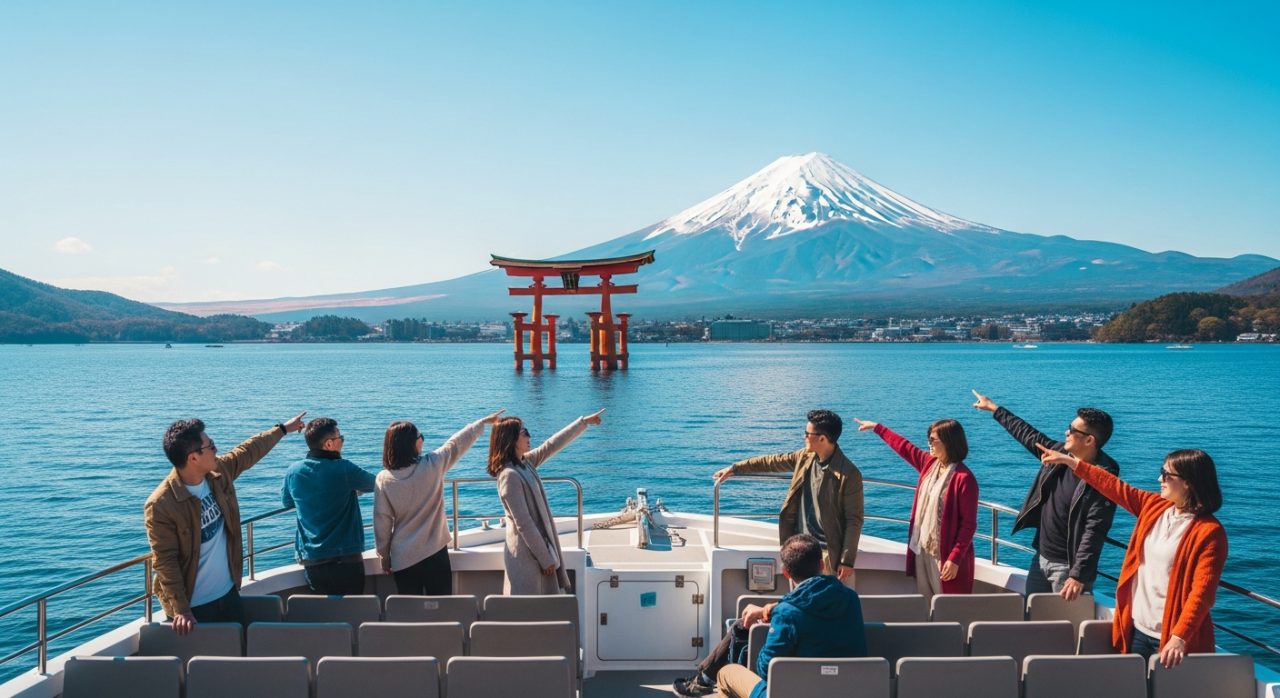
Join thousands of happy travelers who have discovered this incredible experience
Book Your Experience Now